
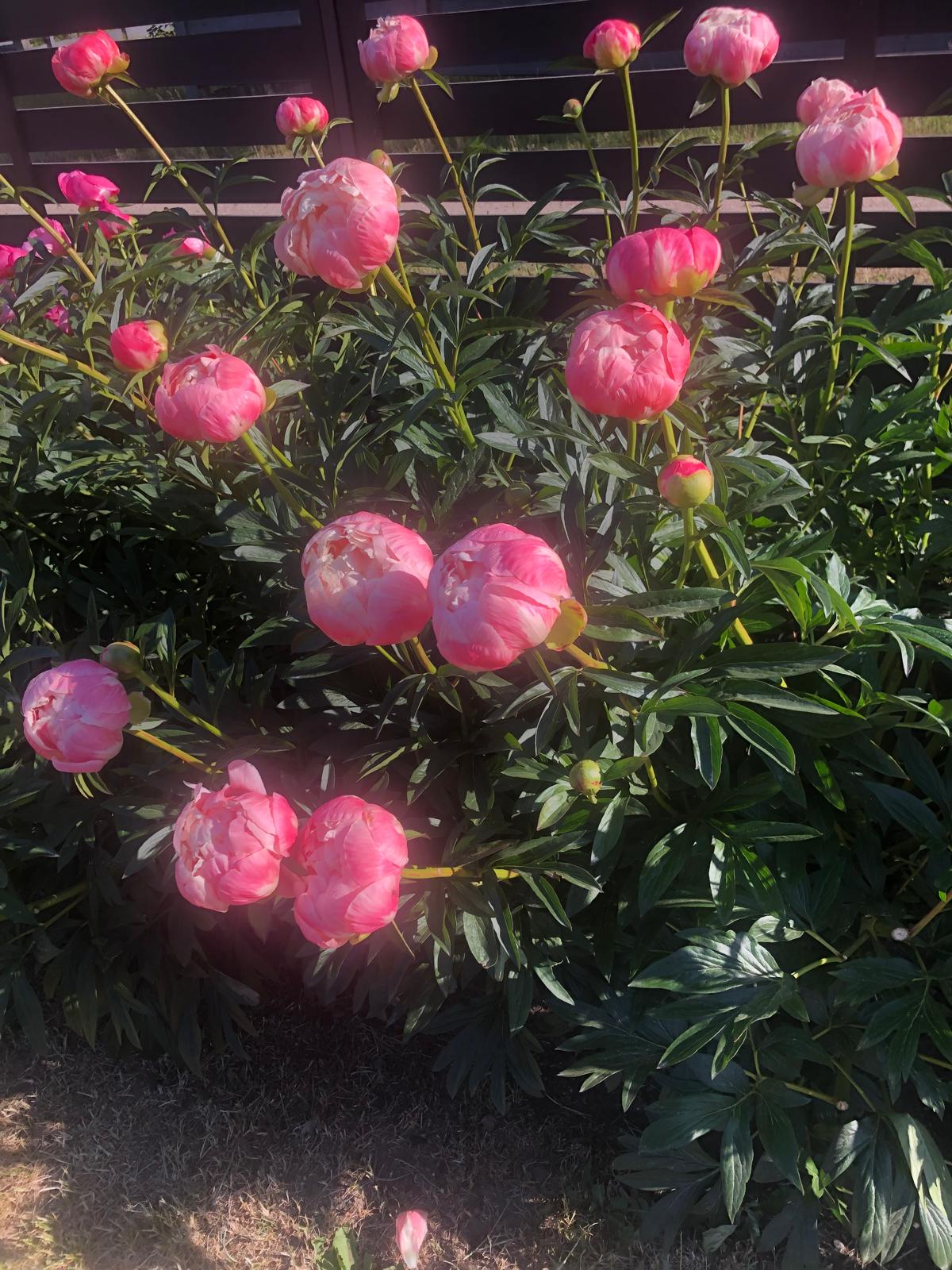
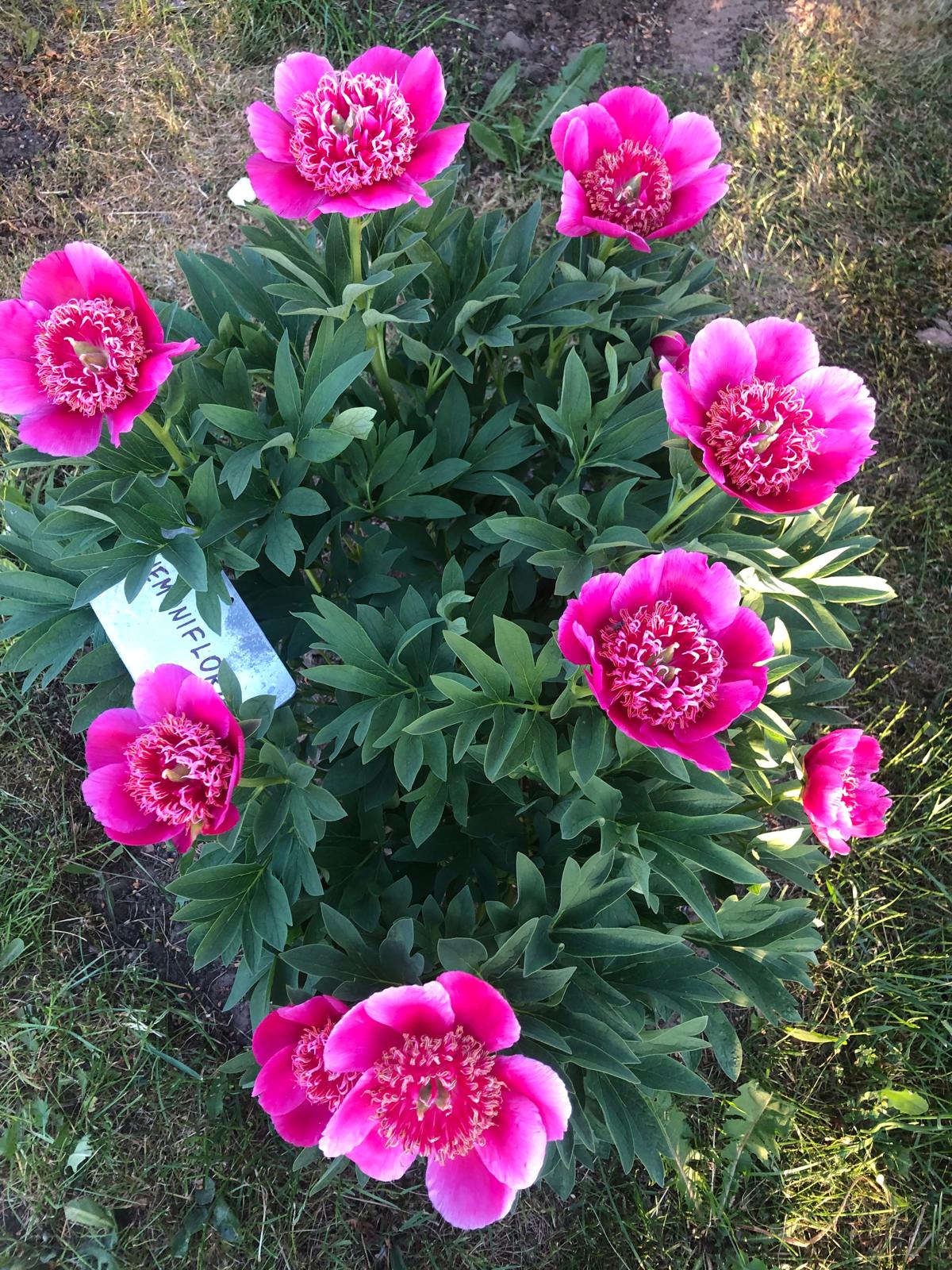
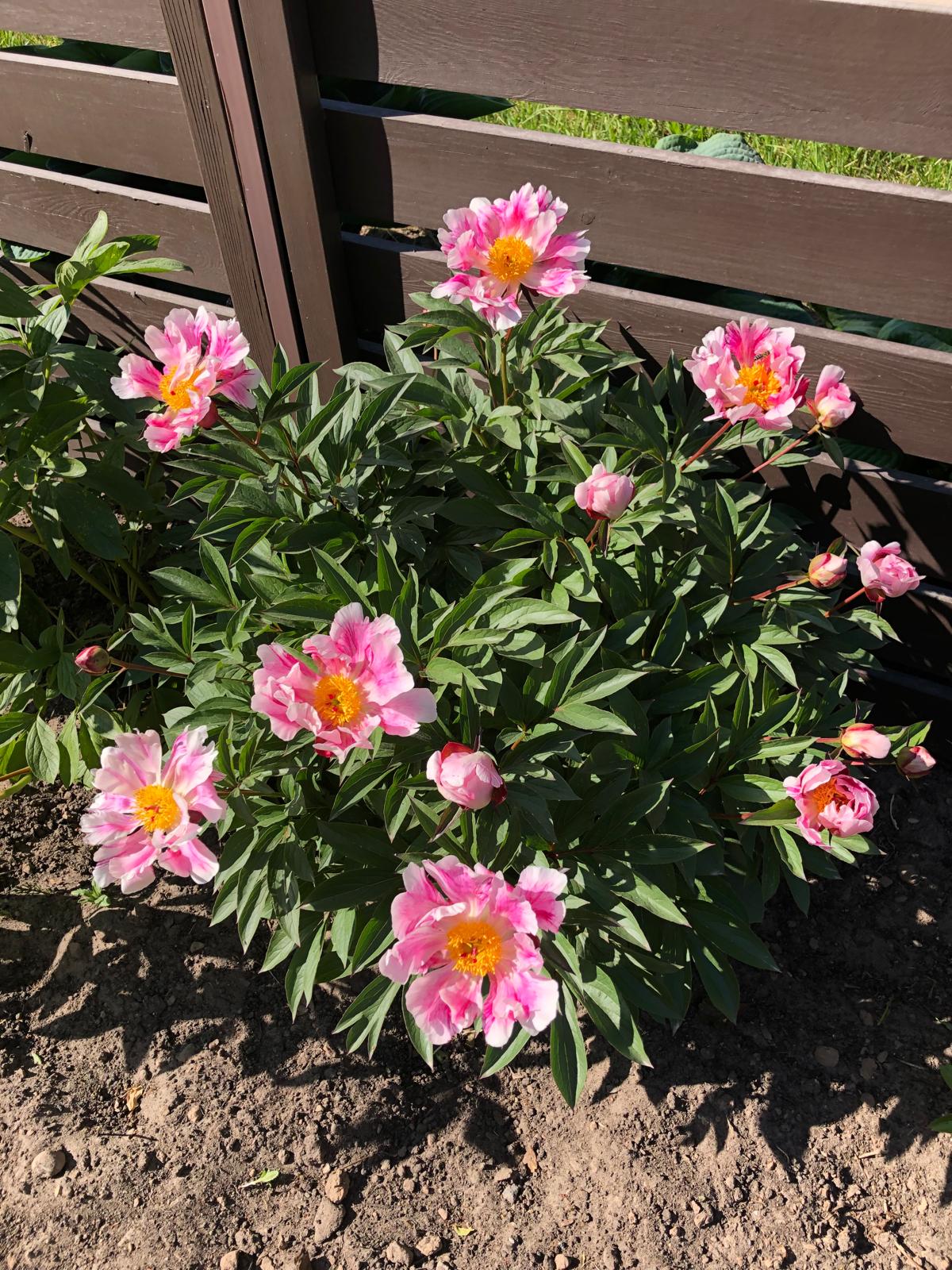
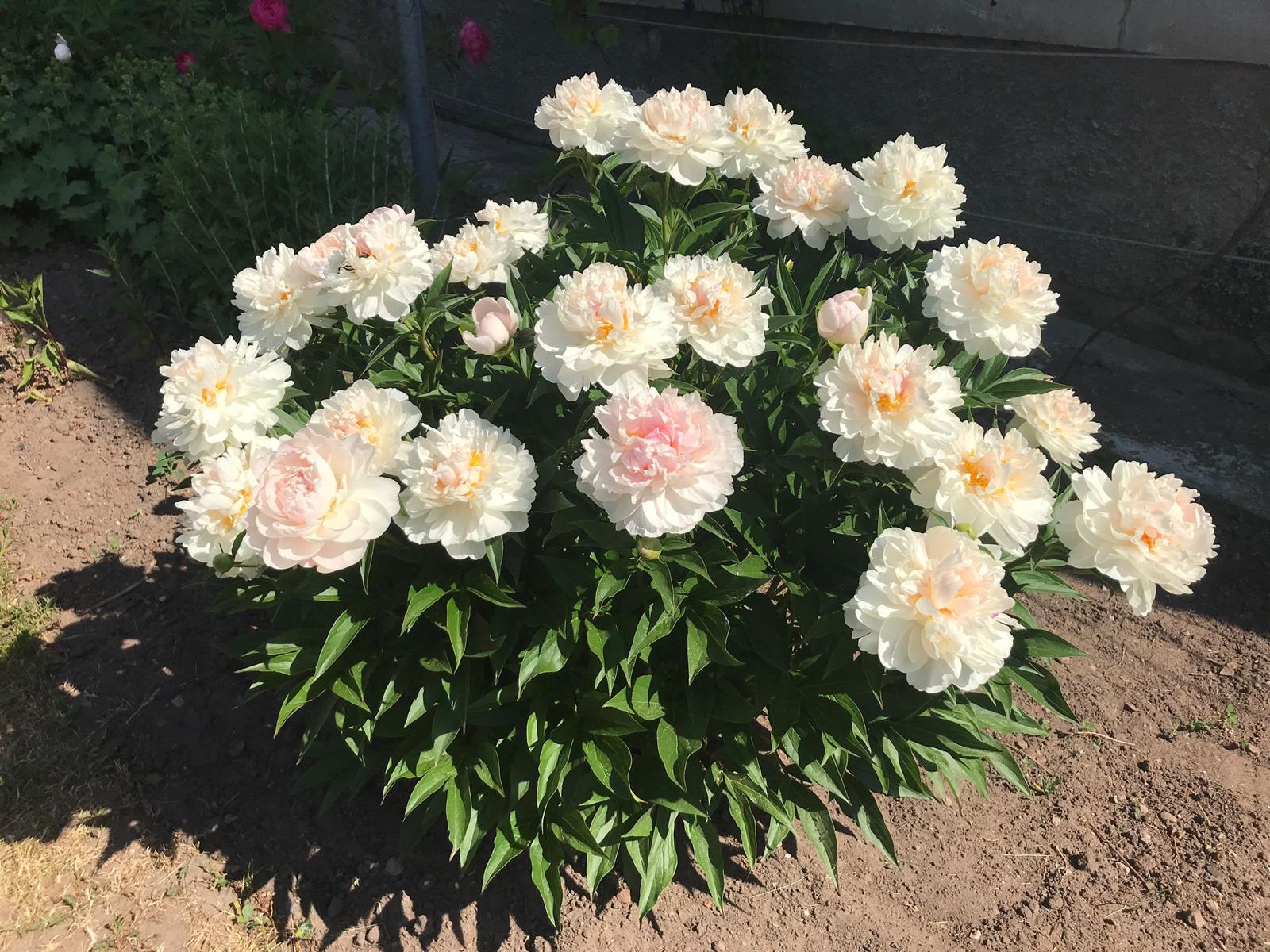
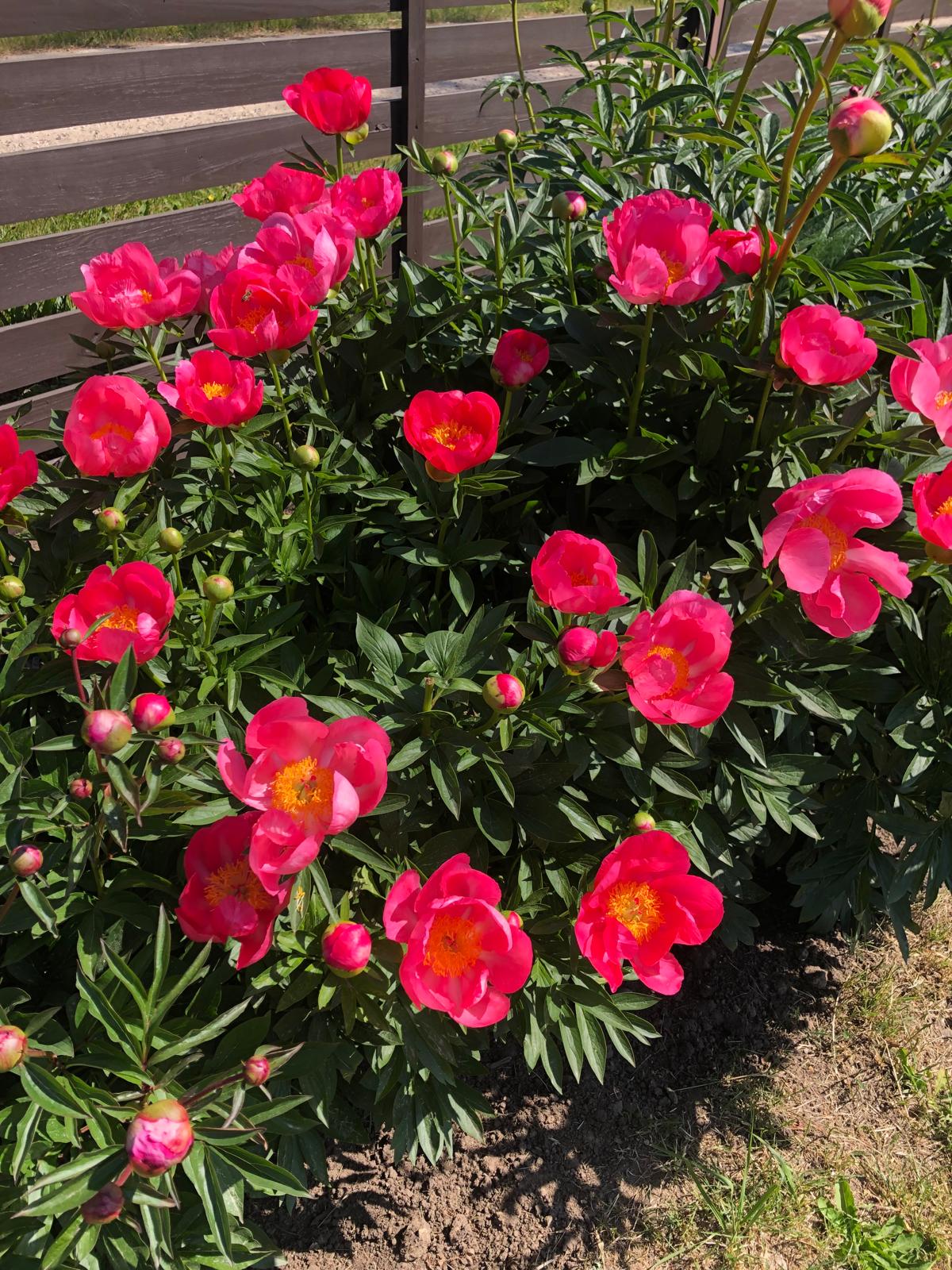
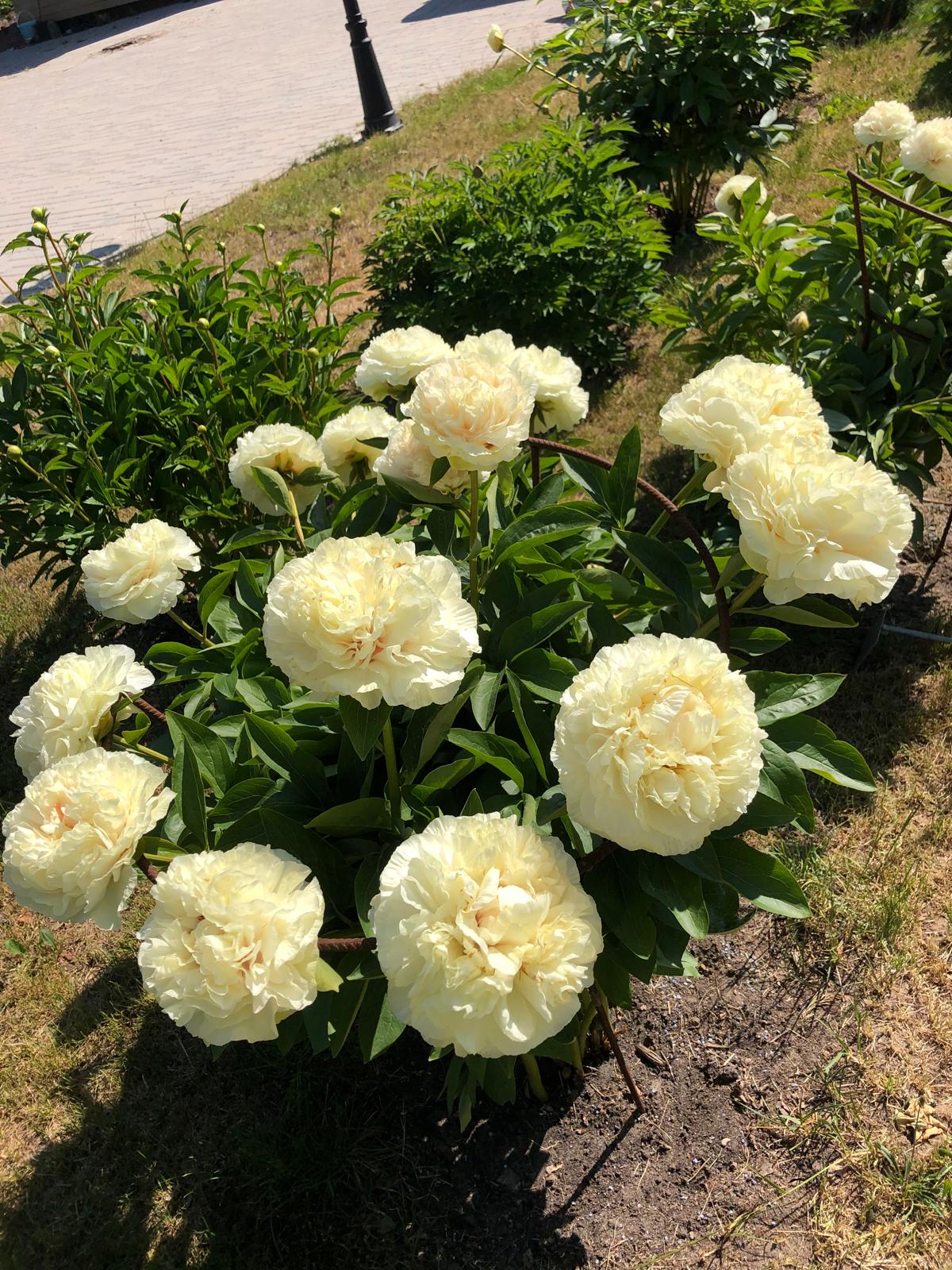
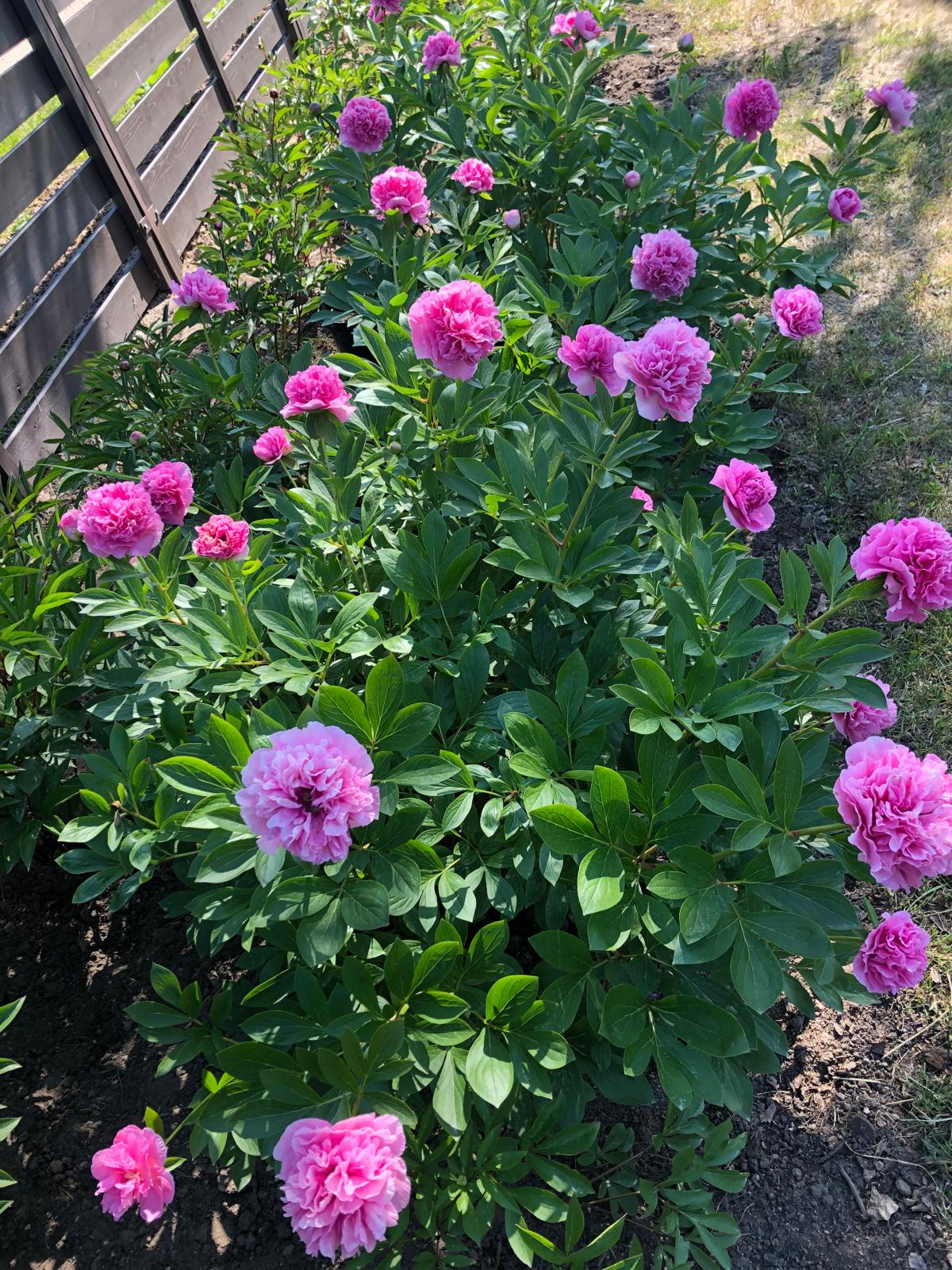
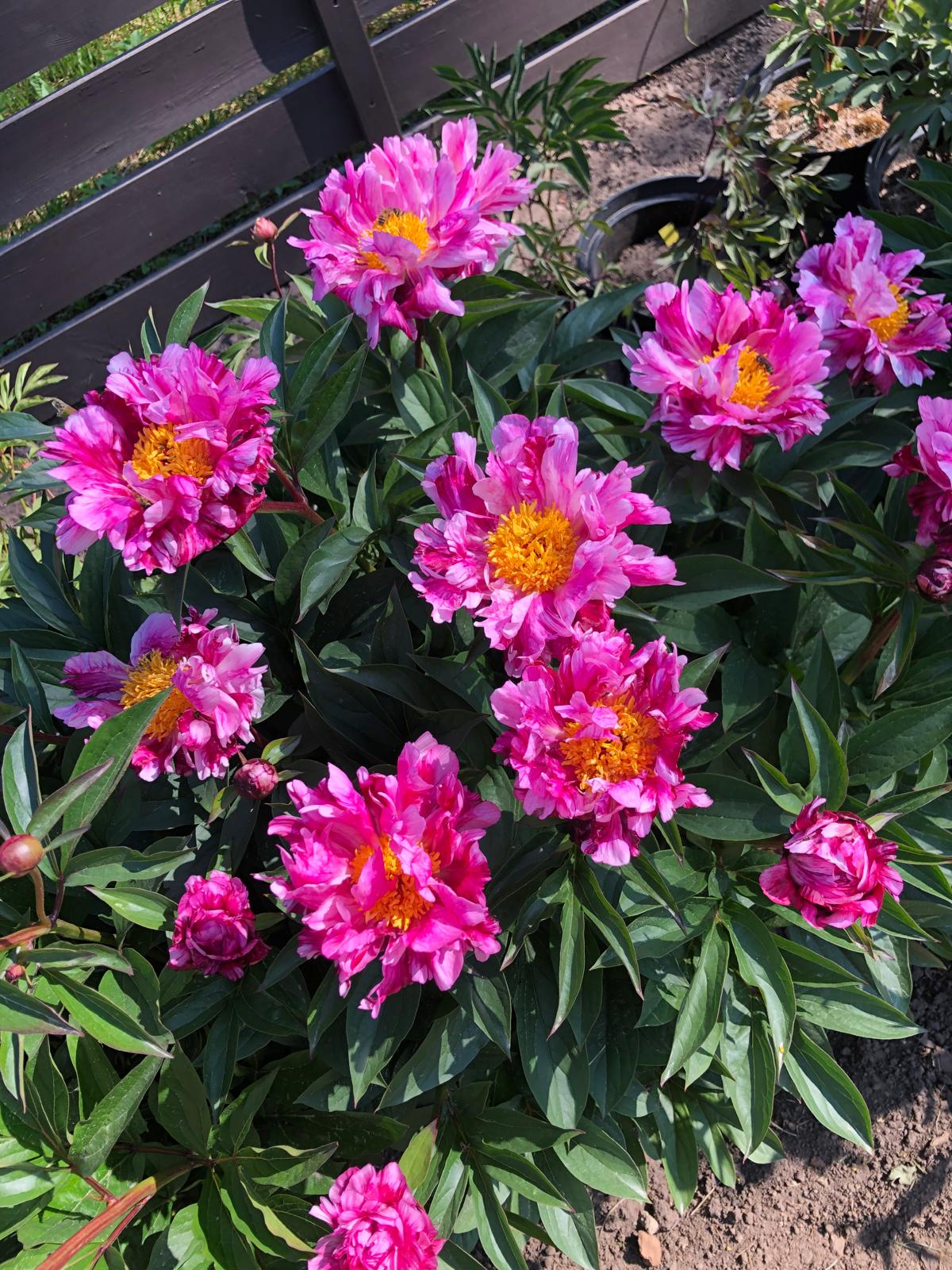
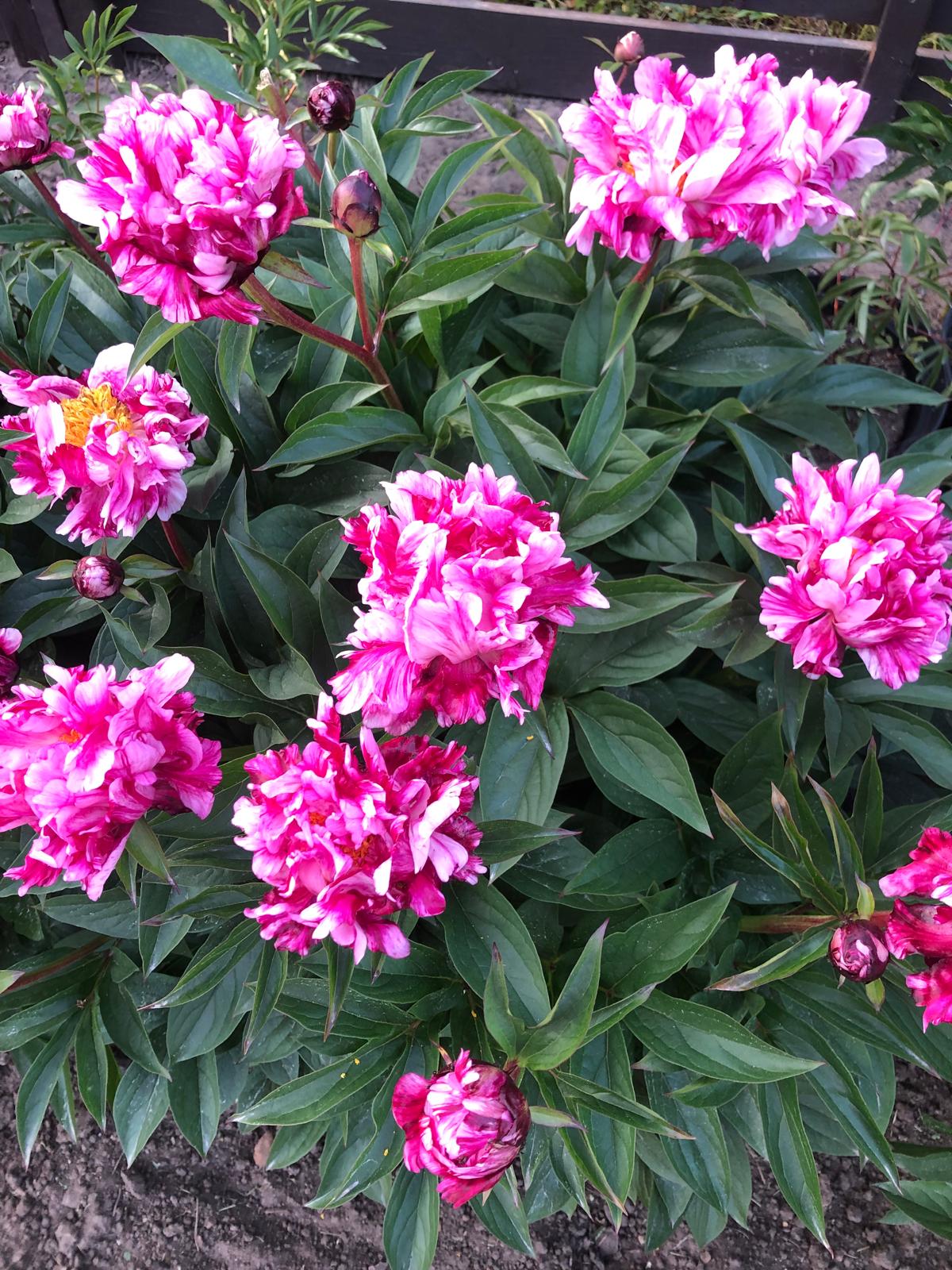
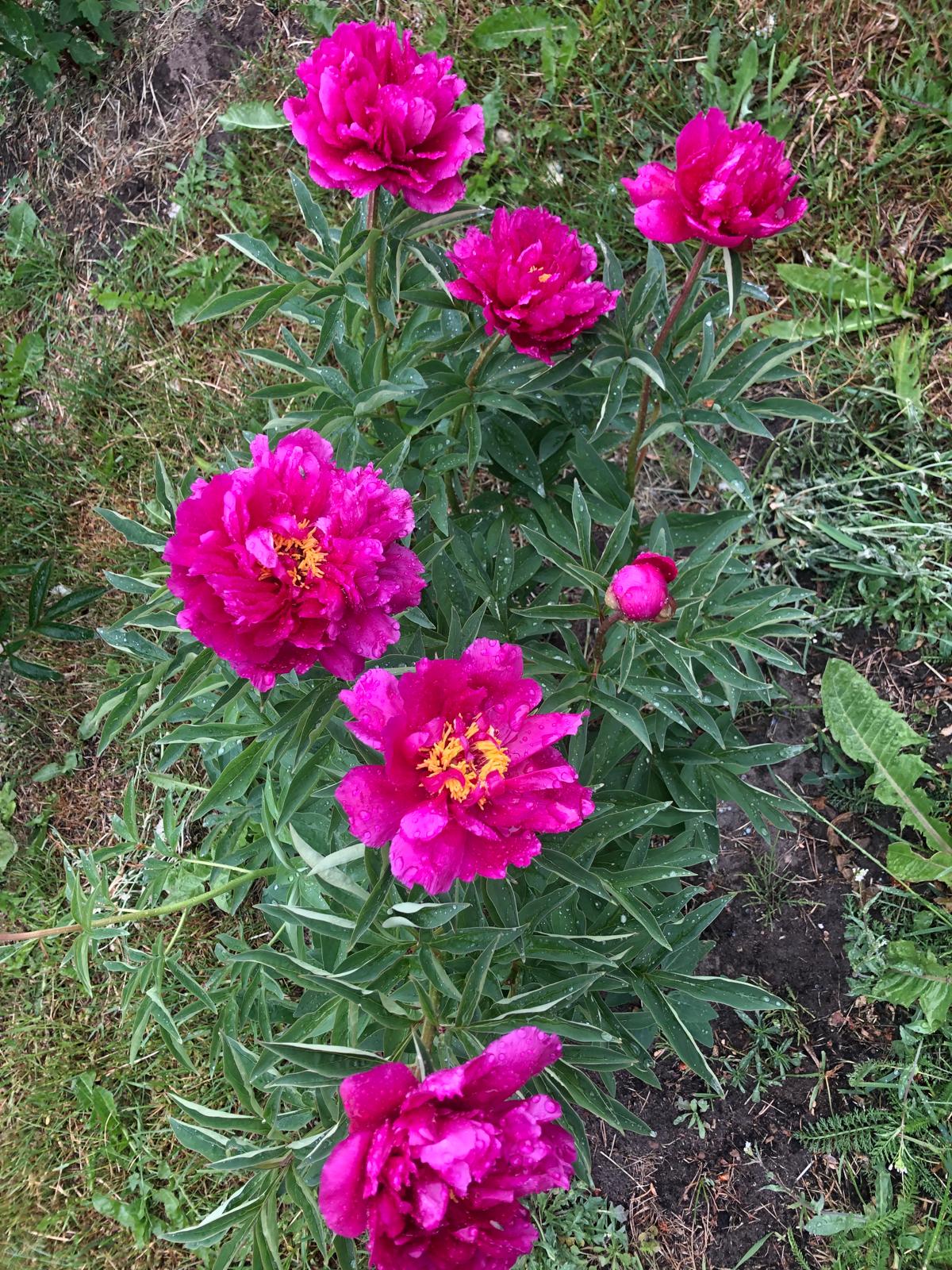
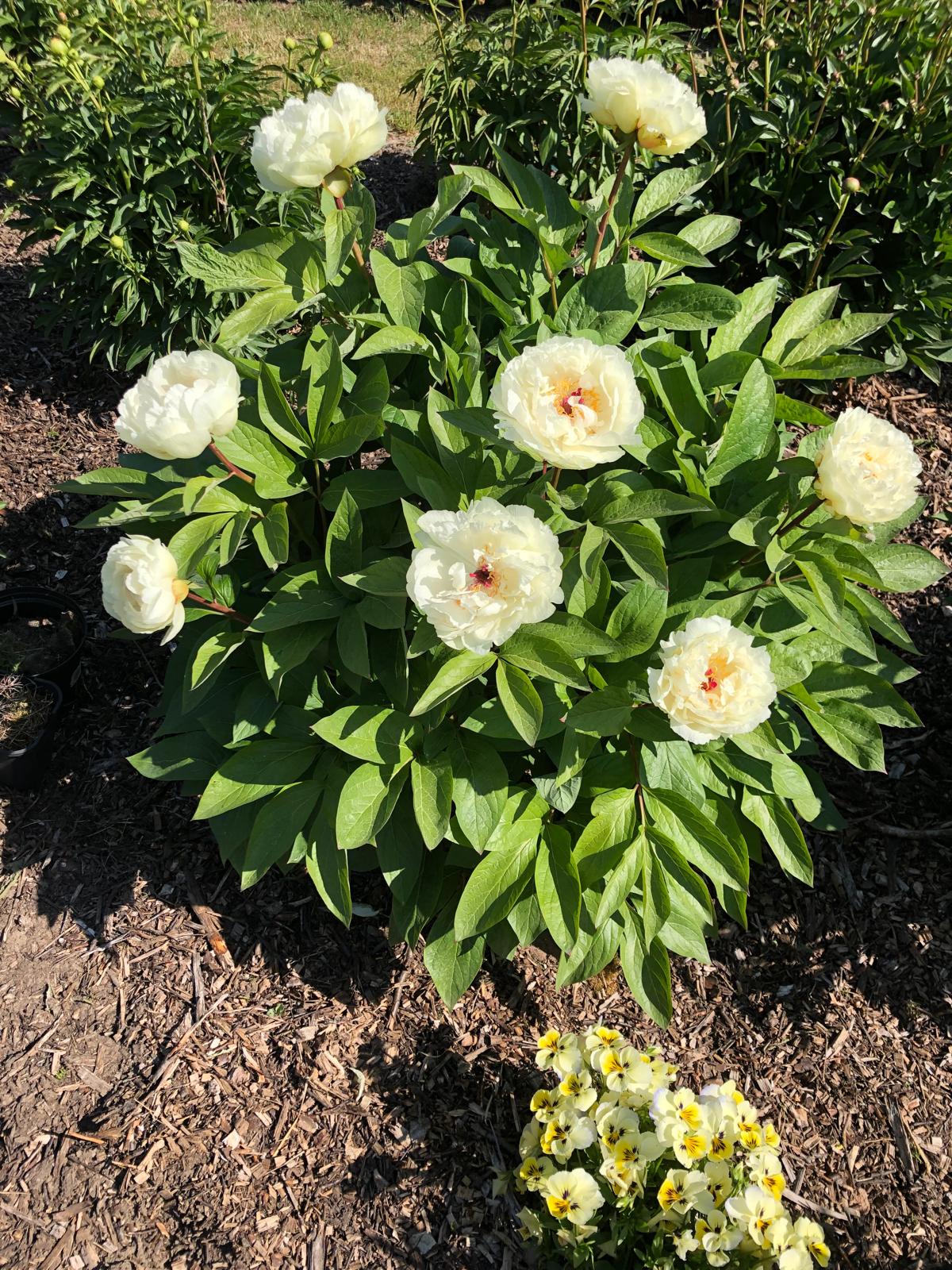
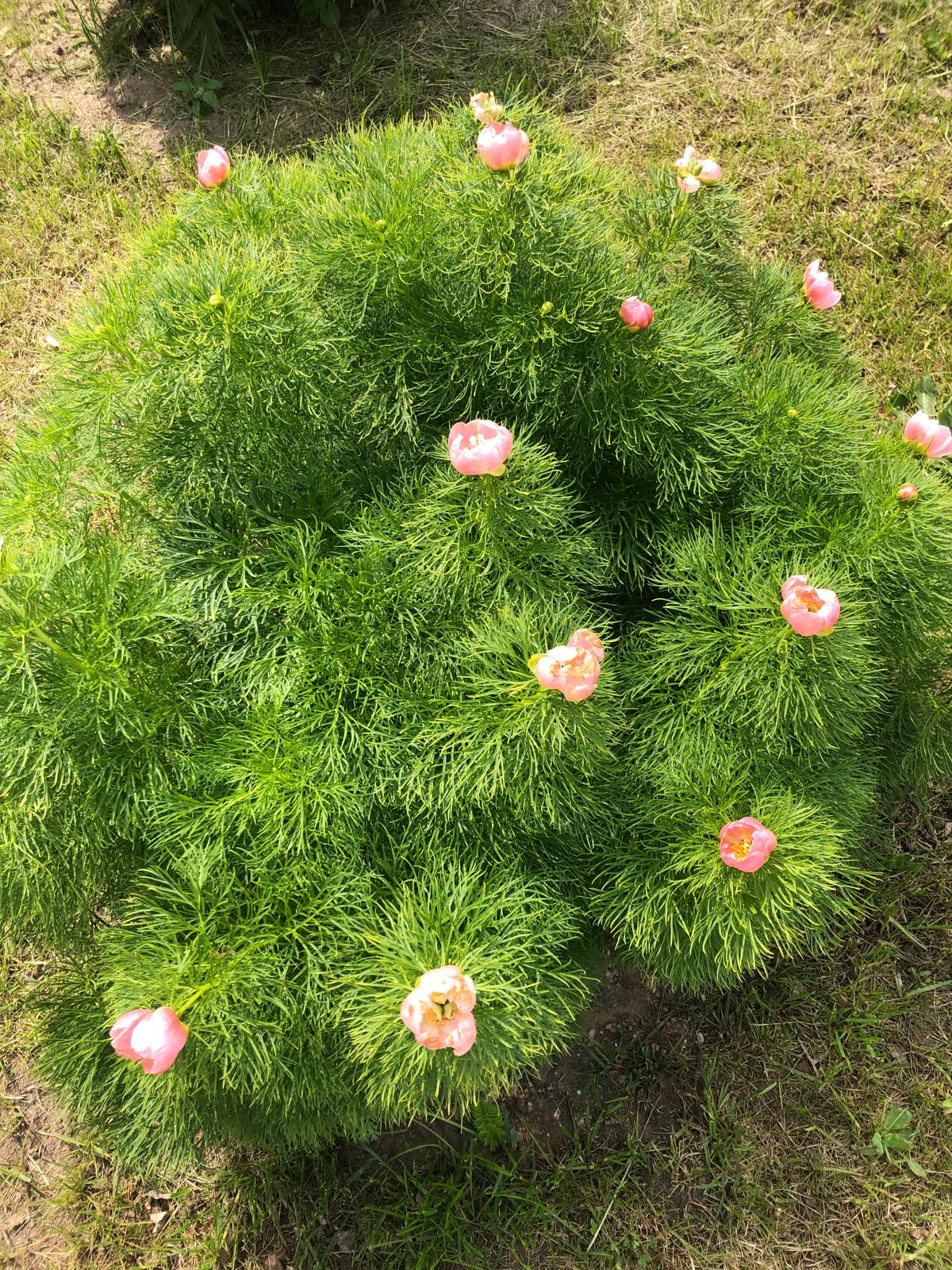
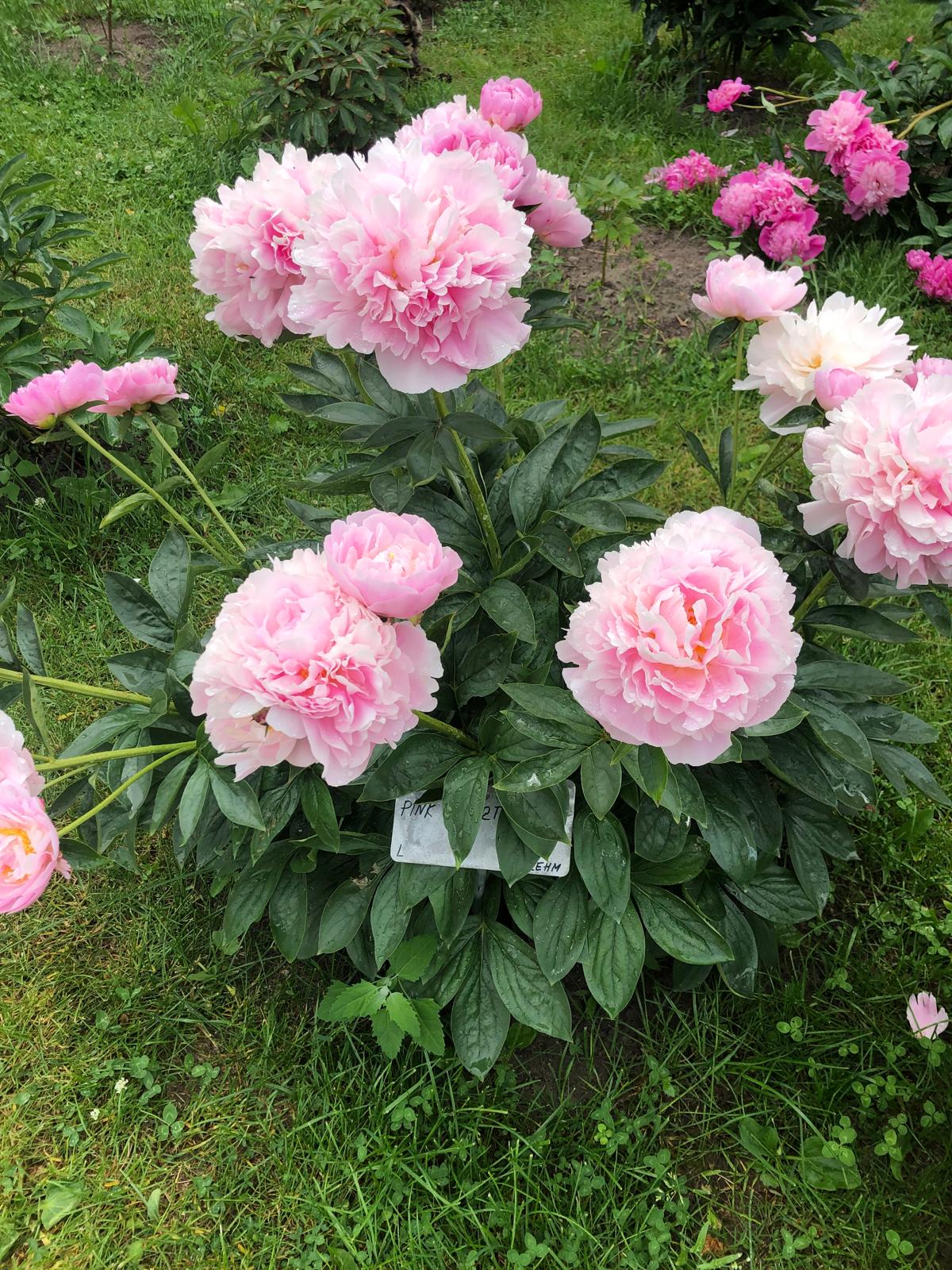
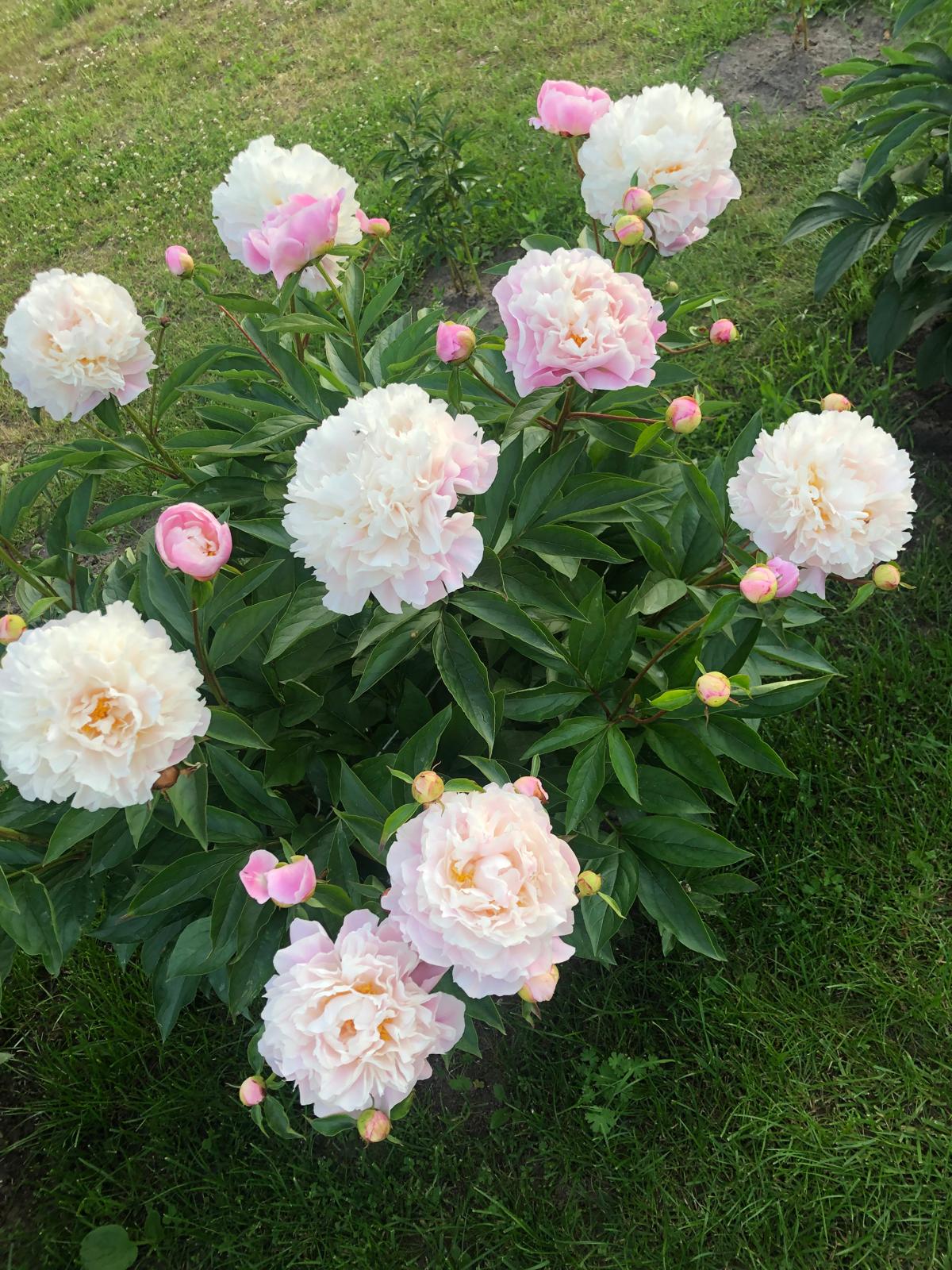
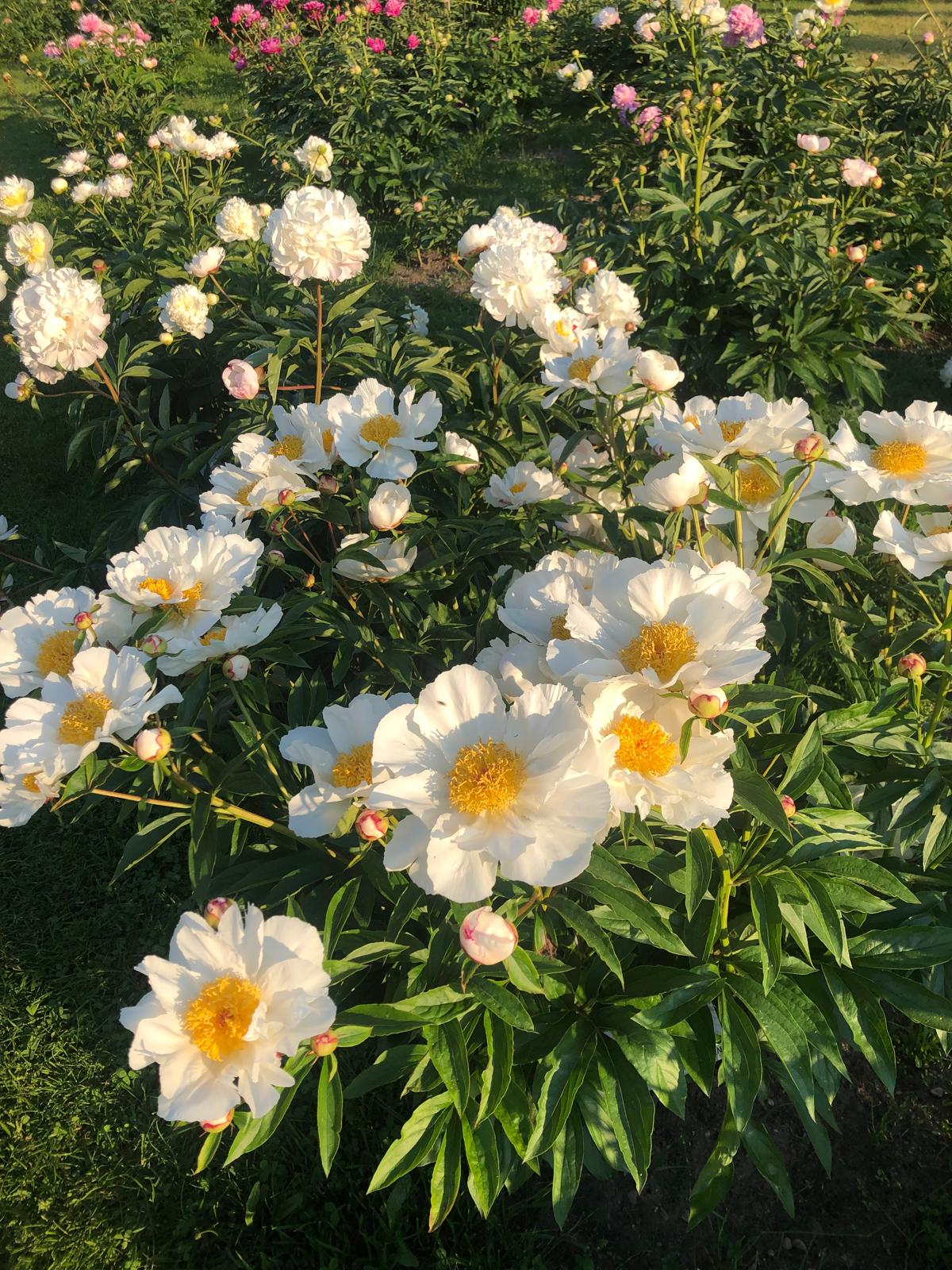
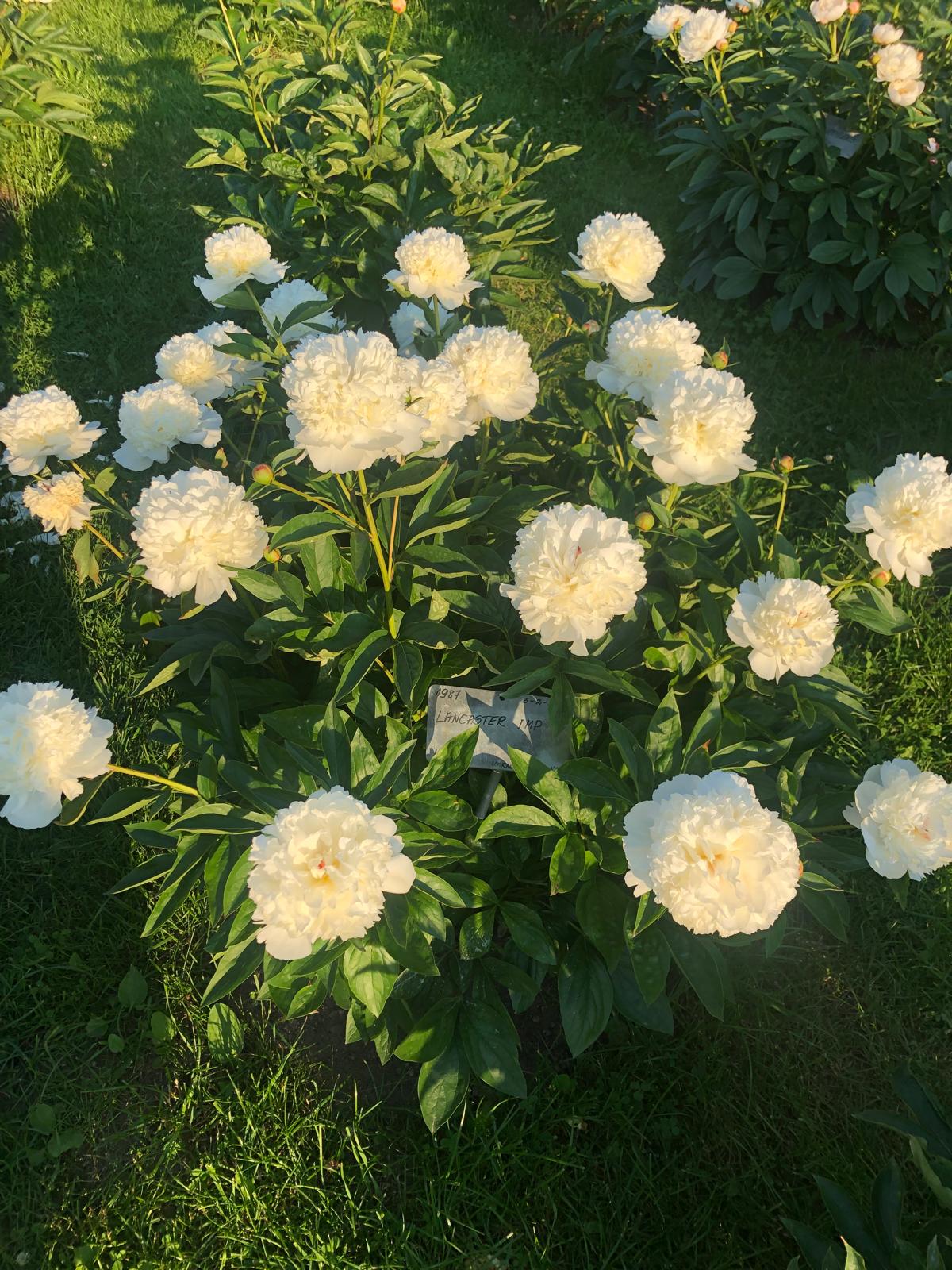
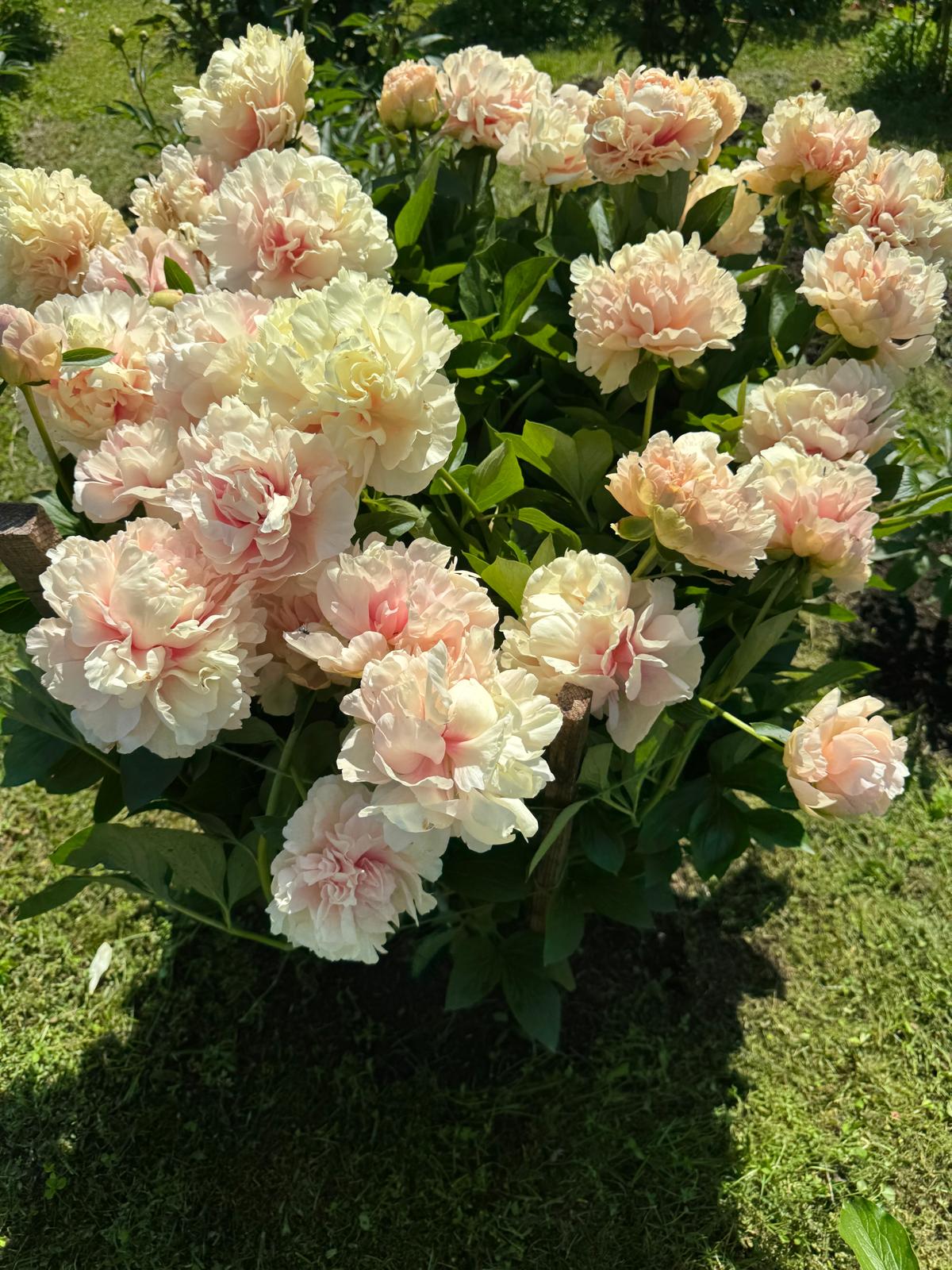
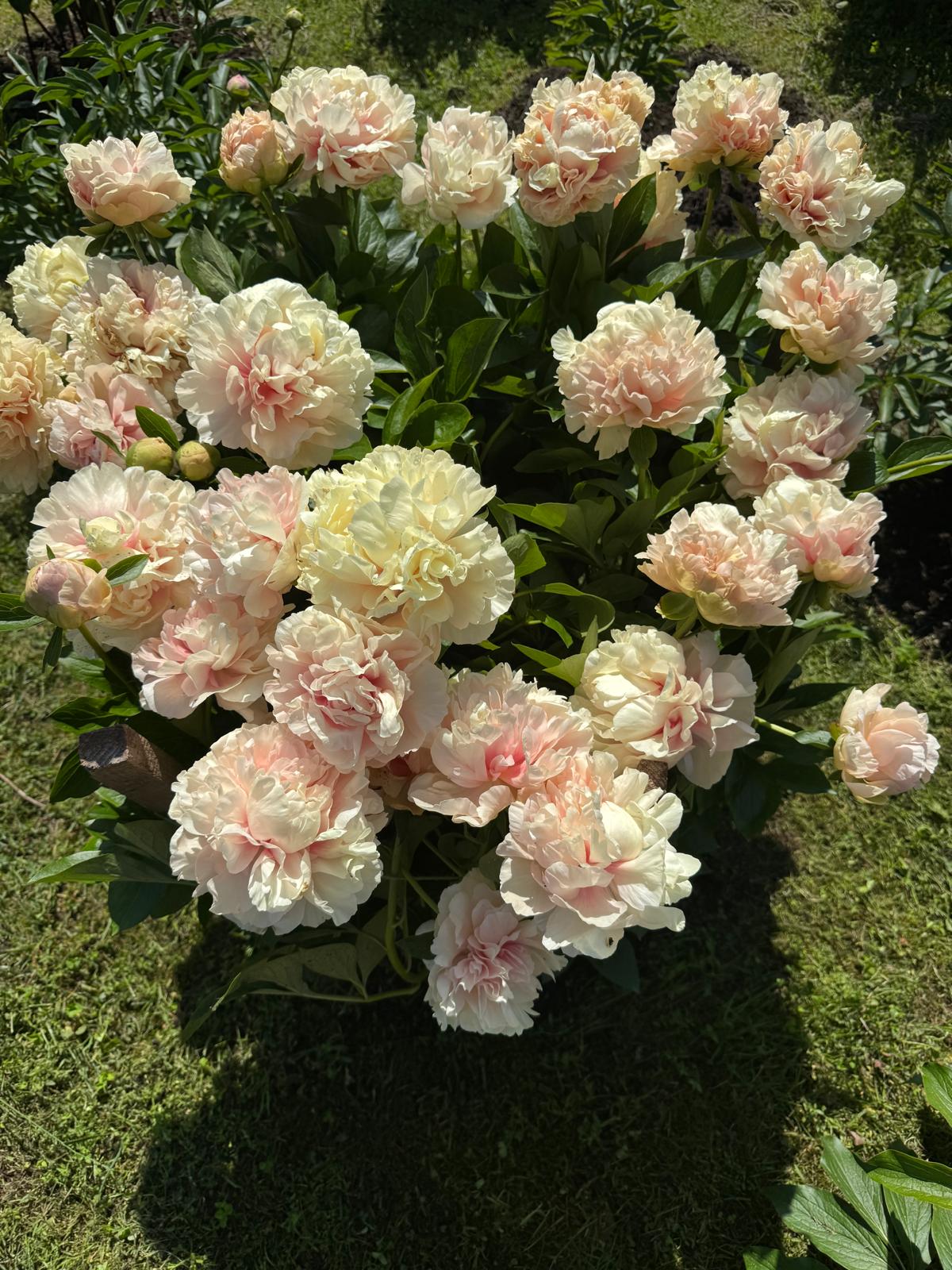
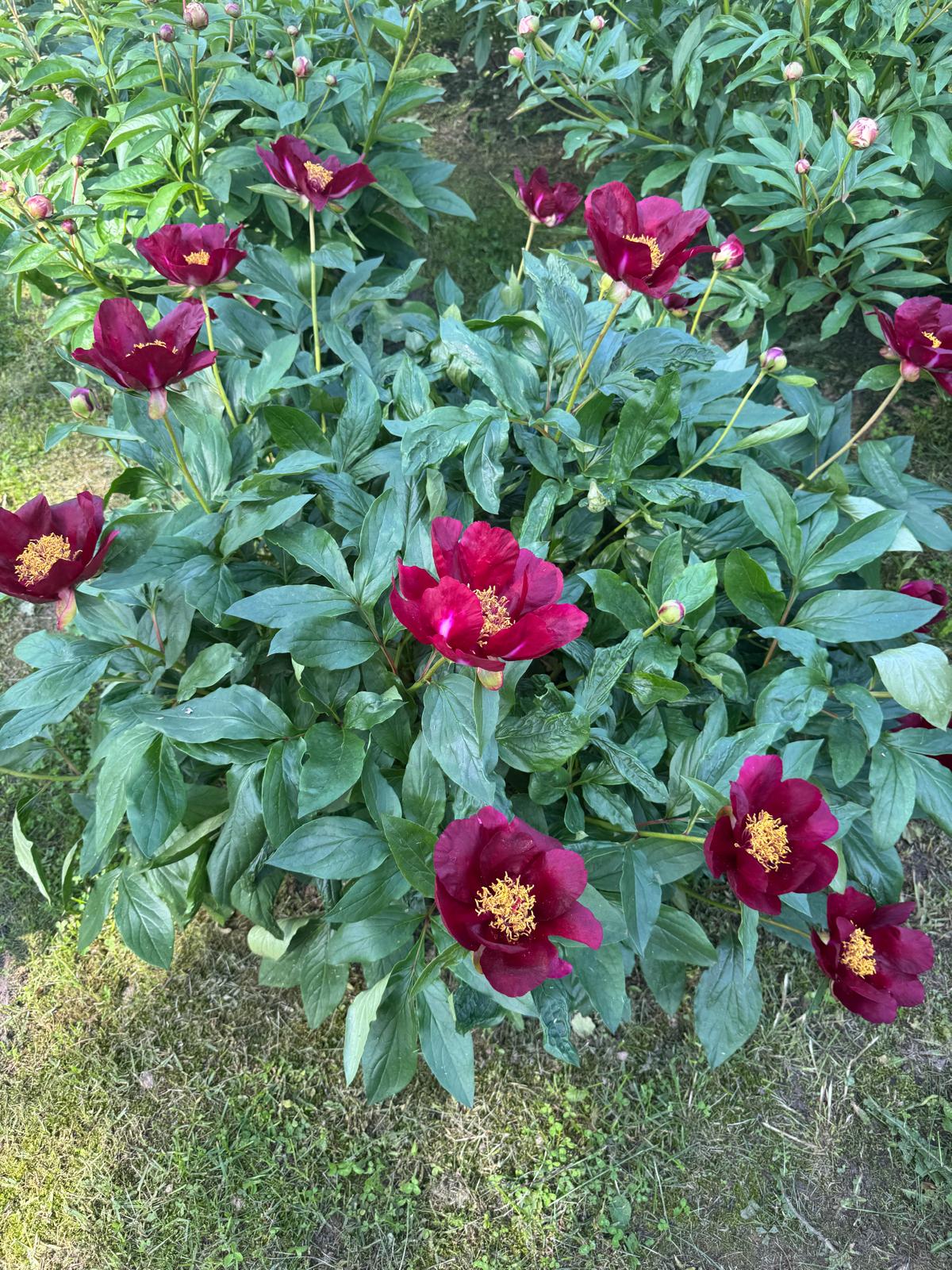
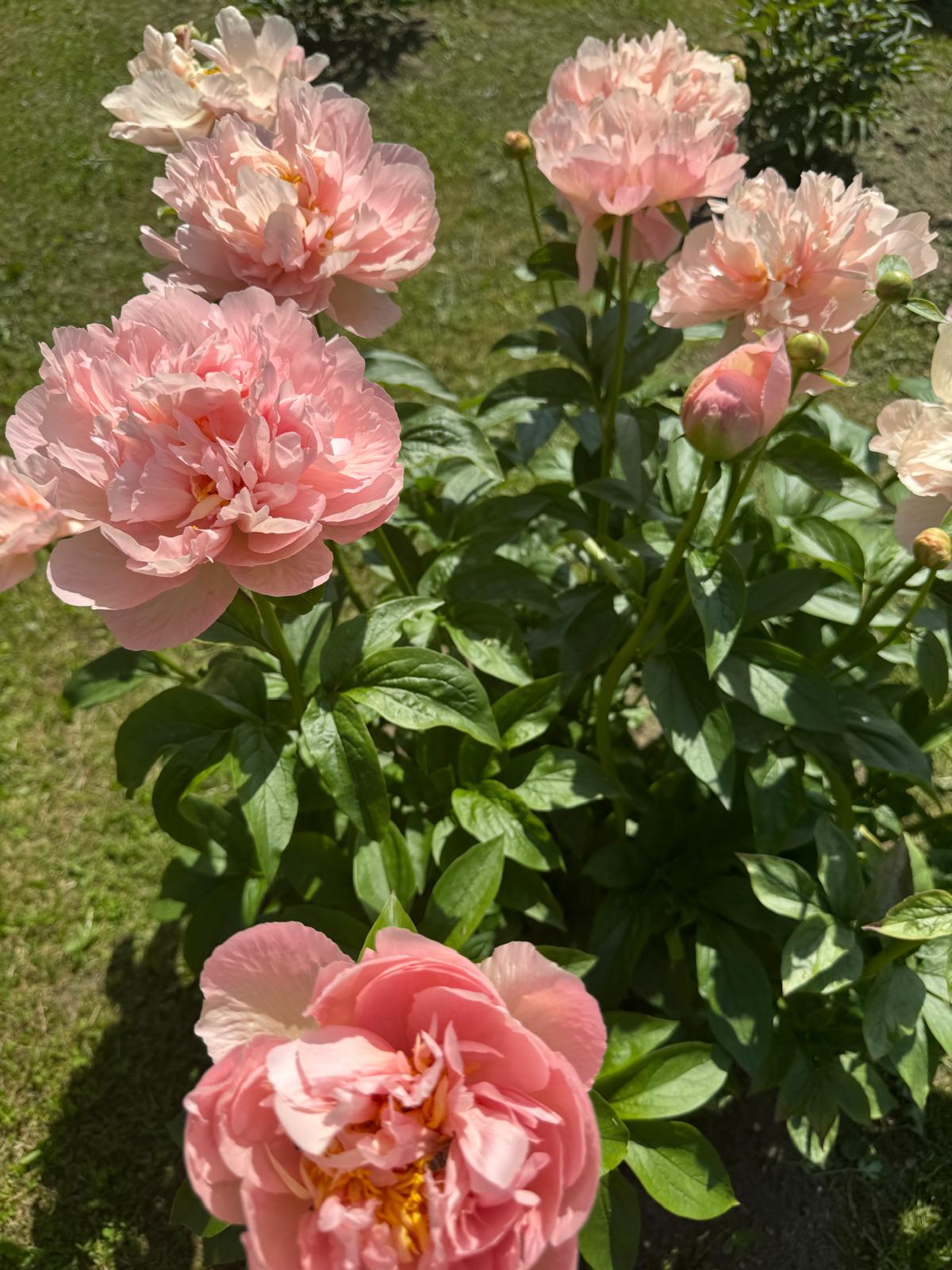
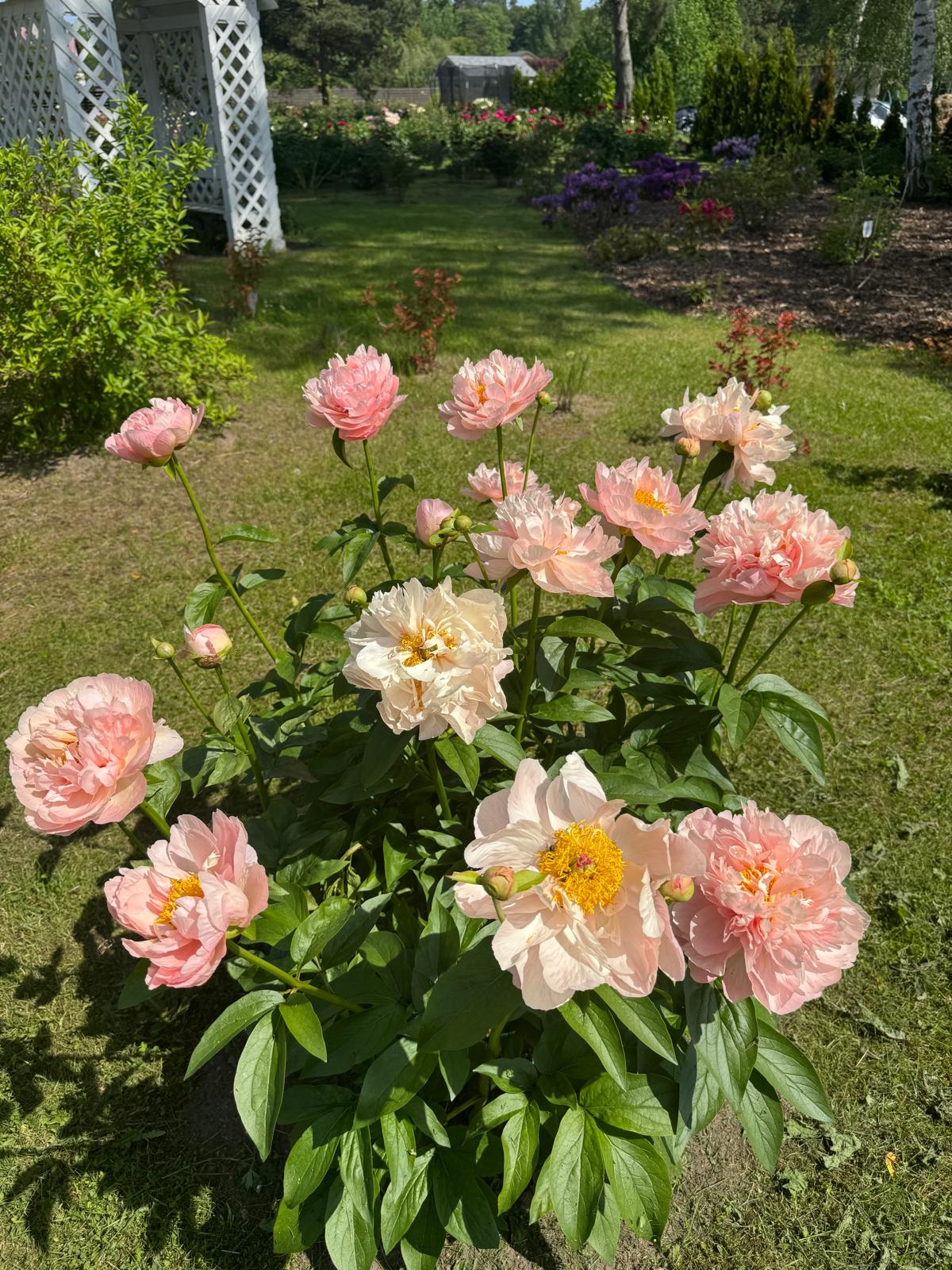
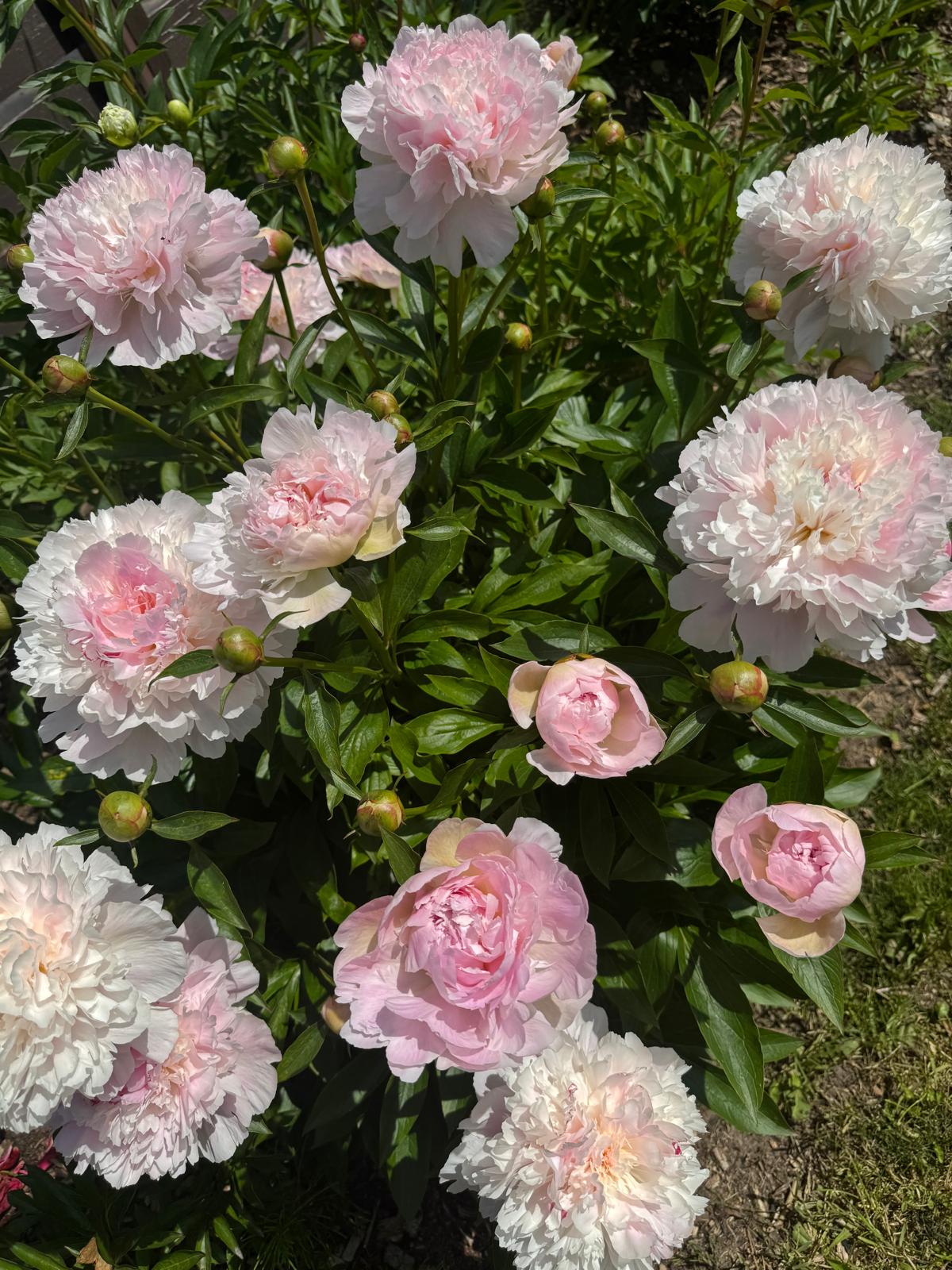
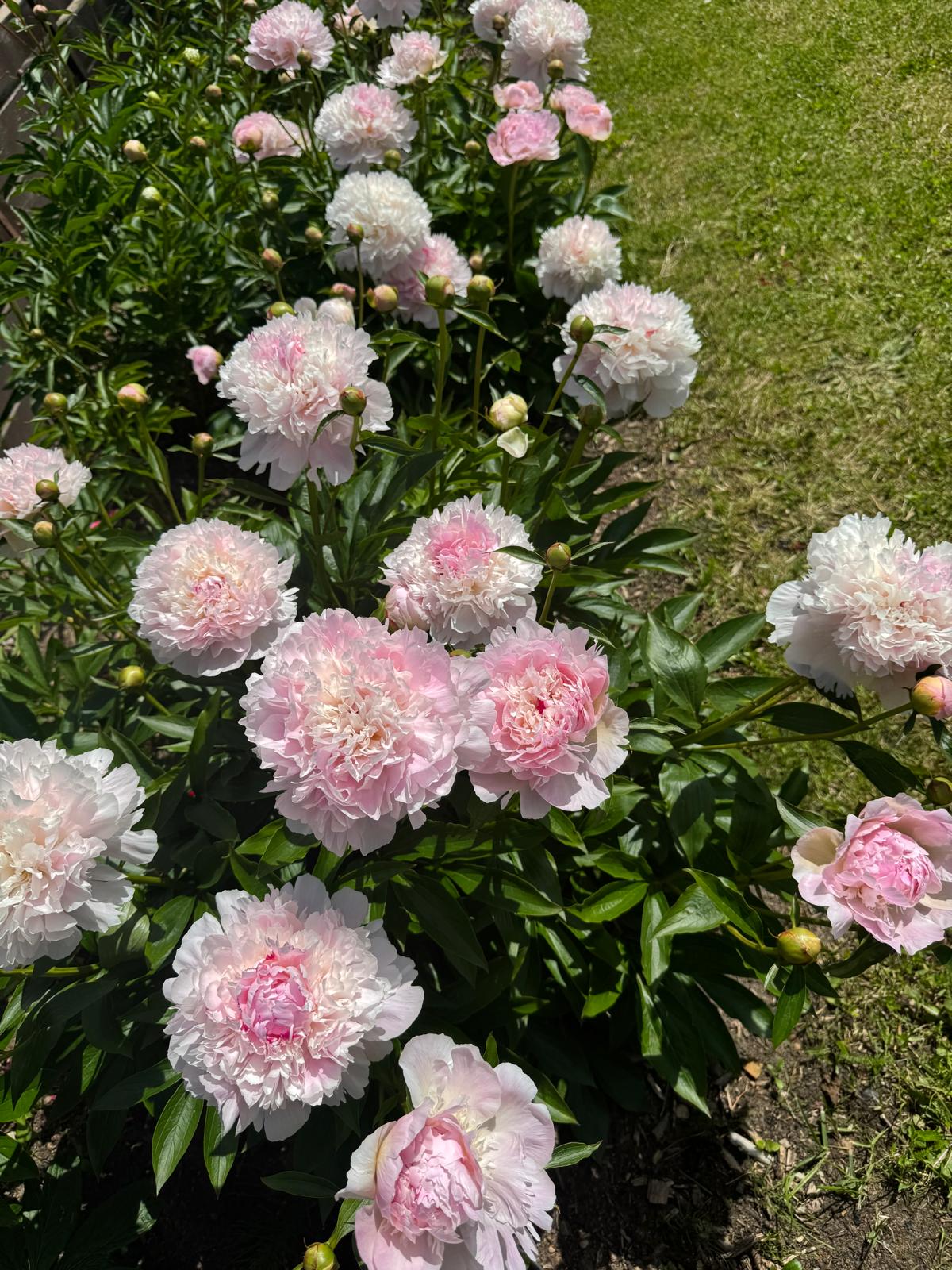
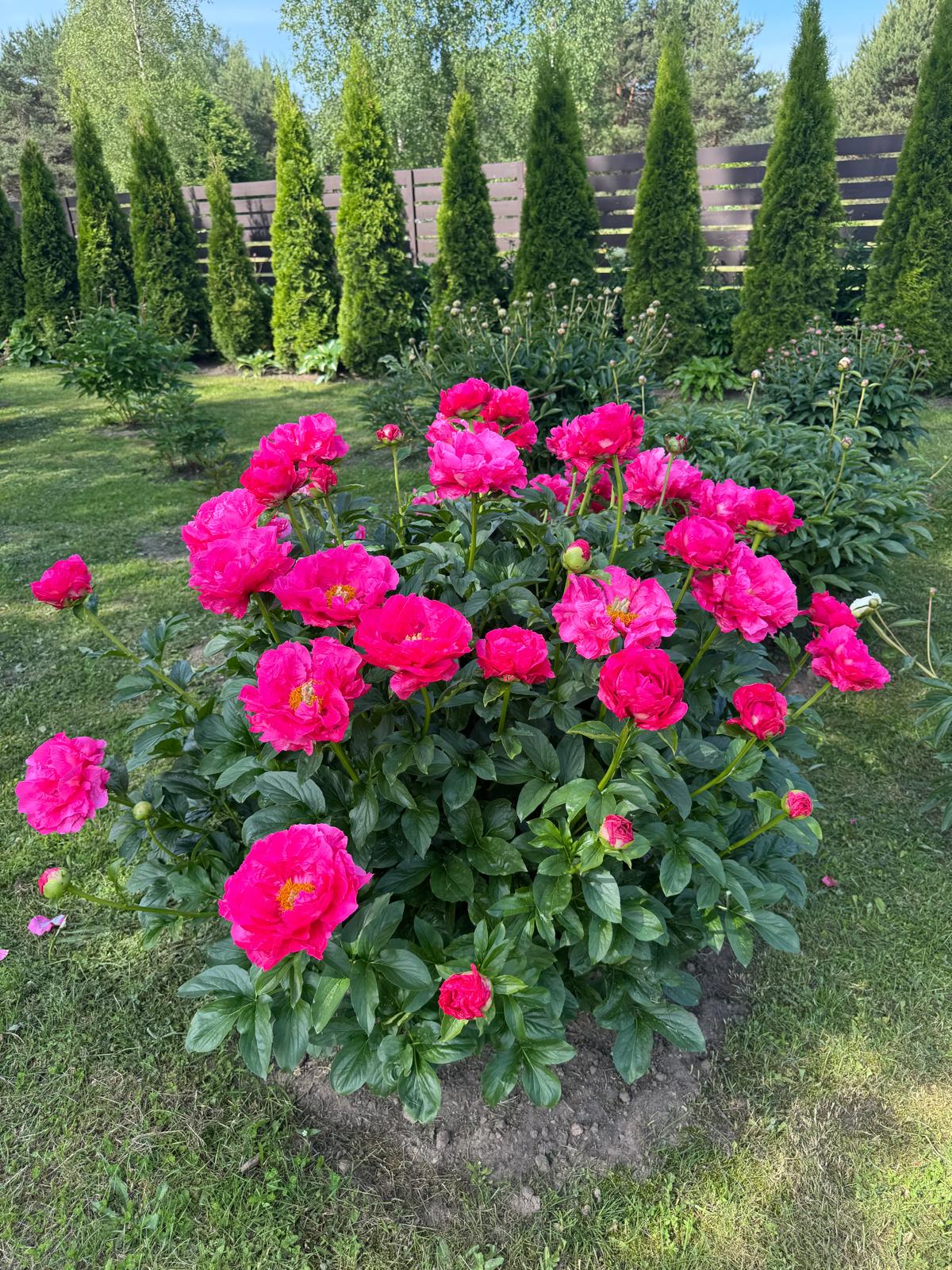
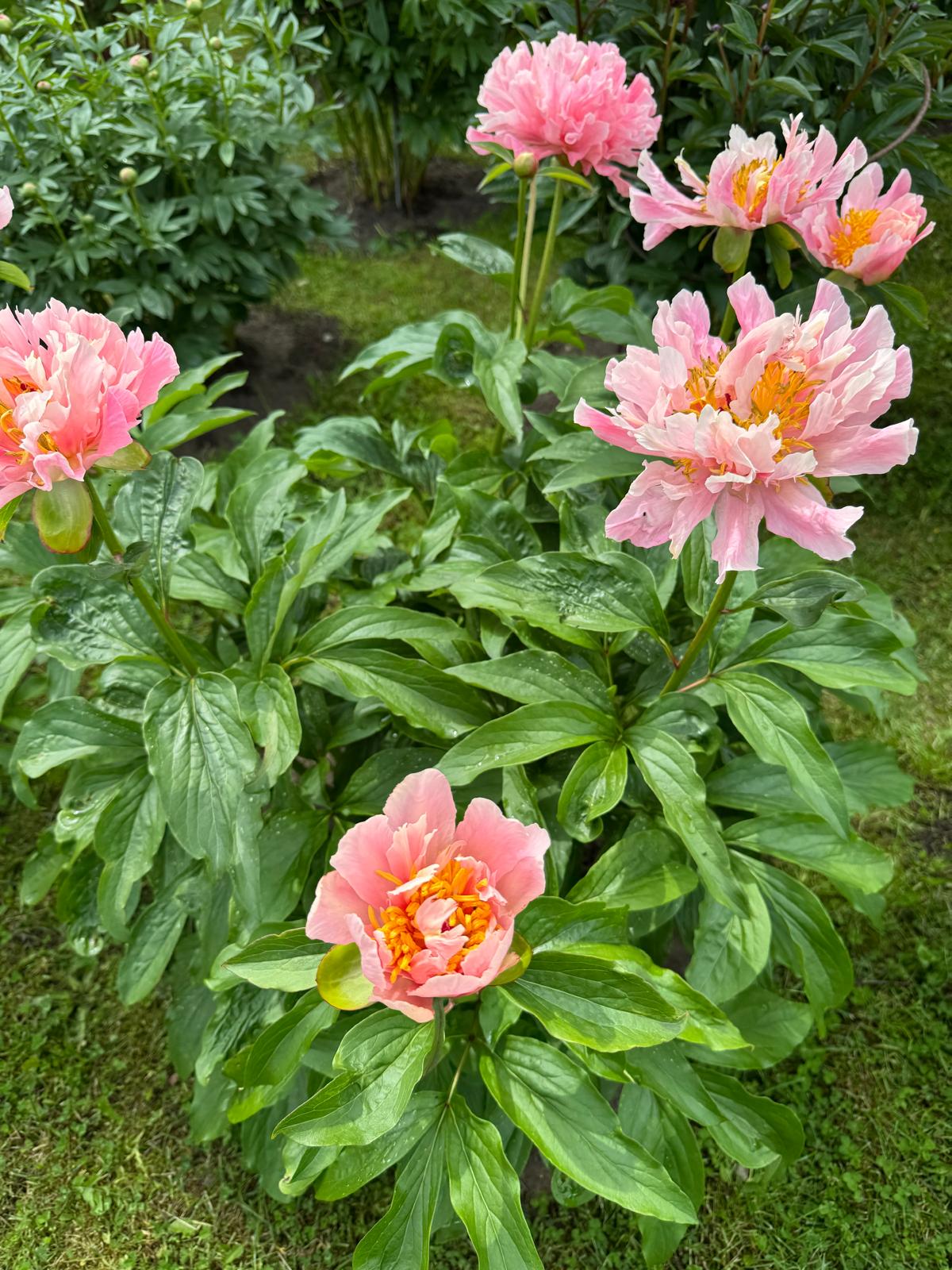
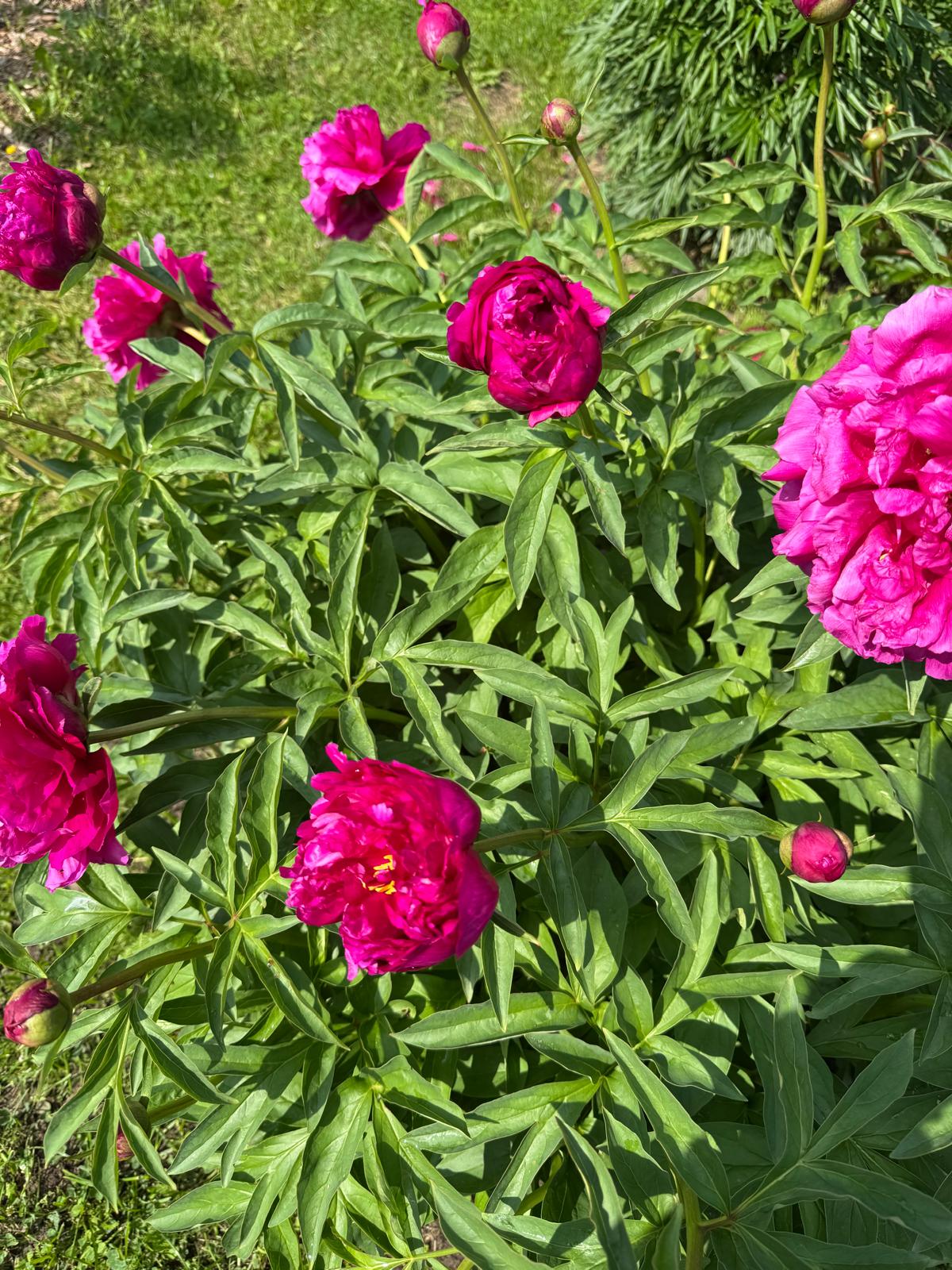
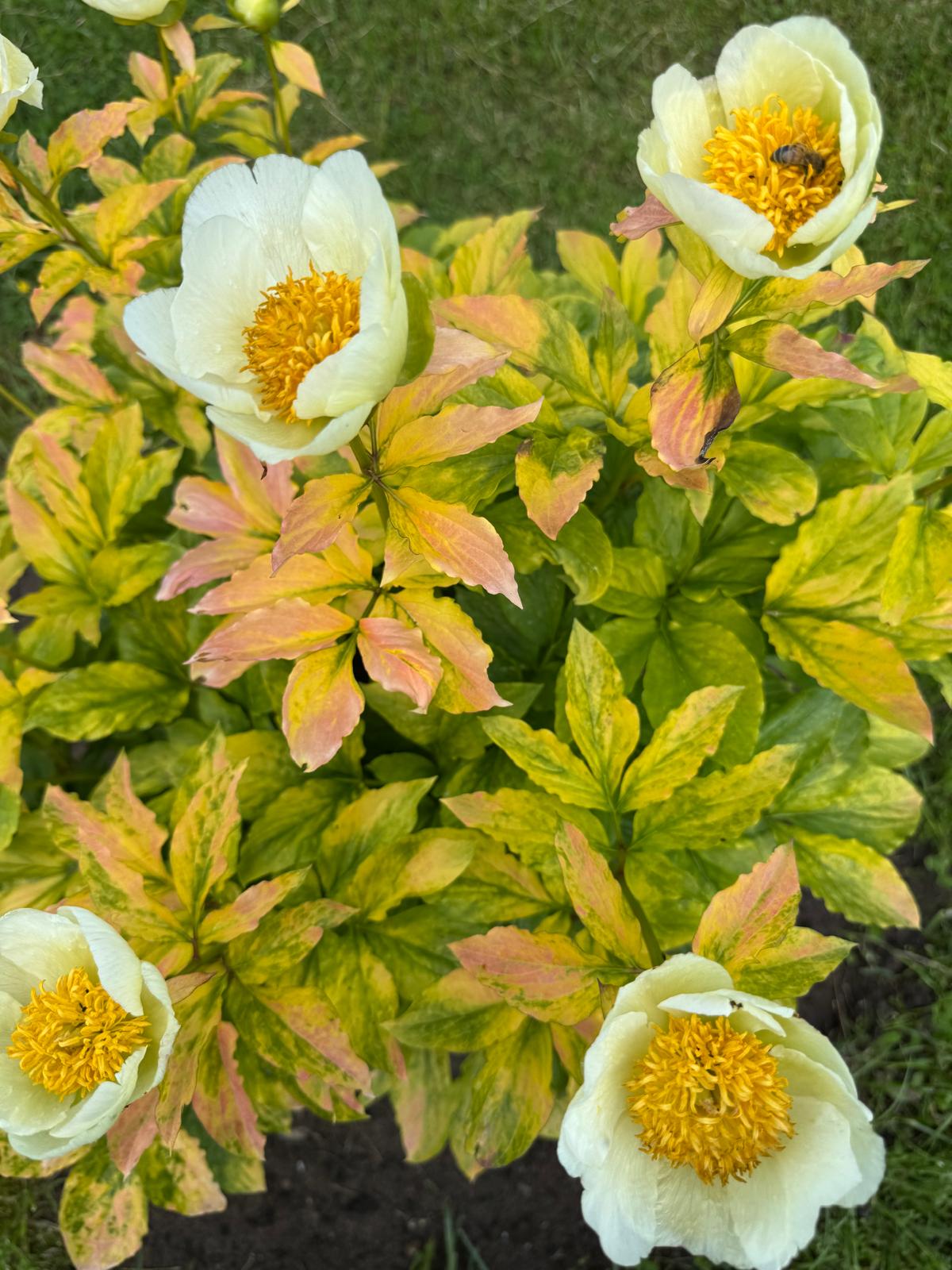
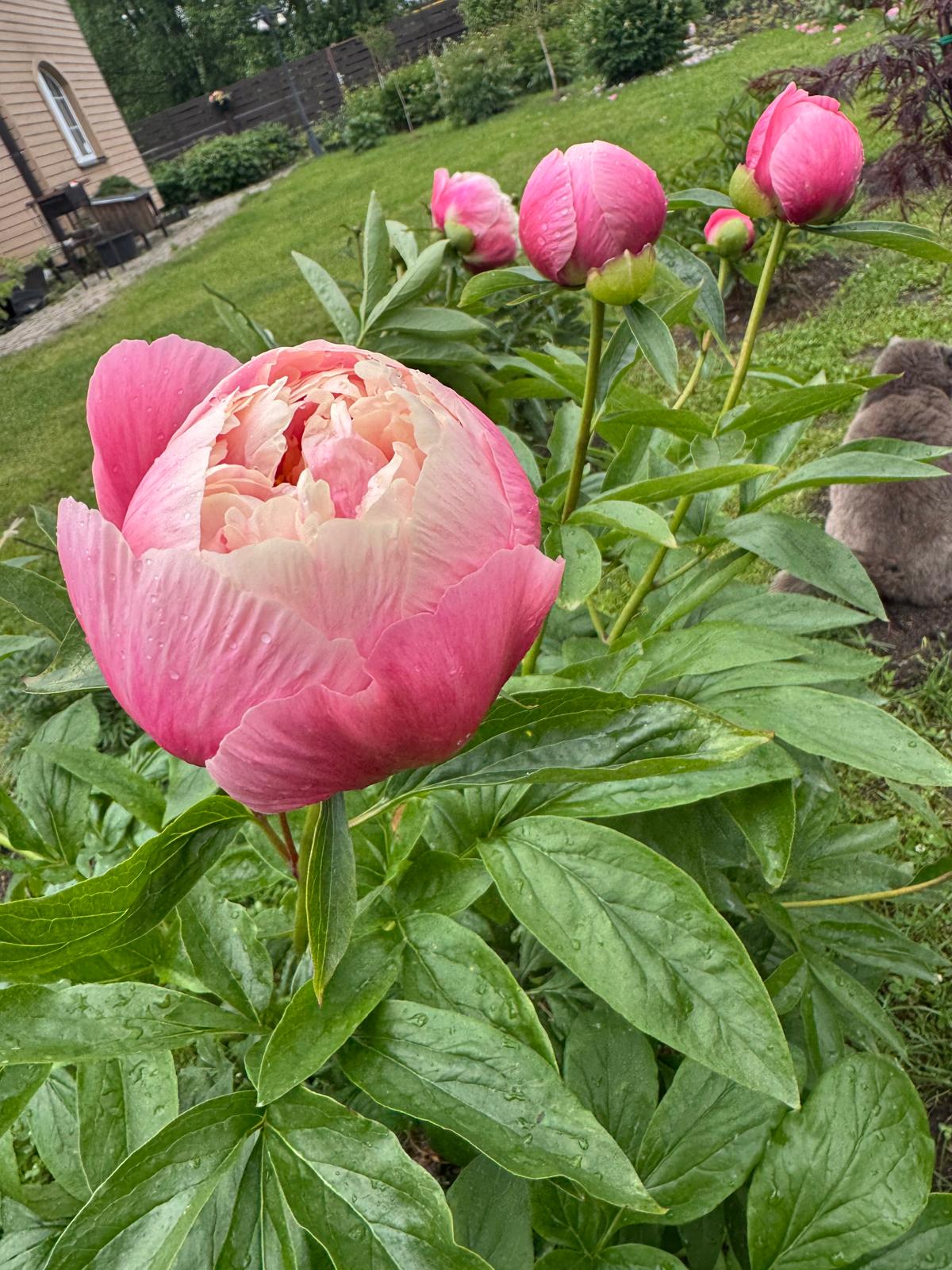
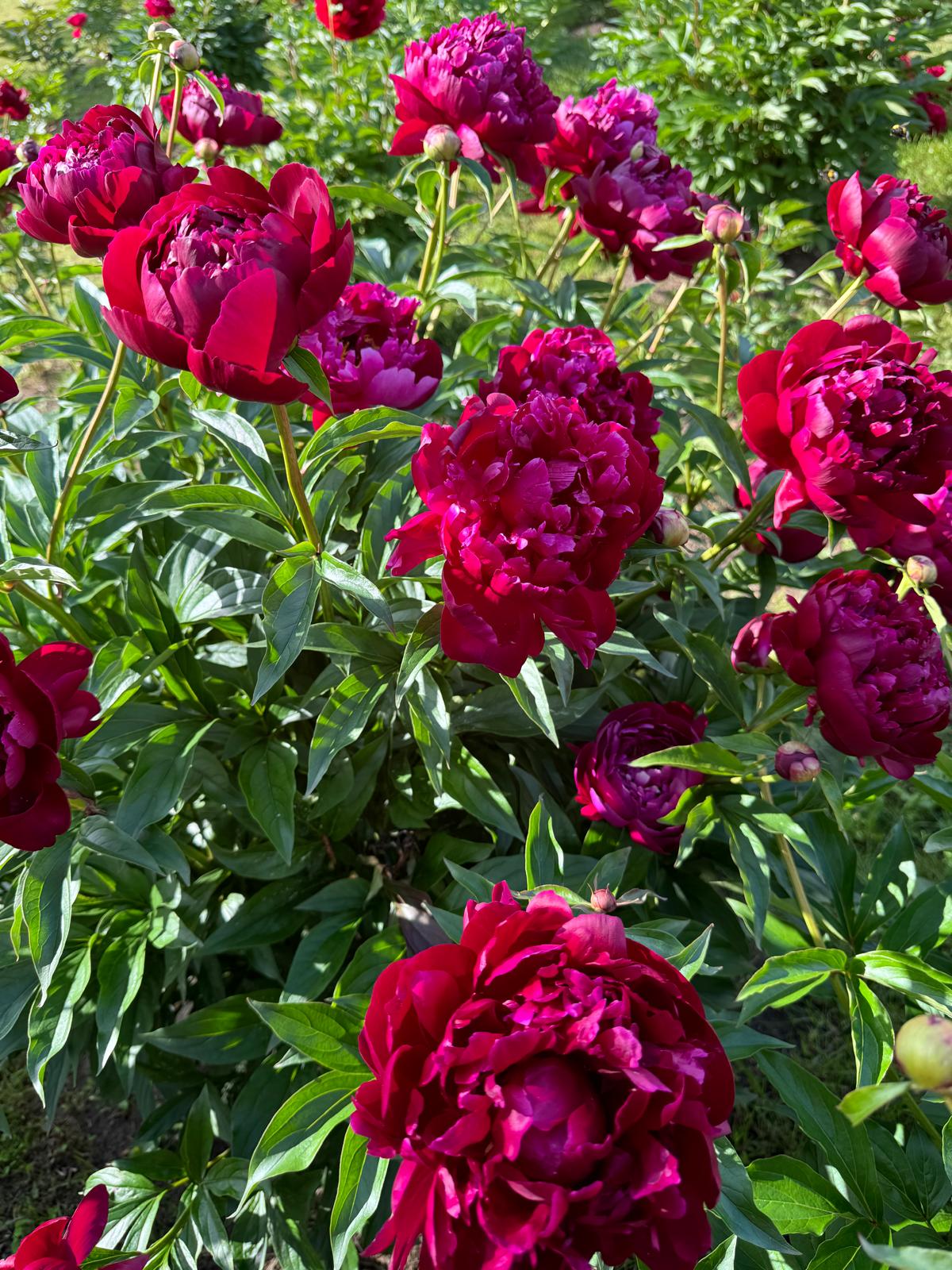
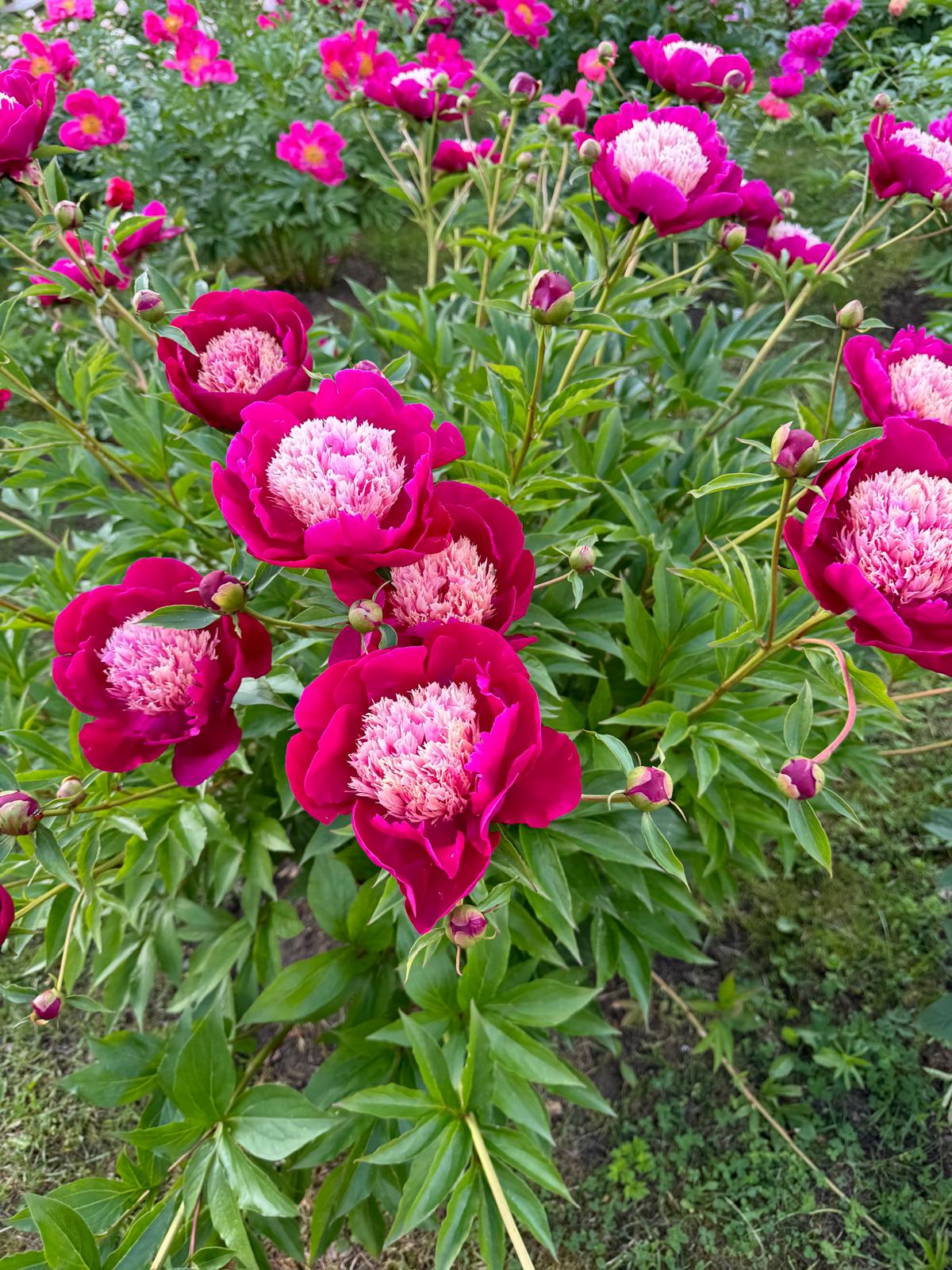
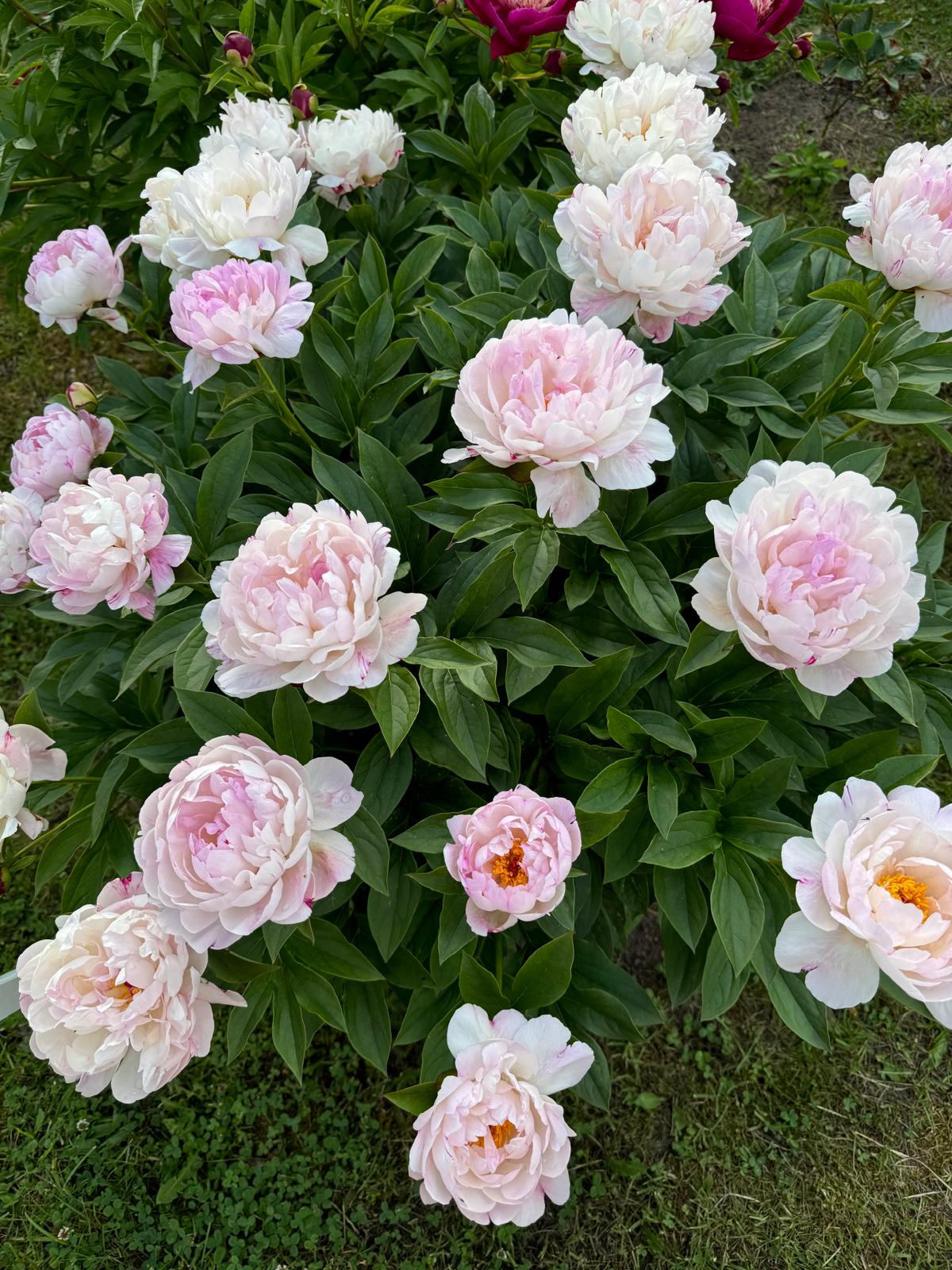
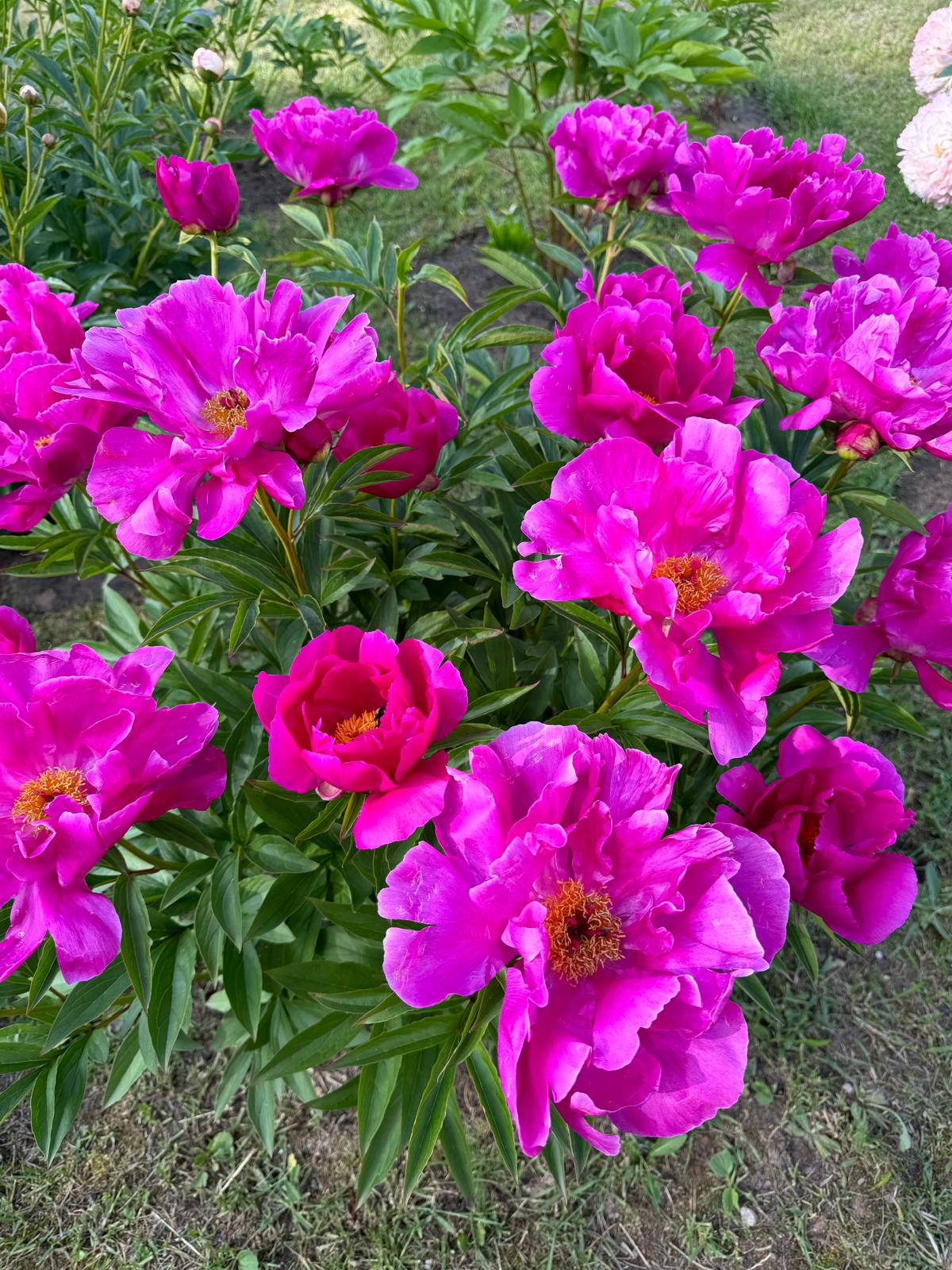
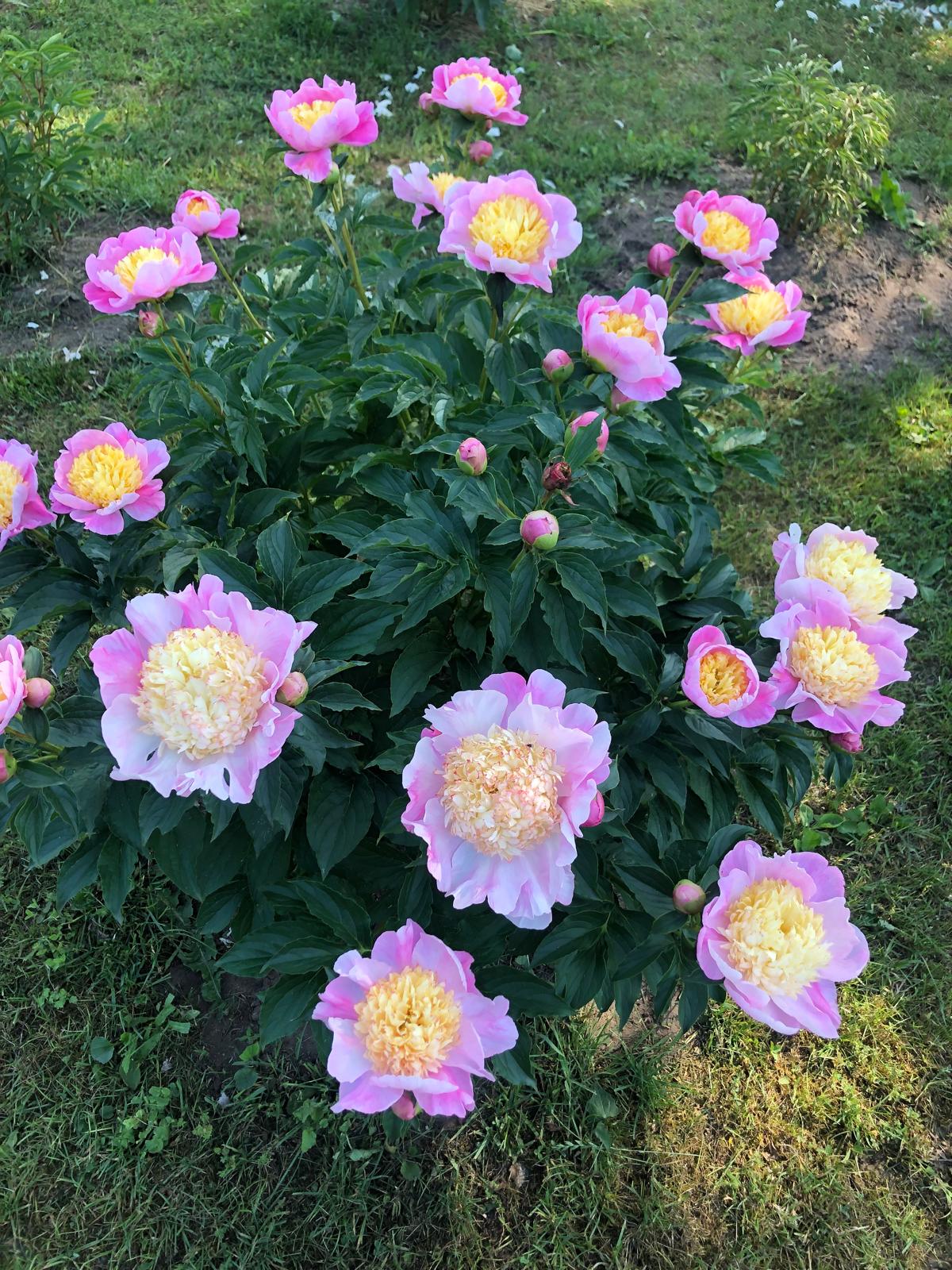
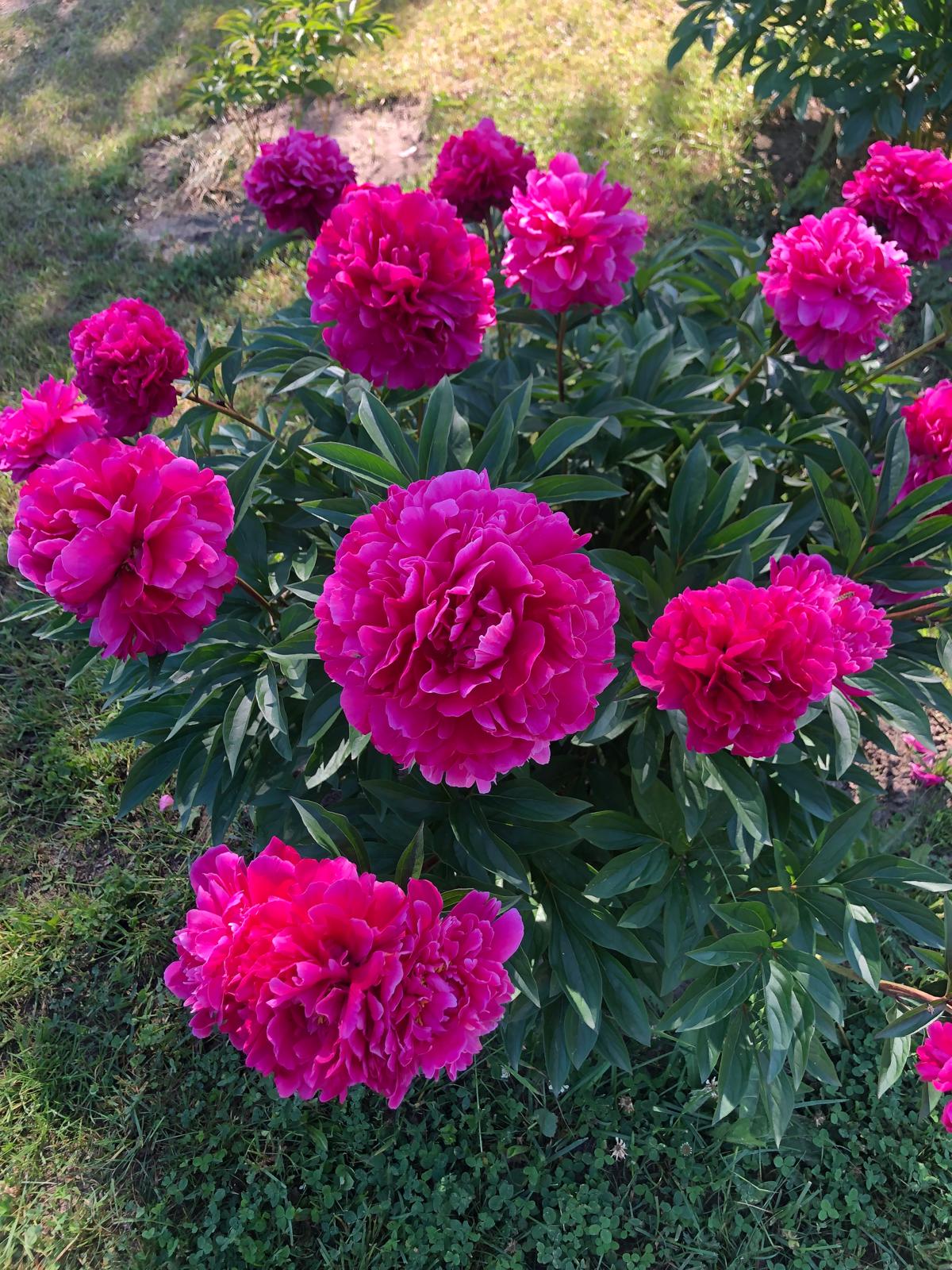
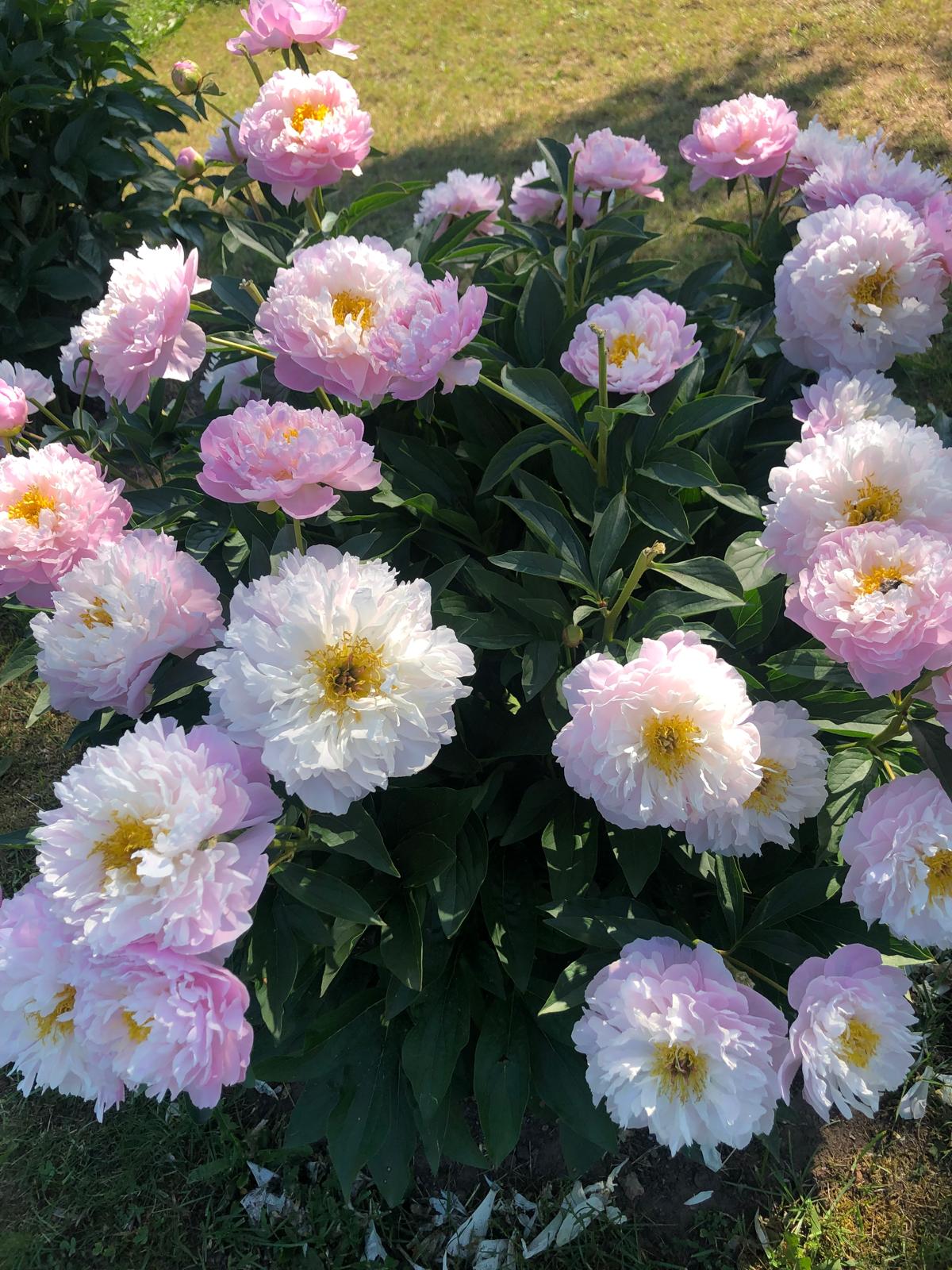
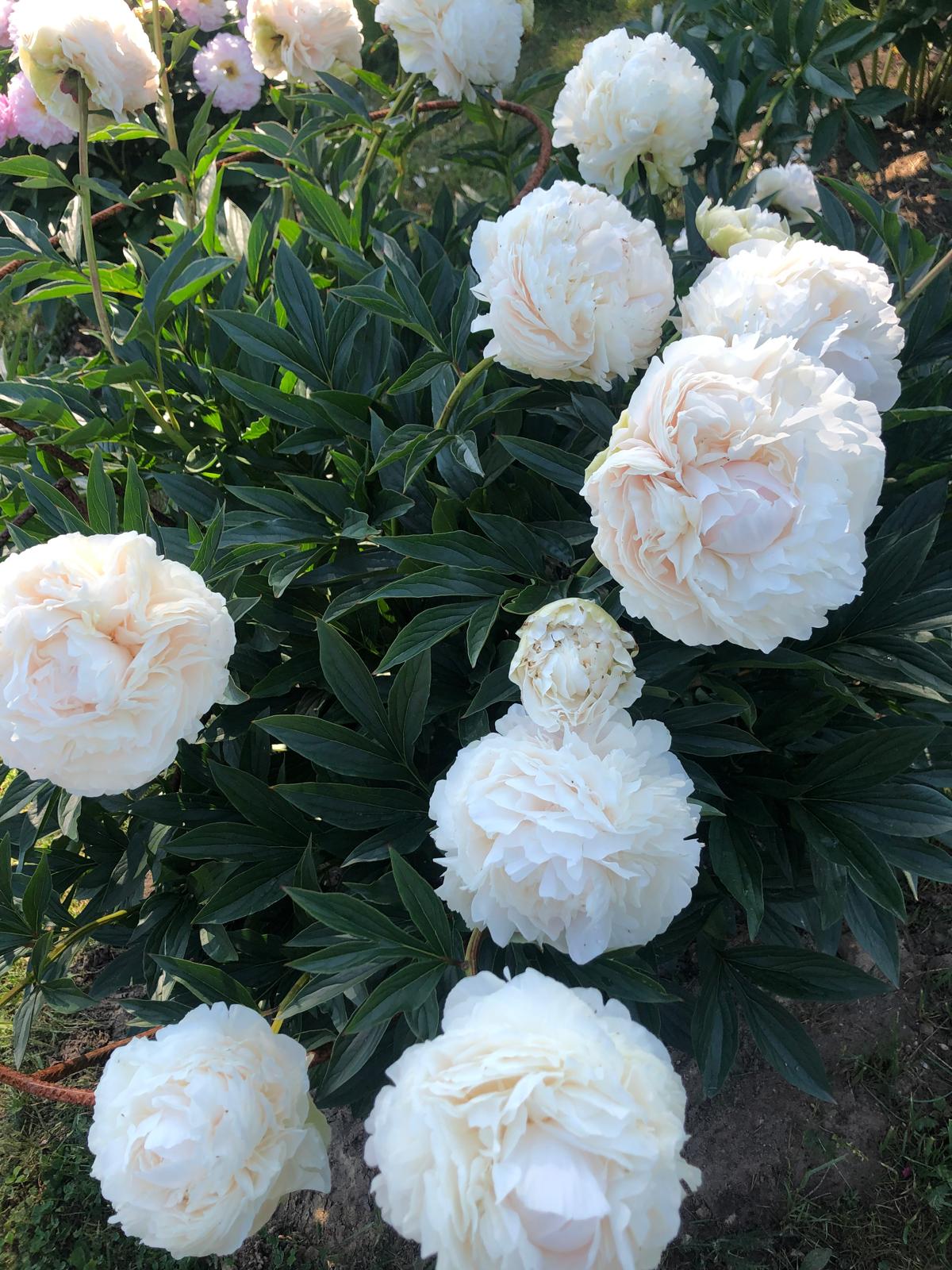
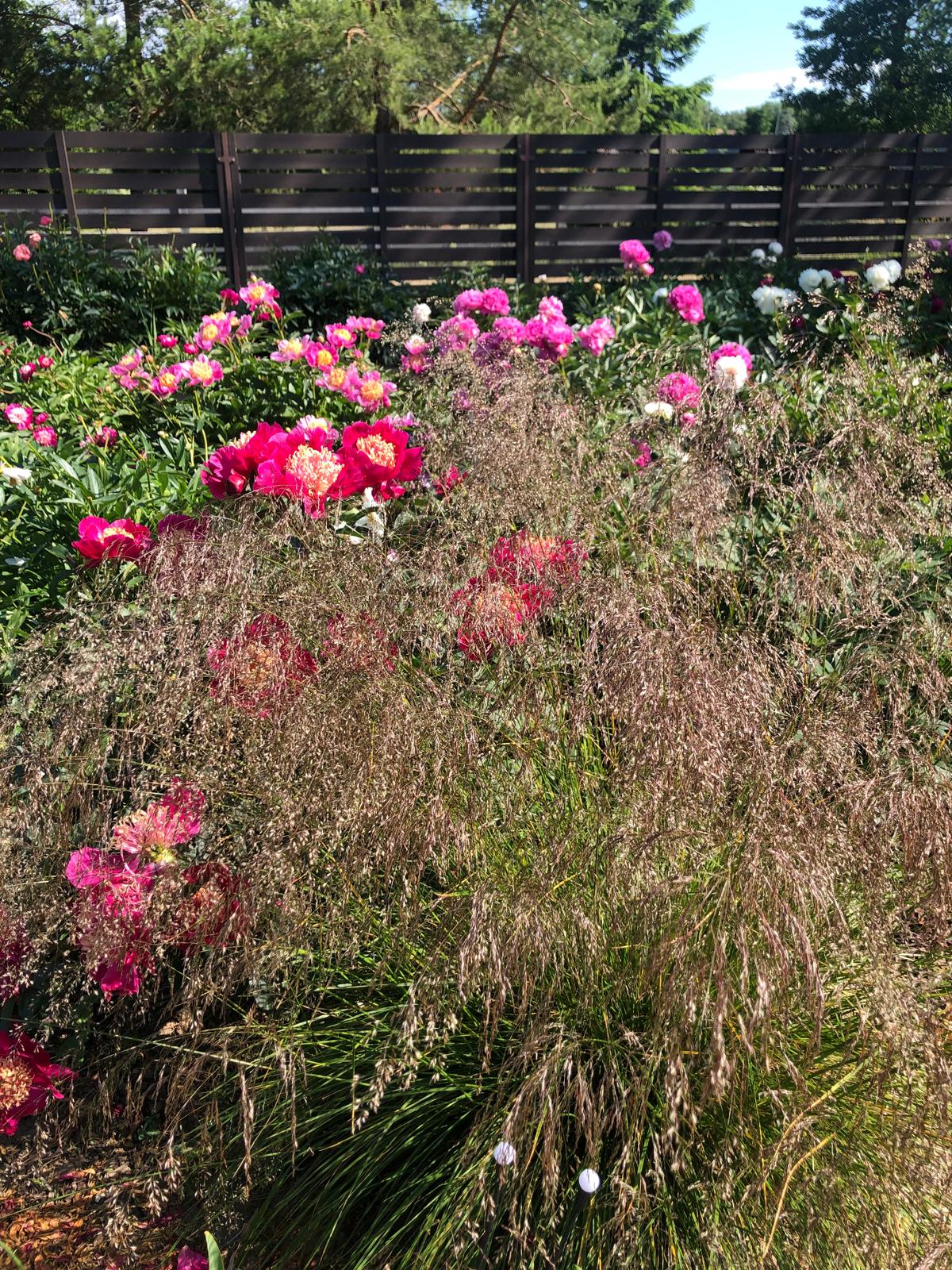
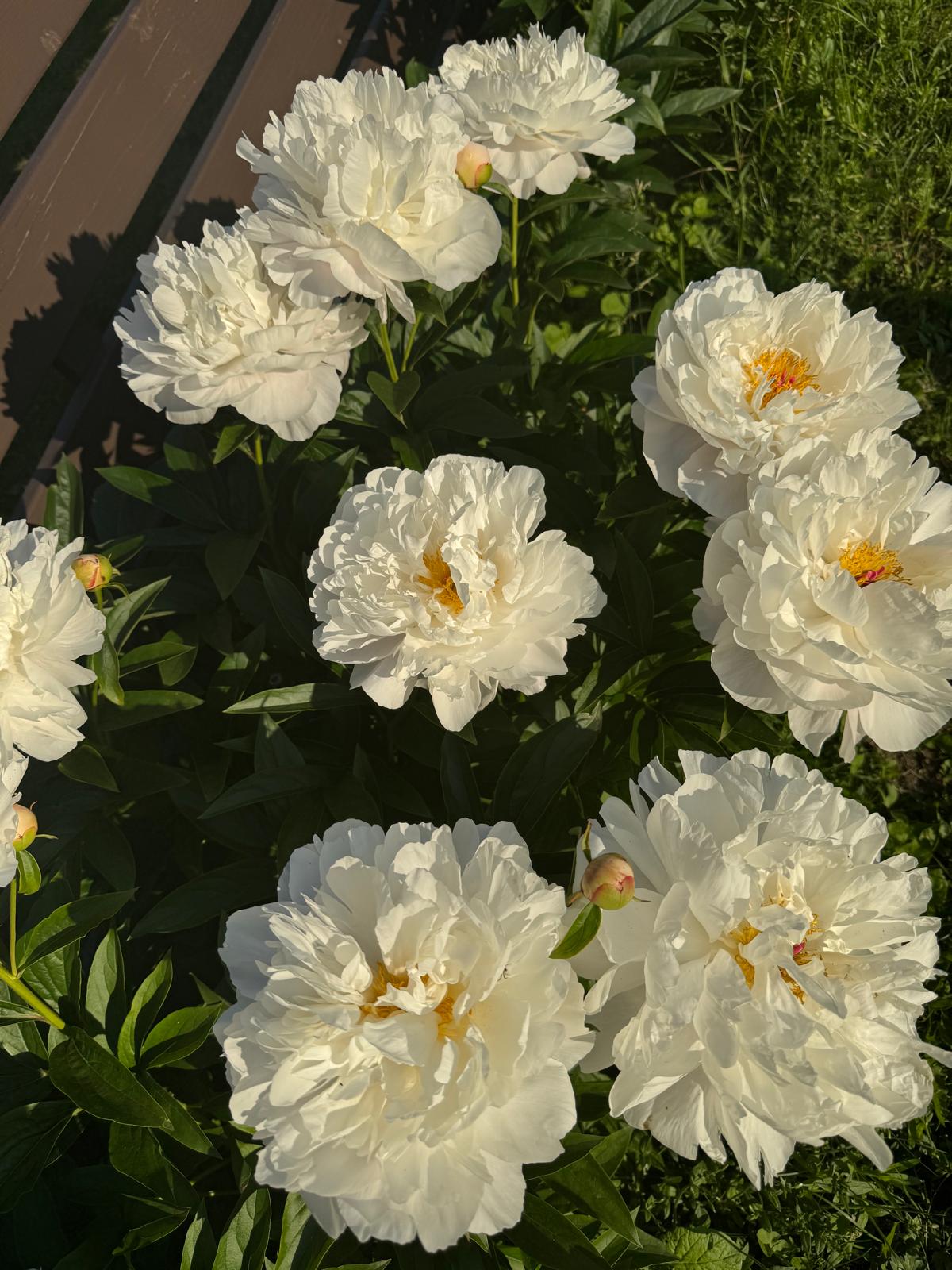
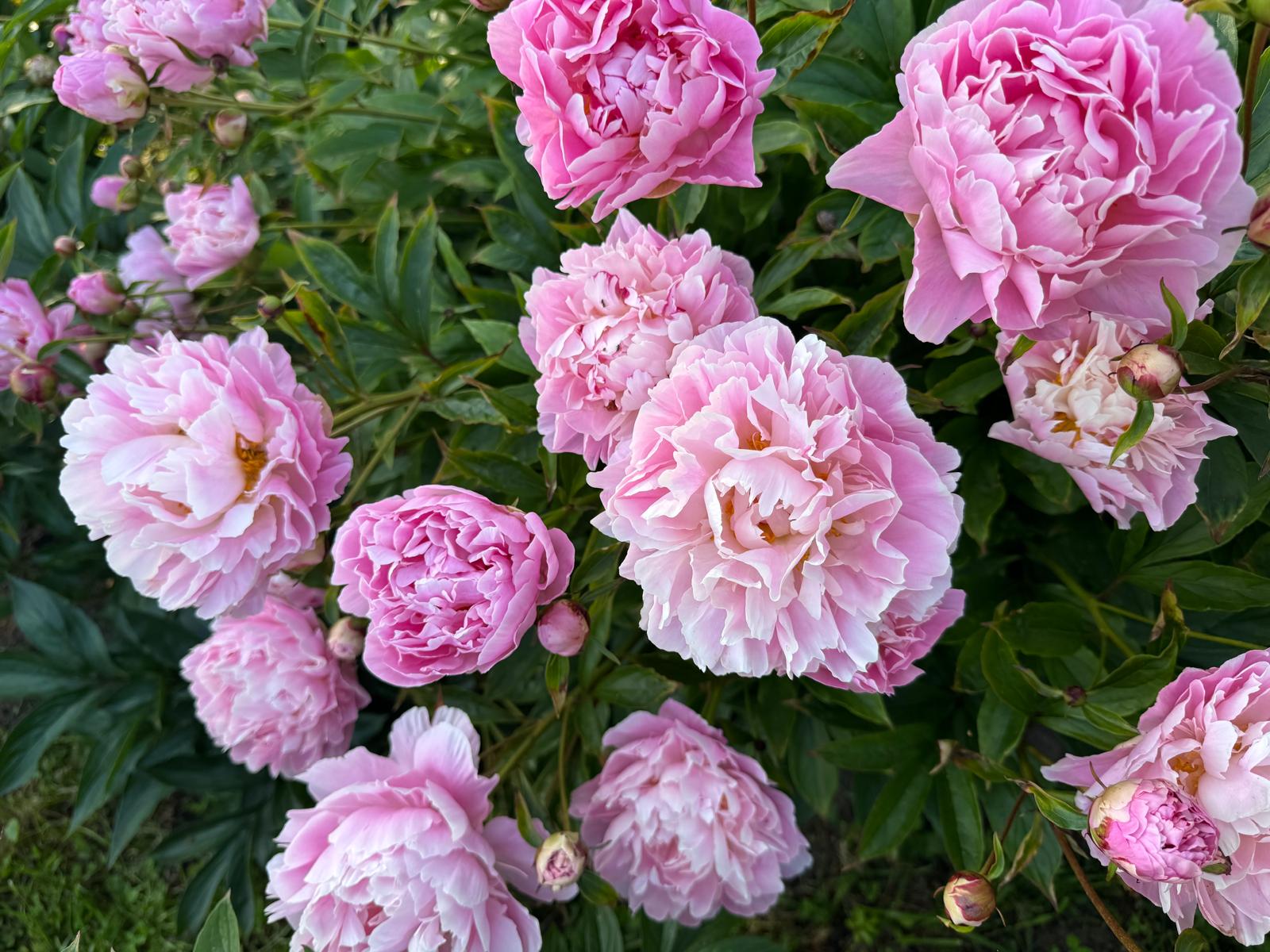
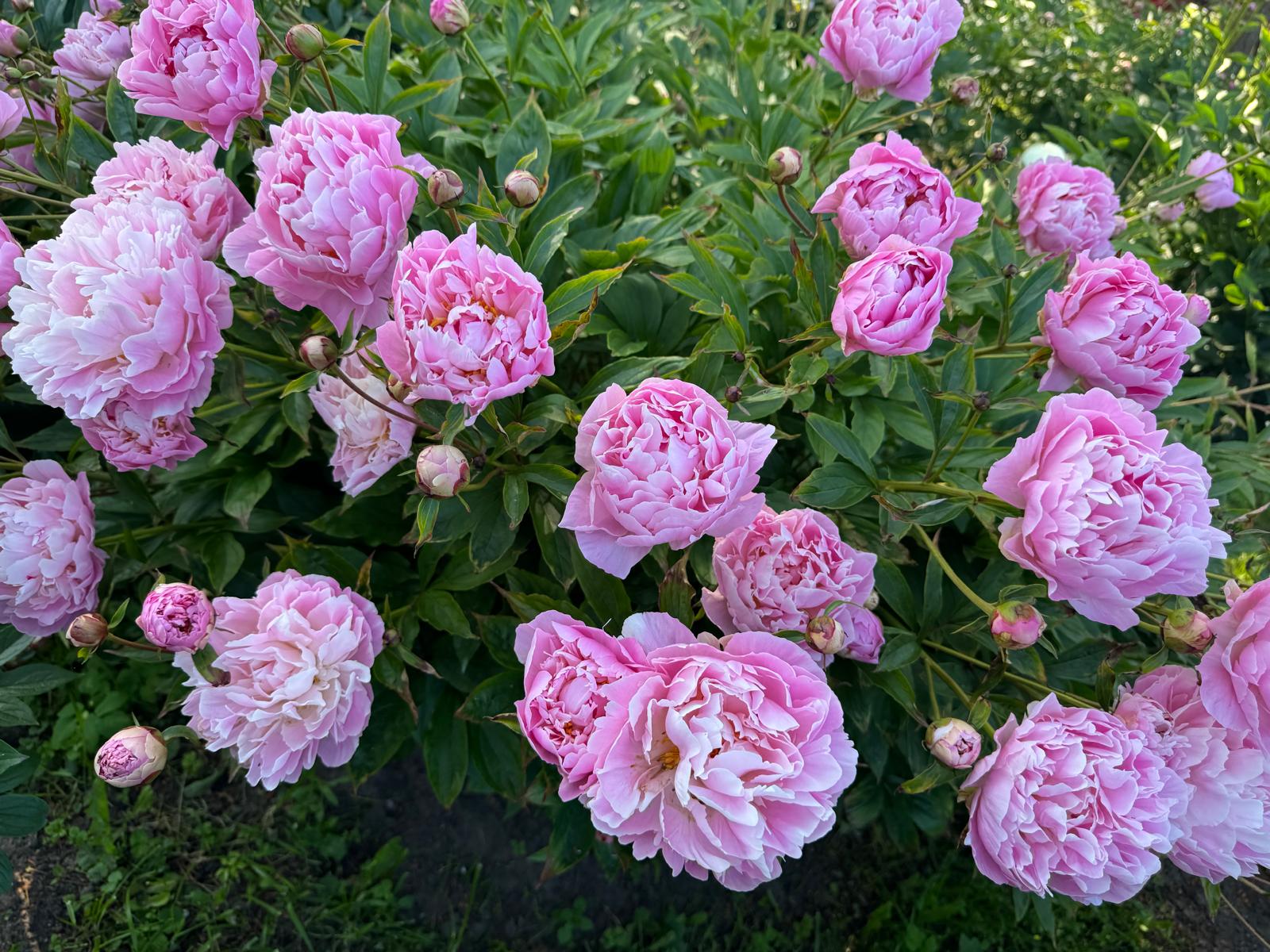
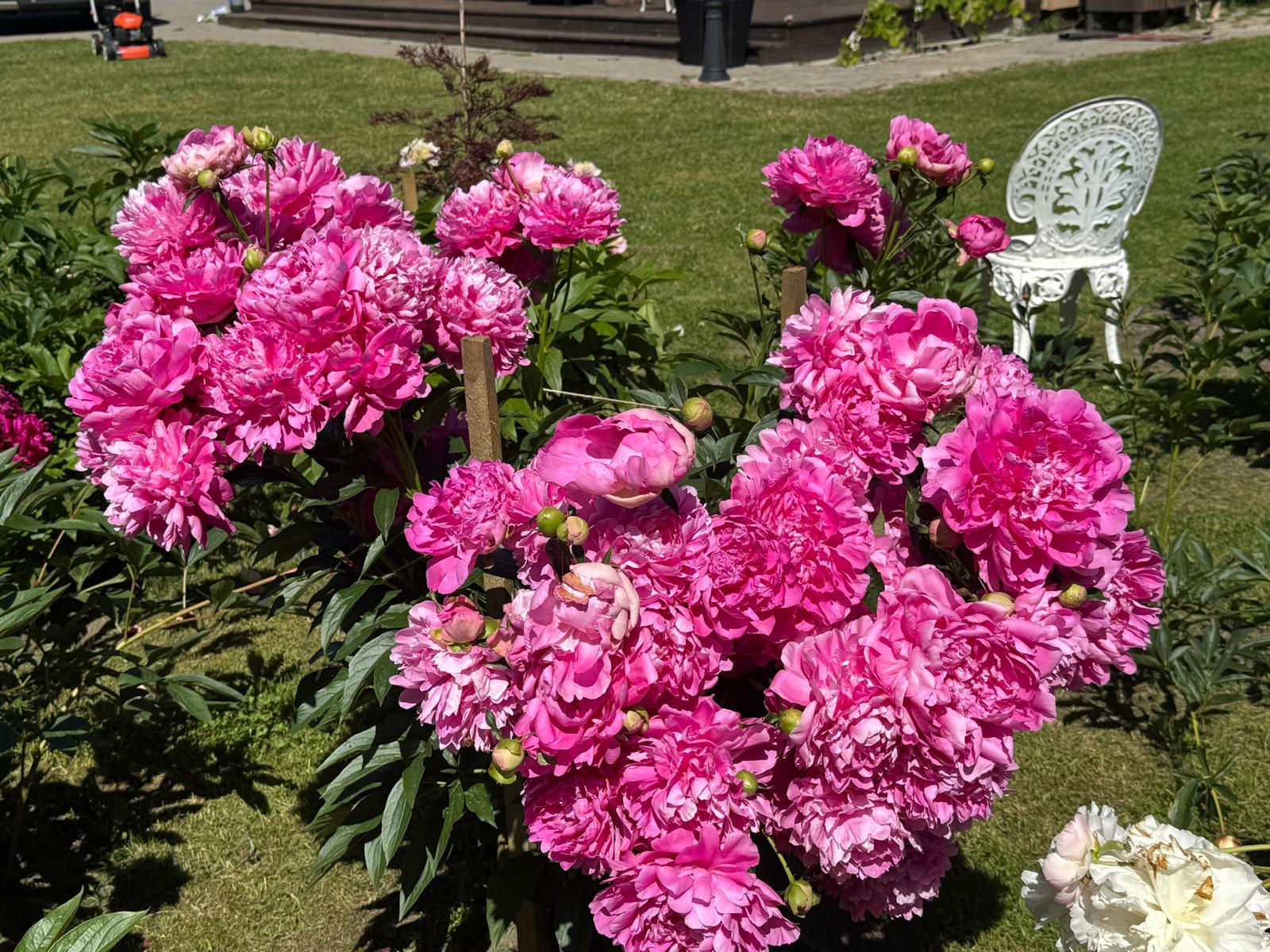
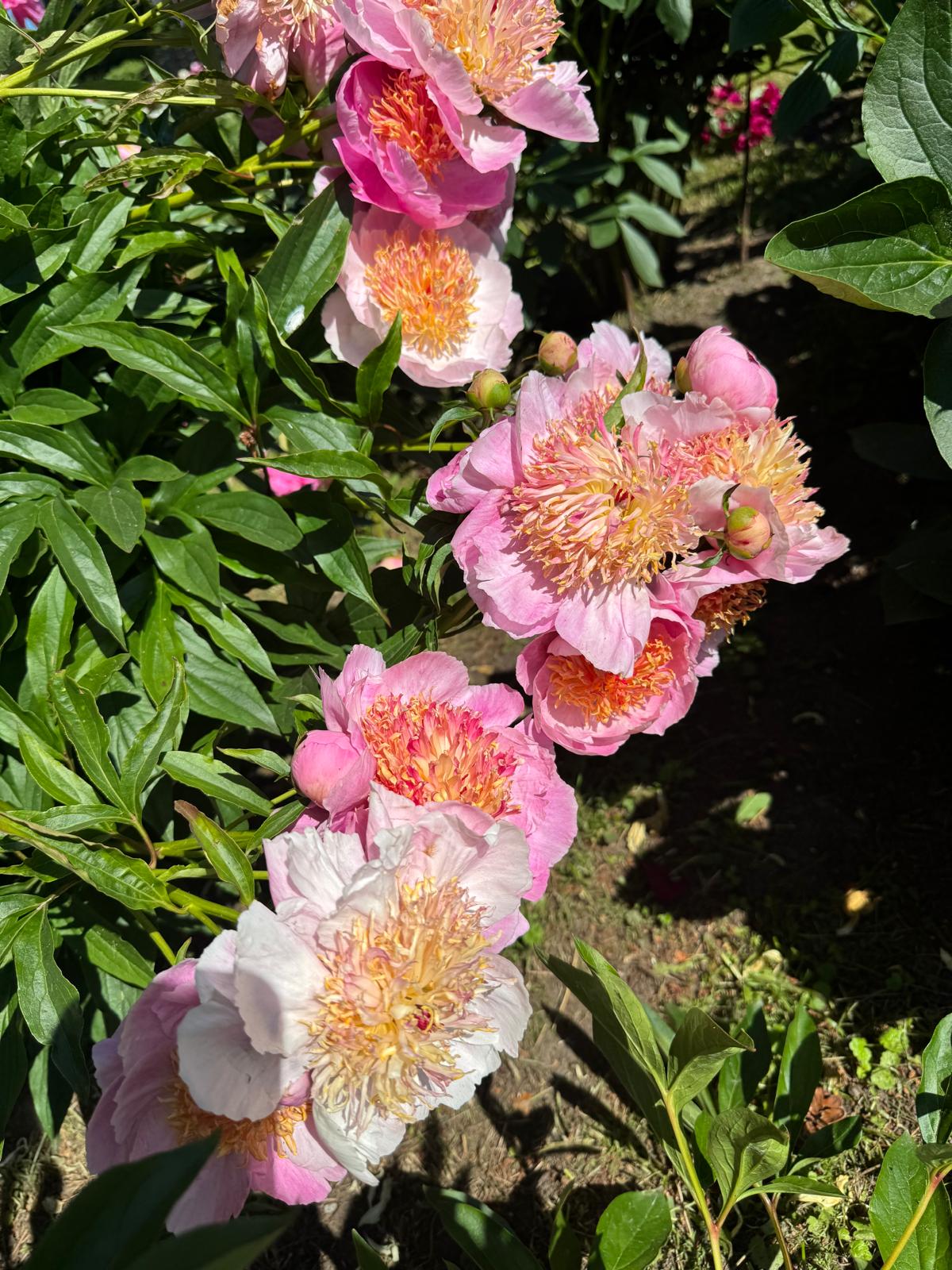
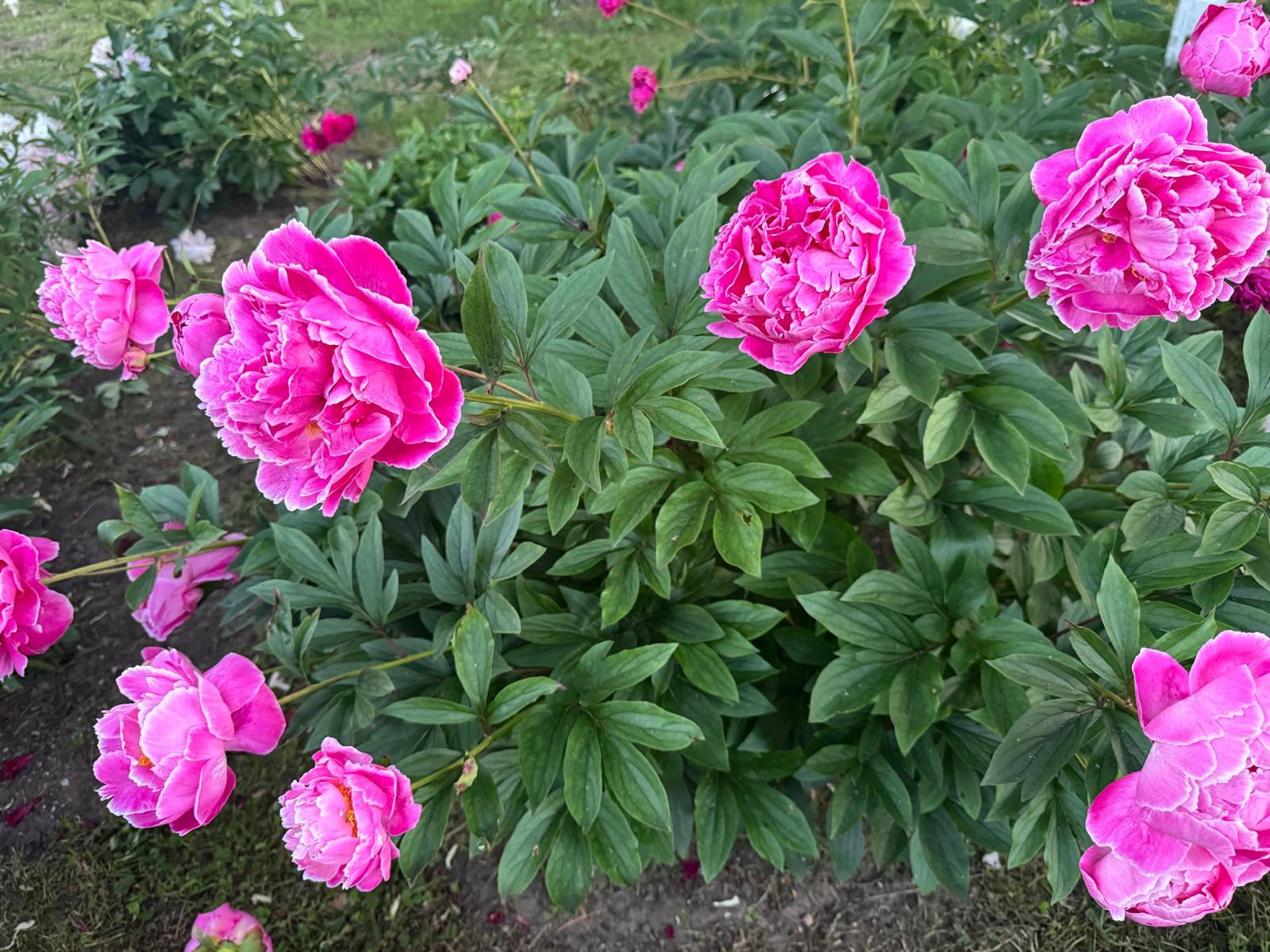
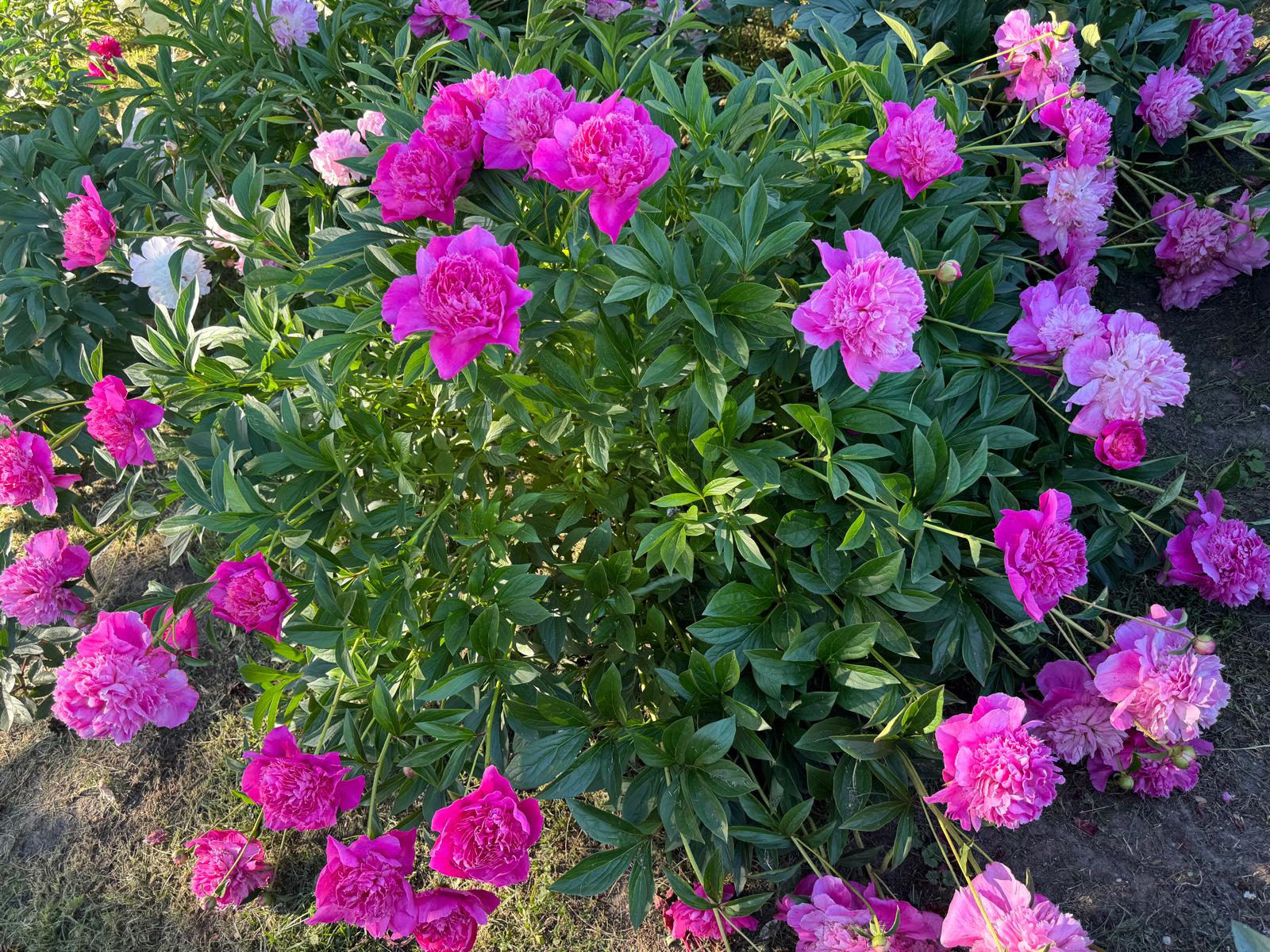
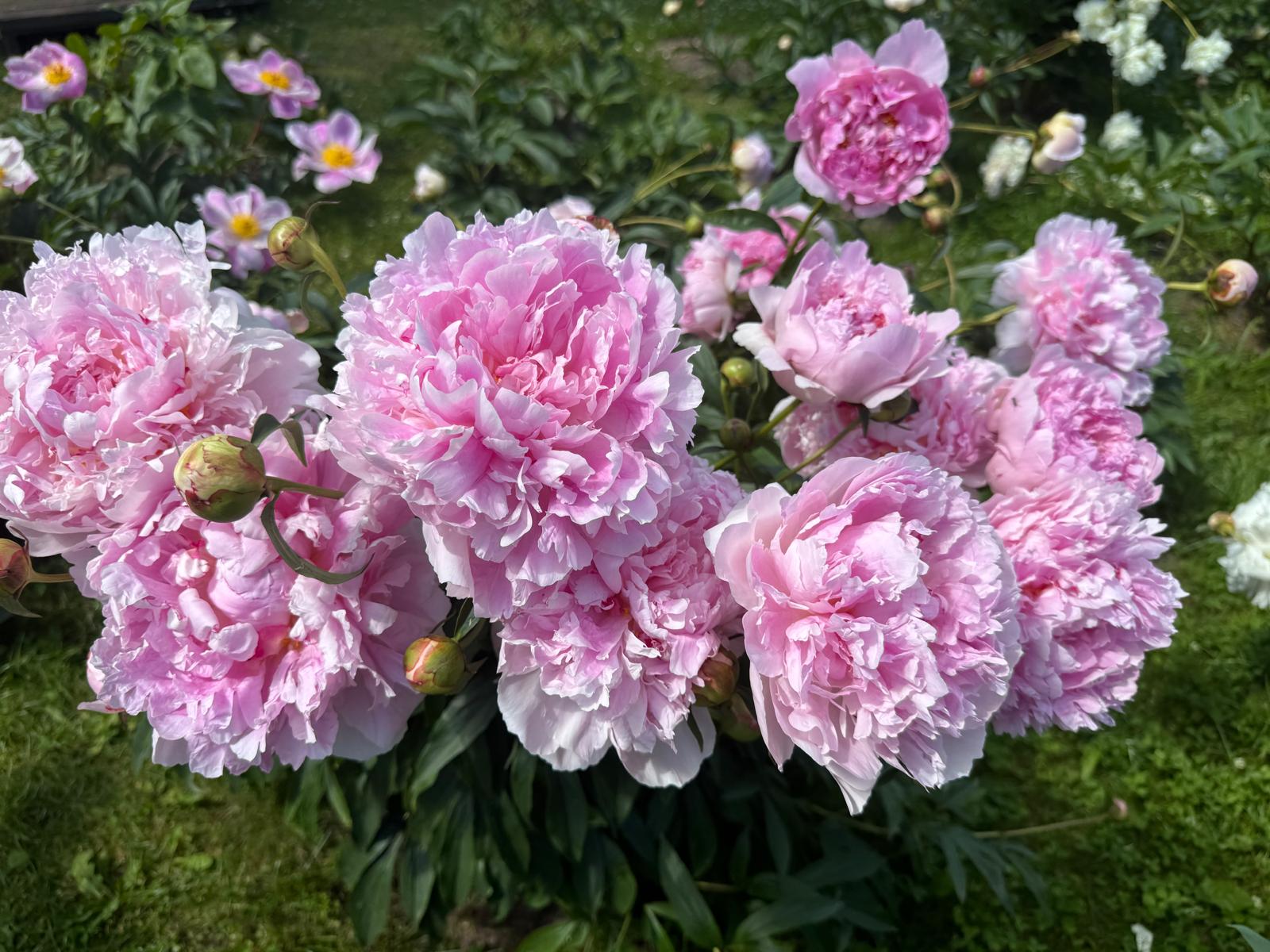
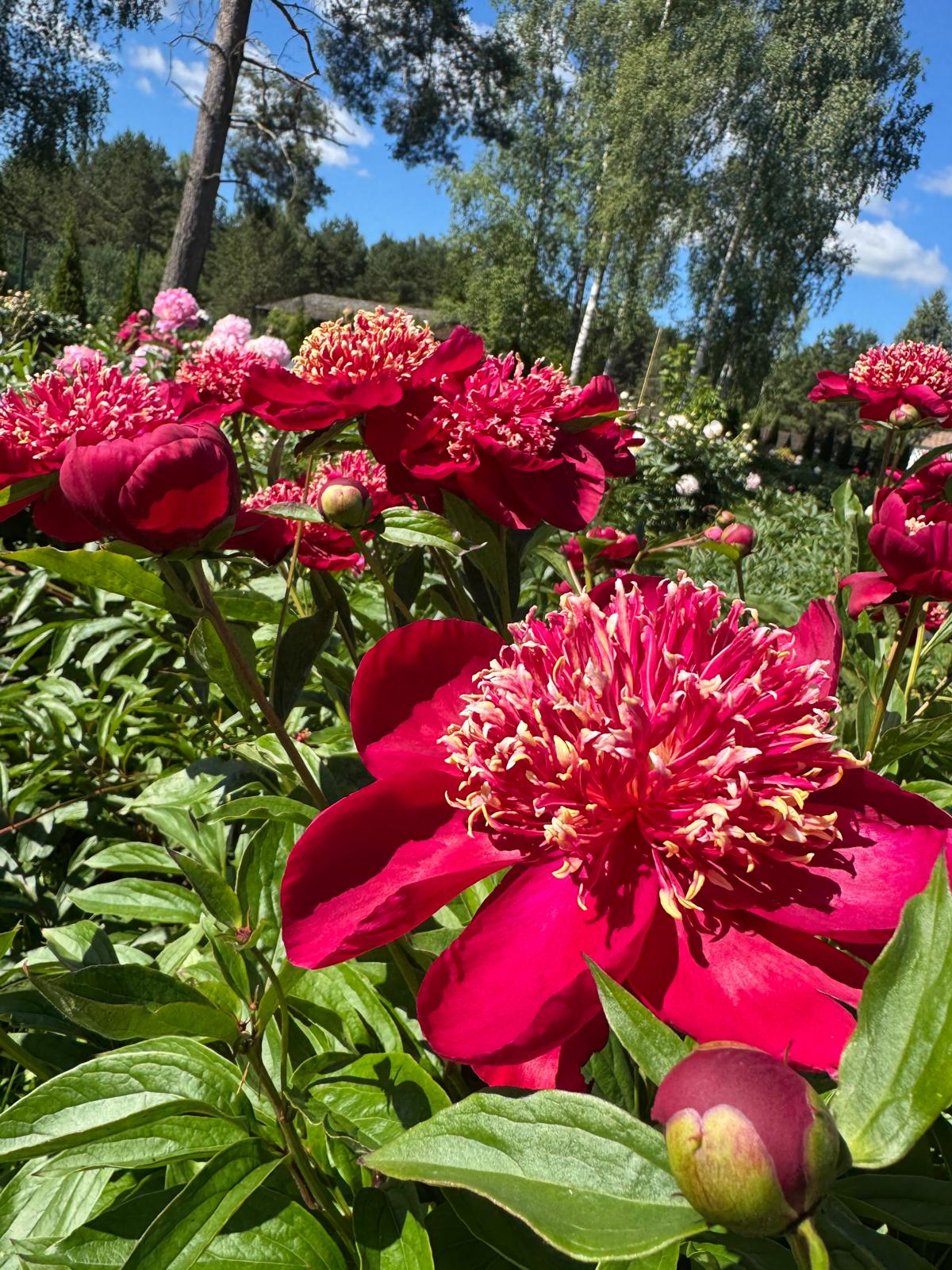
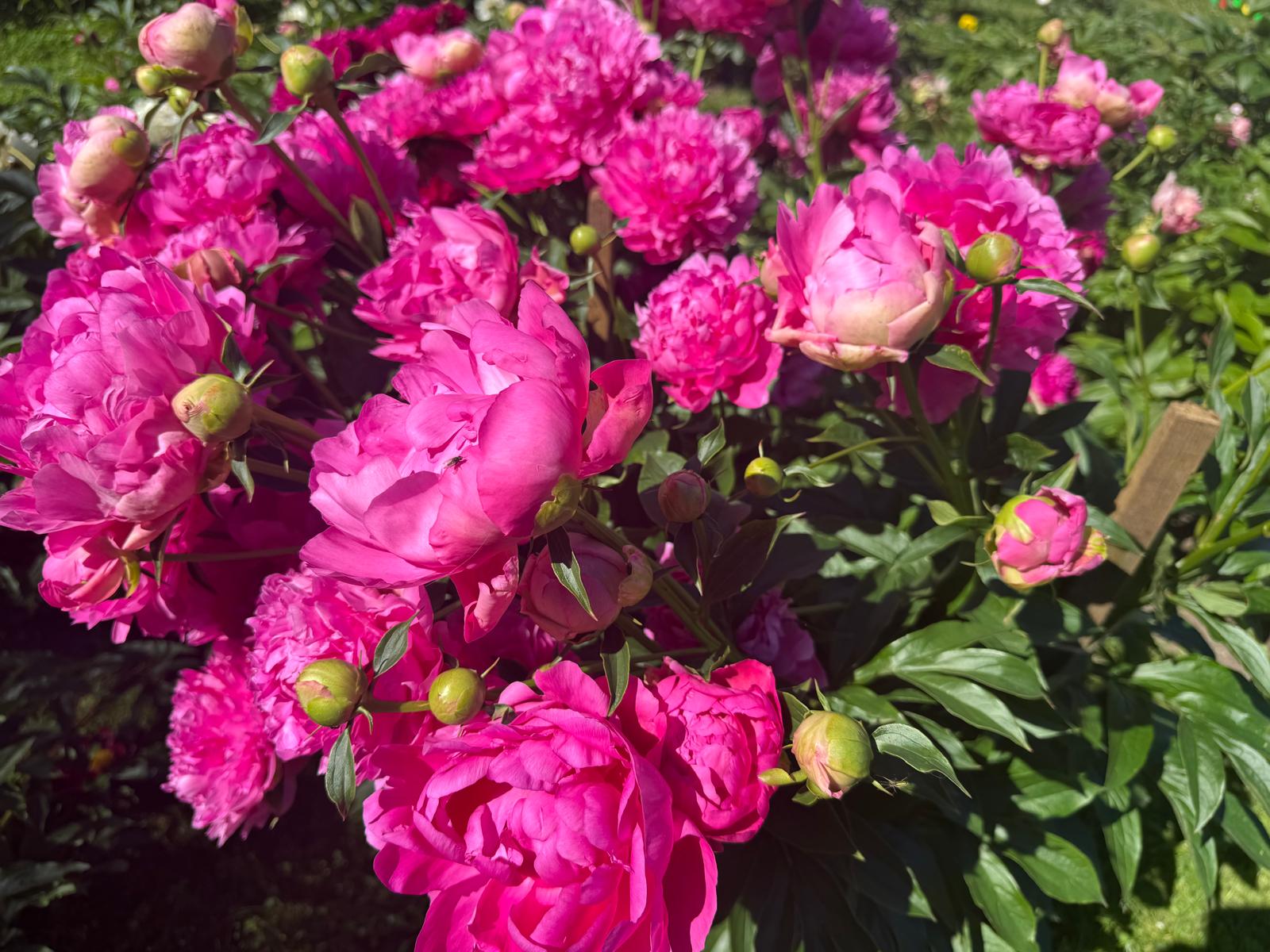
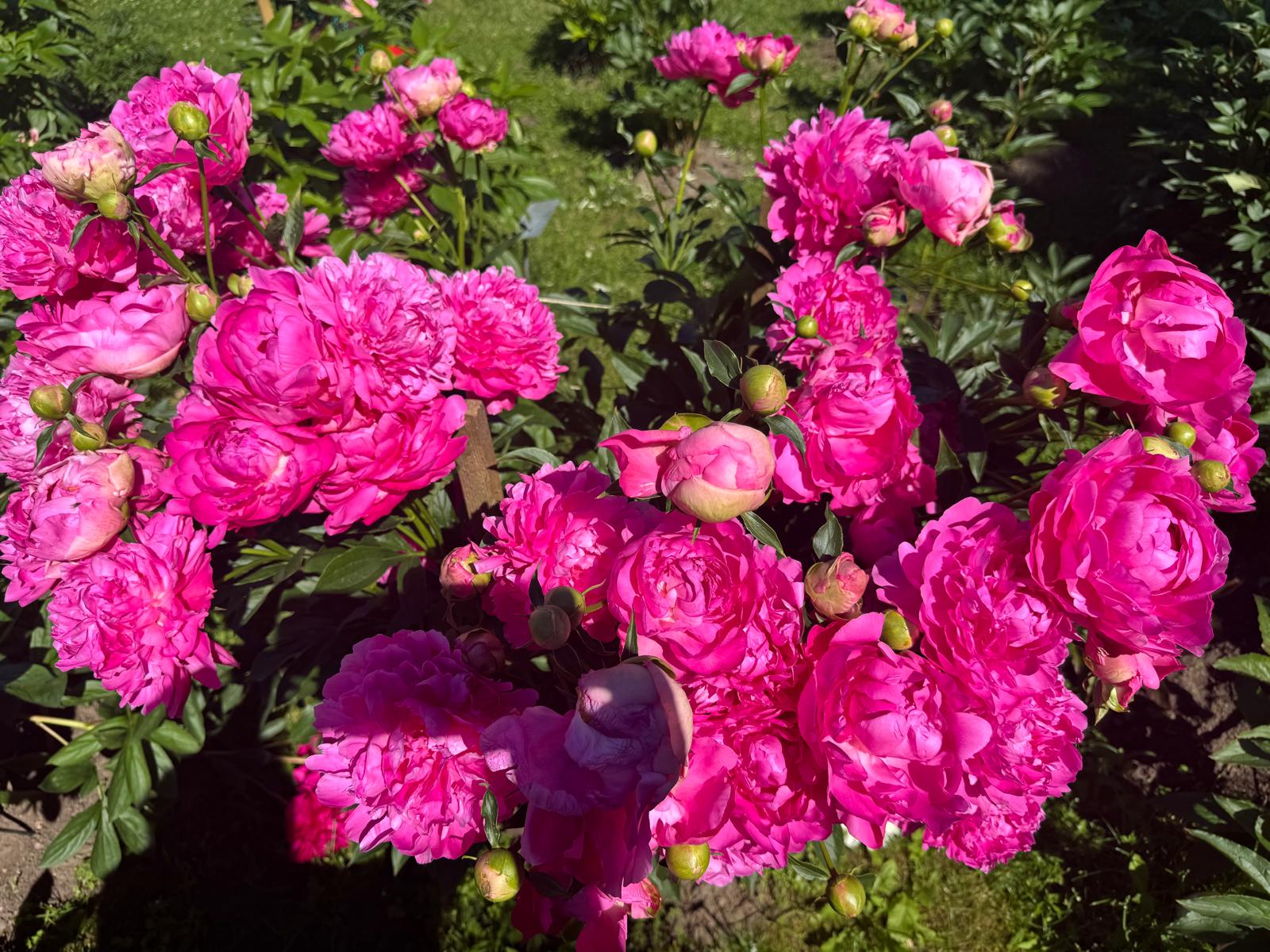
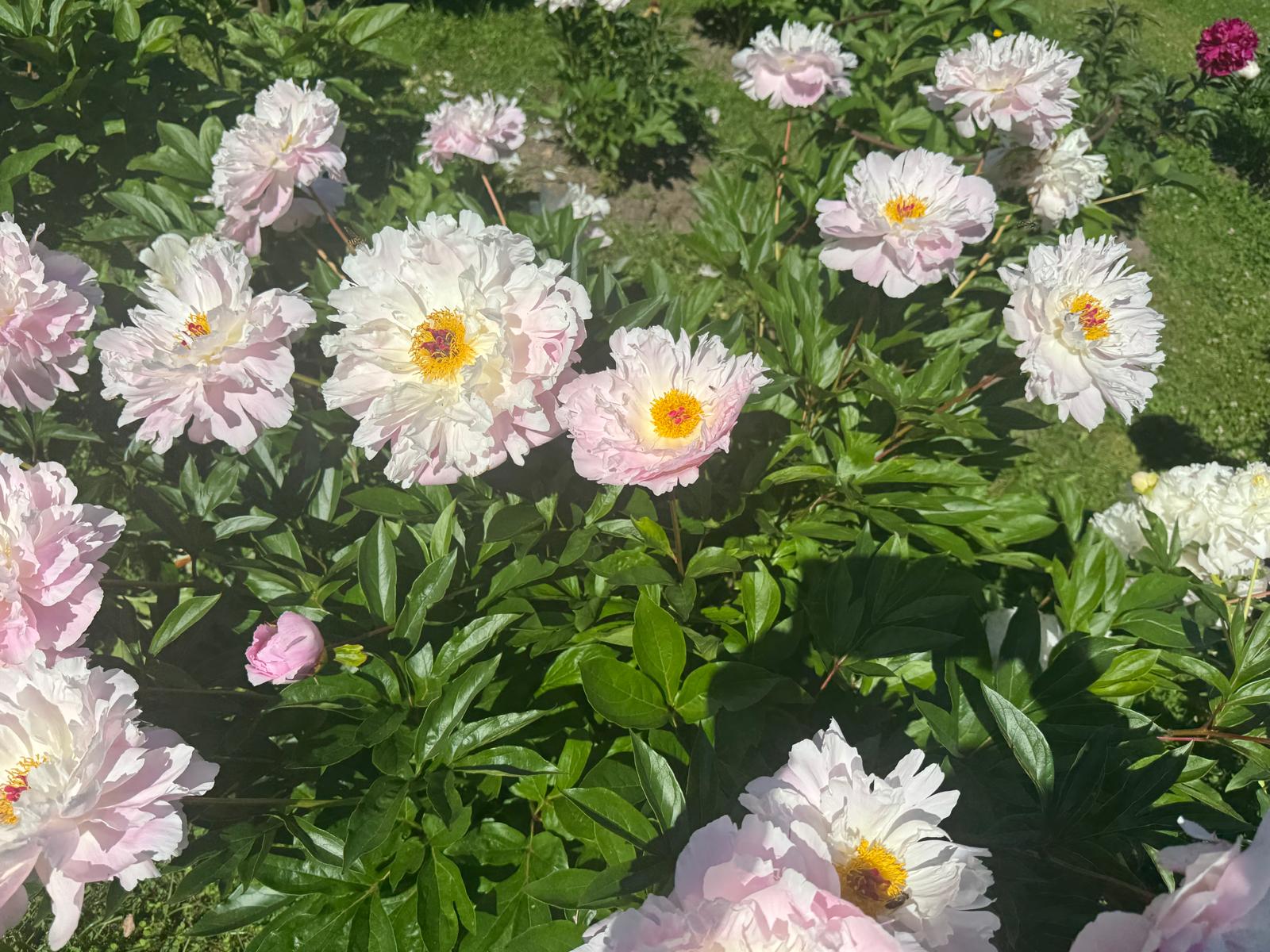
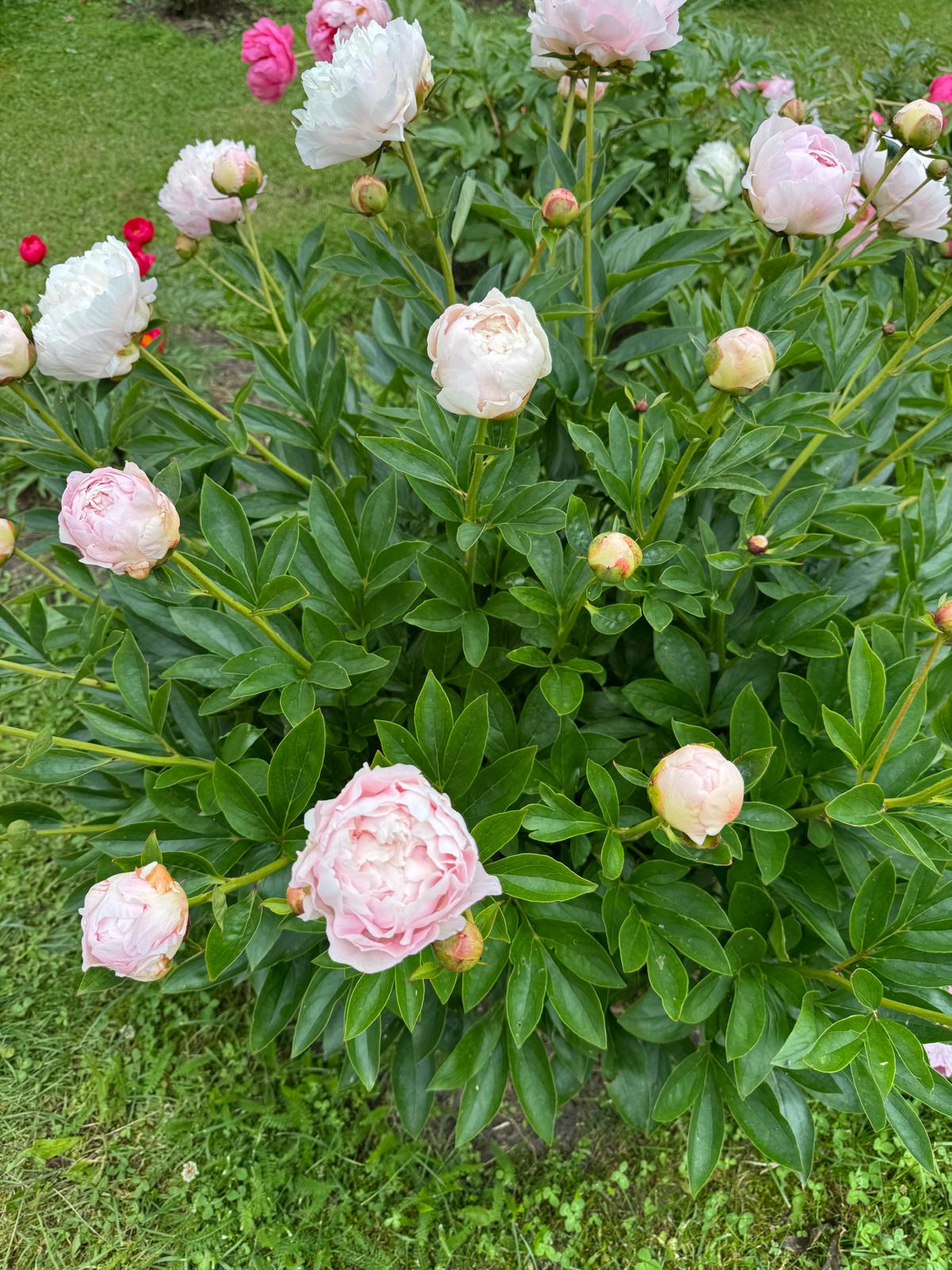
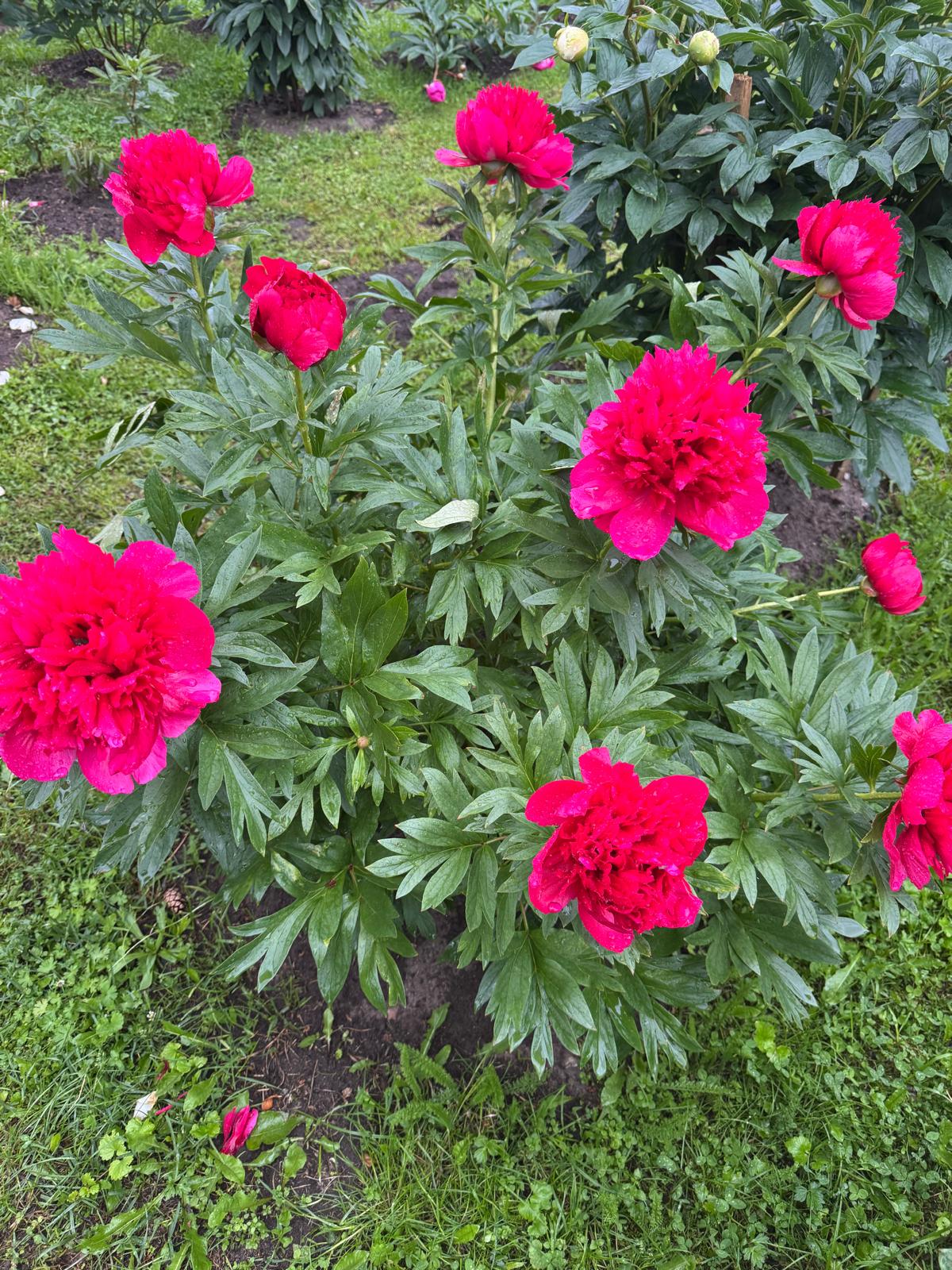
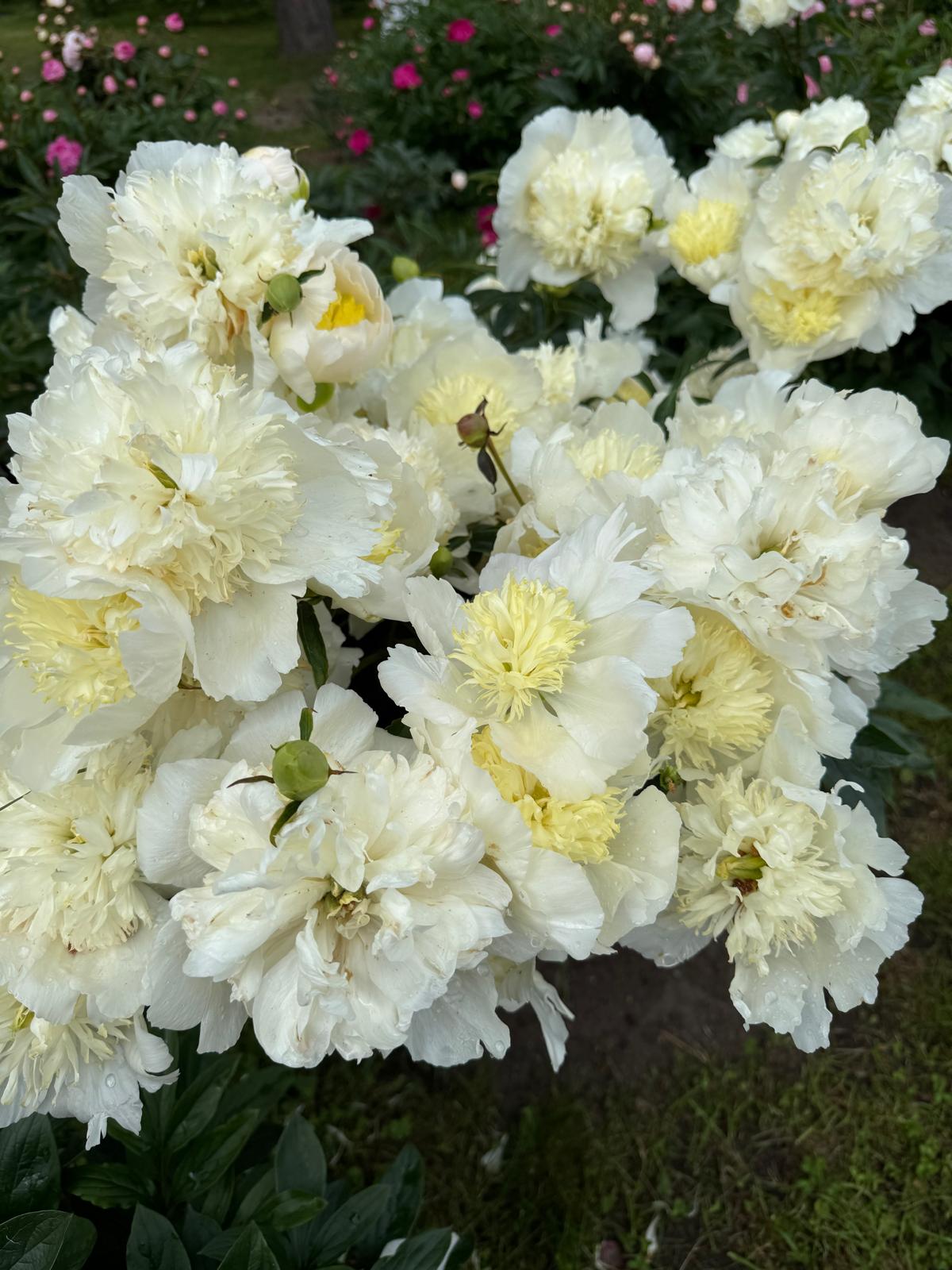
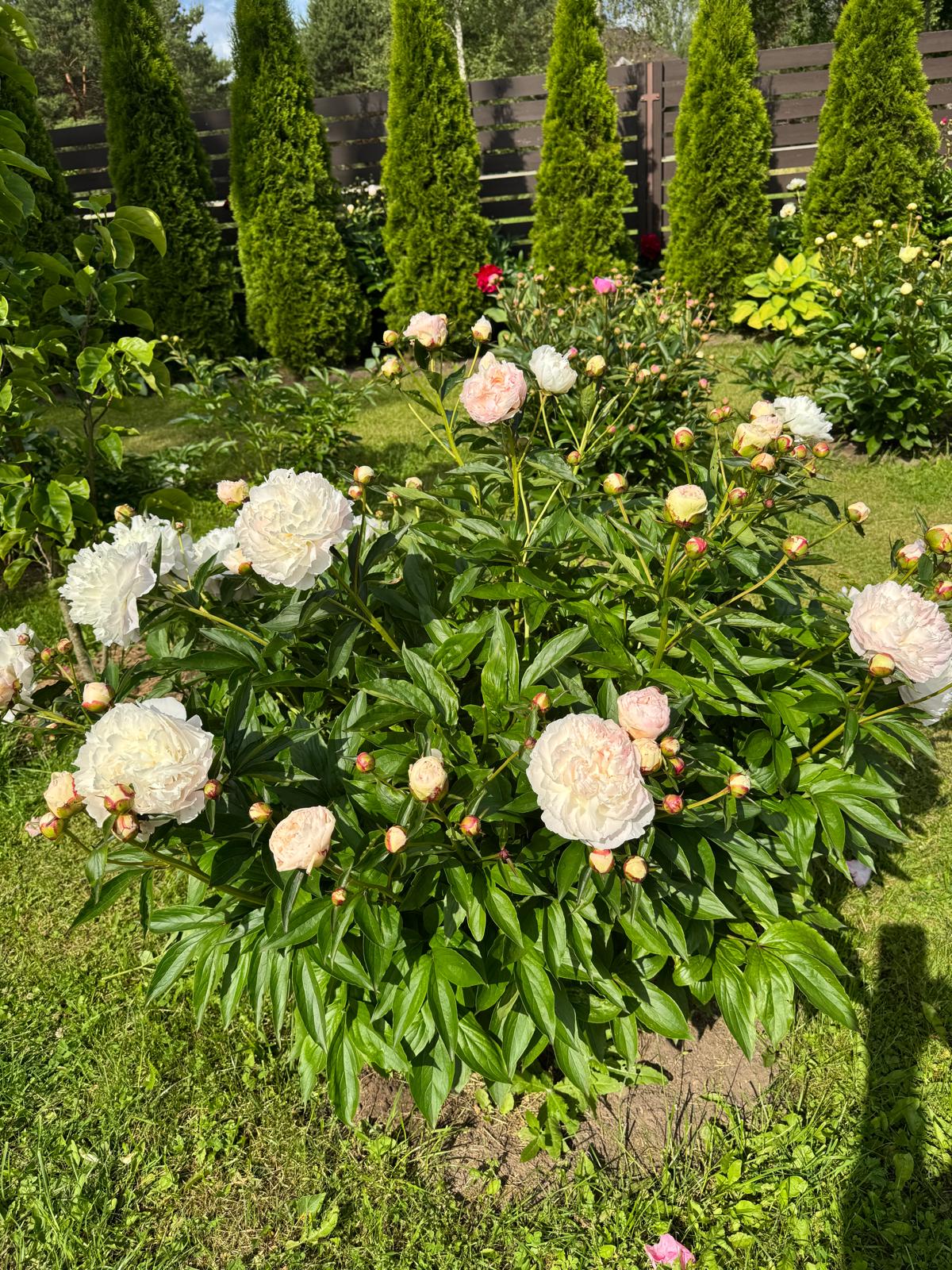
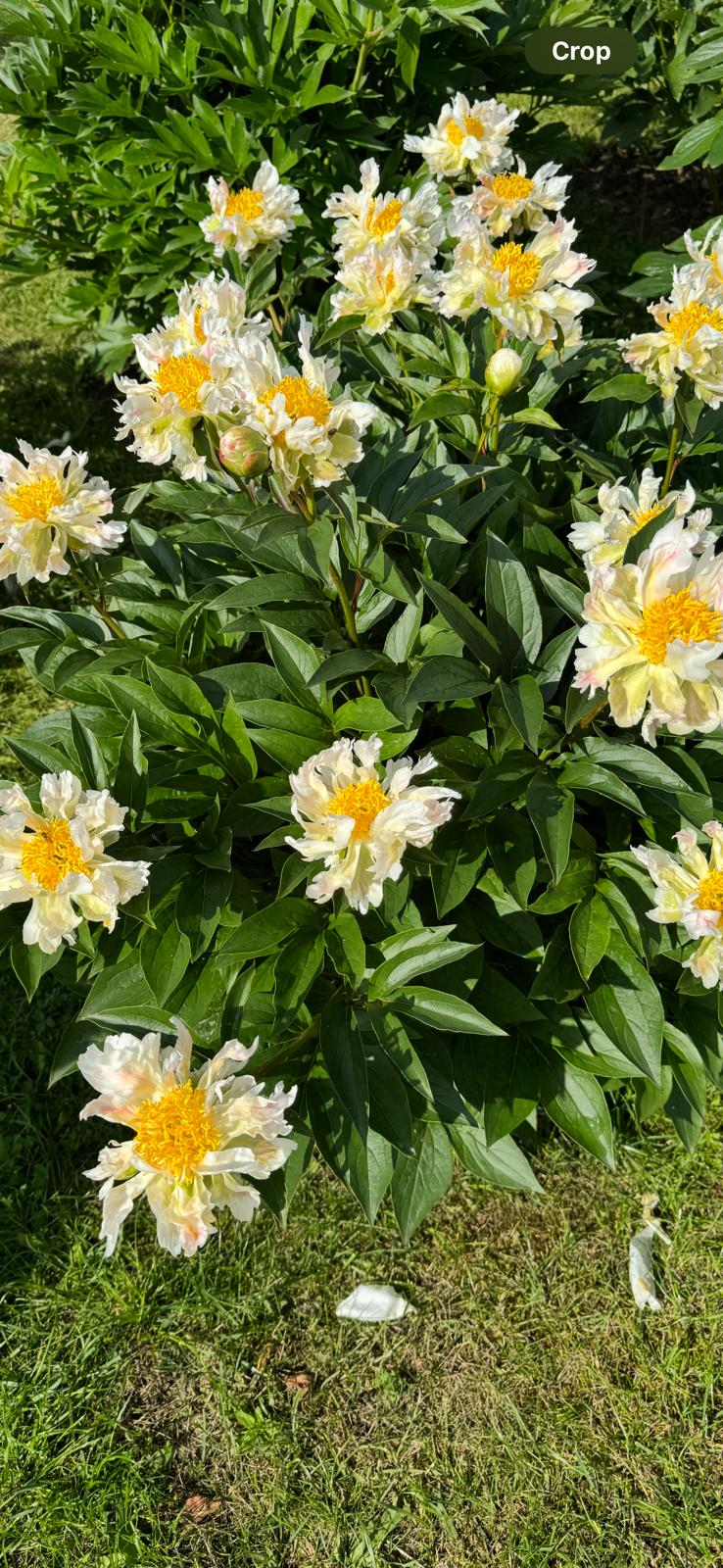
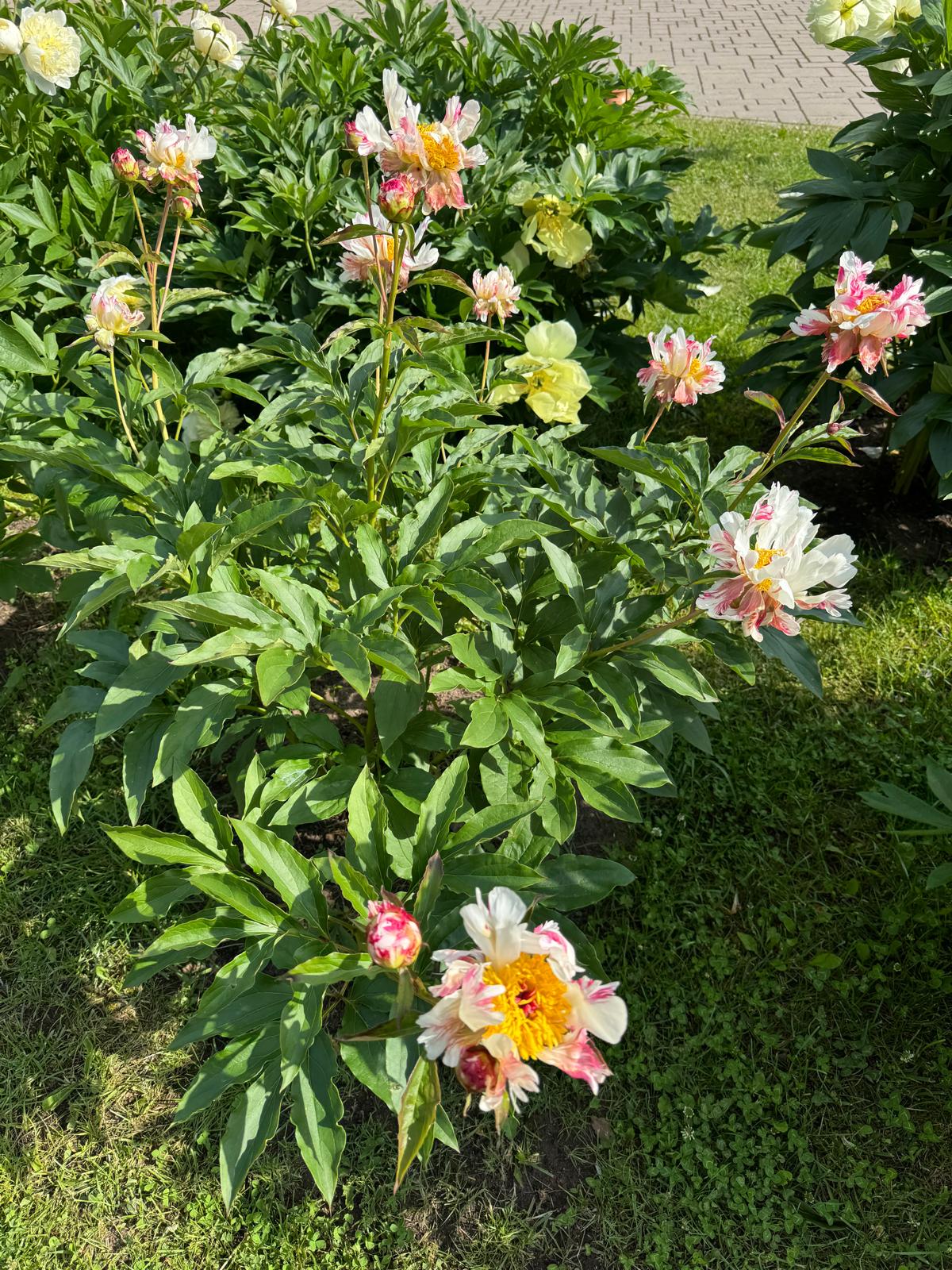
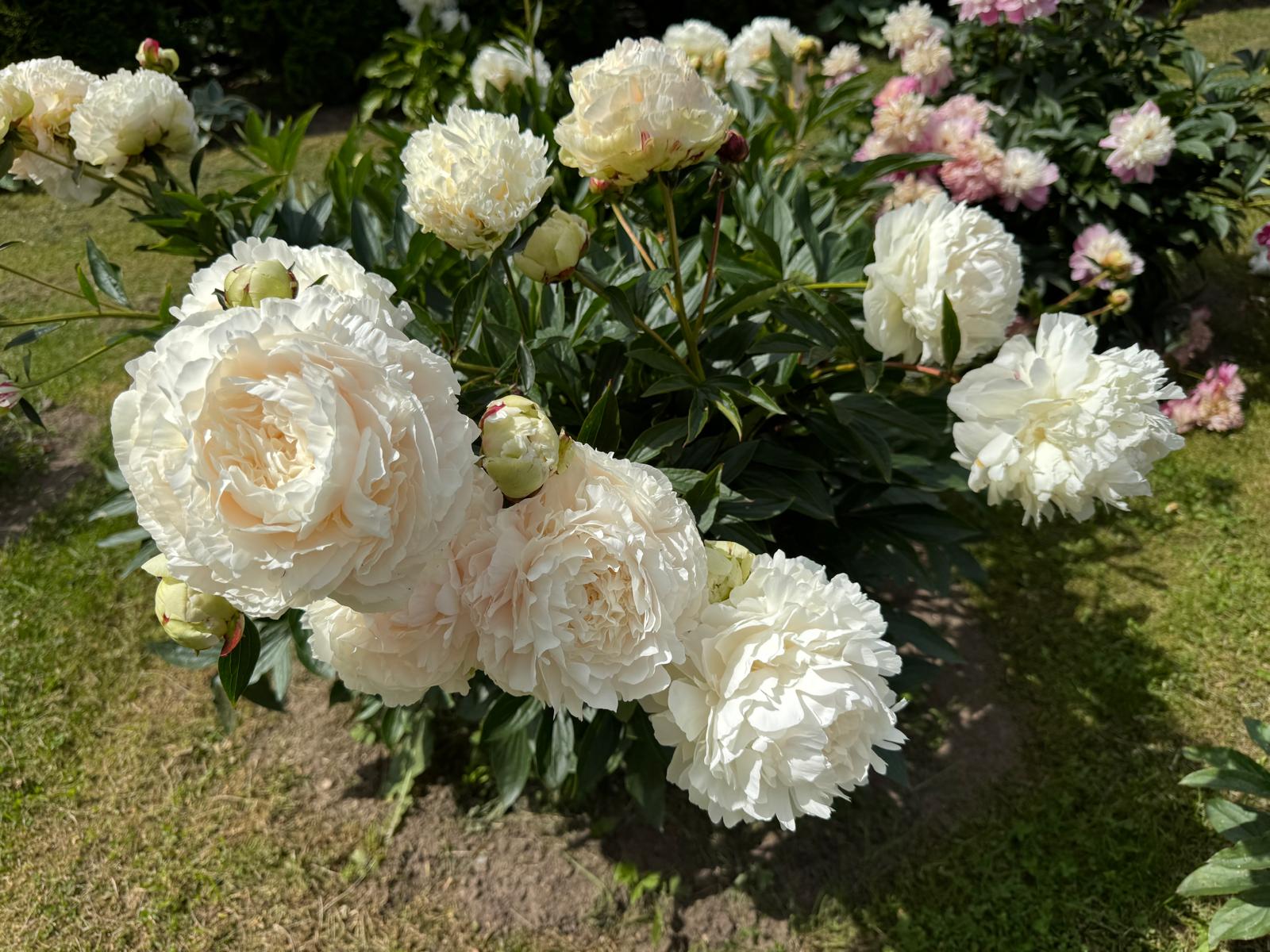
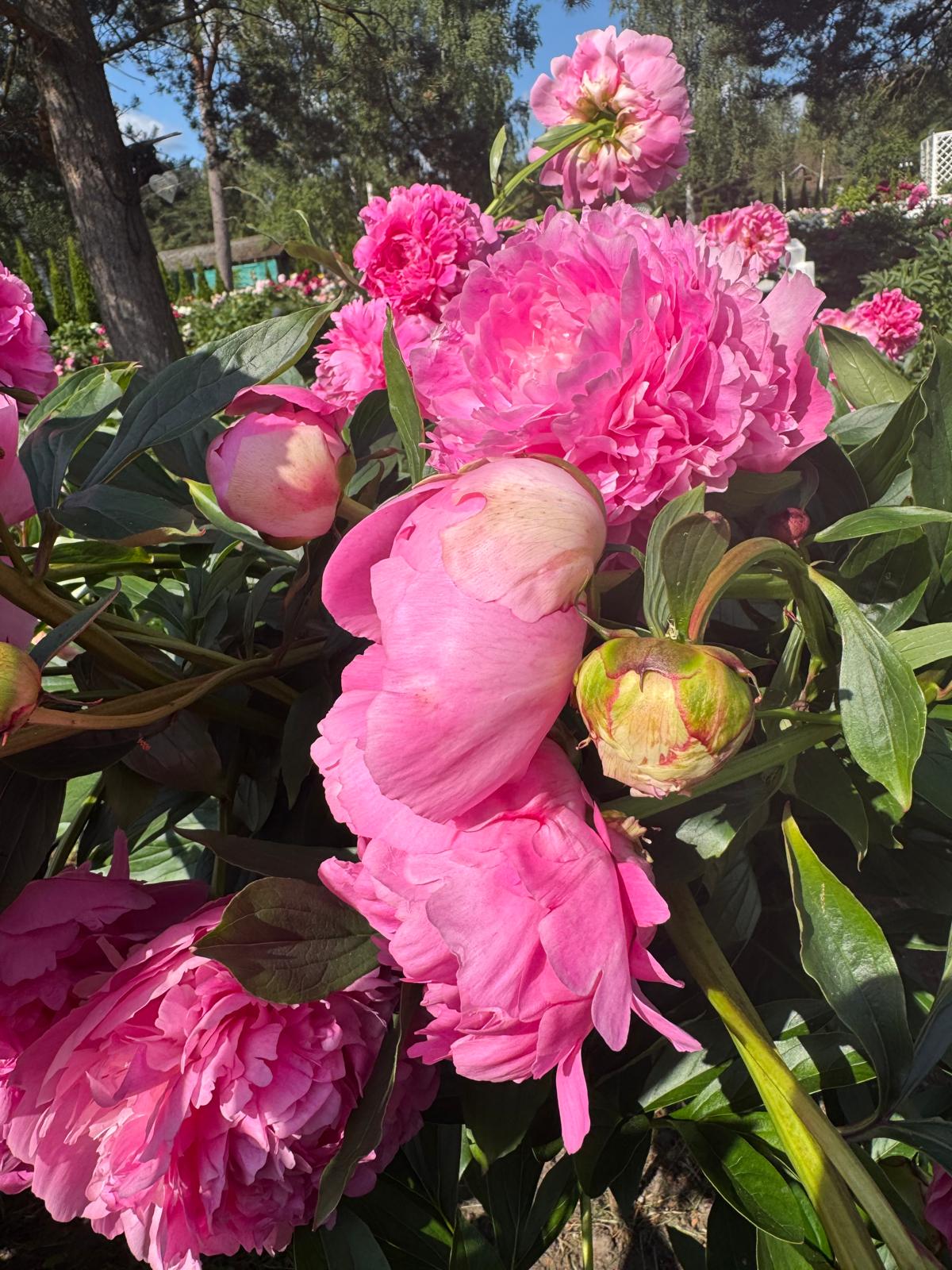
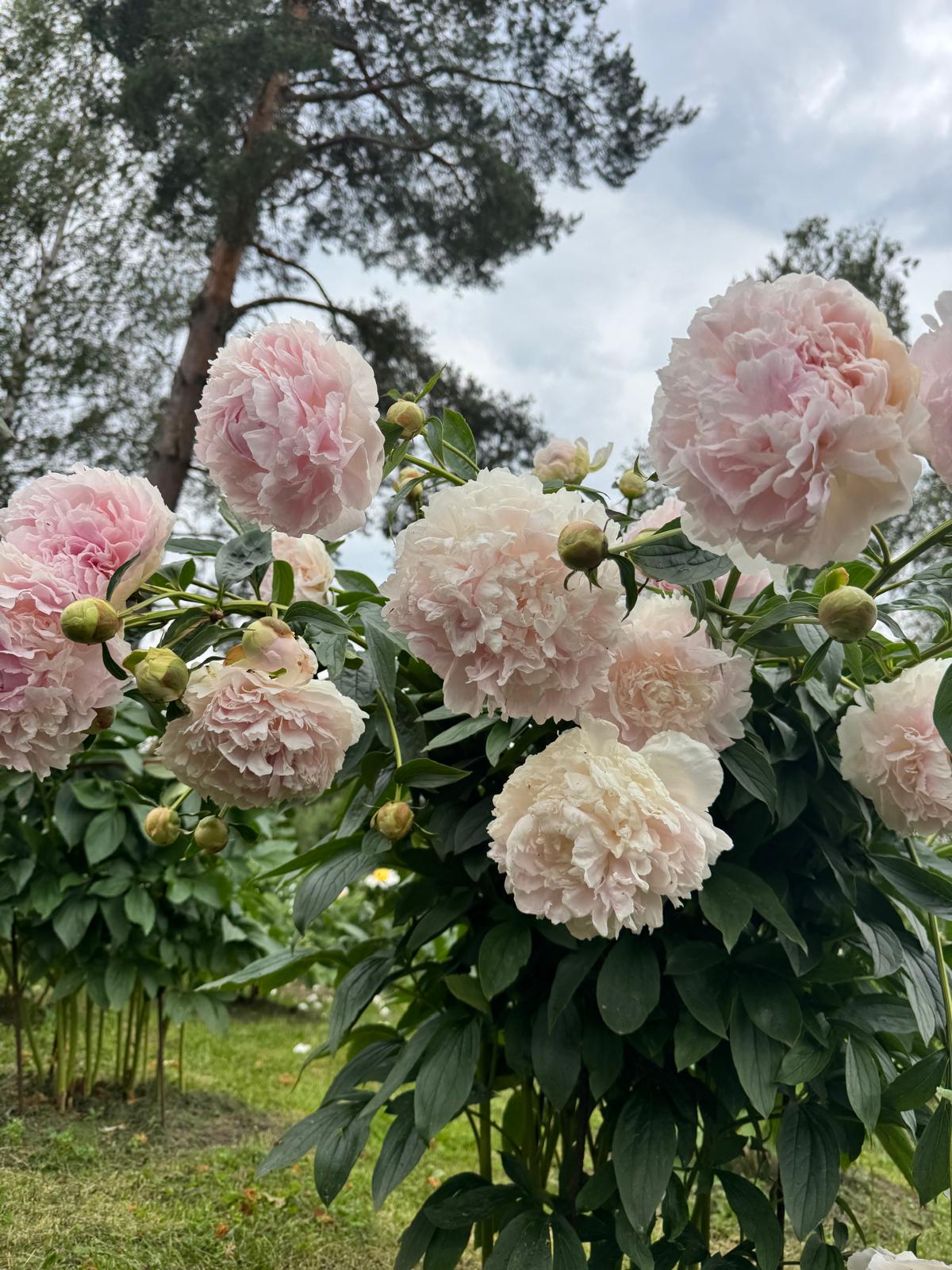
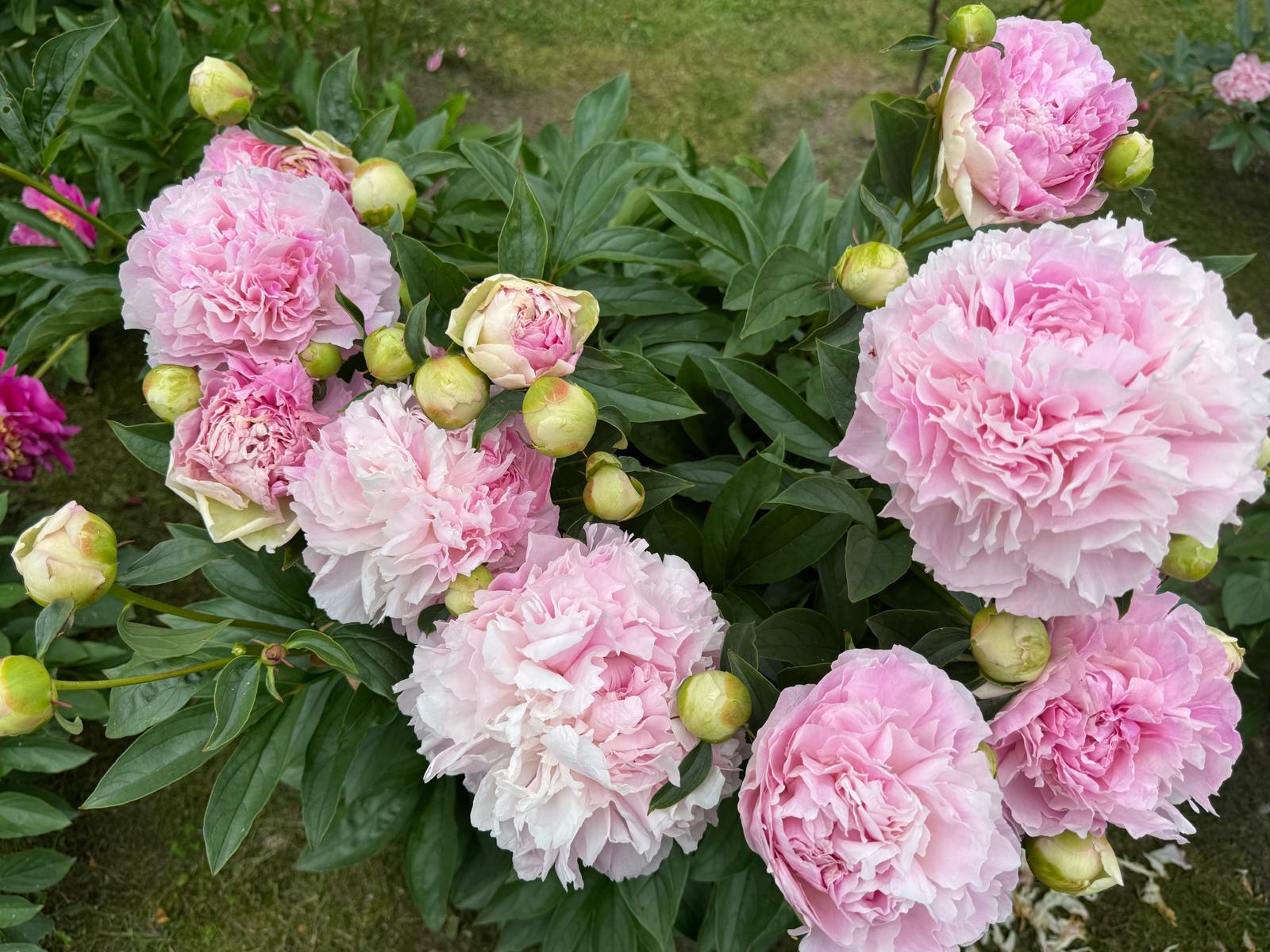
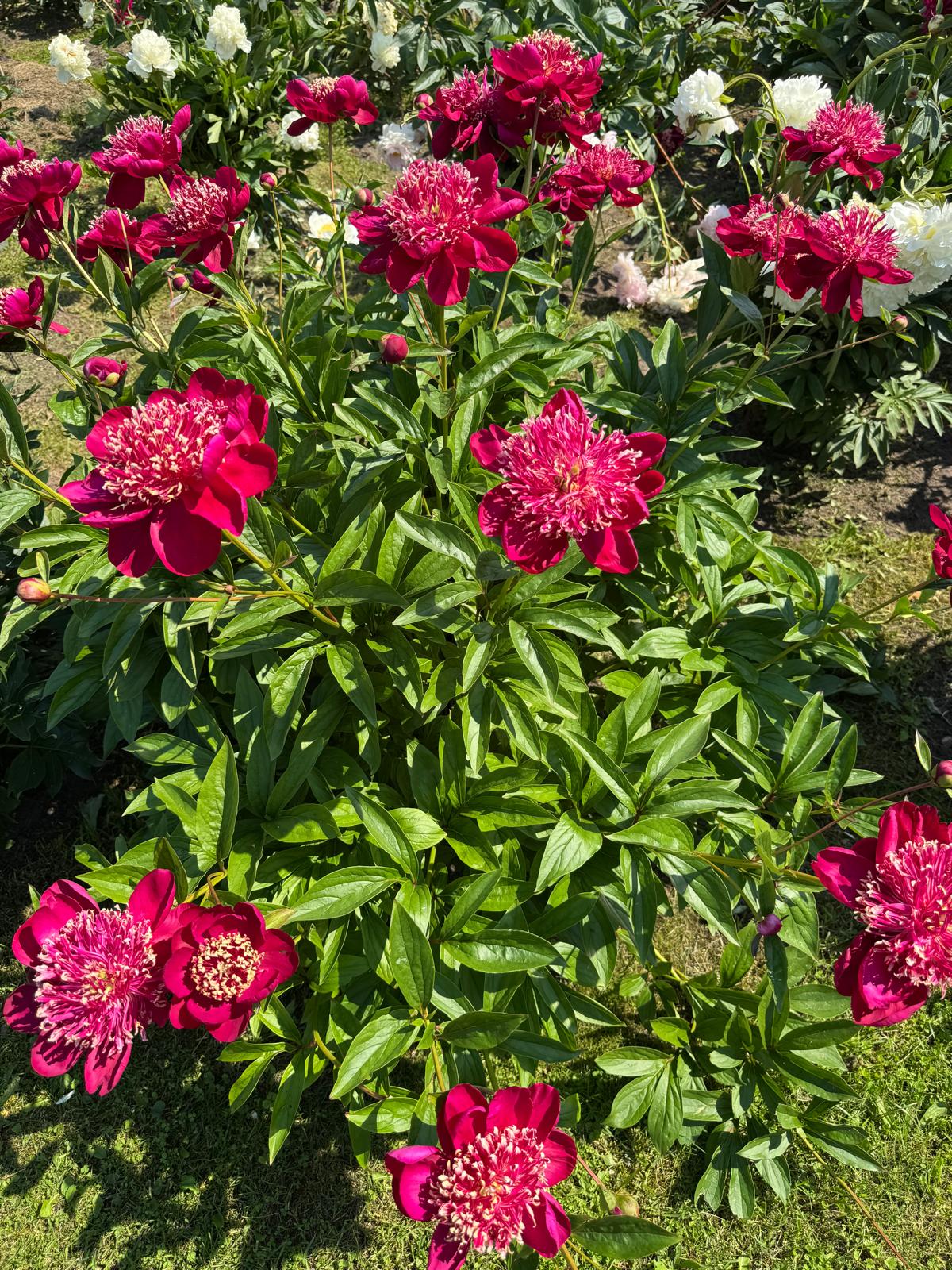
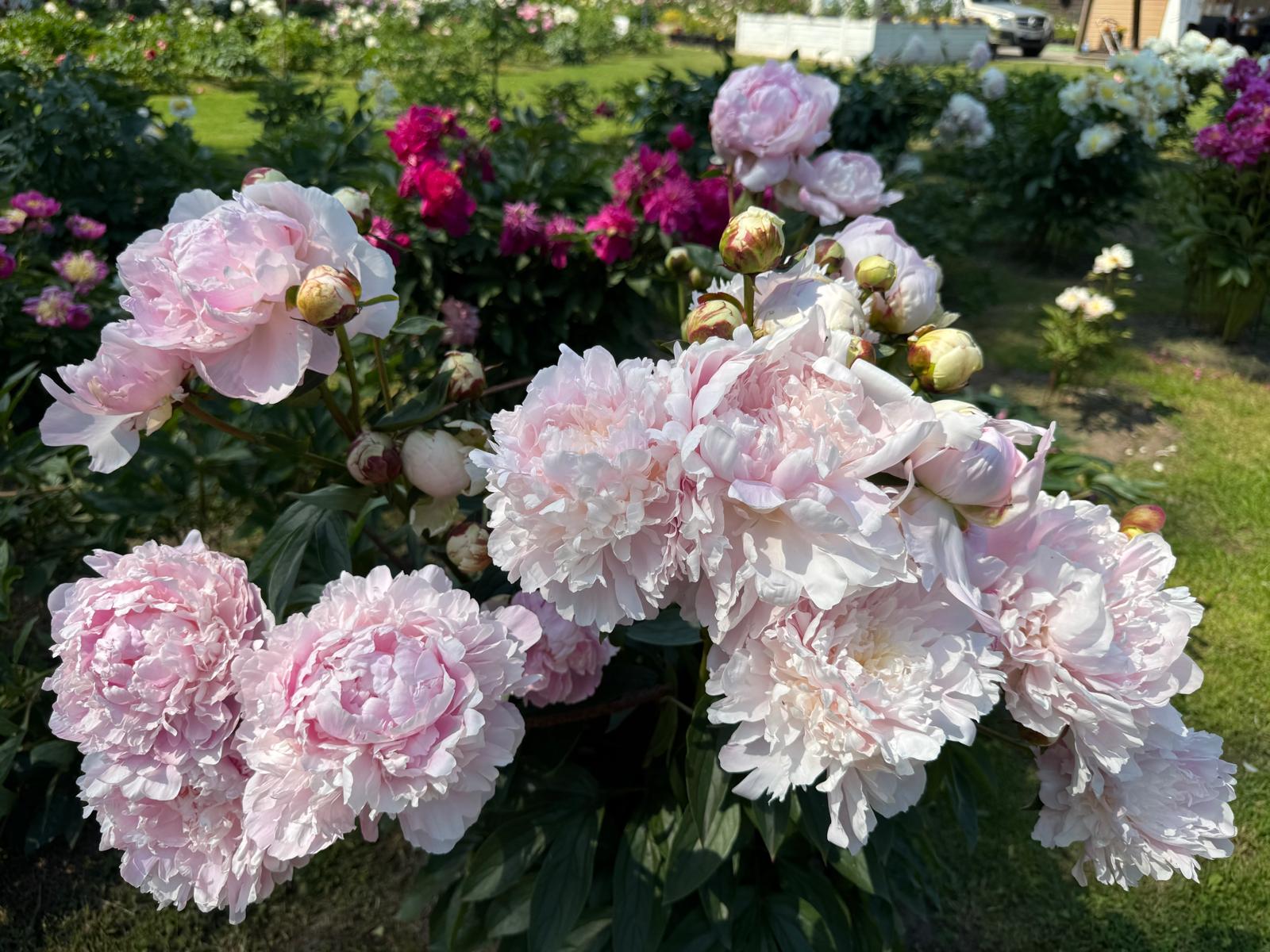
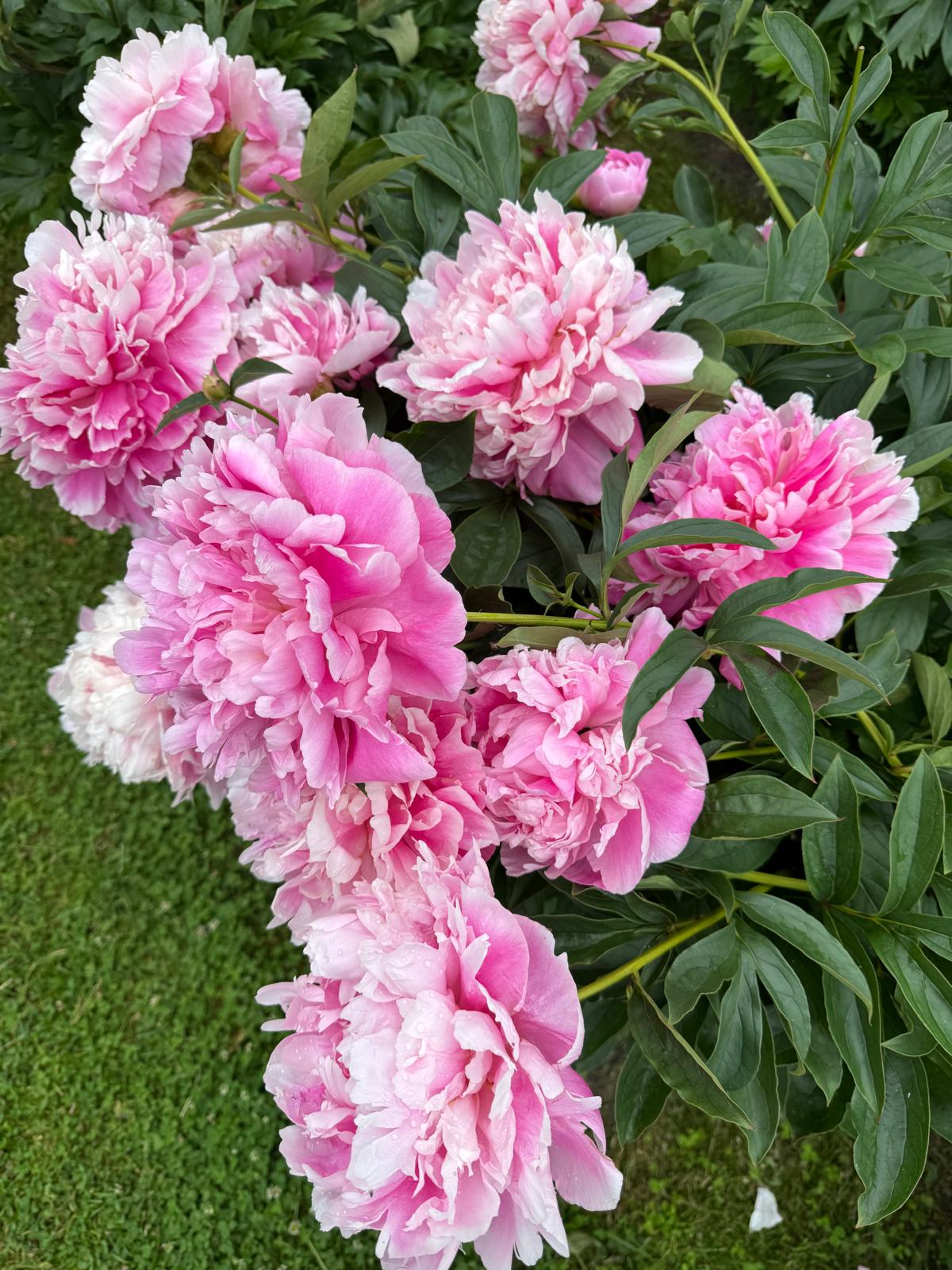
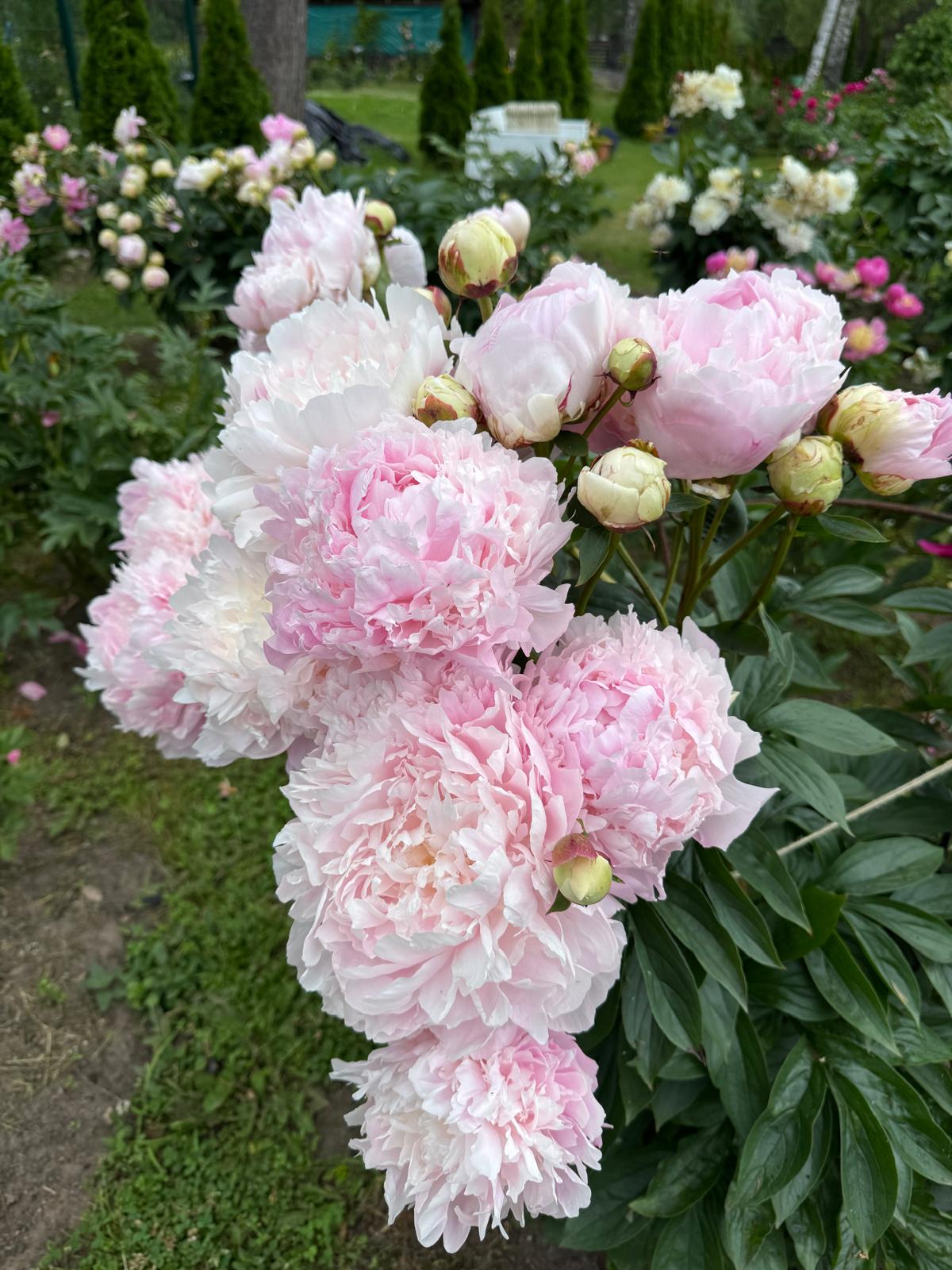
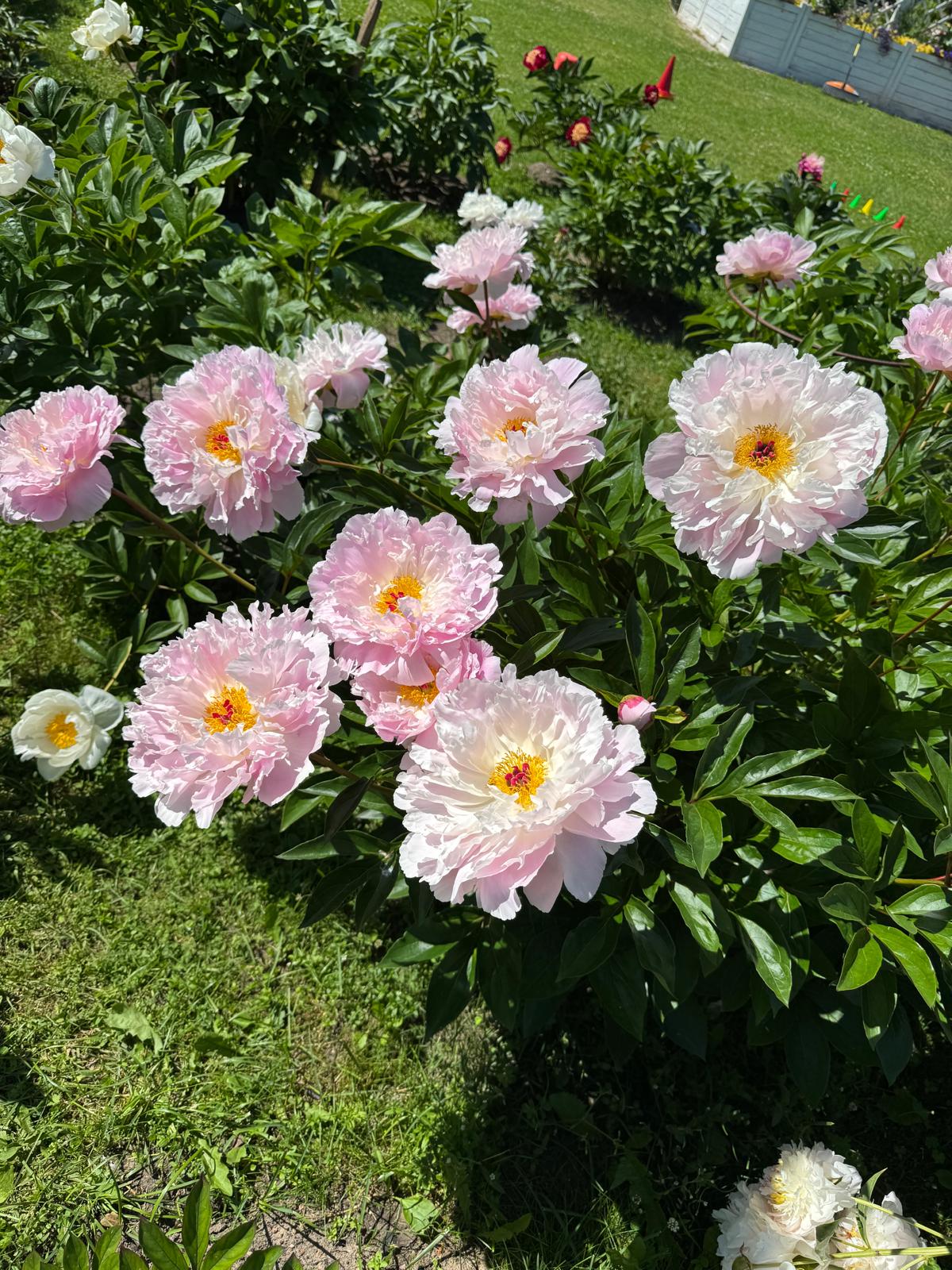
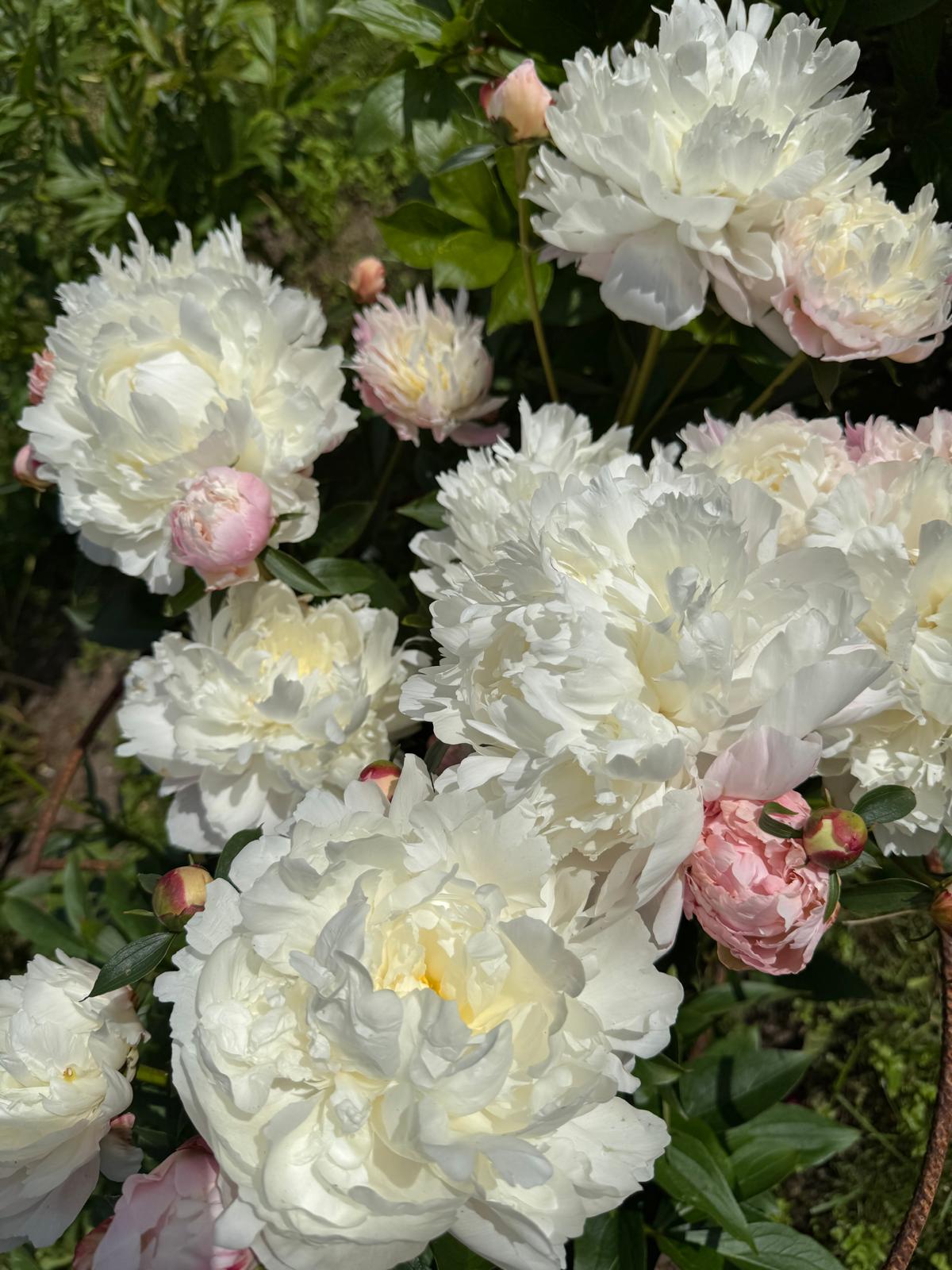
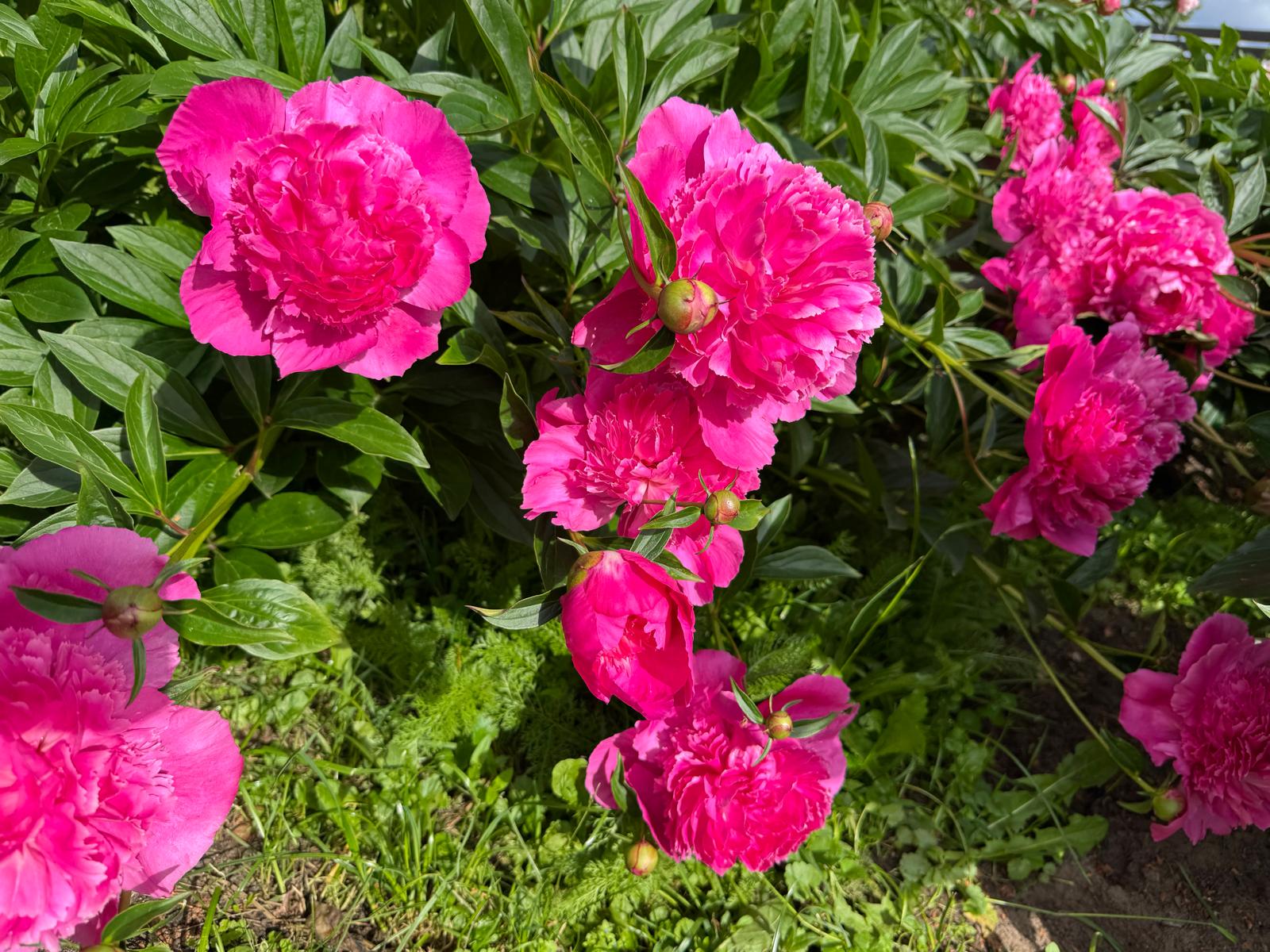
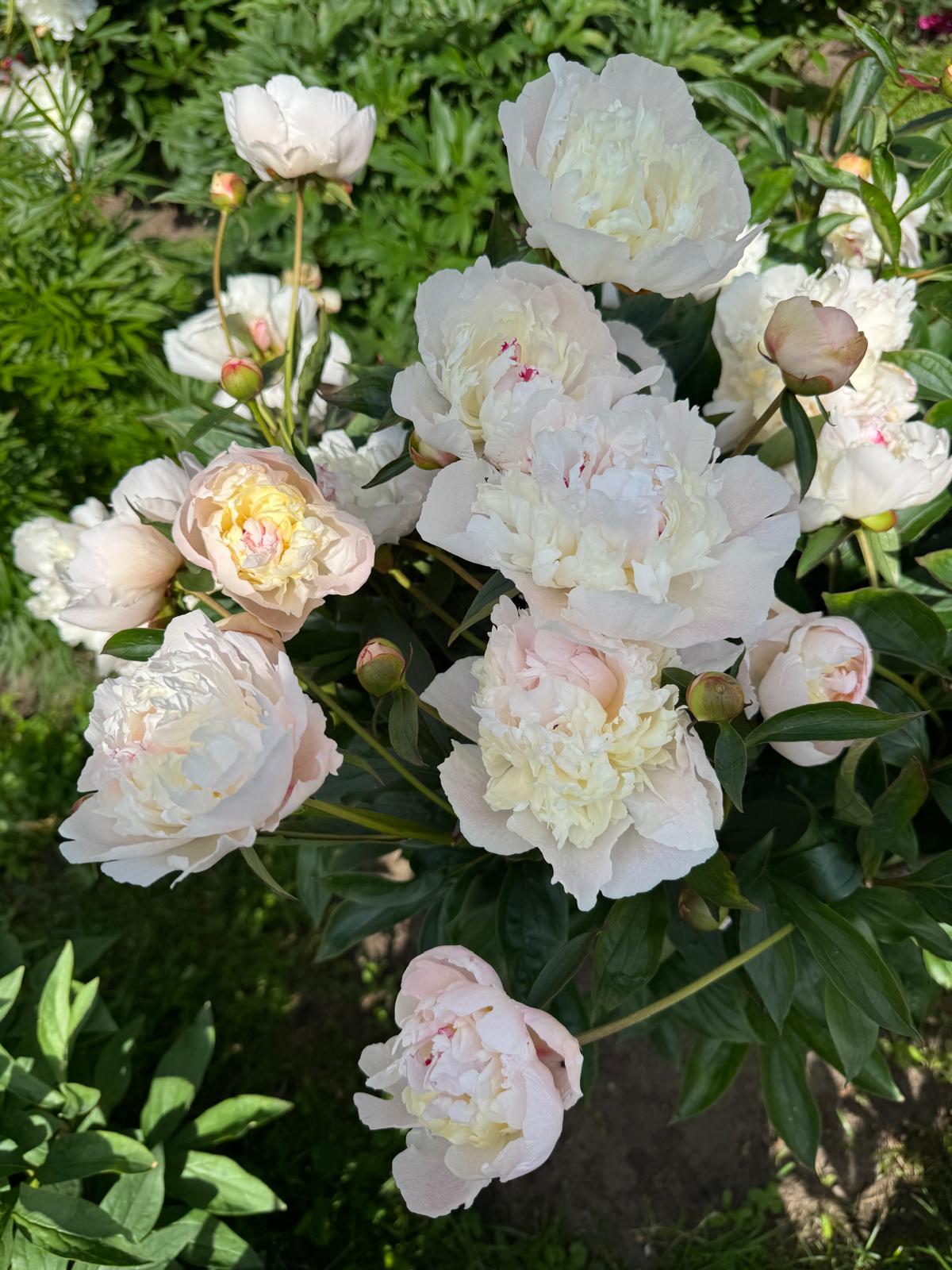
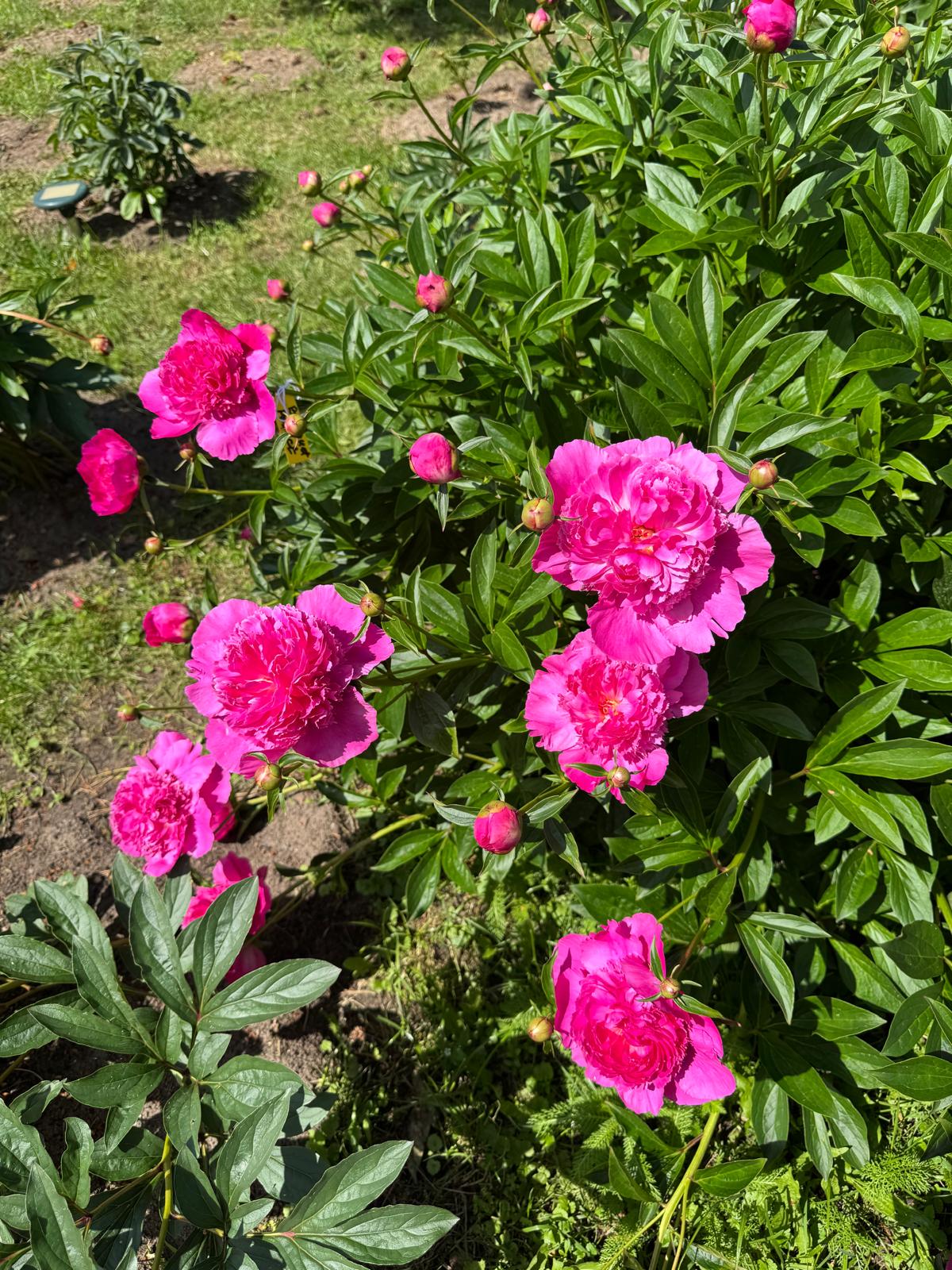
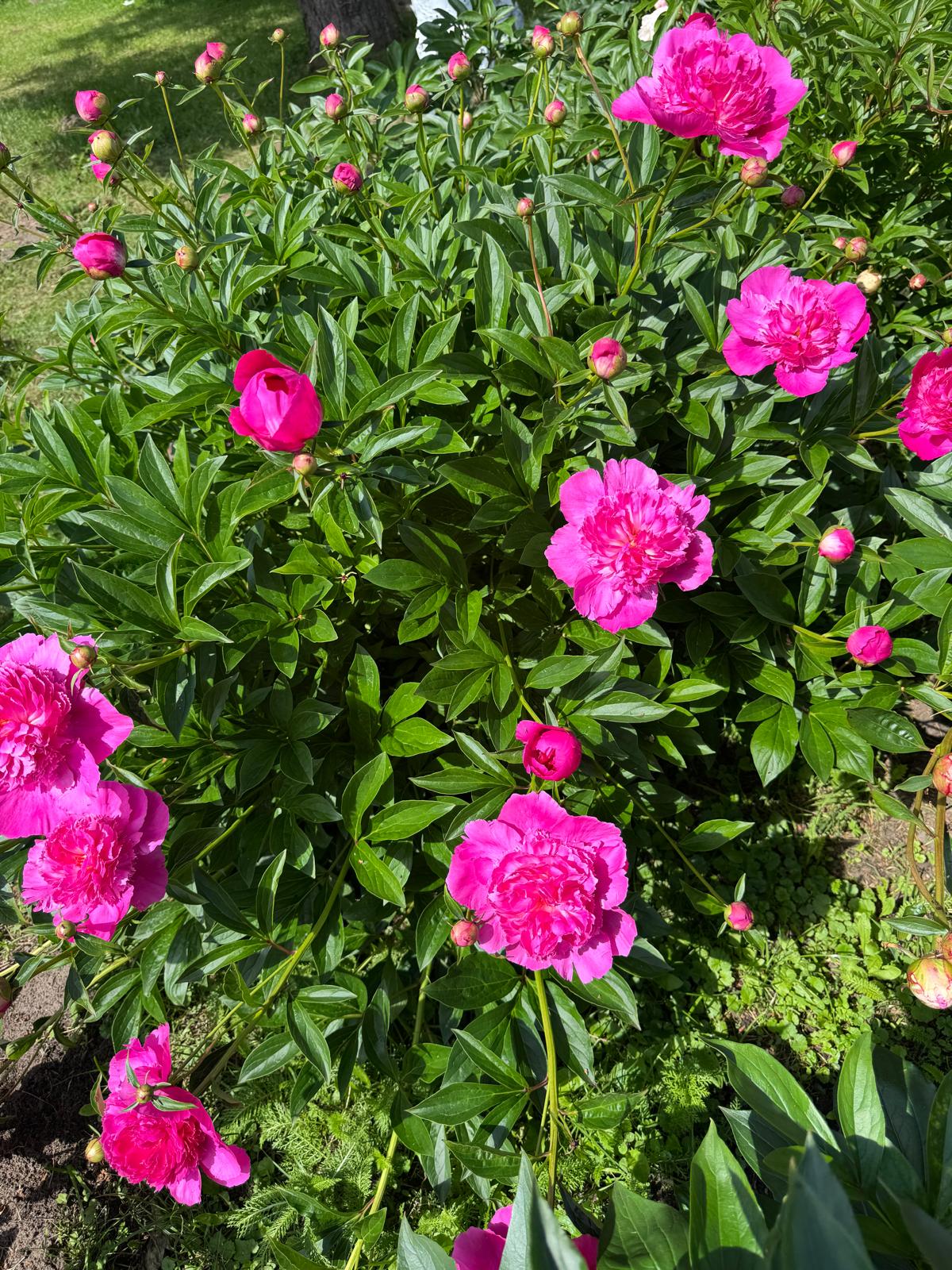
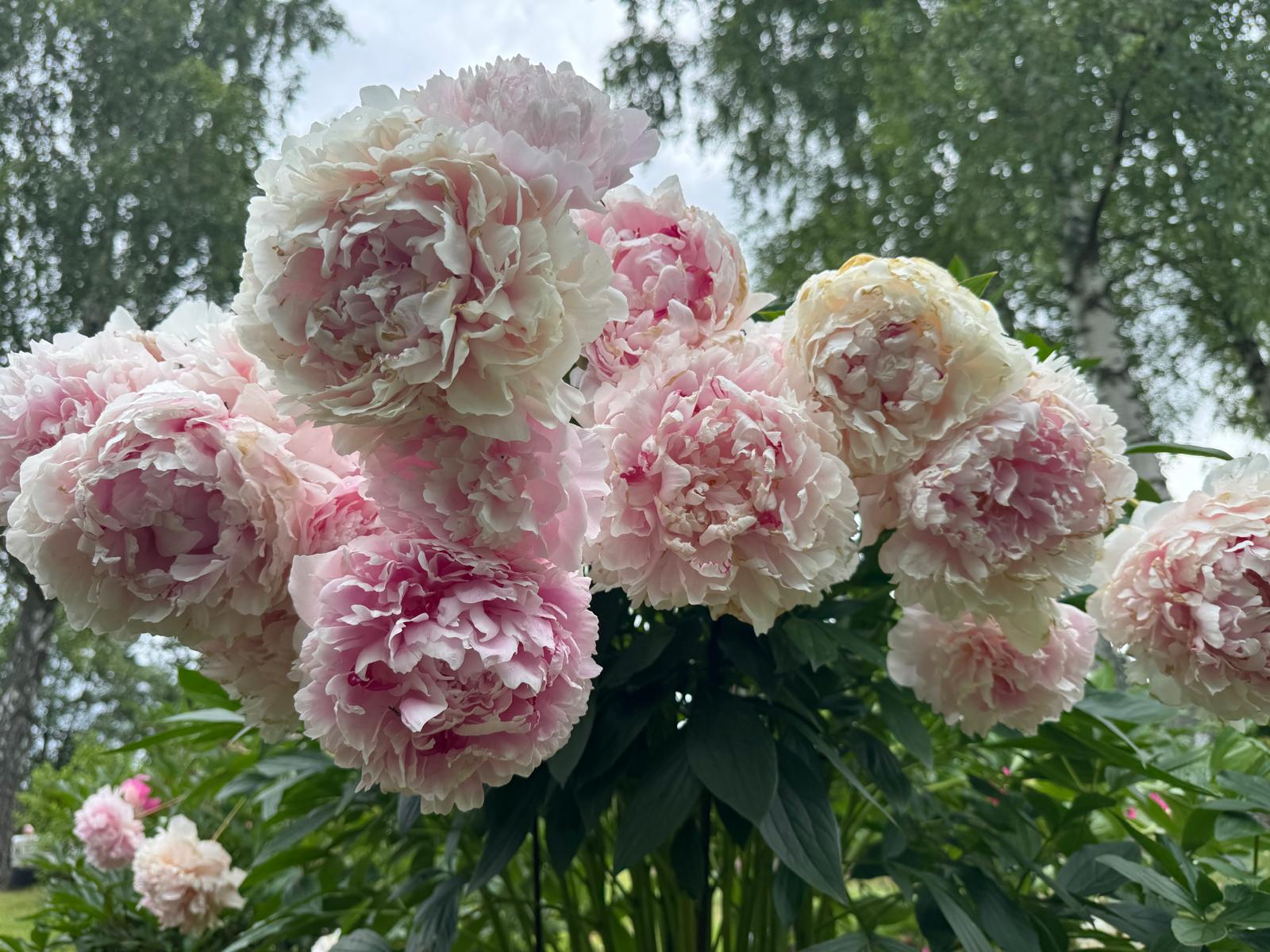
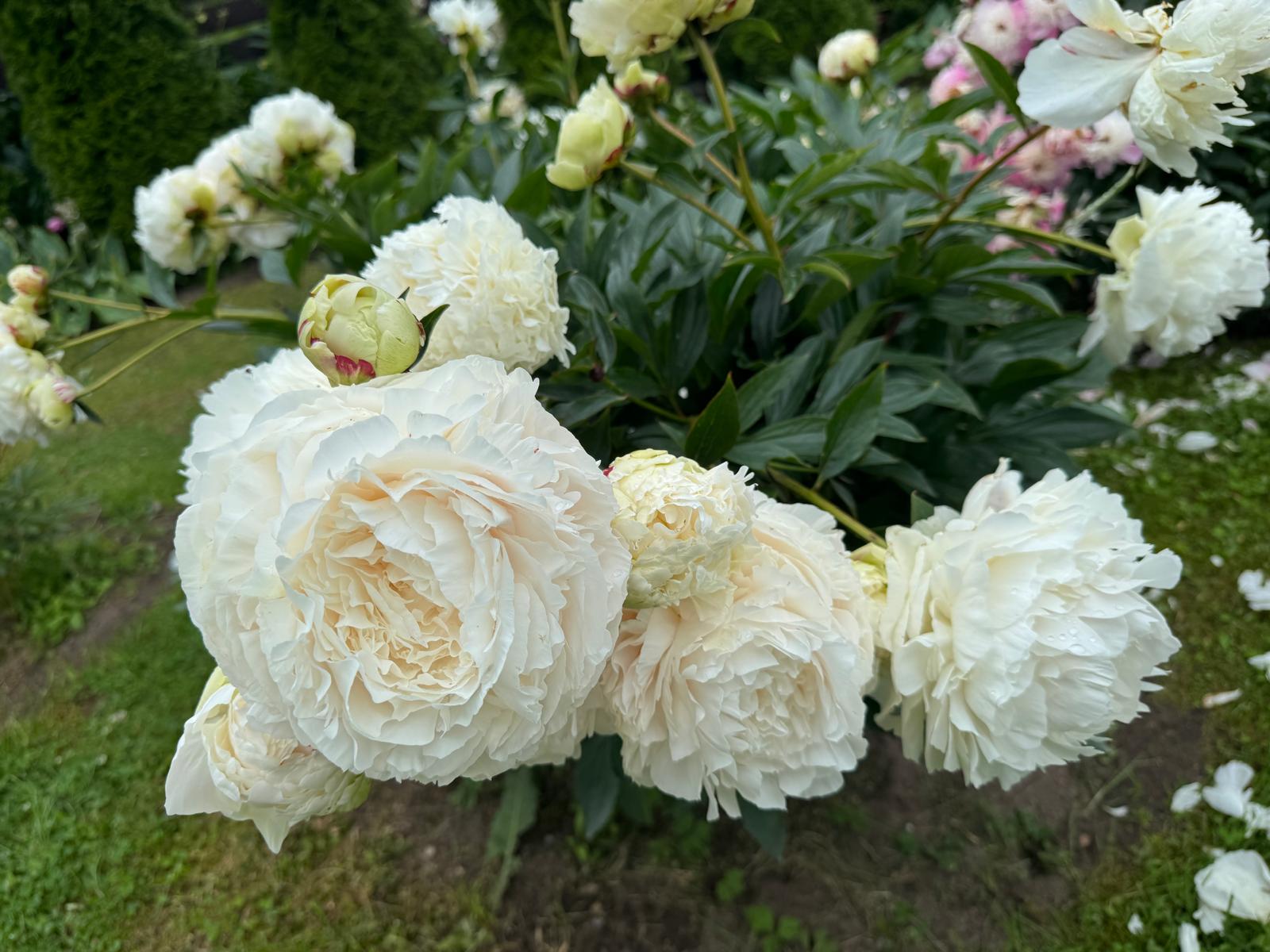
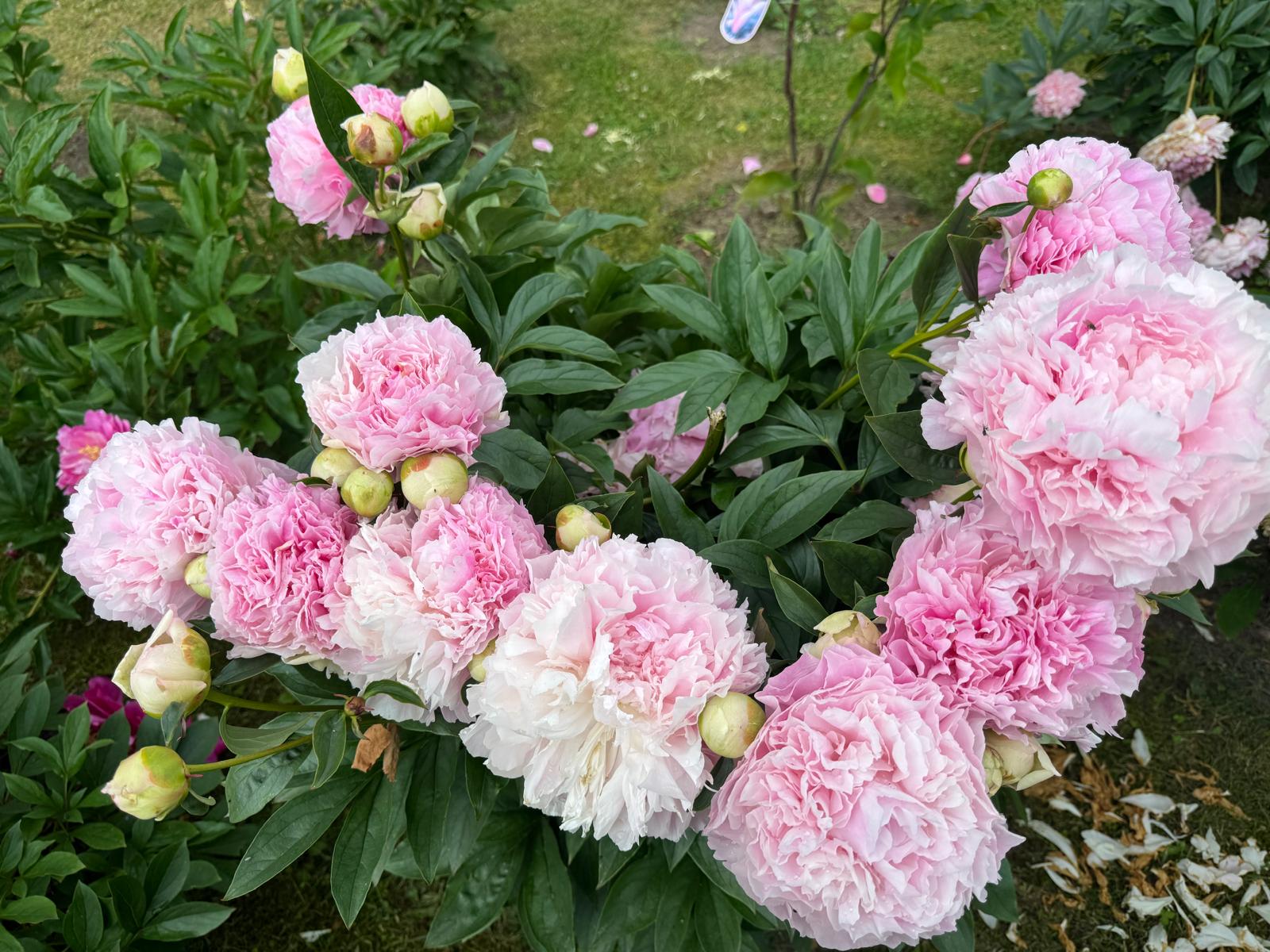
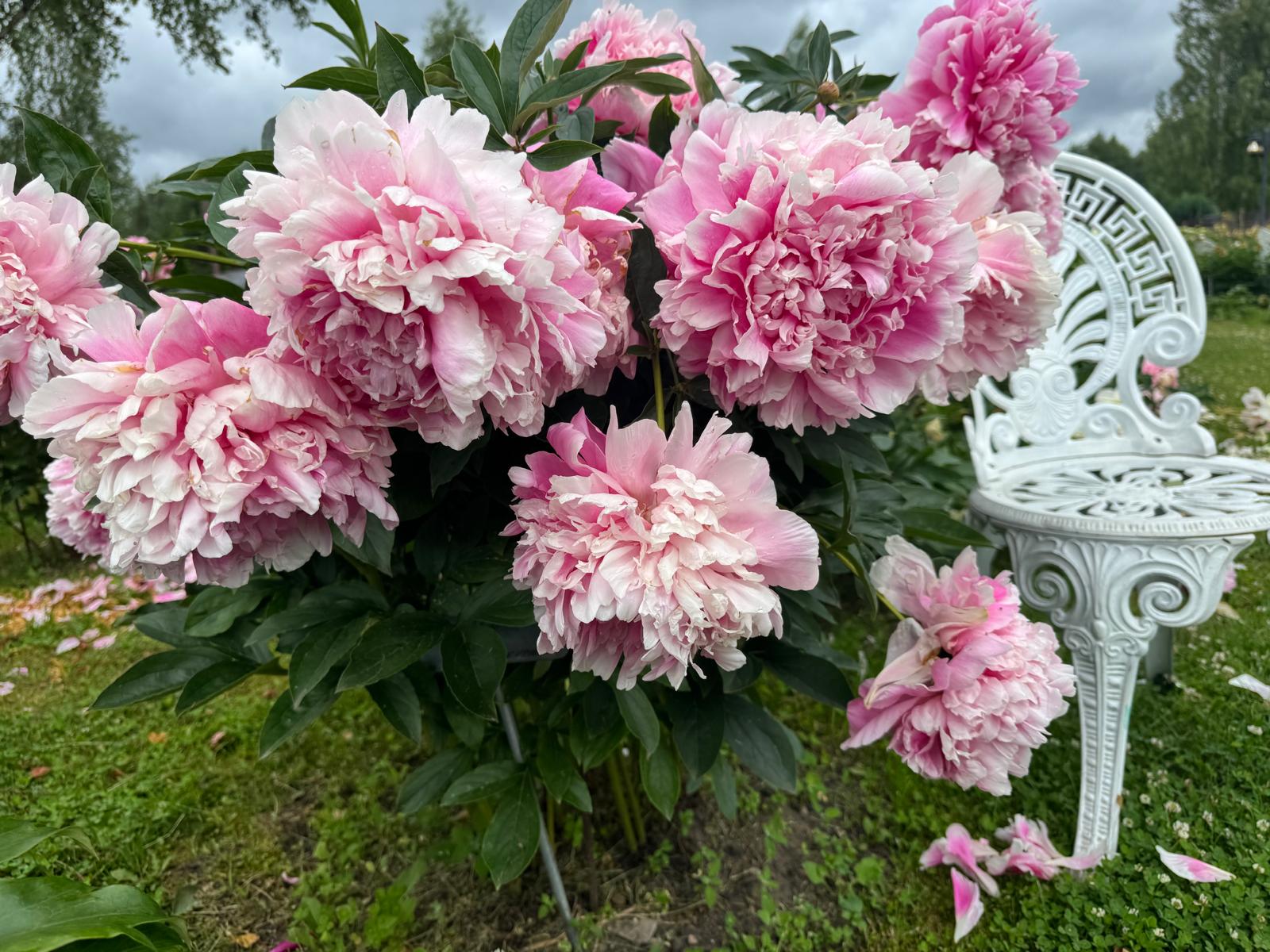
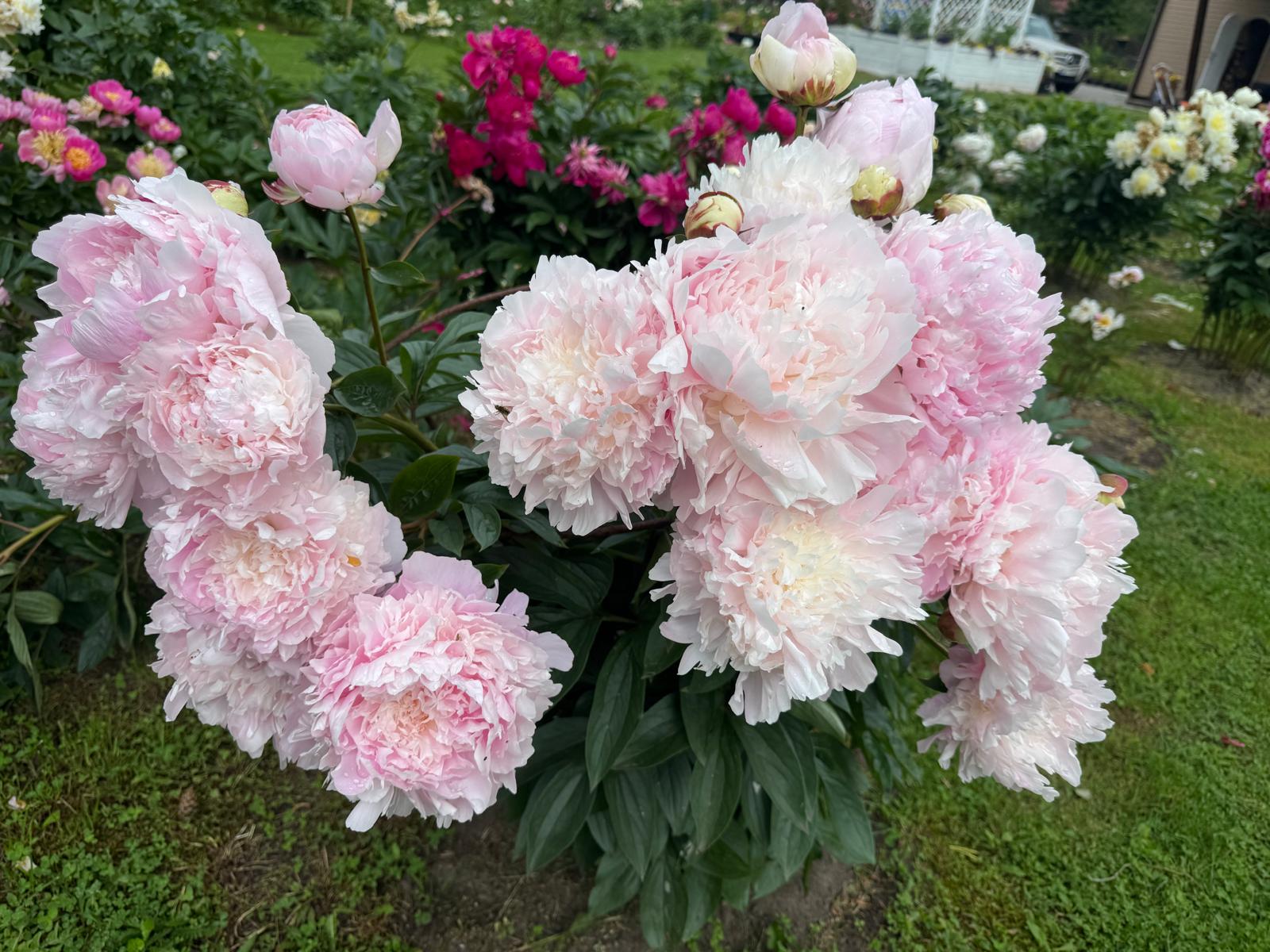
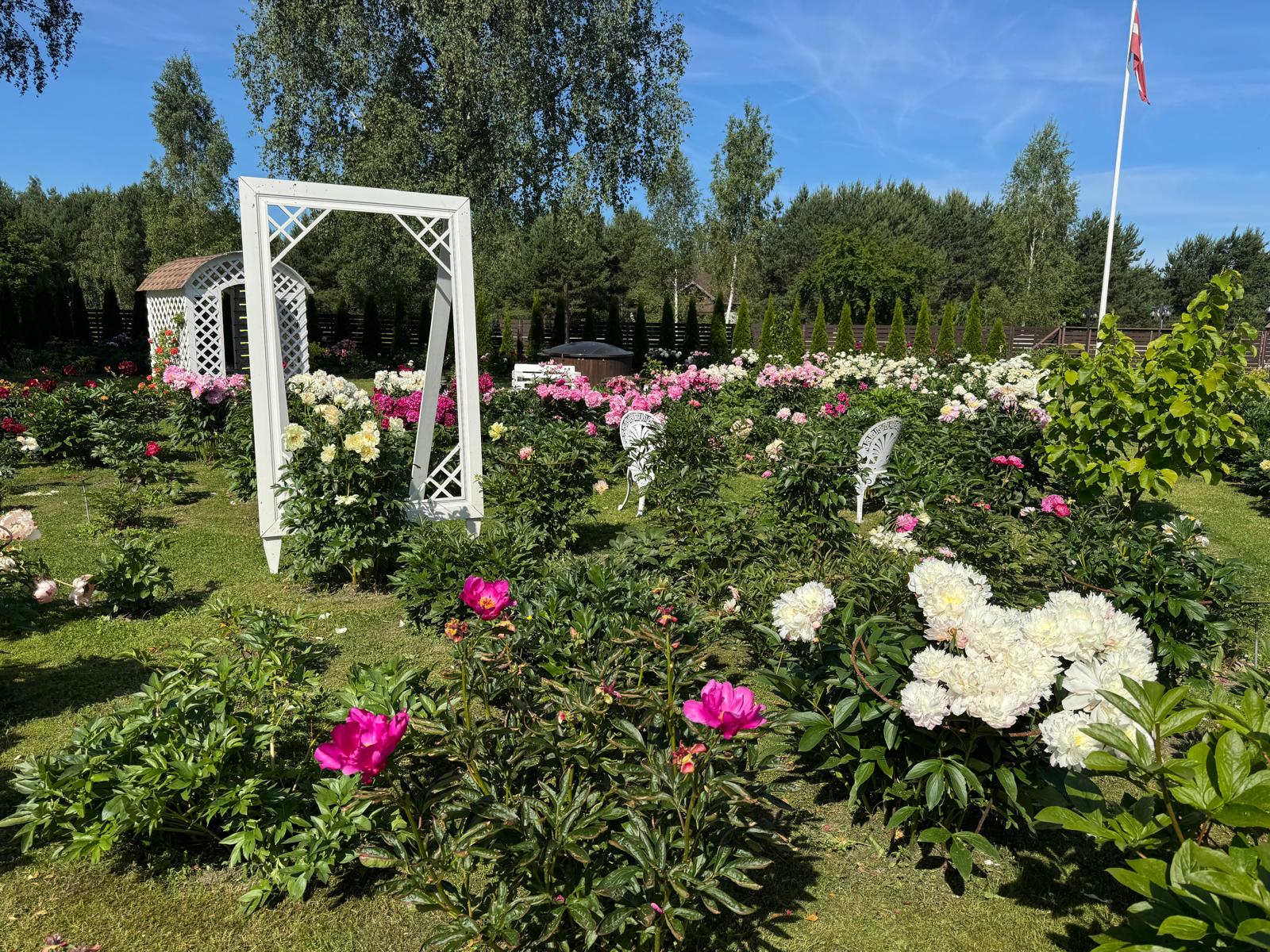
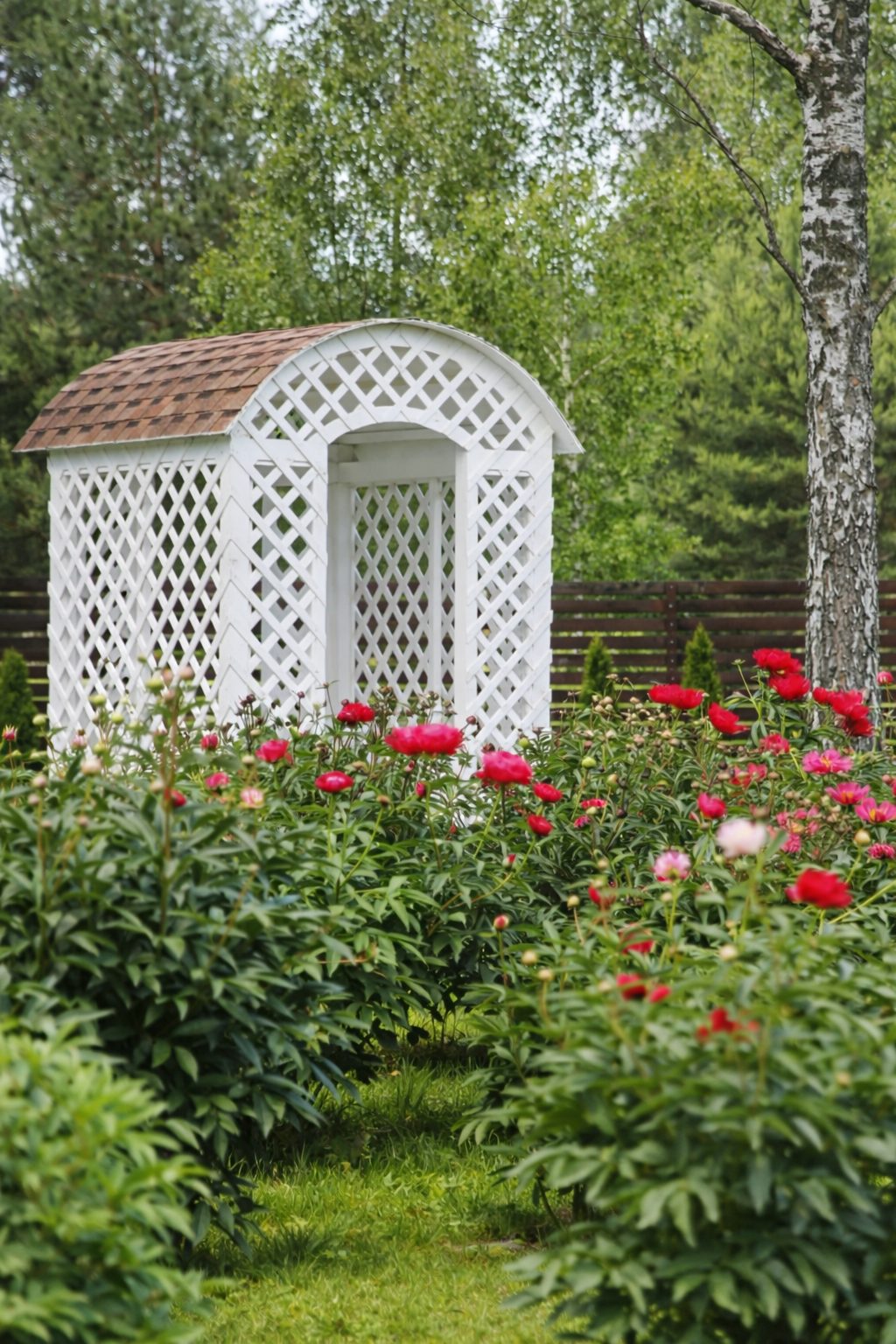
is a place where you can experience the splendour of peonies.
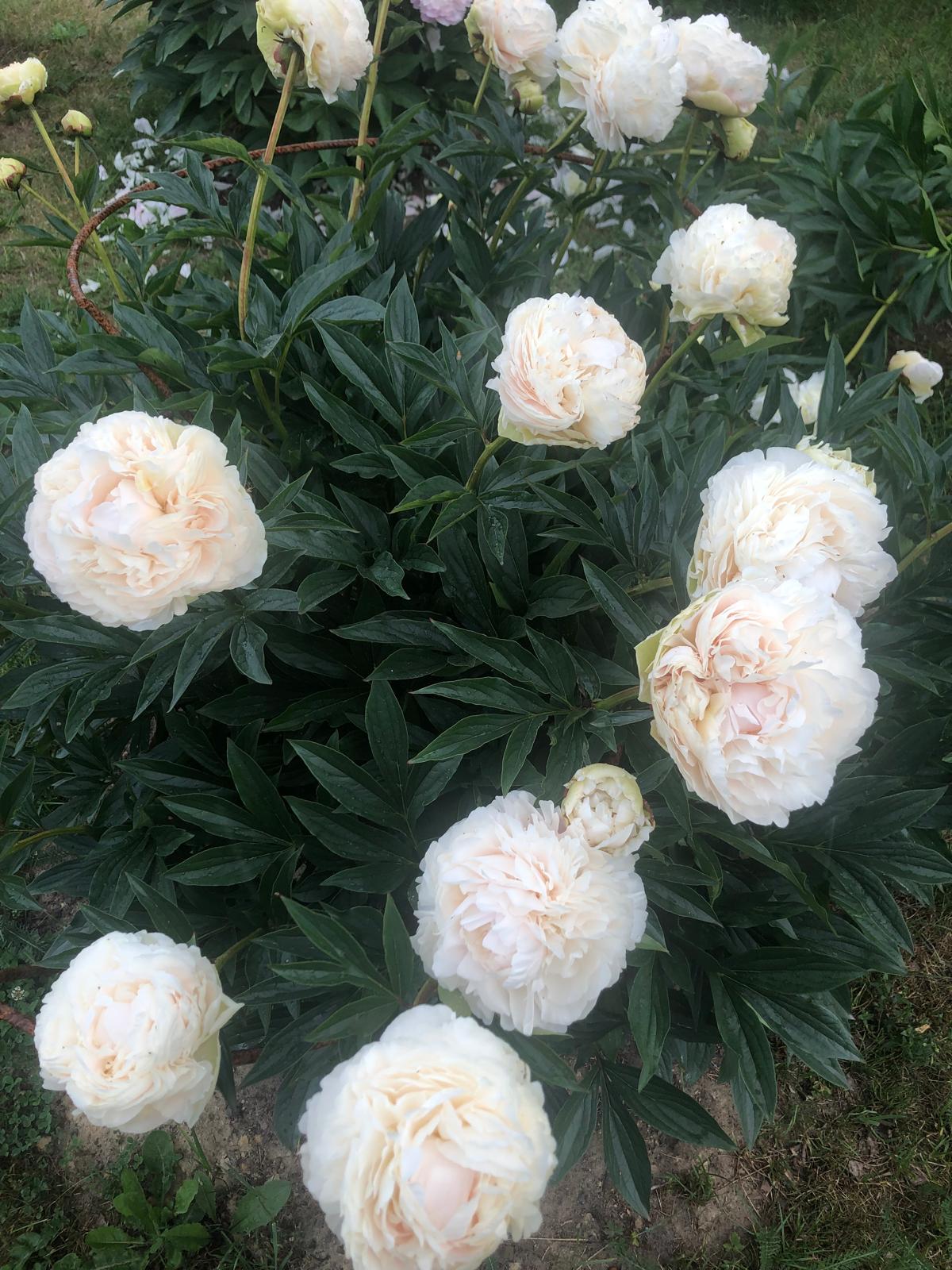
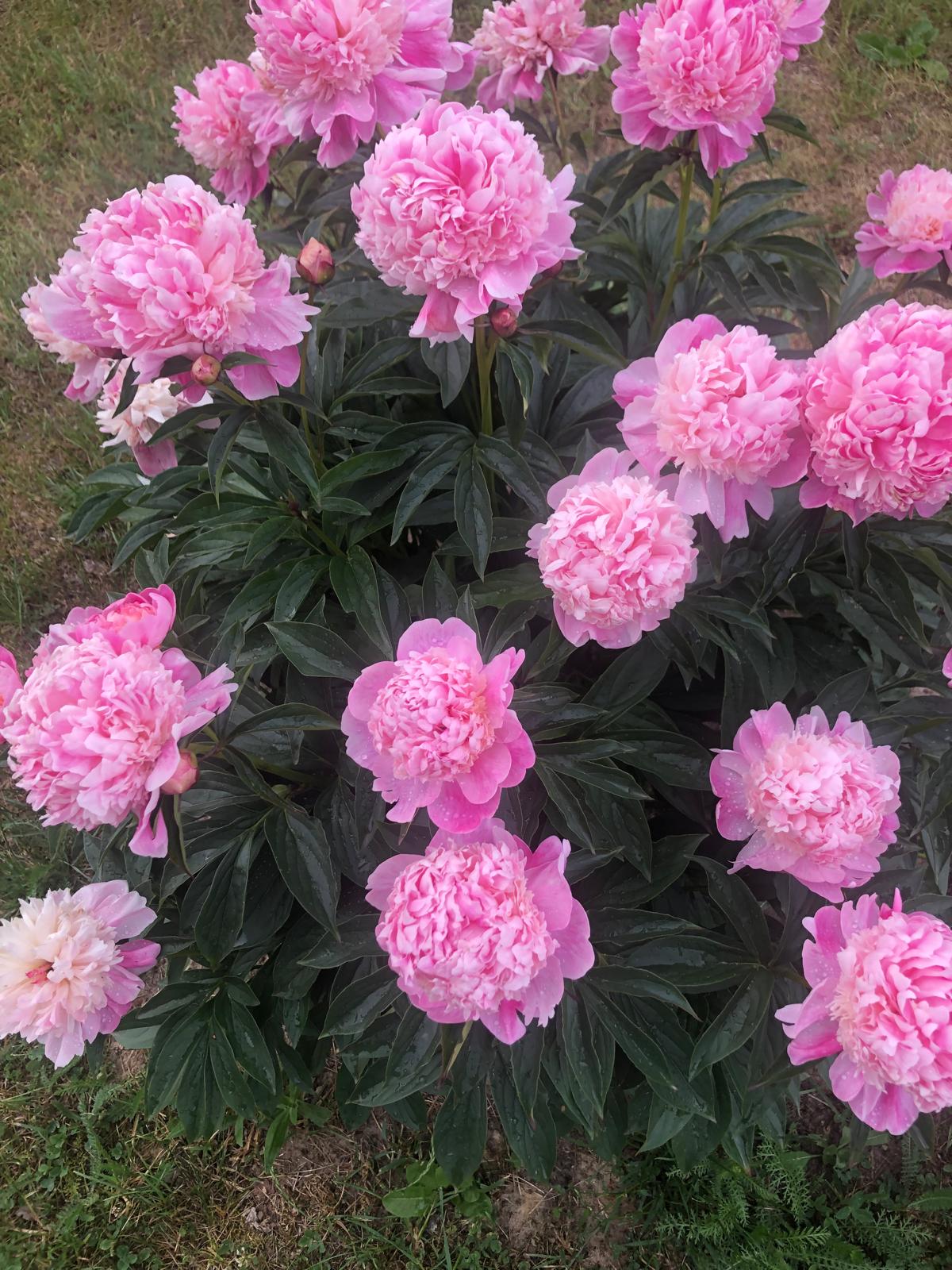
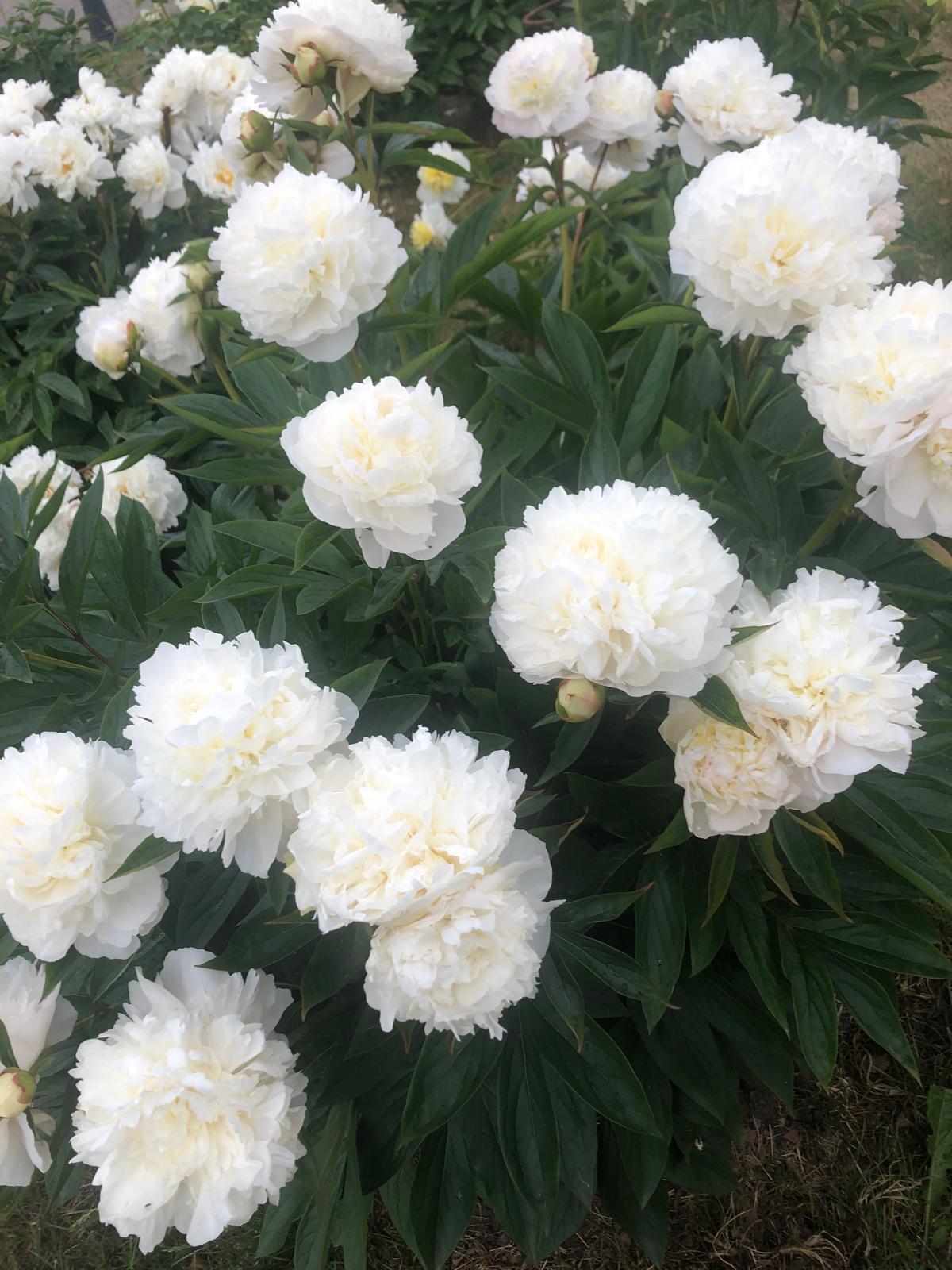
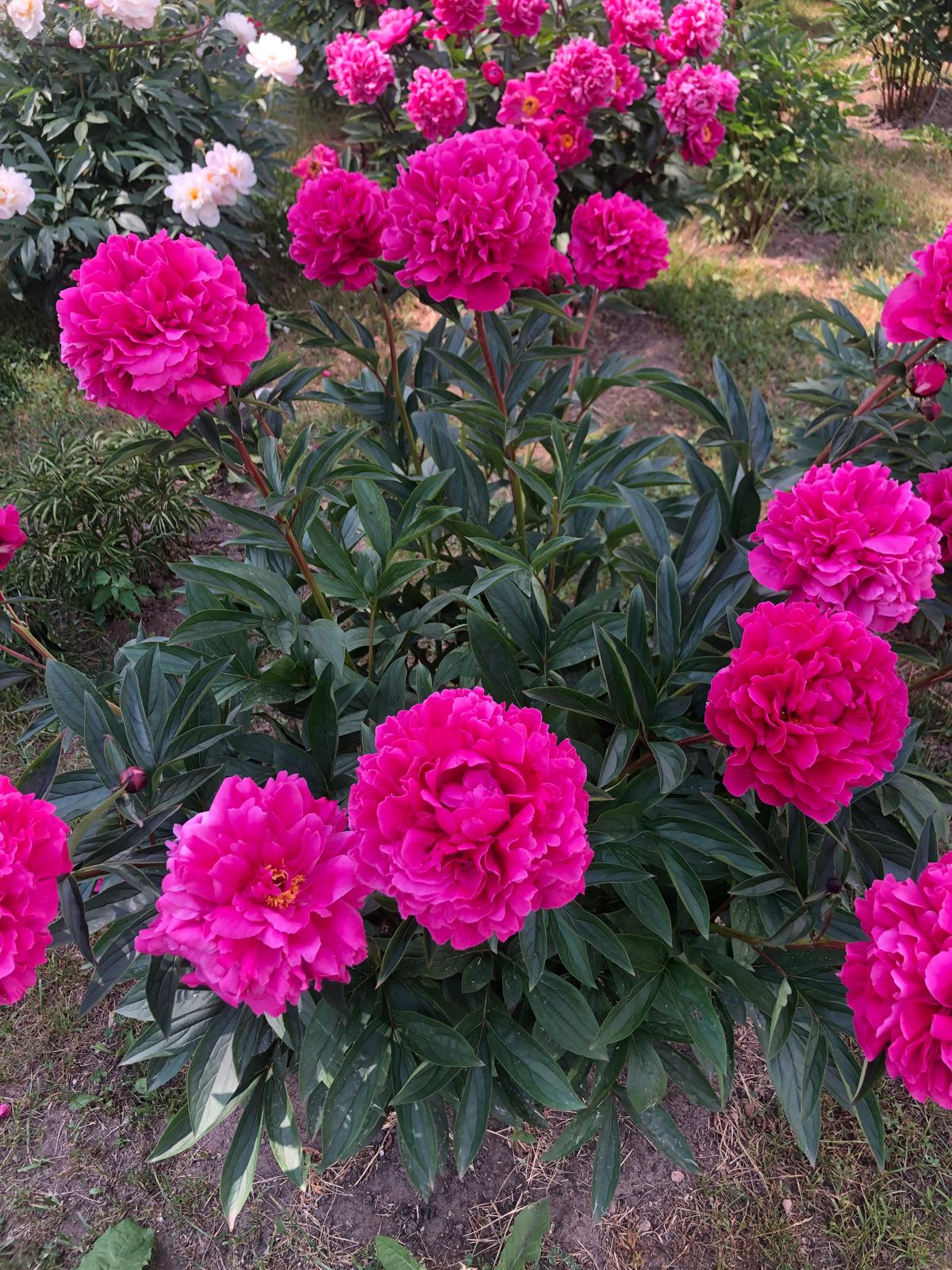
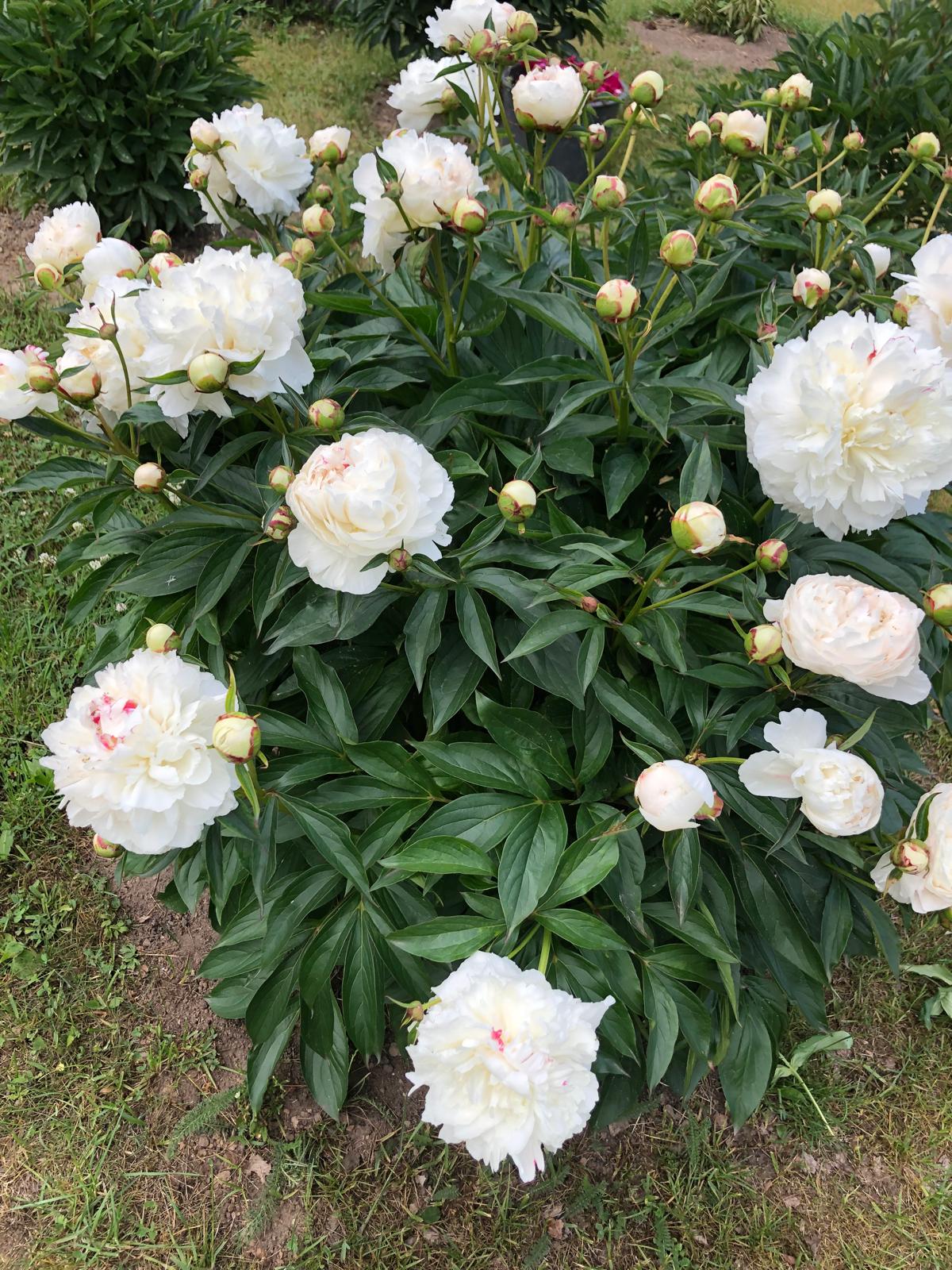
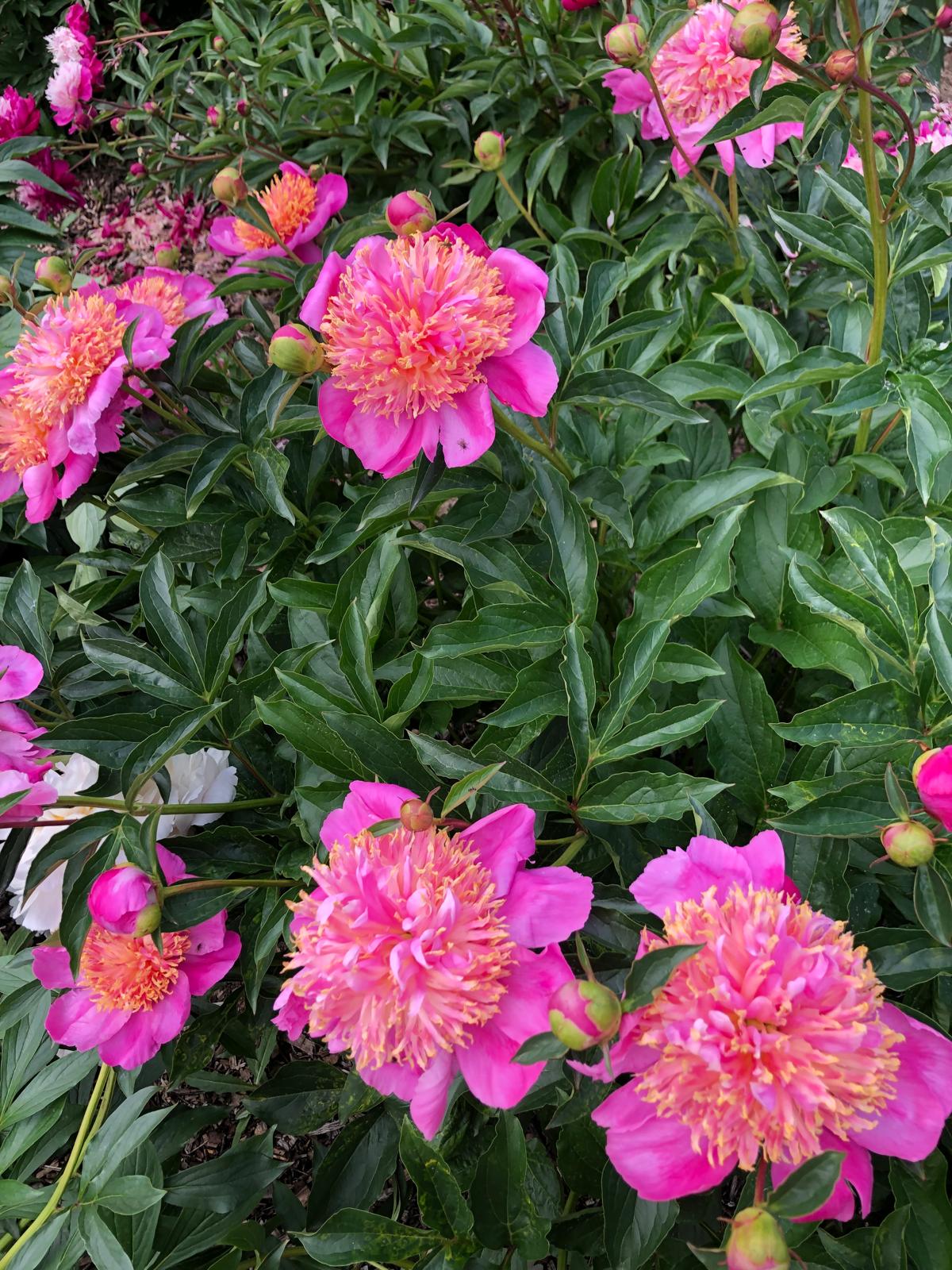
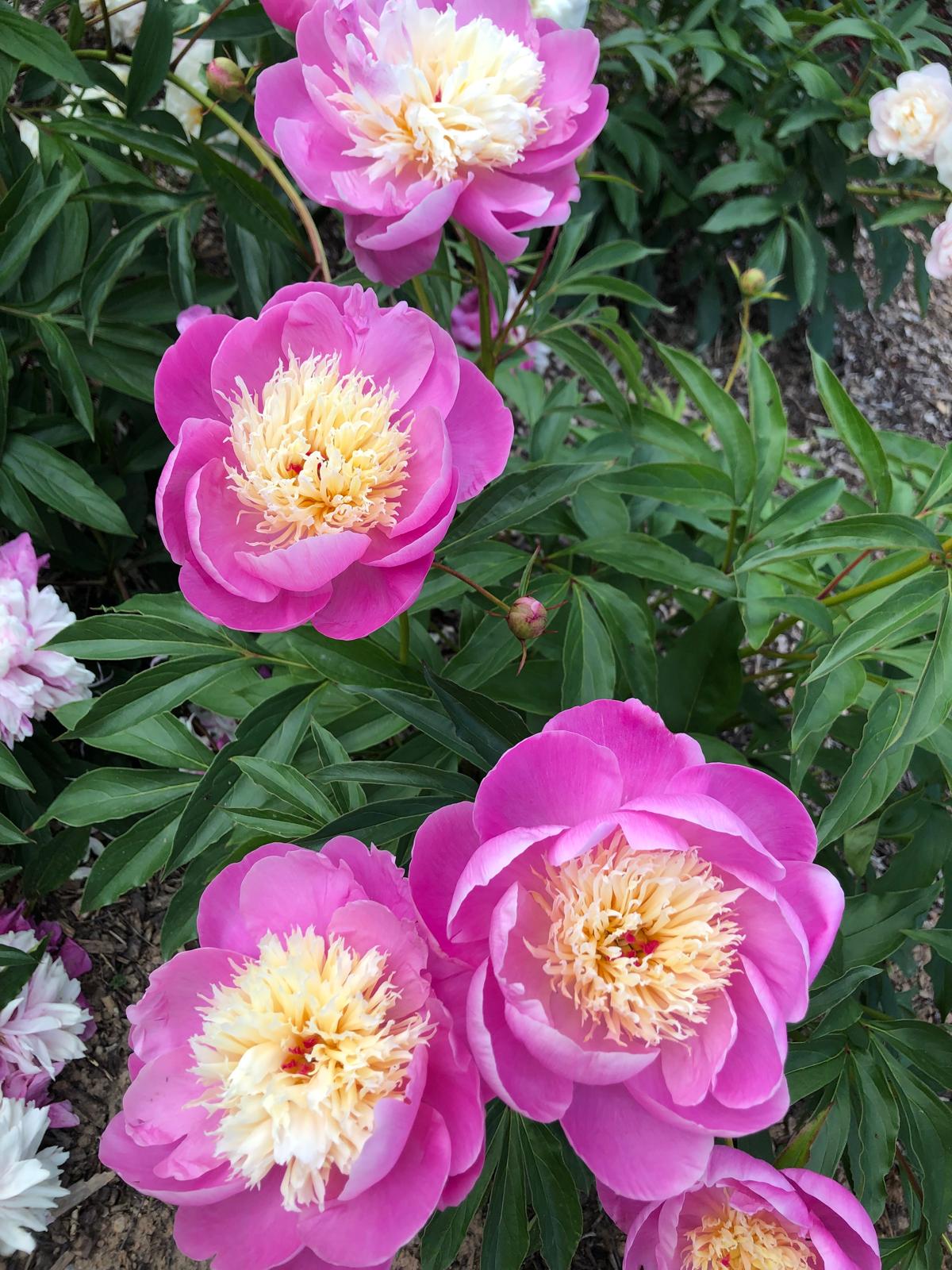
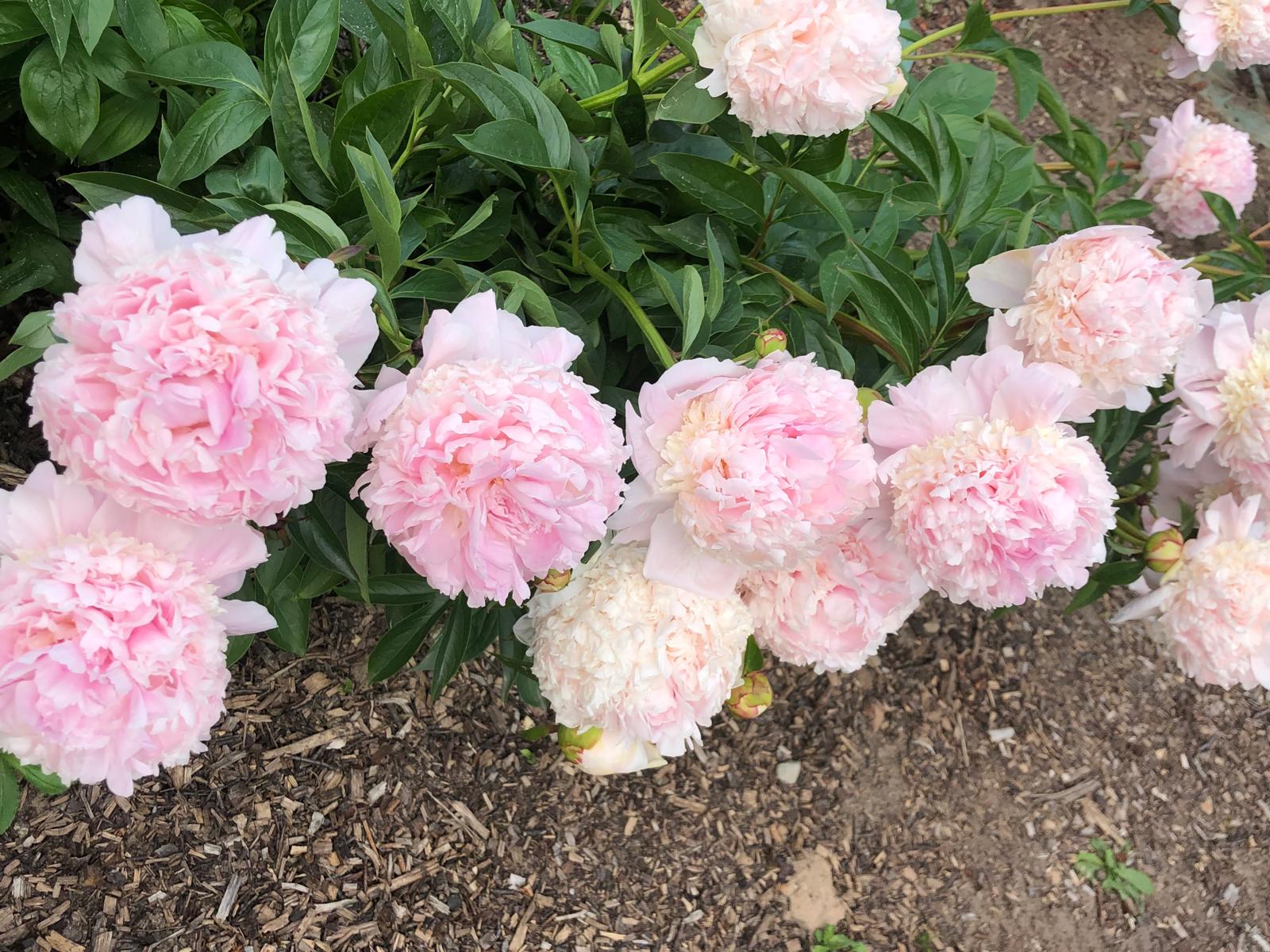
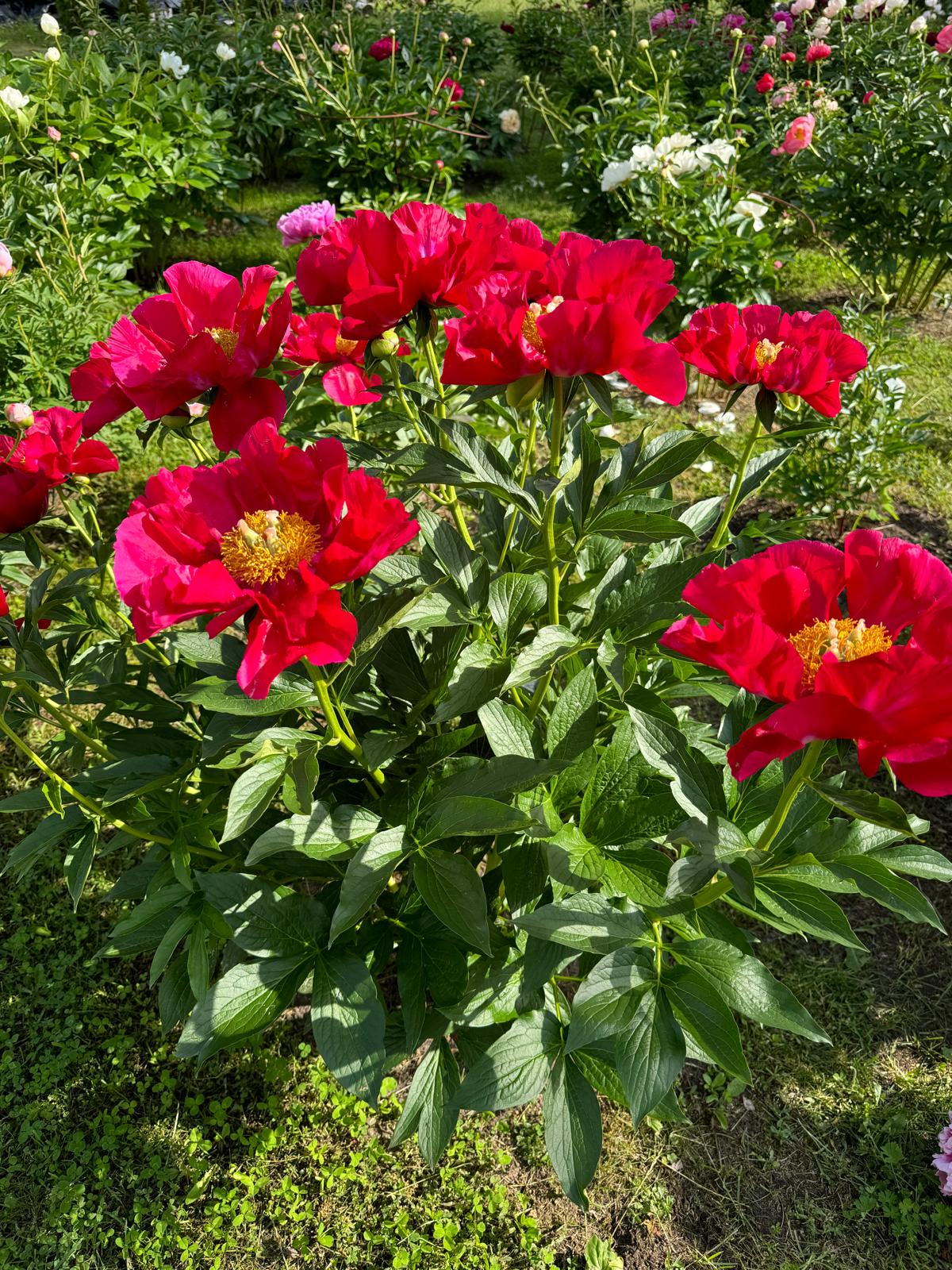
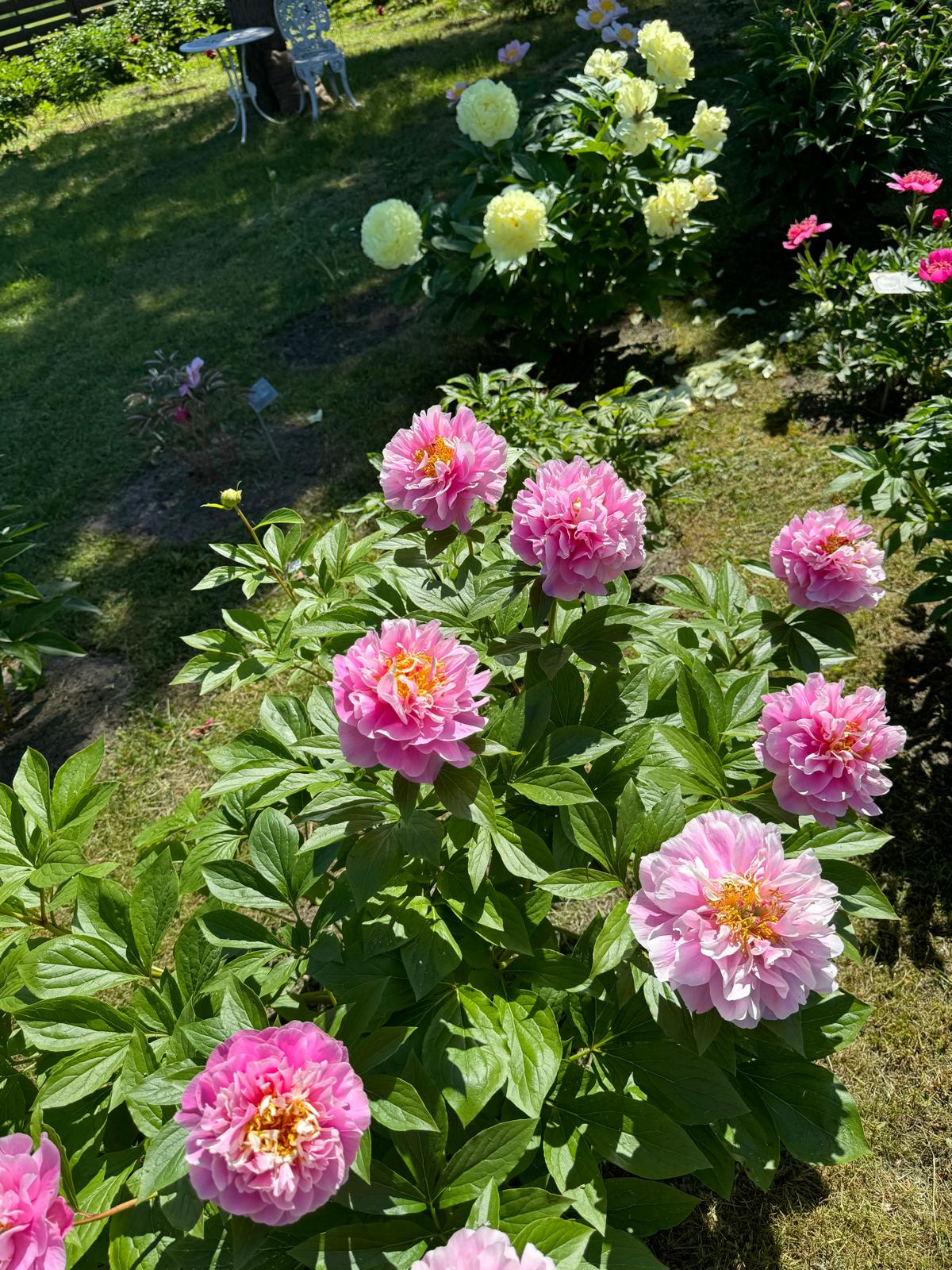
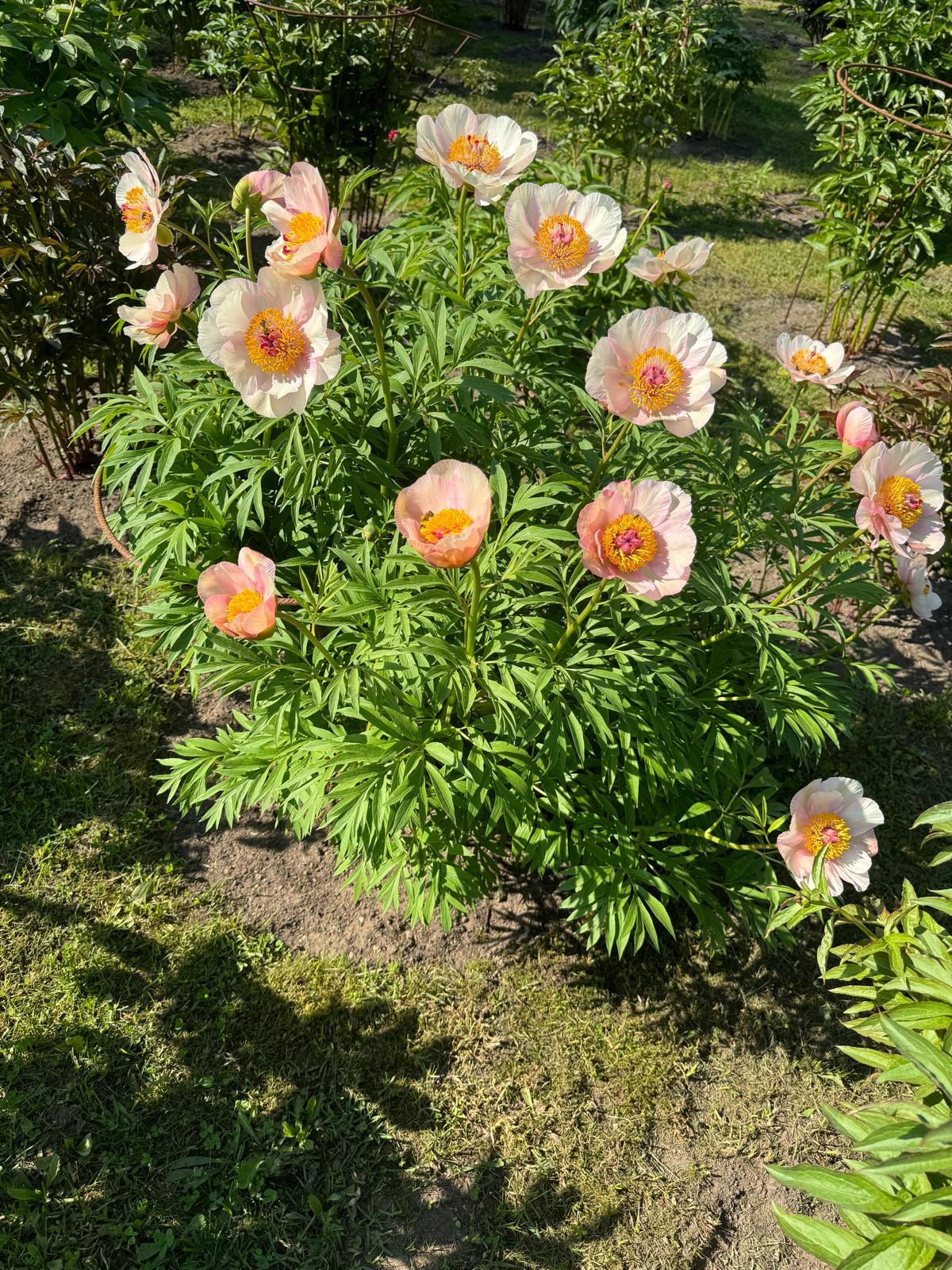
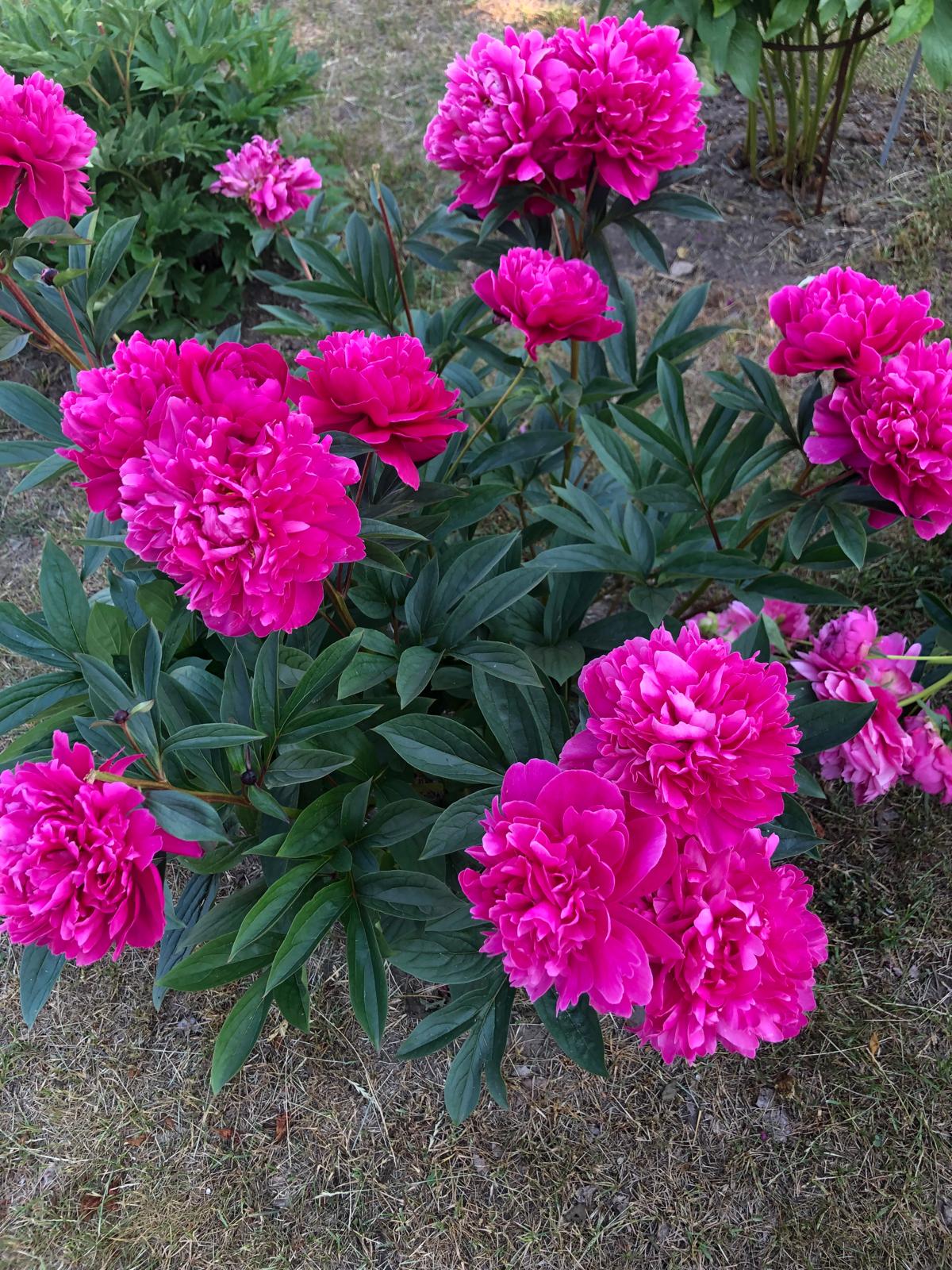
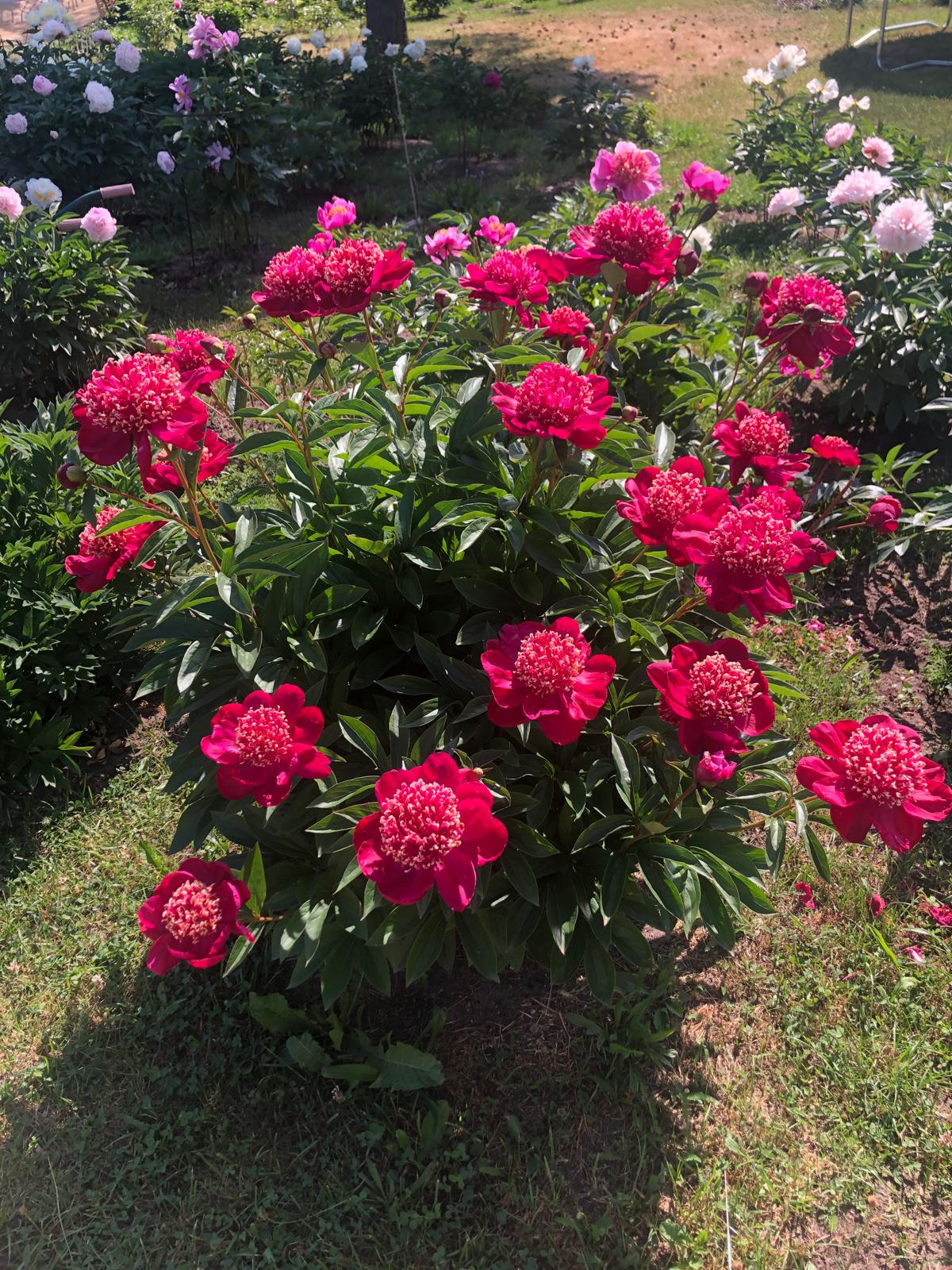
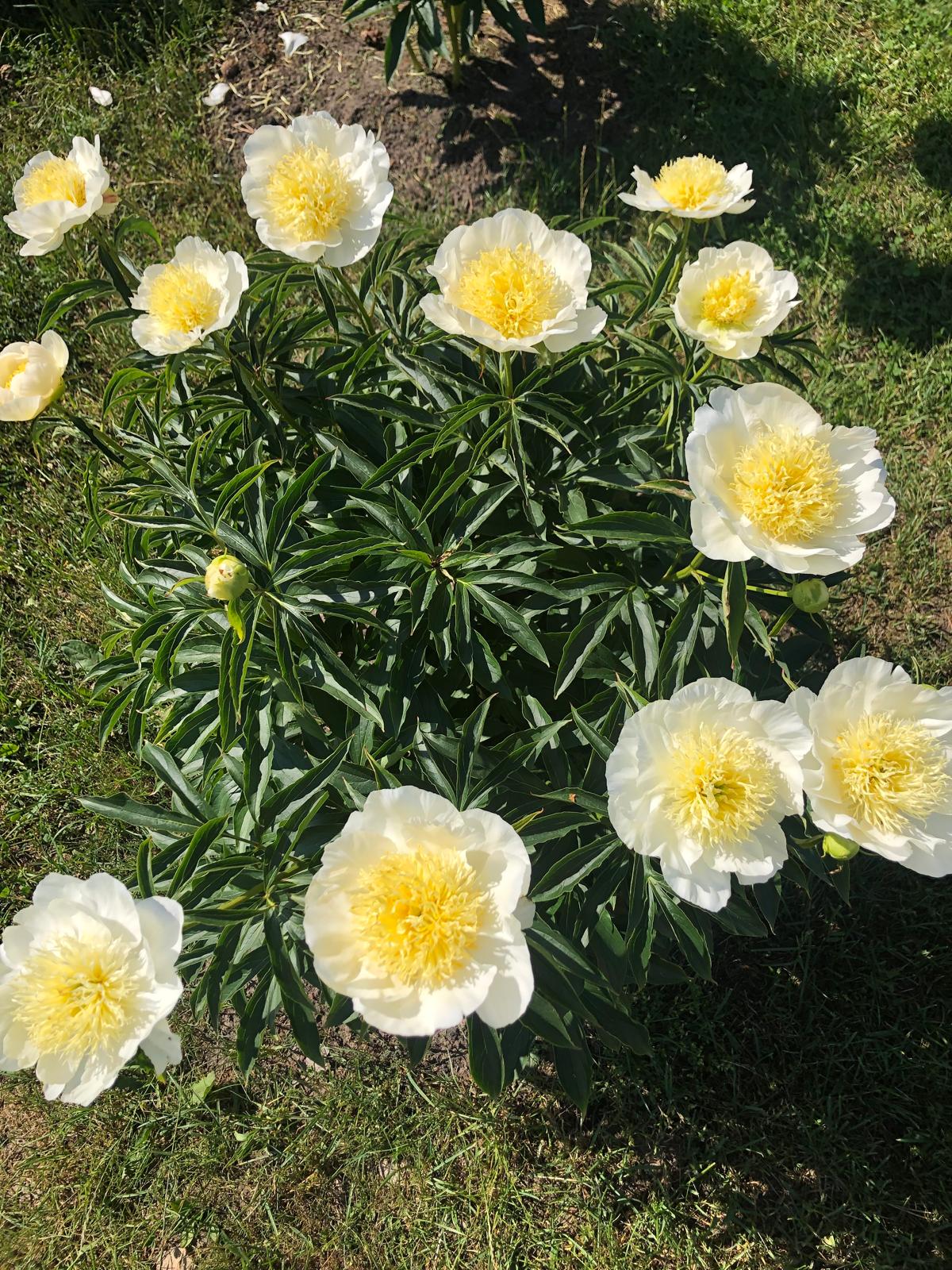
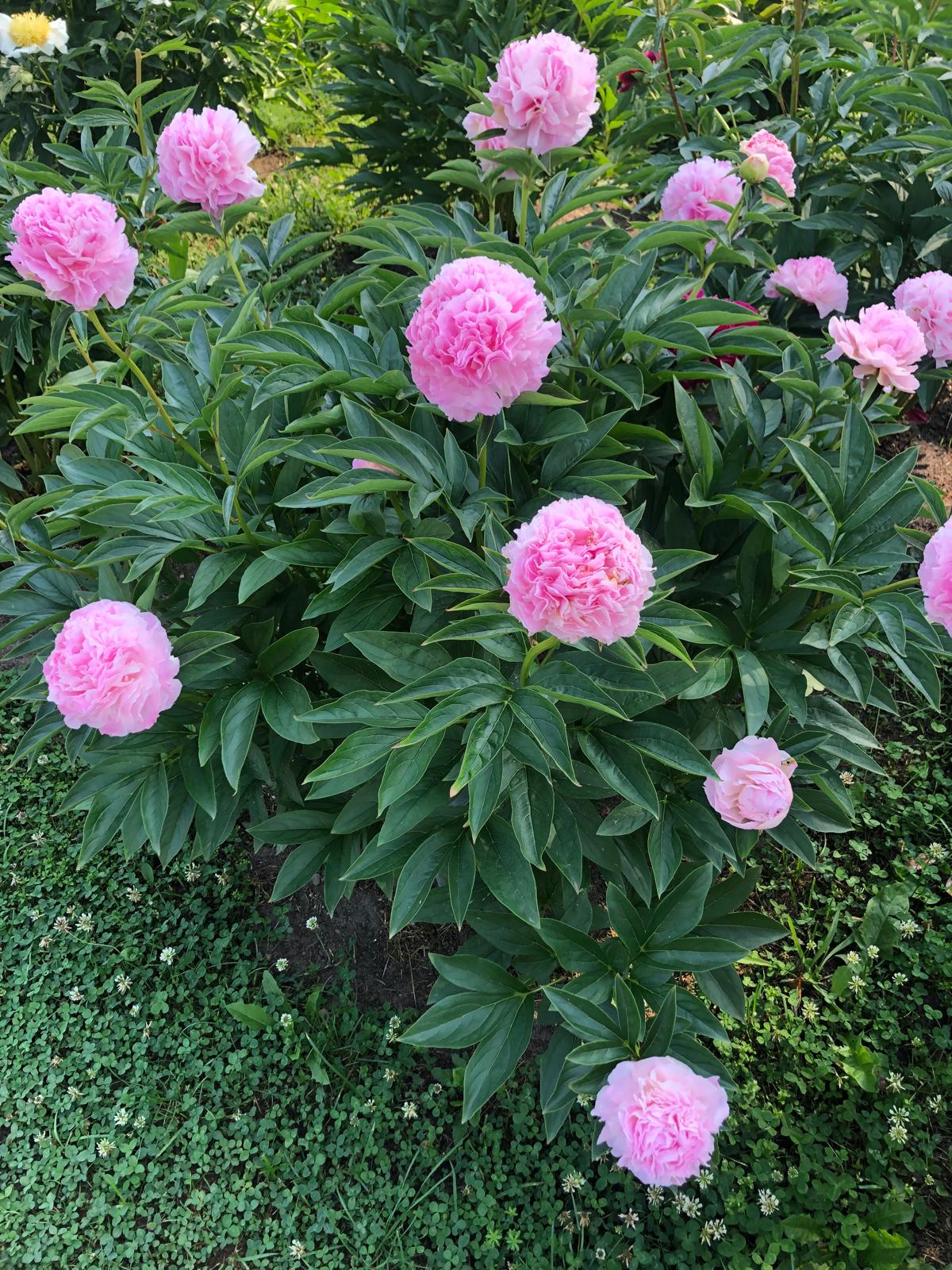
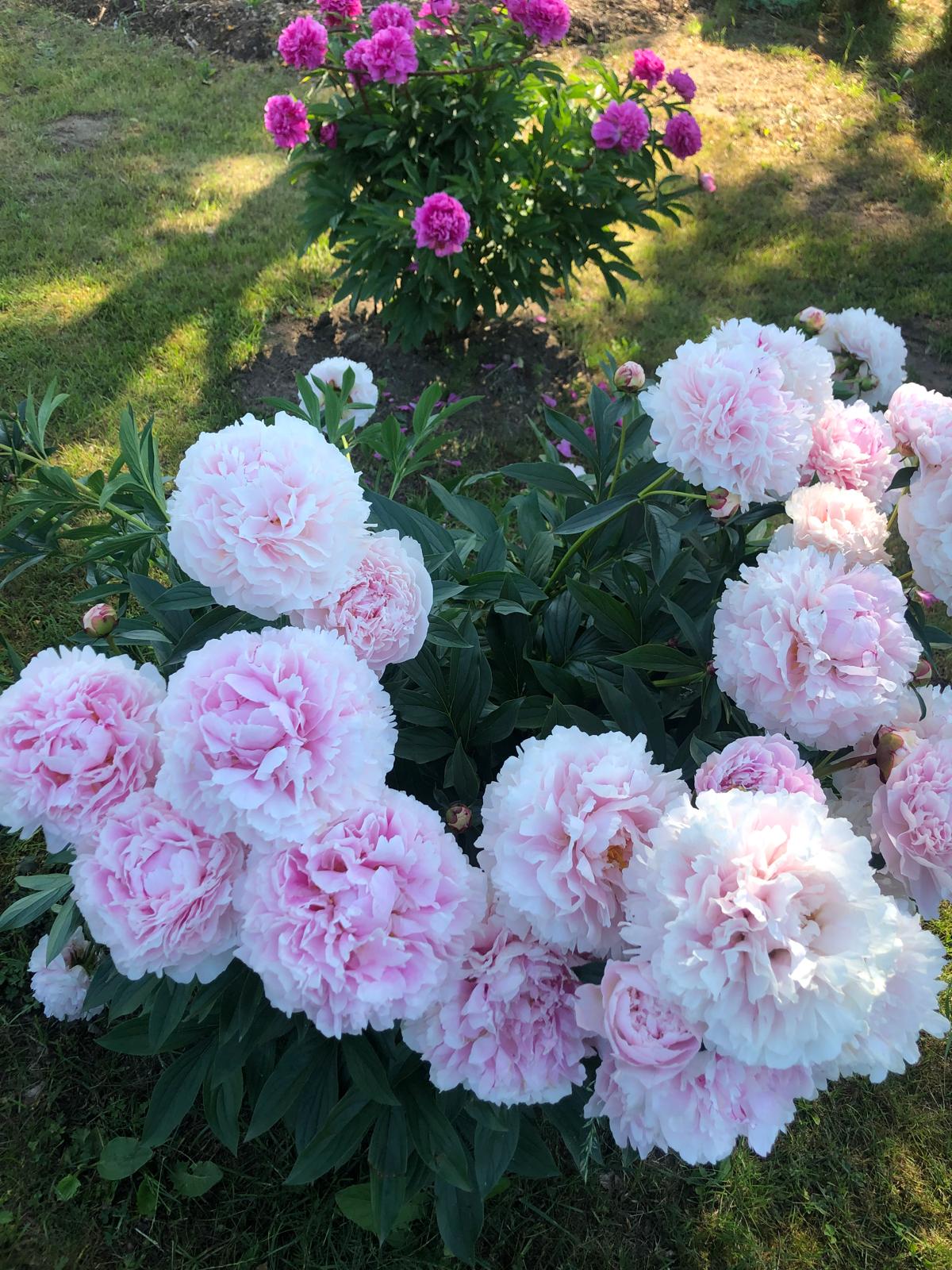
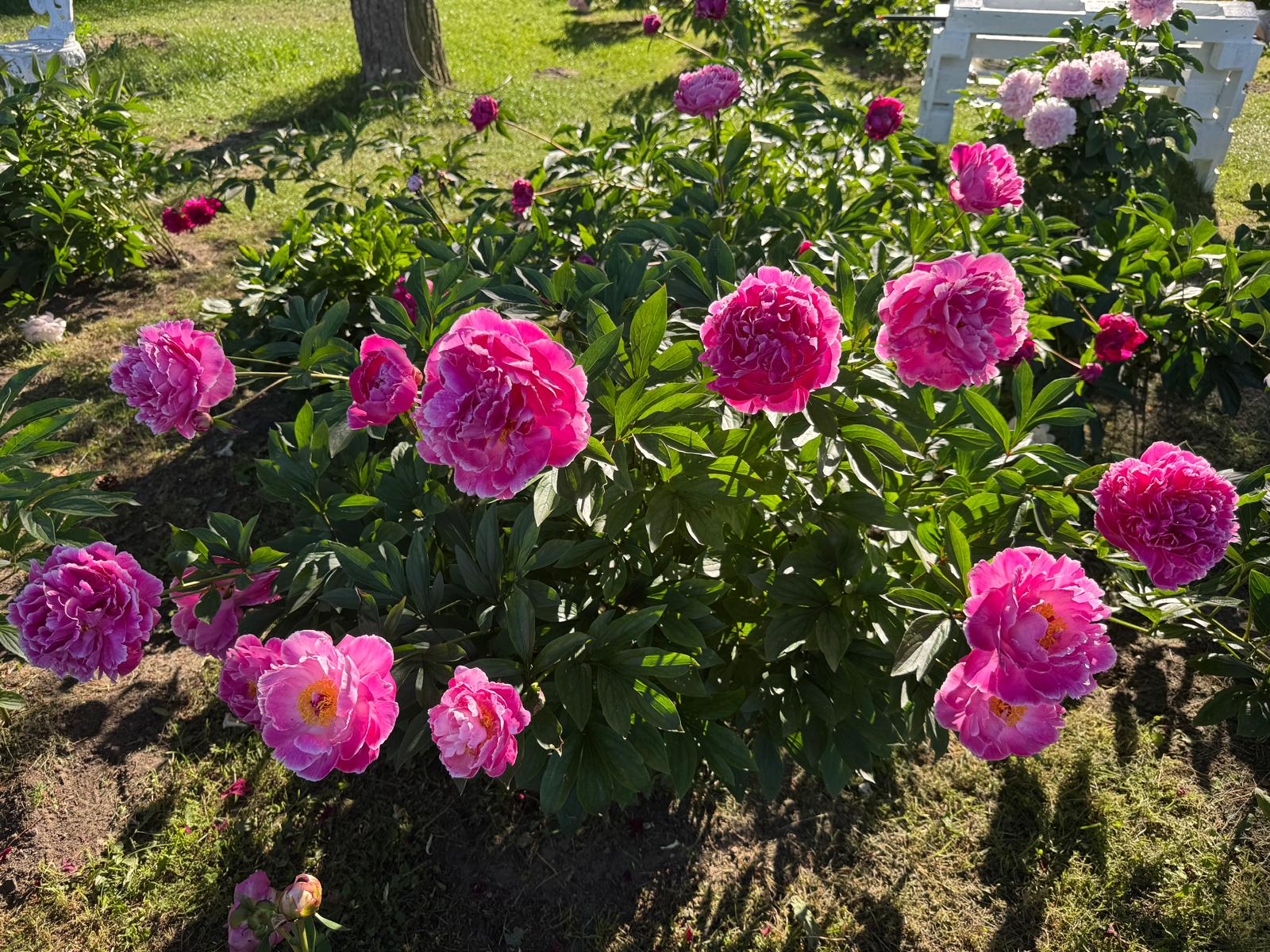
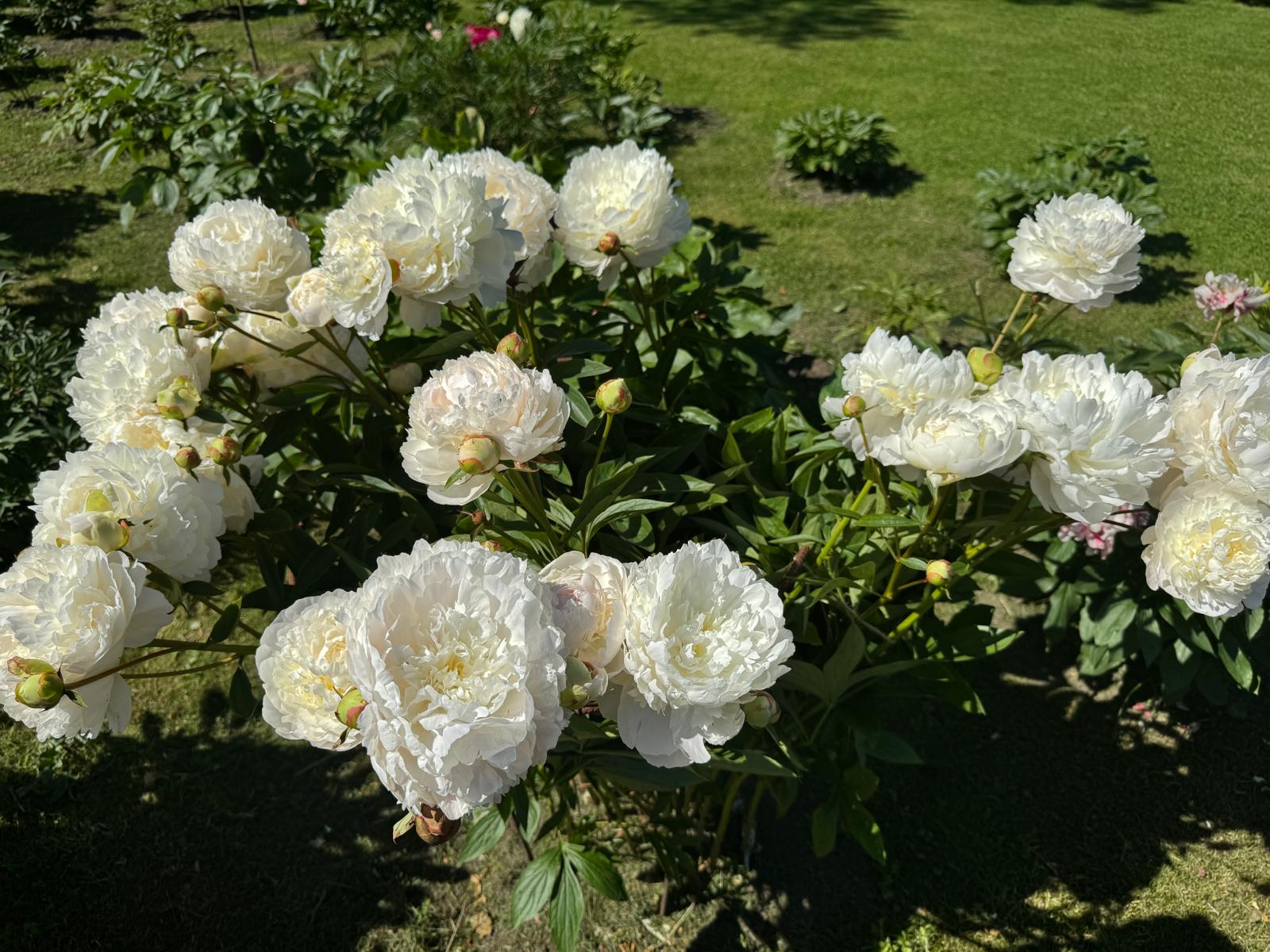
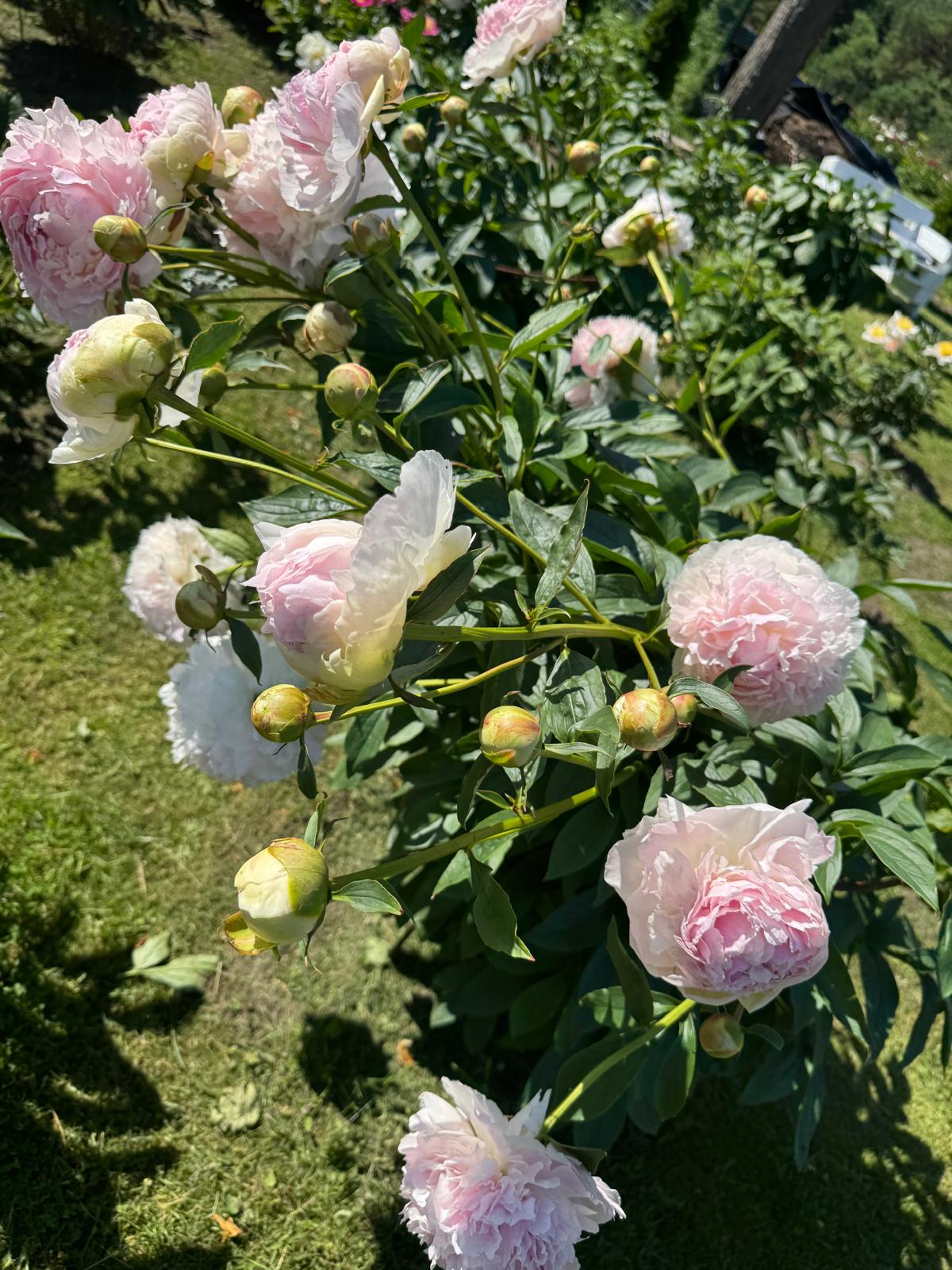
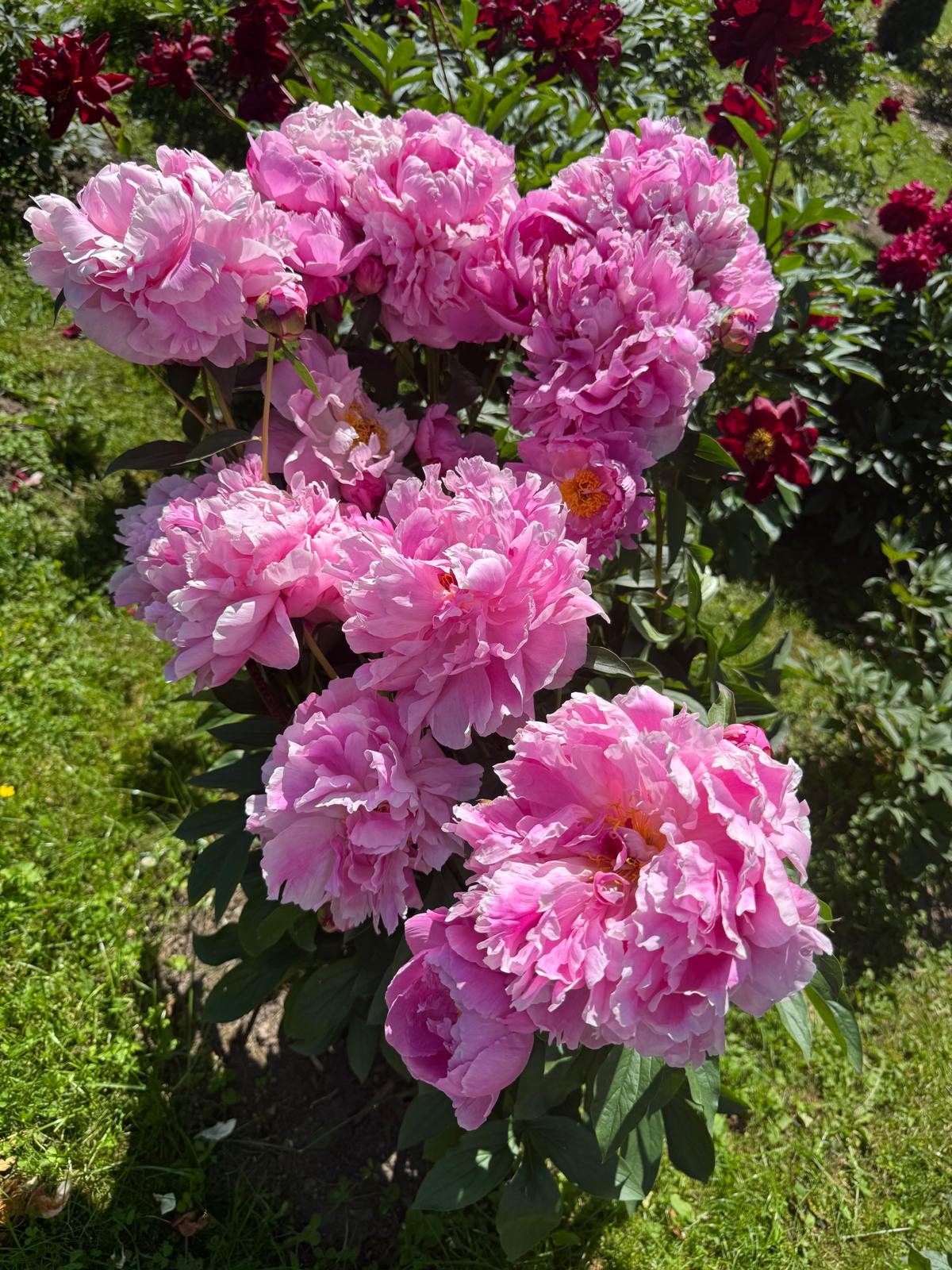
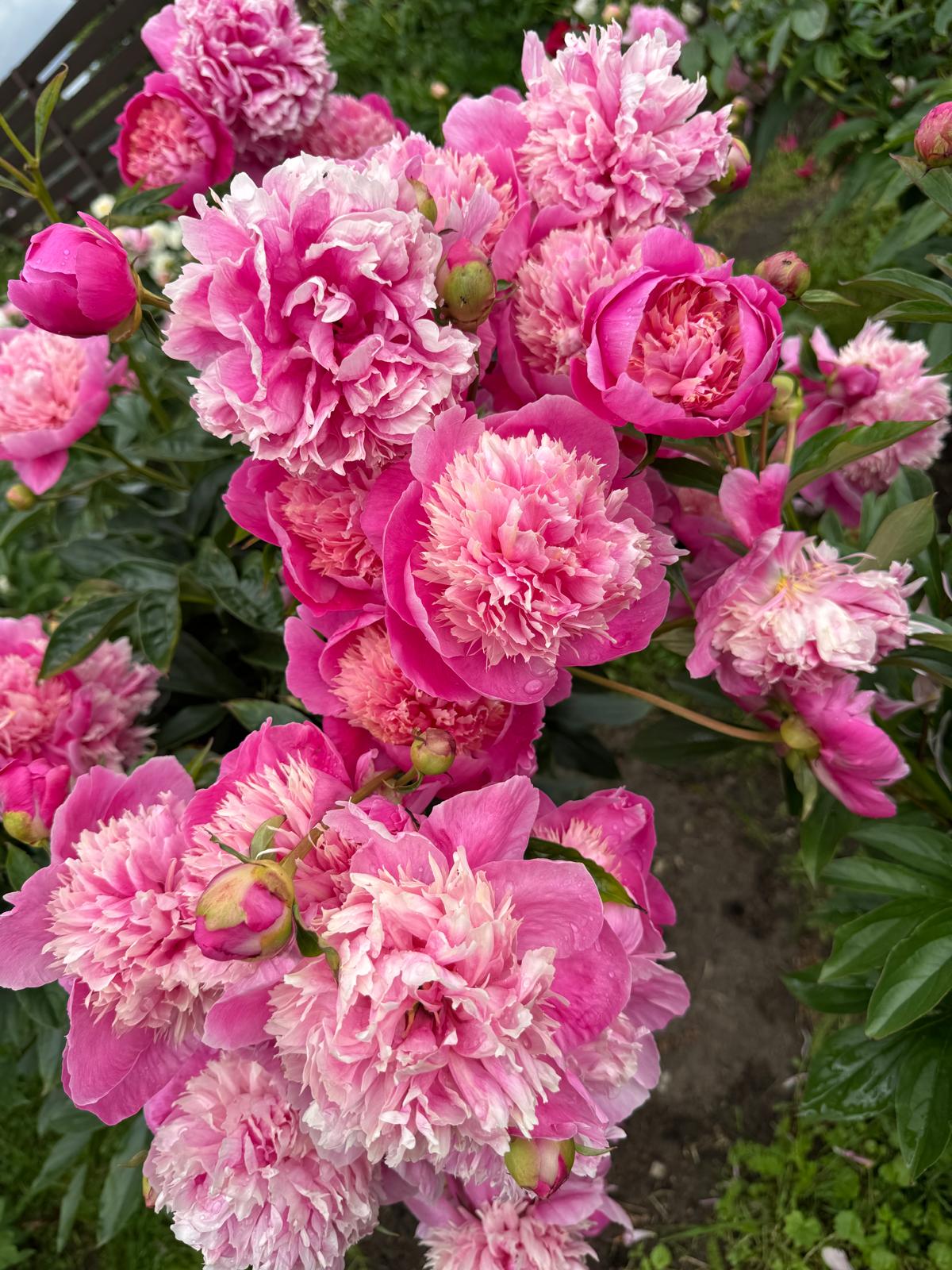
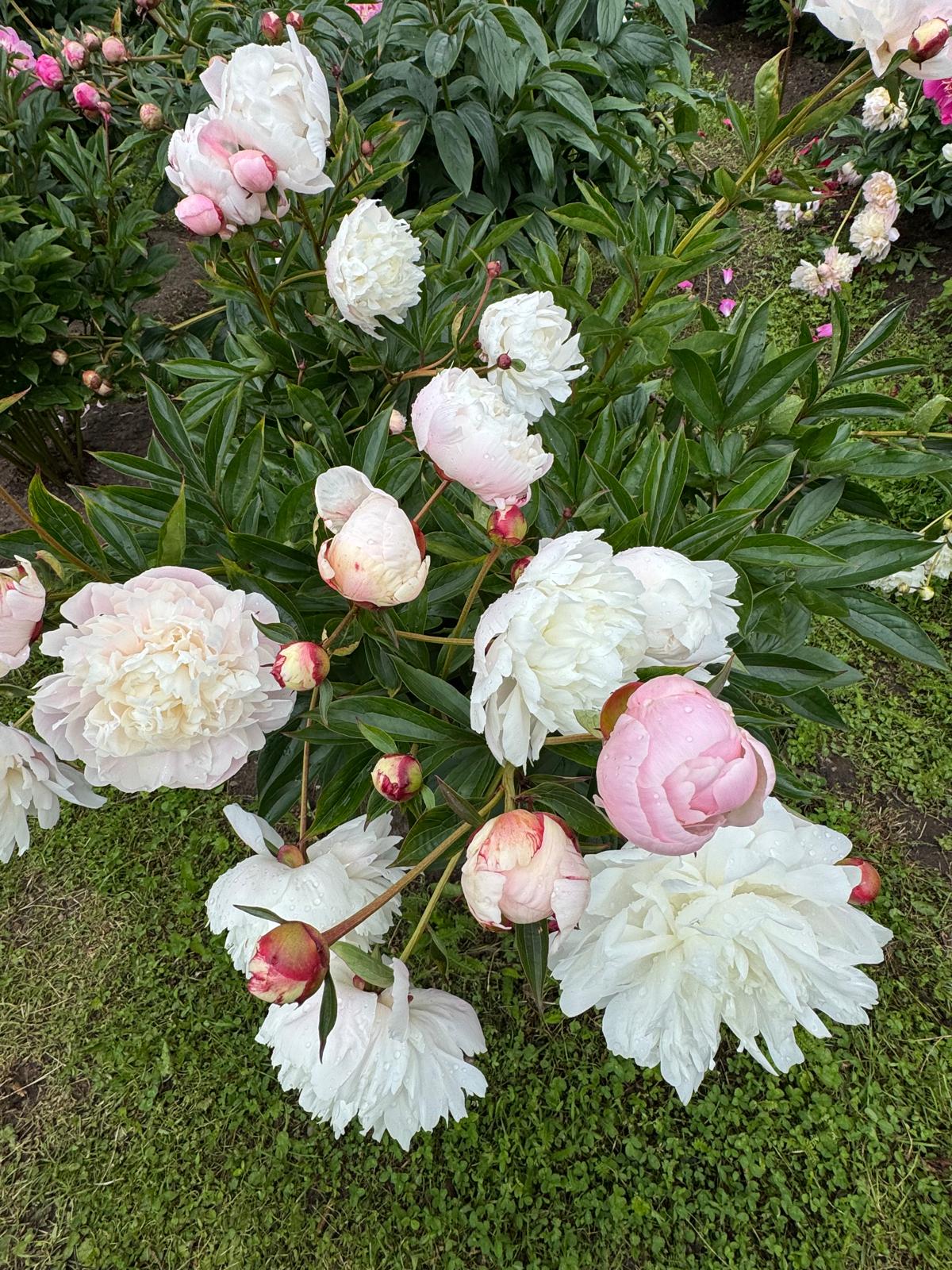
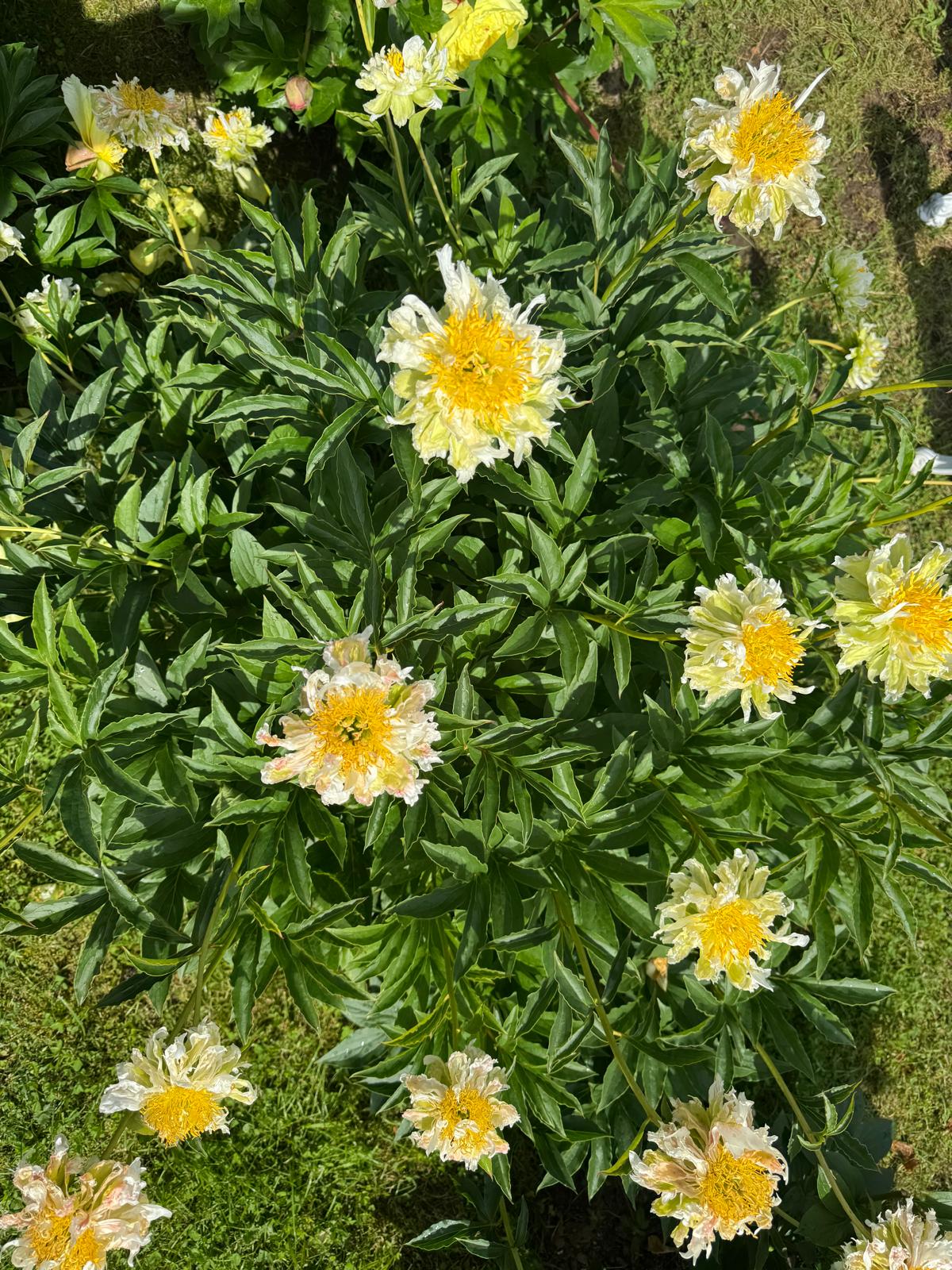
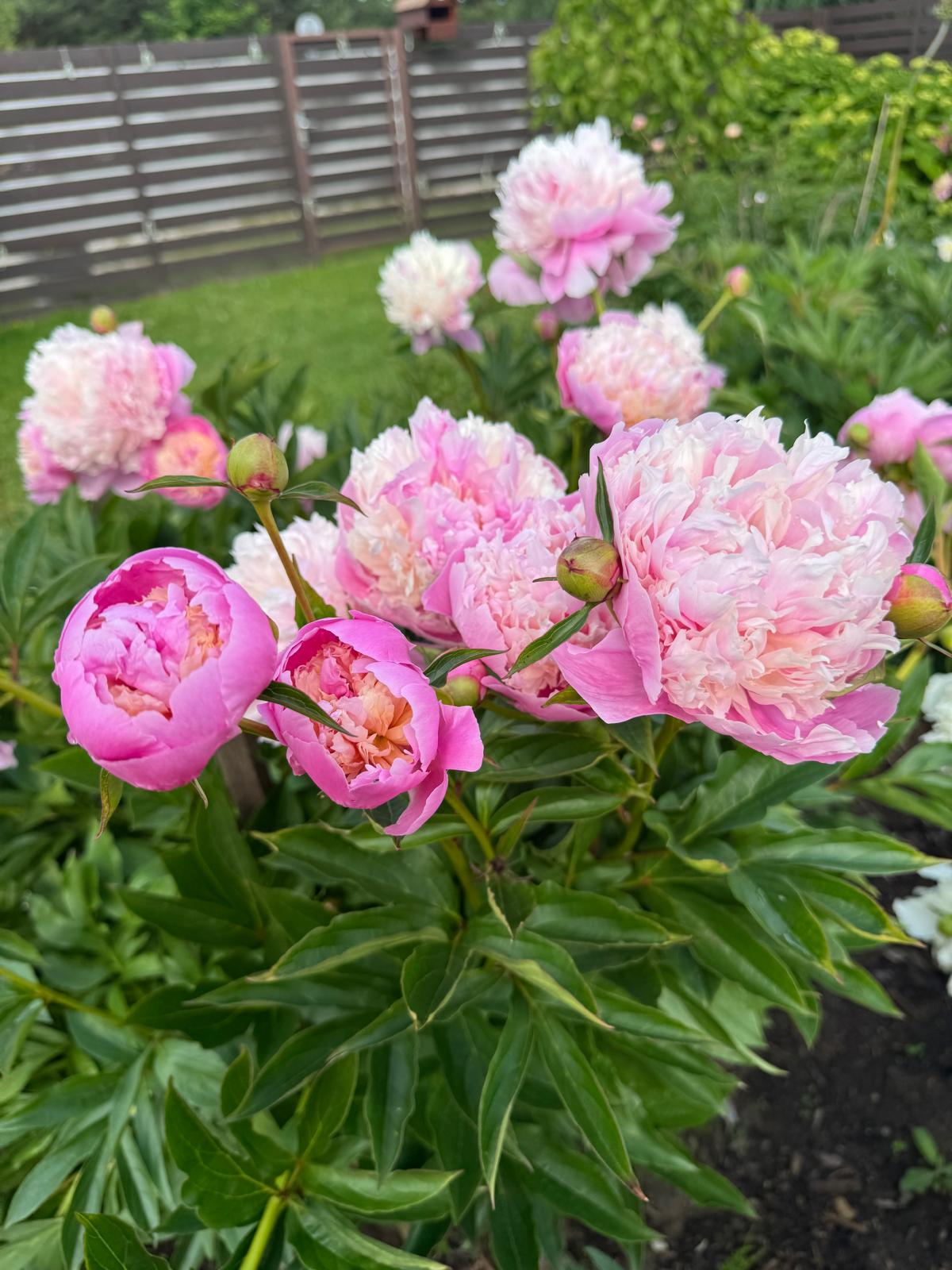
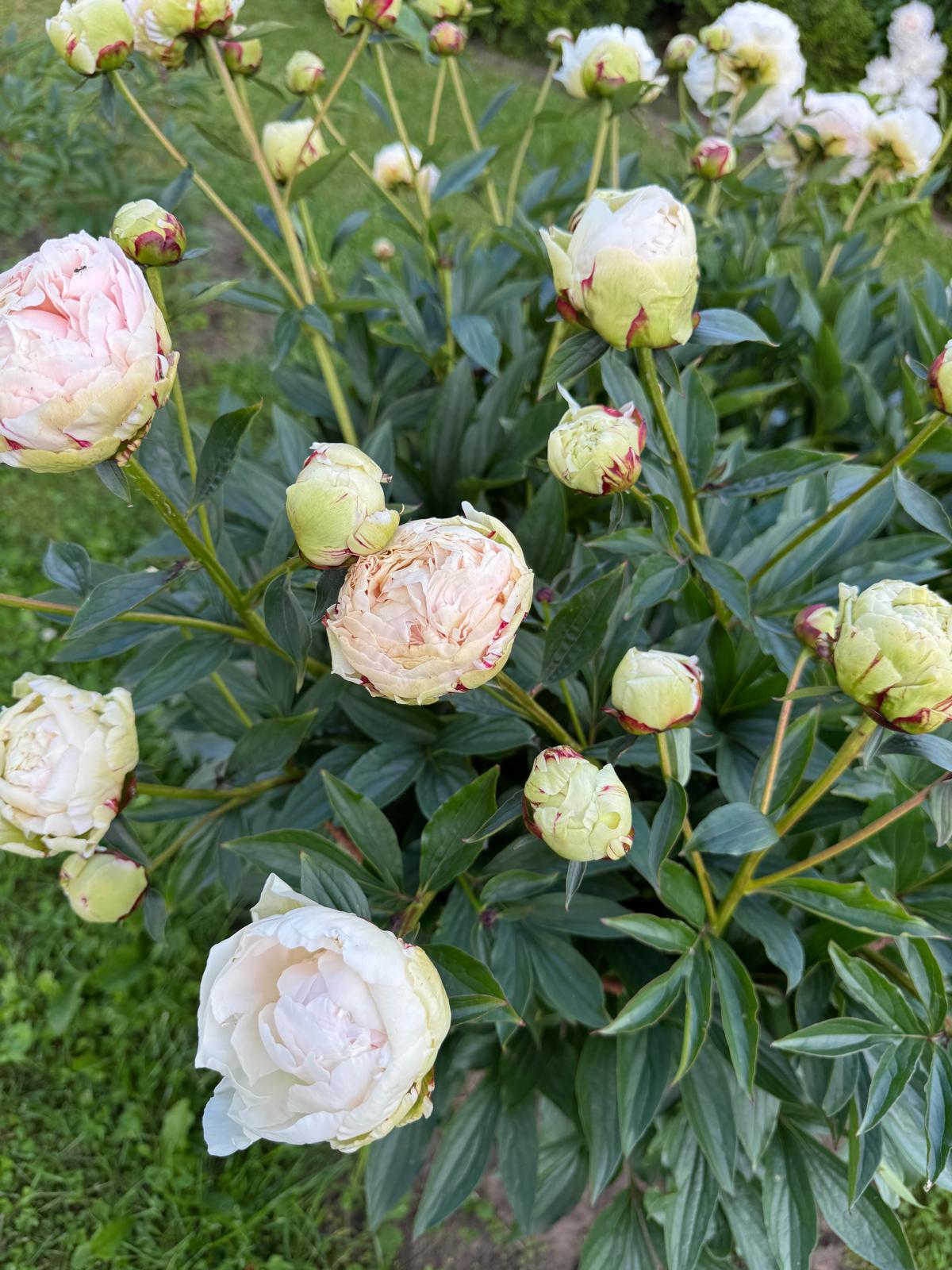
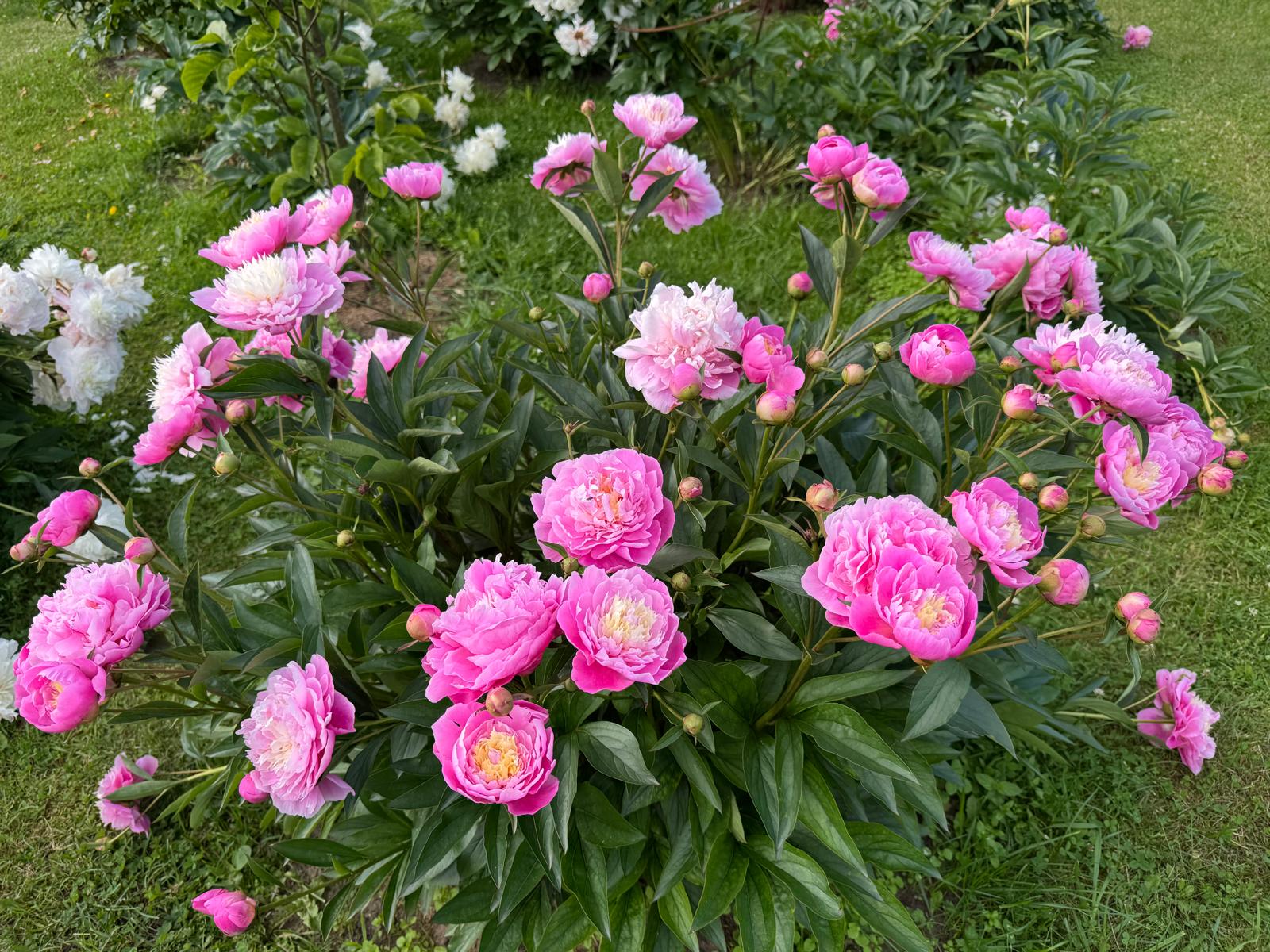
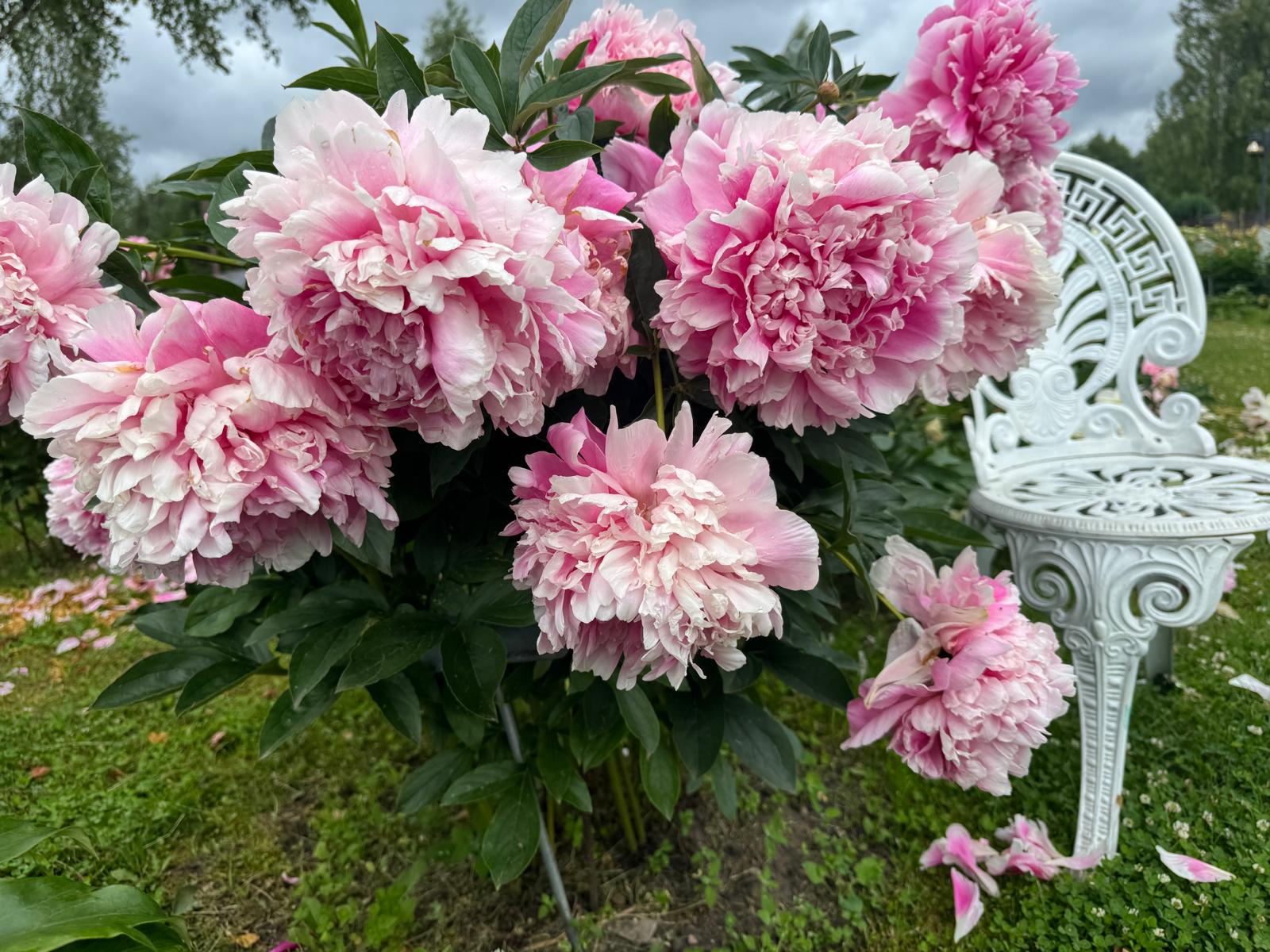
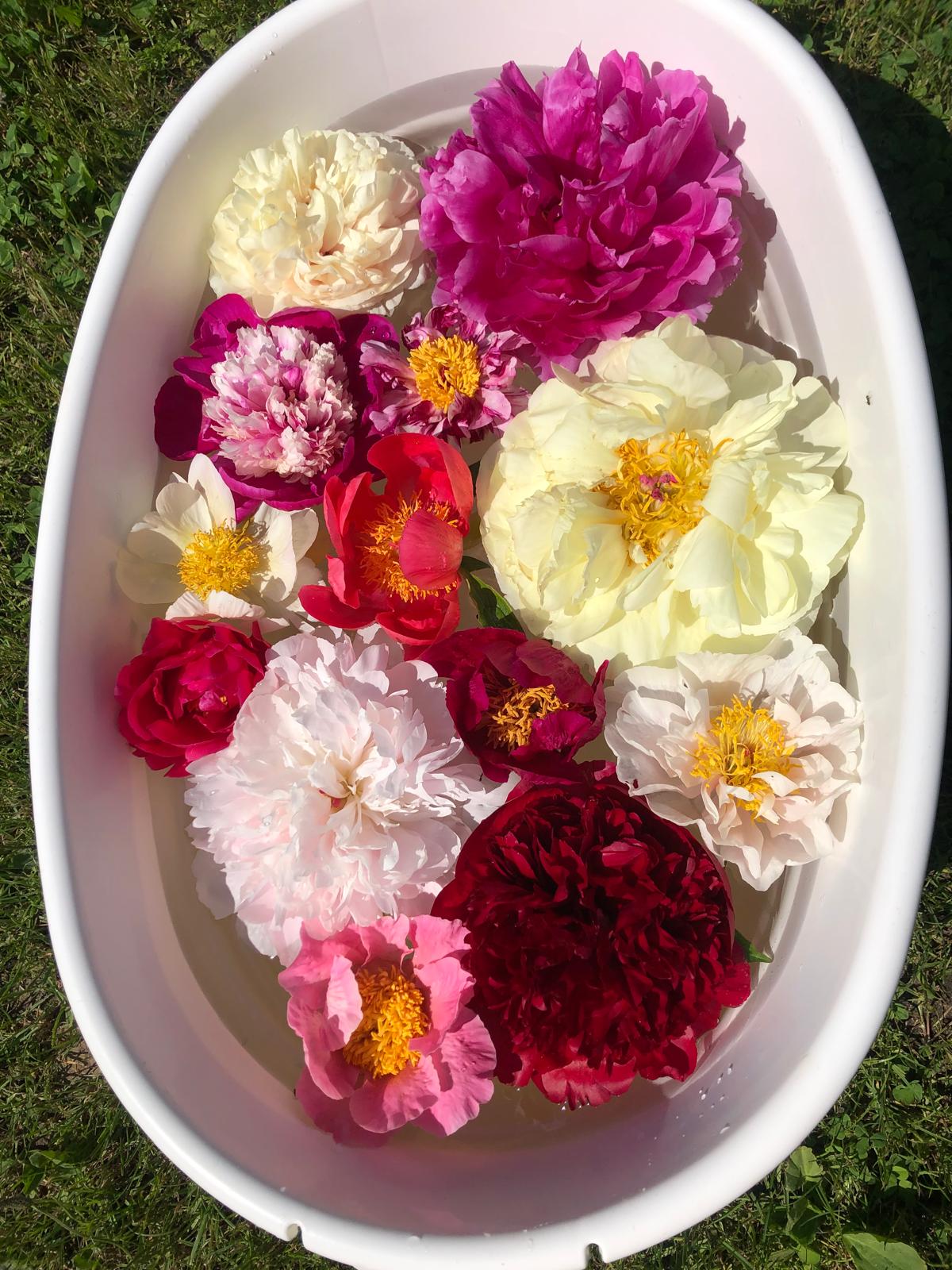
Discover the diversity of flower shapes and colours.
Immerse yourself in delicate fragrances.
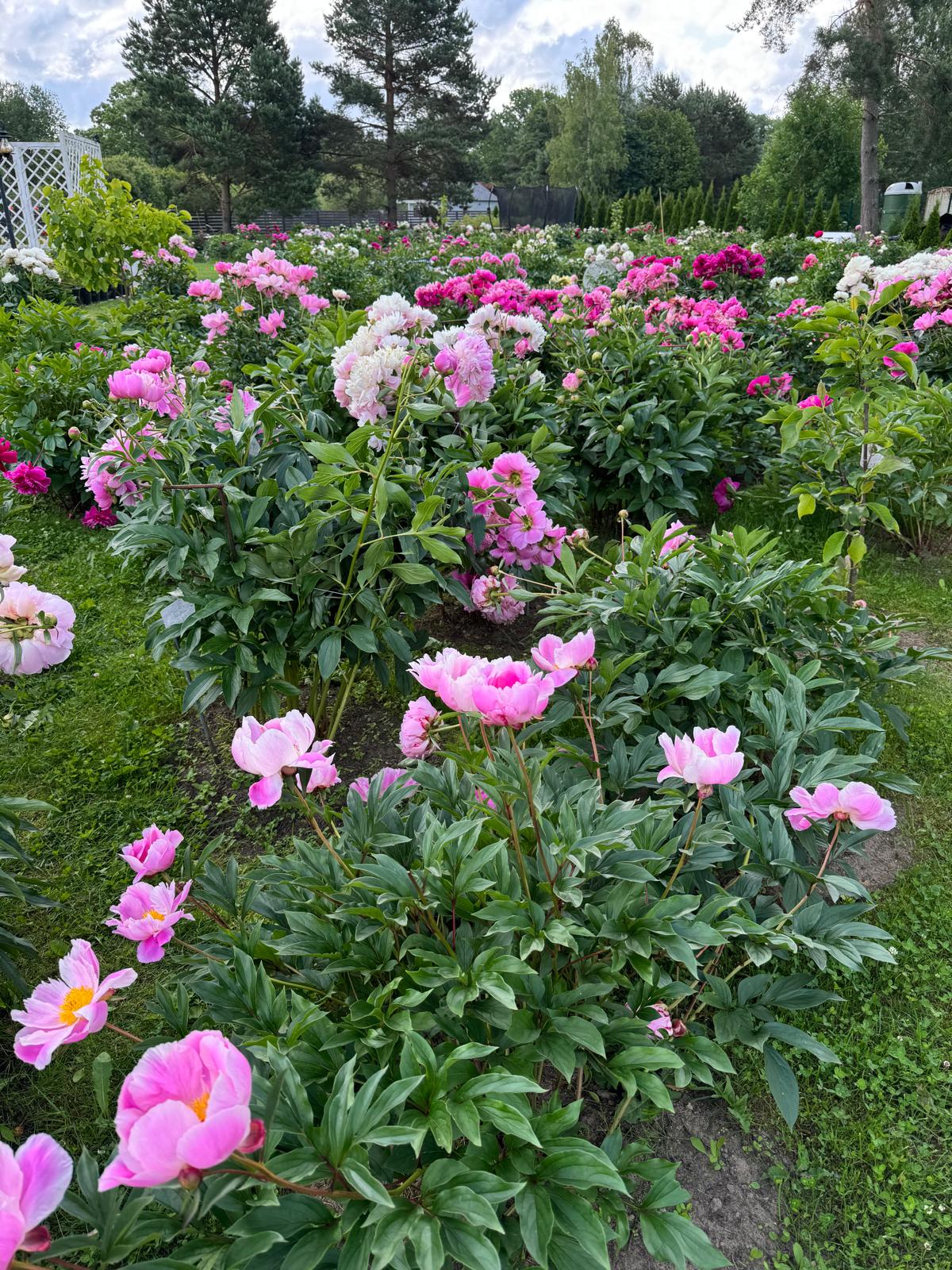
A garden transformed into a colourful, peaceful oasis.
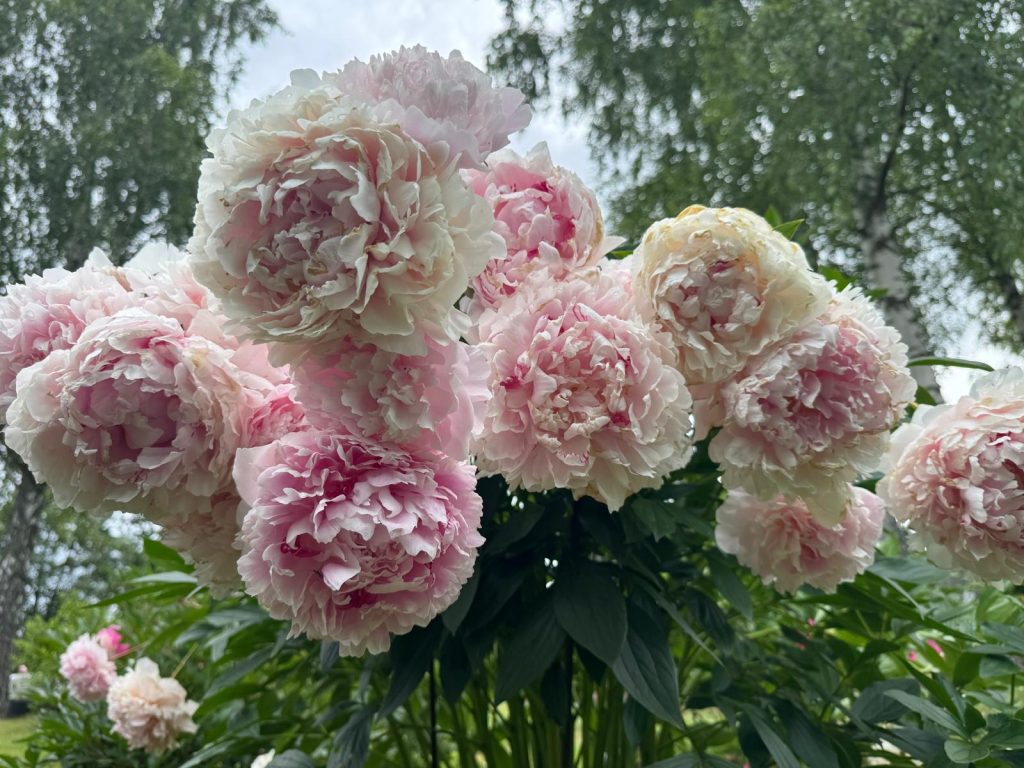
Experience the splendour of peonies.
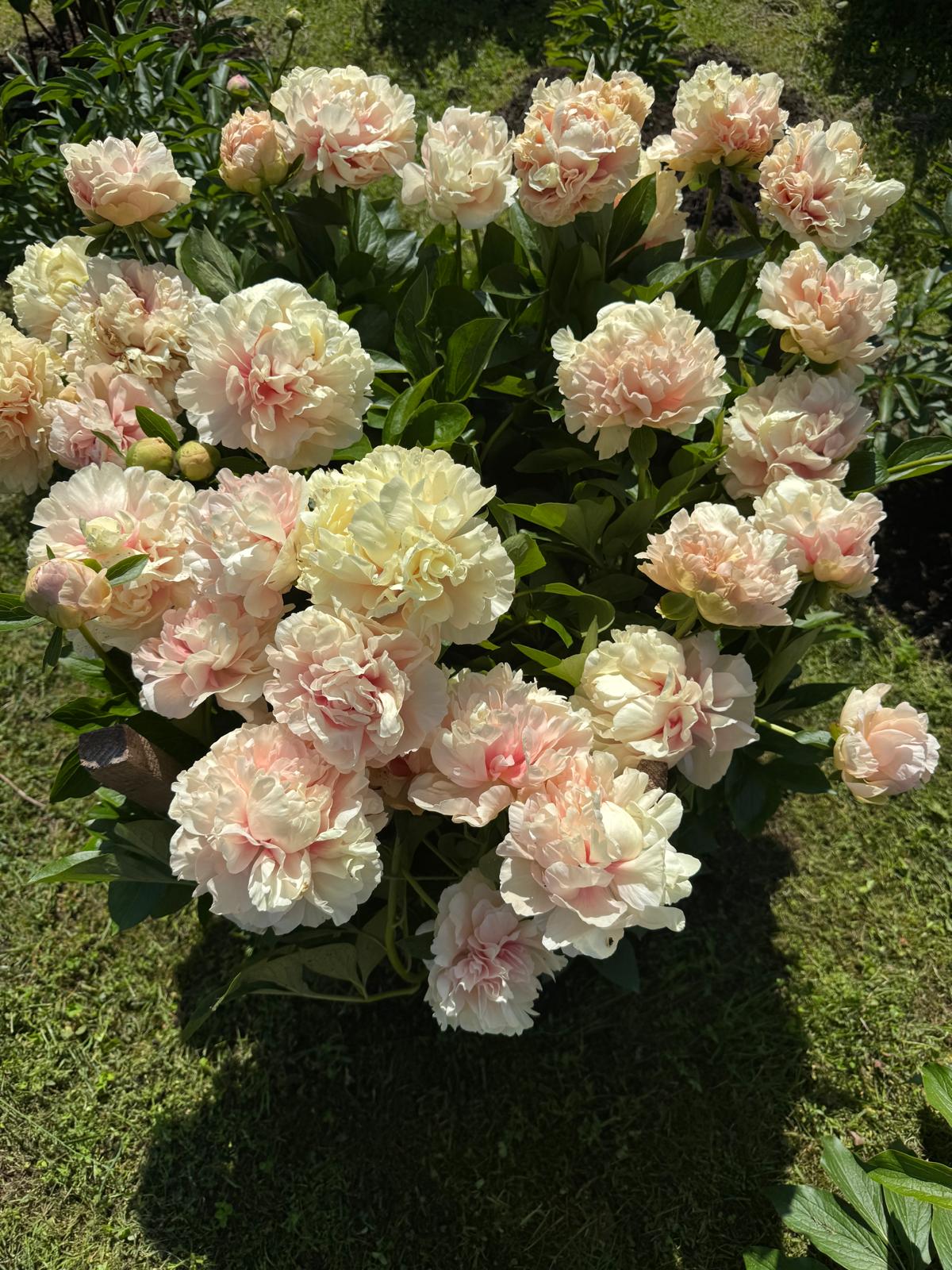
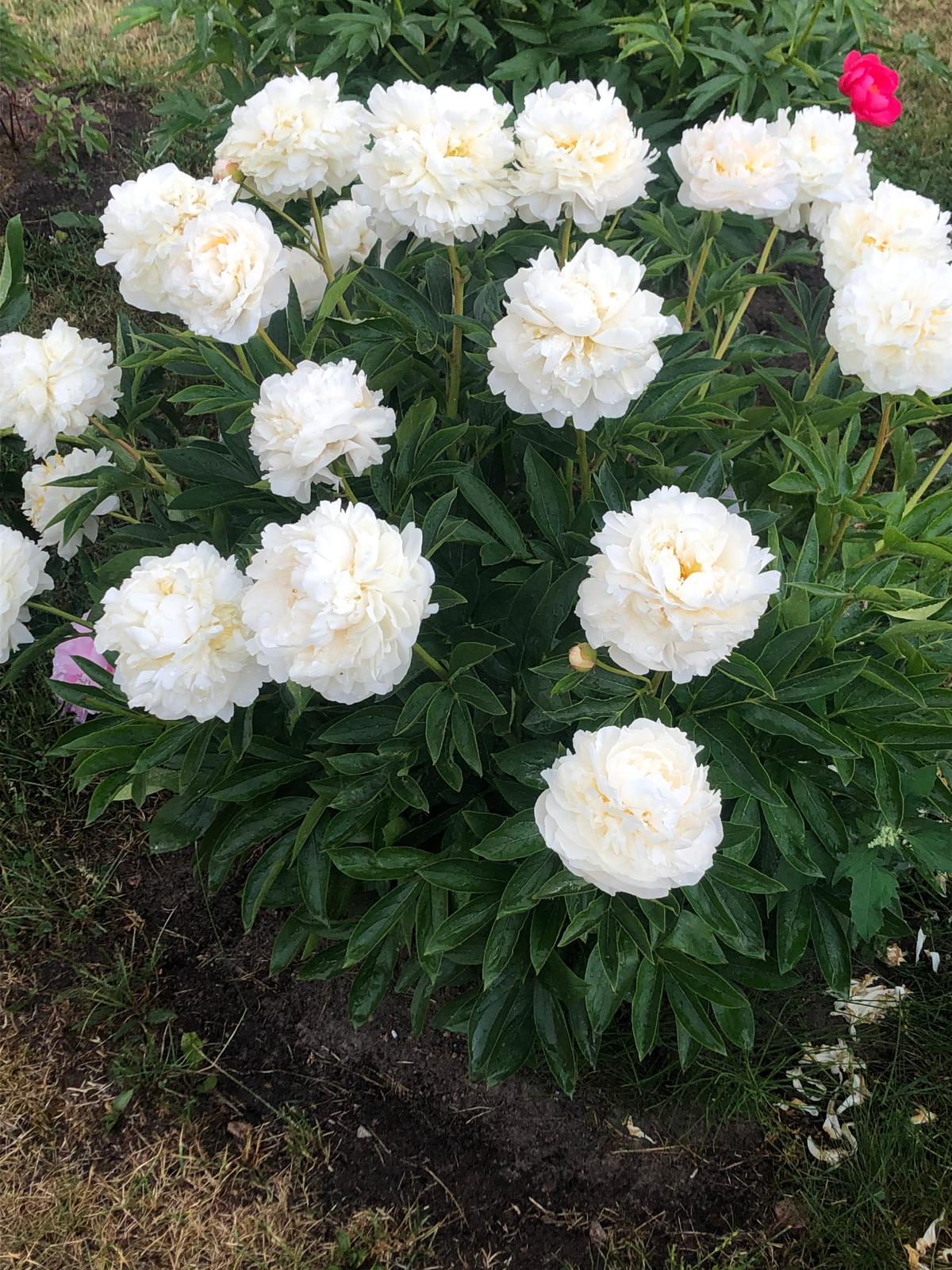
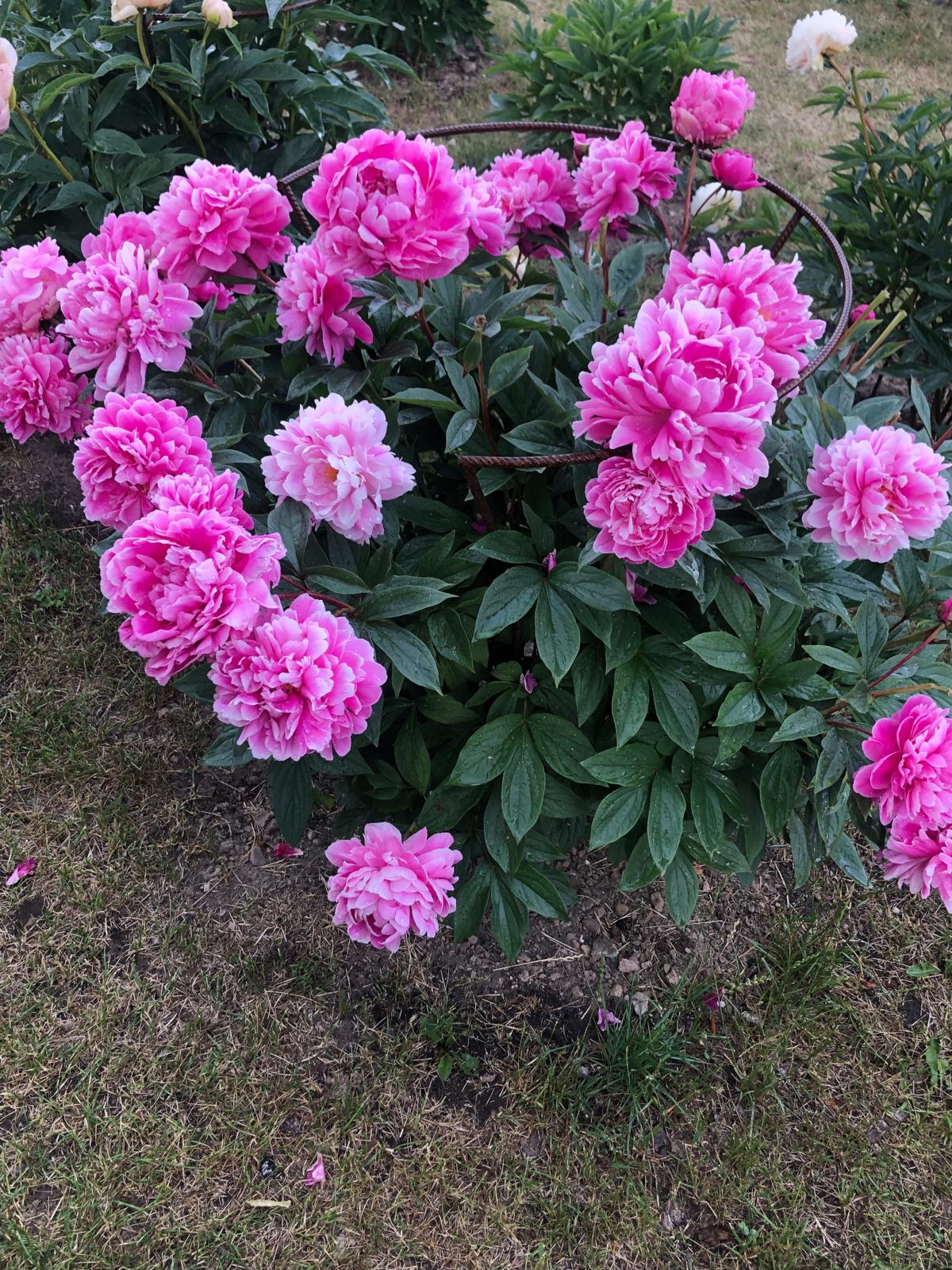
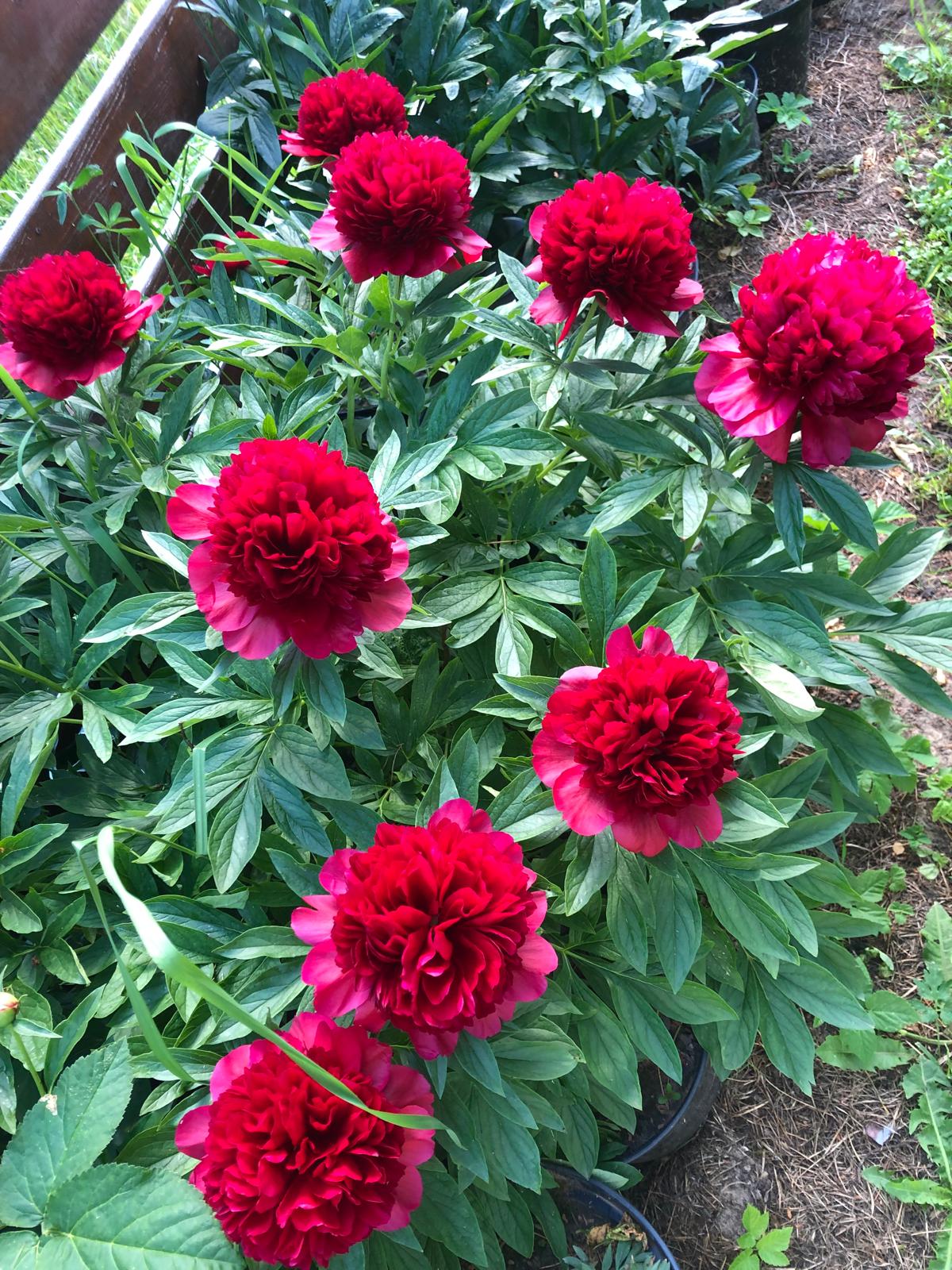
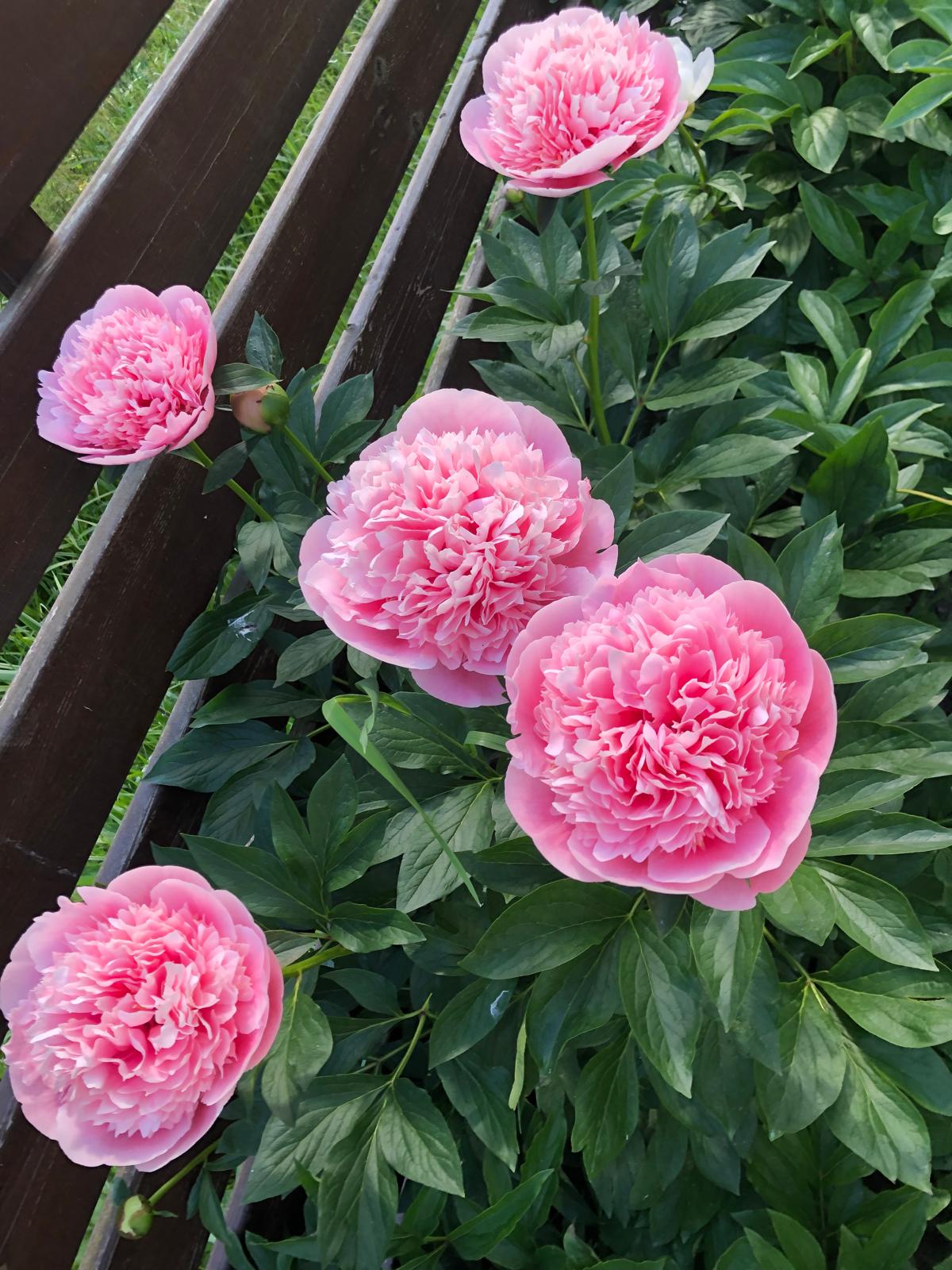
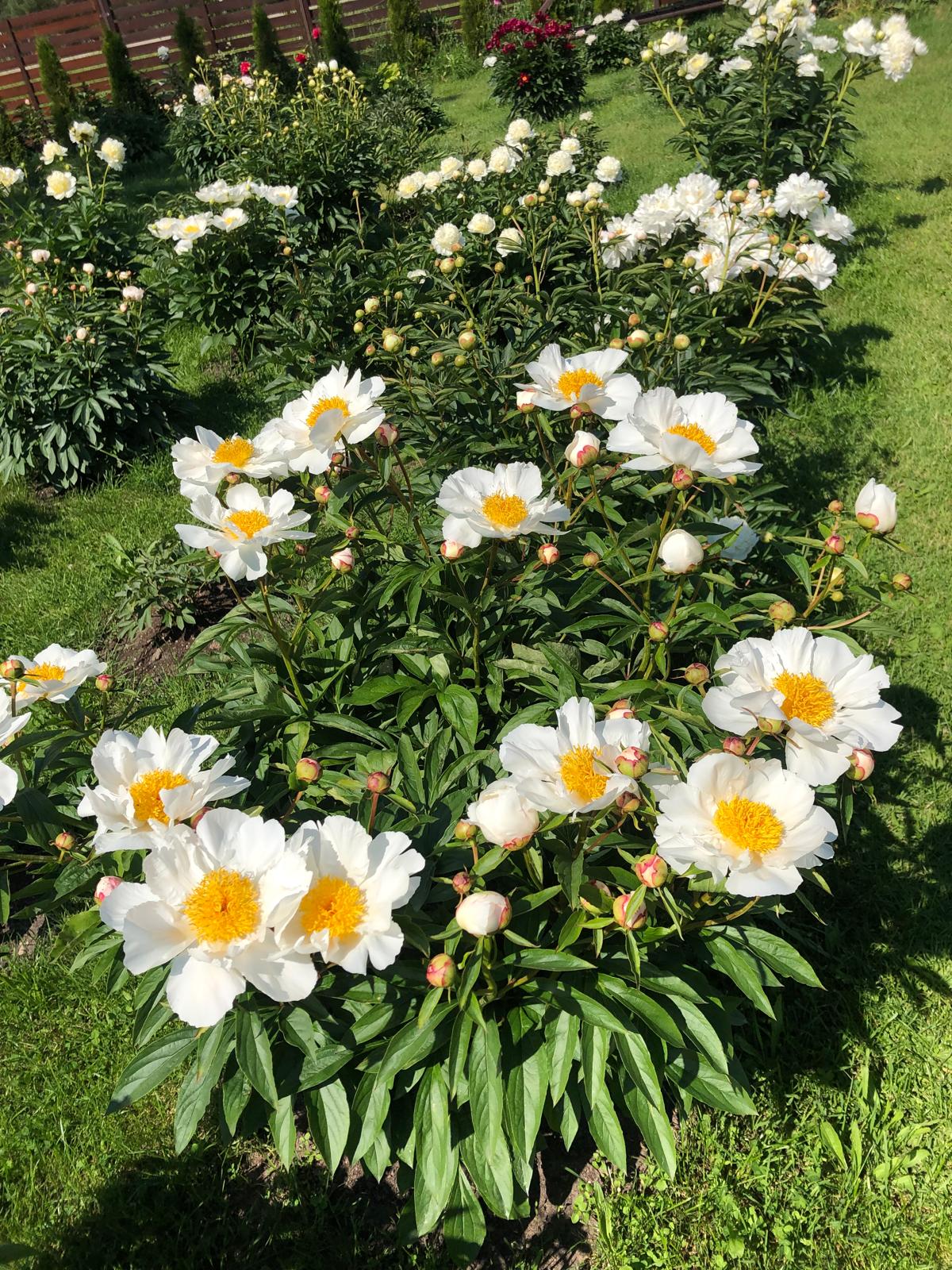
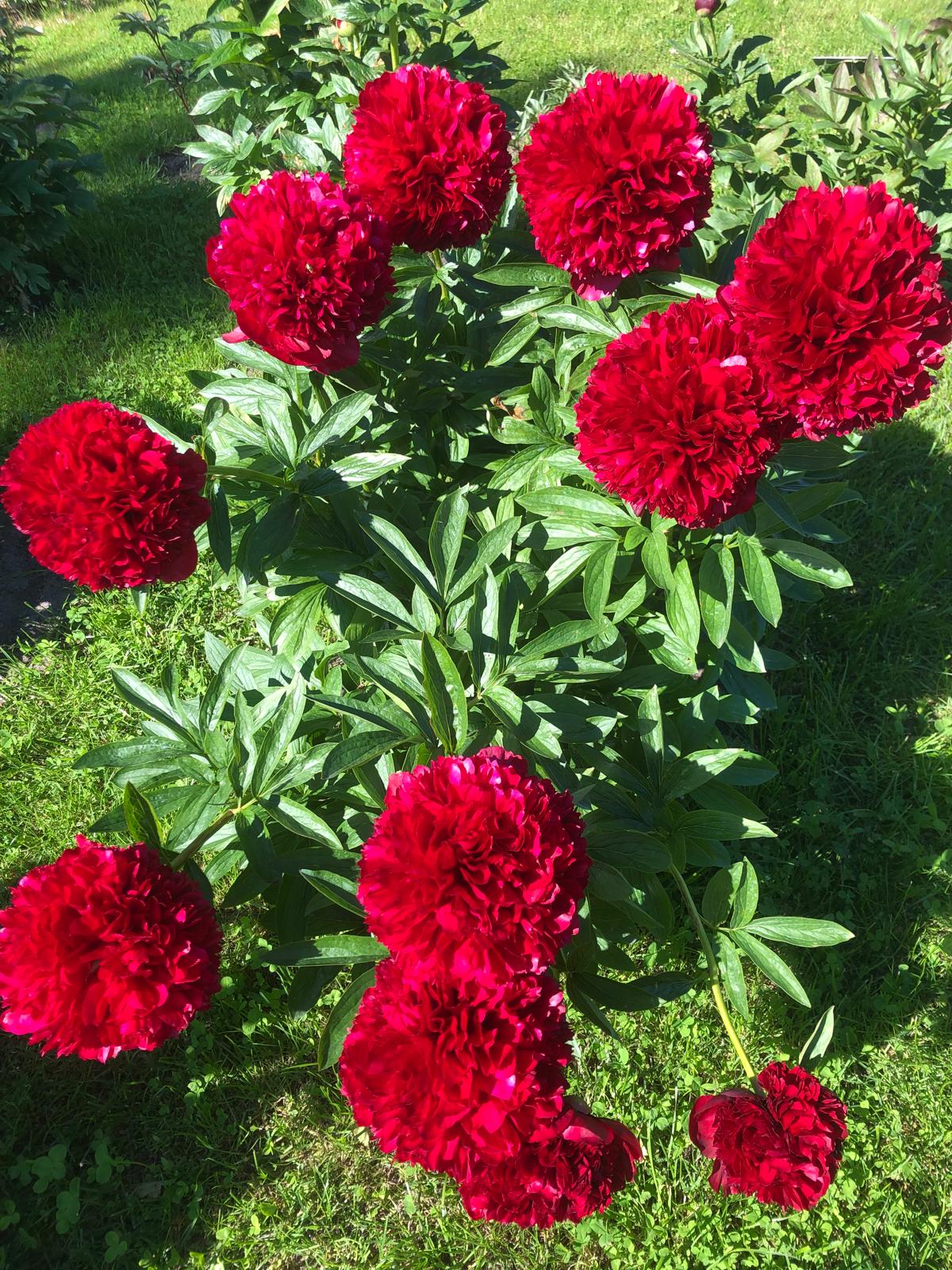
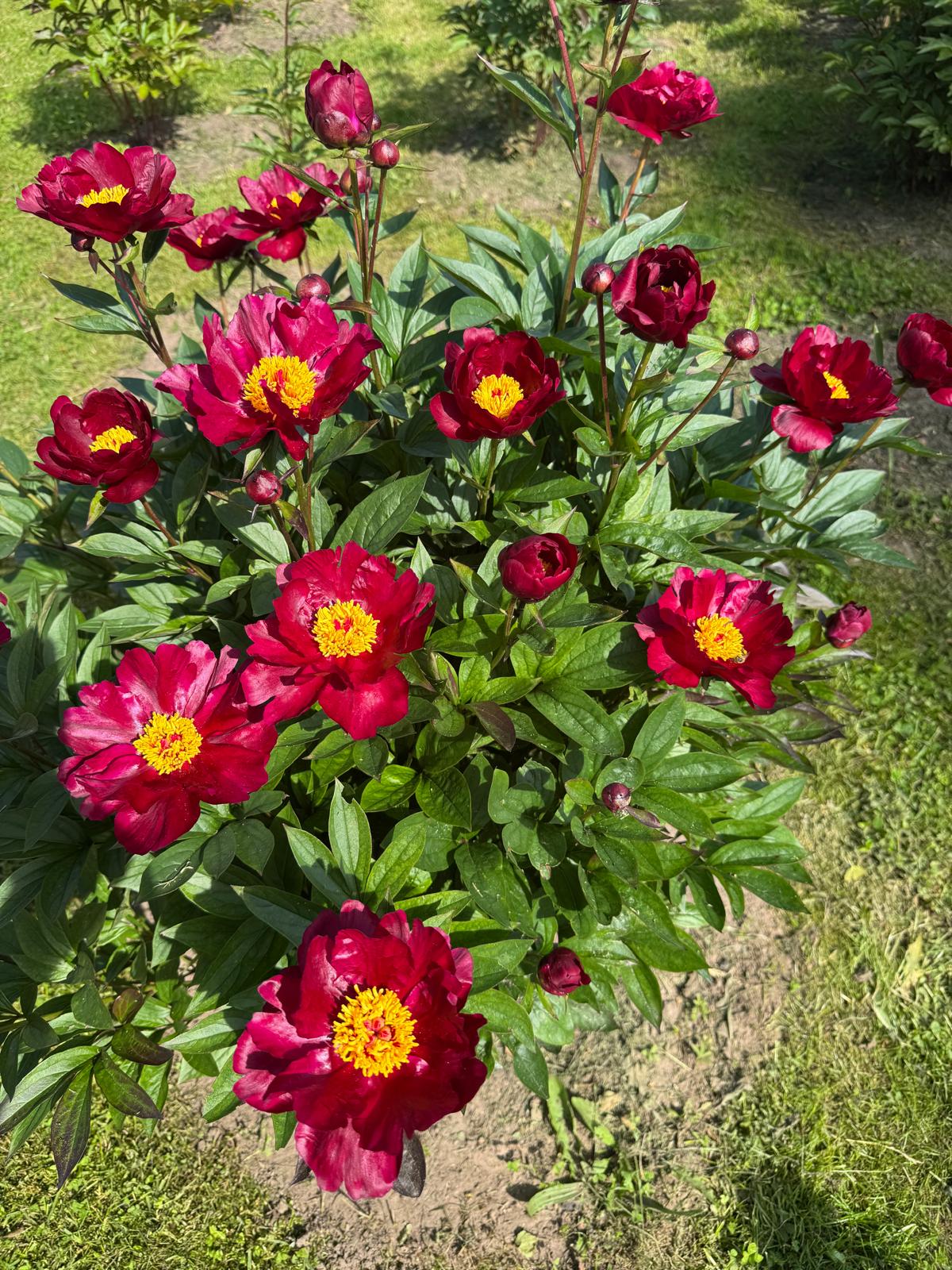
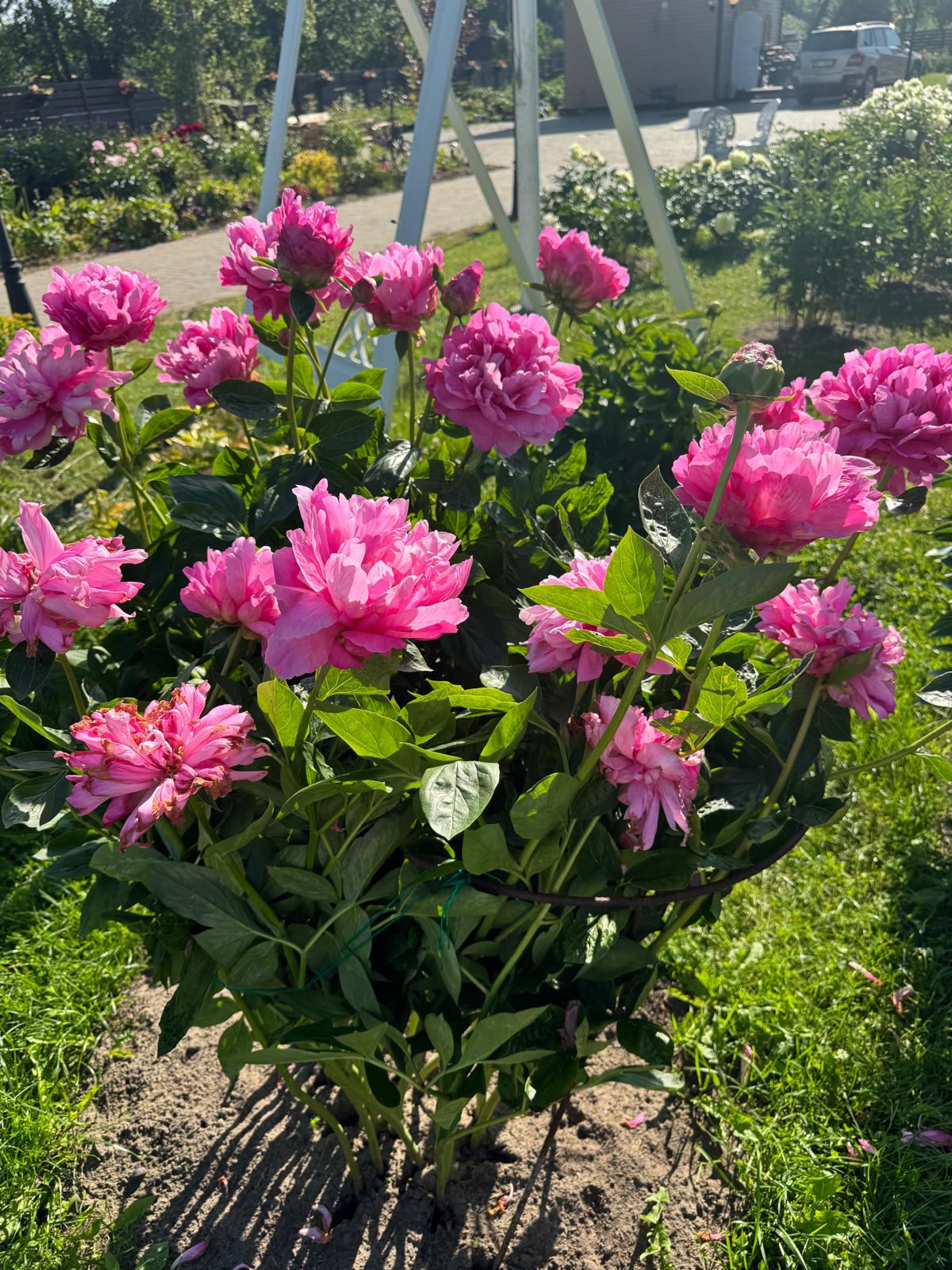
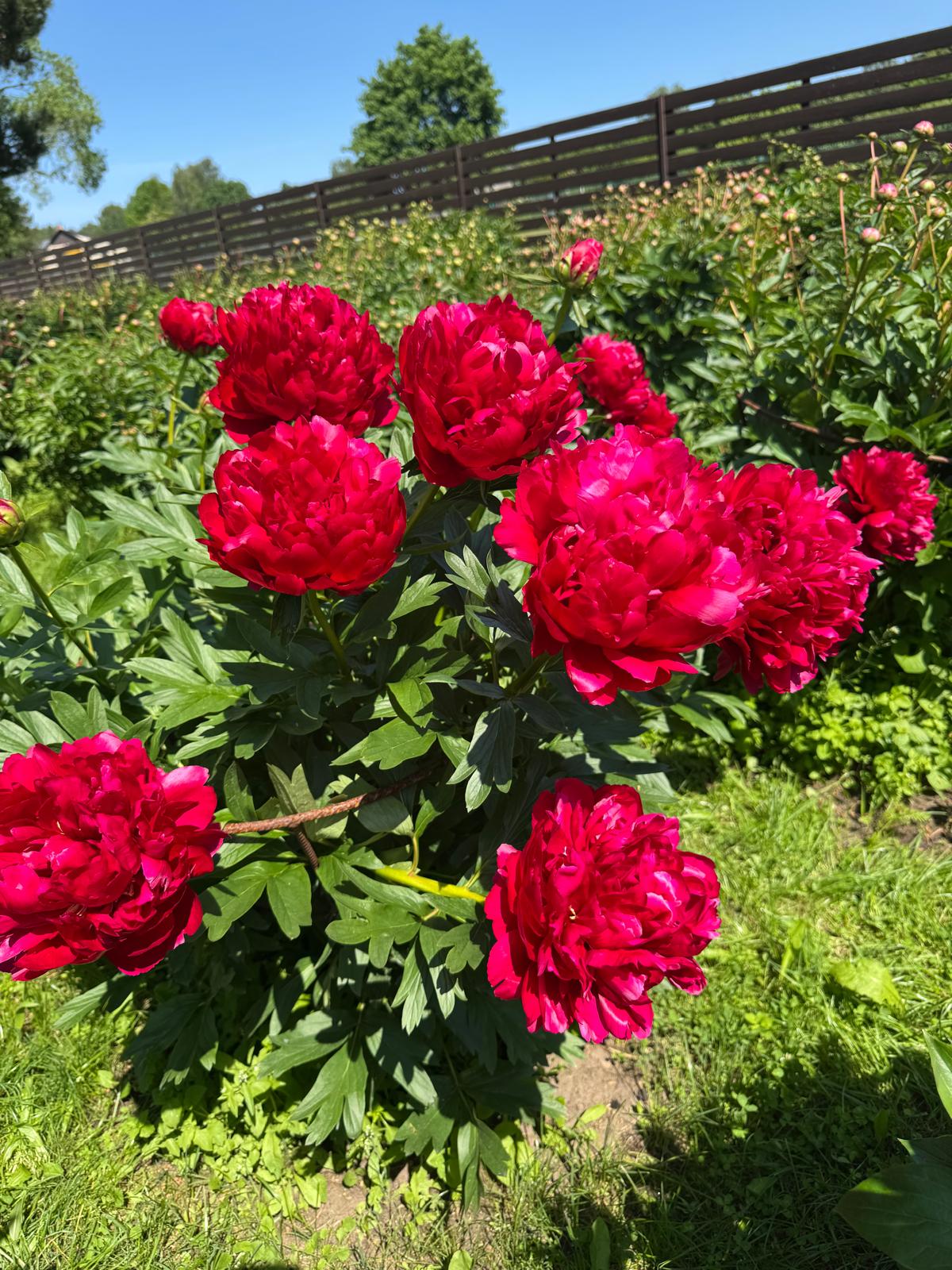
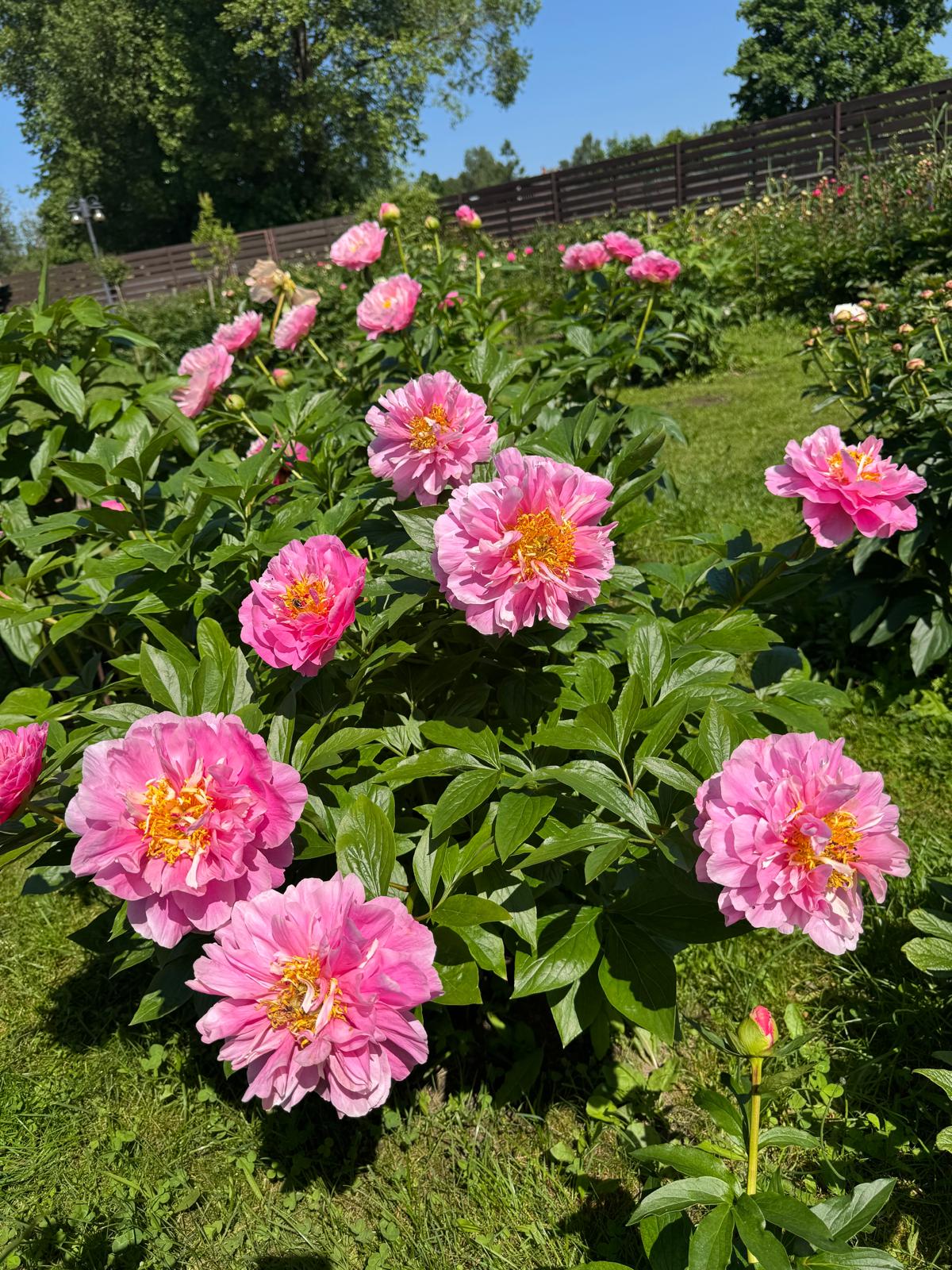
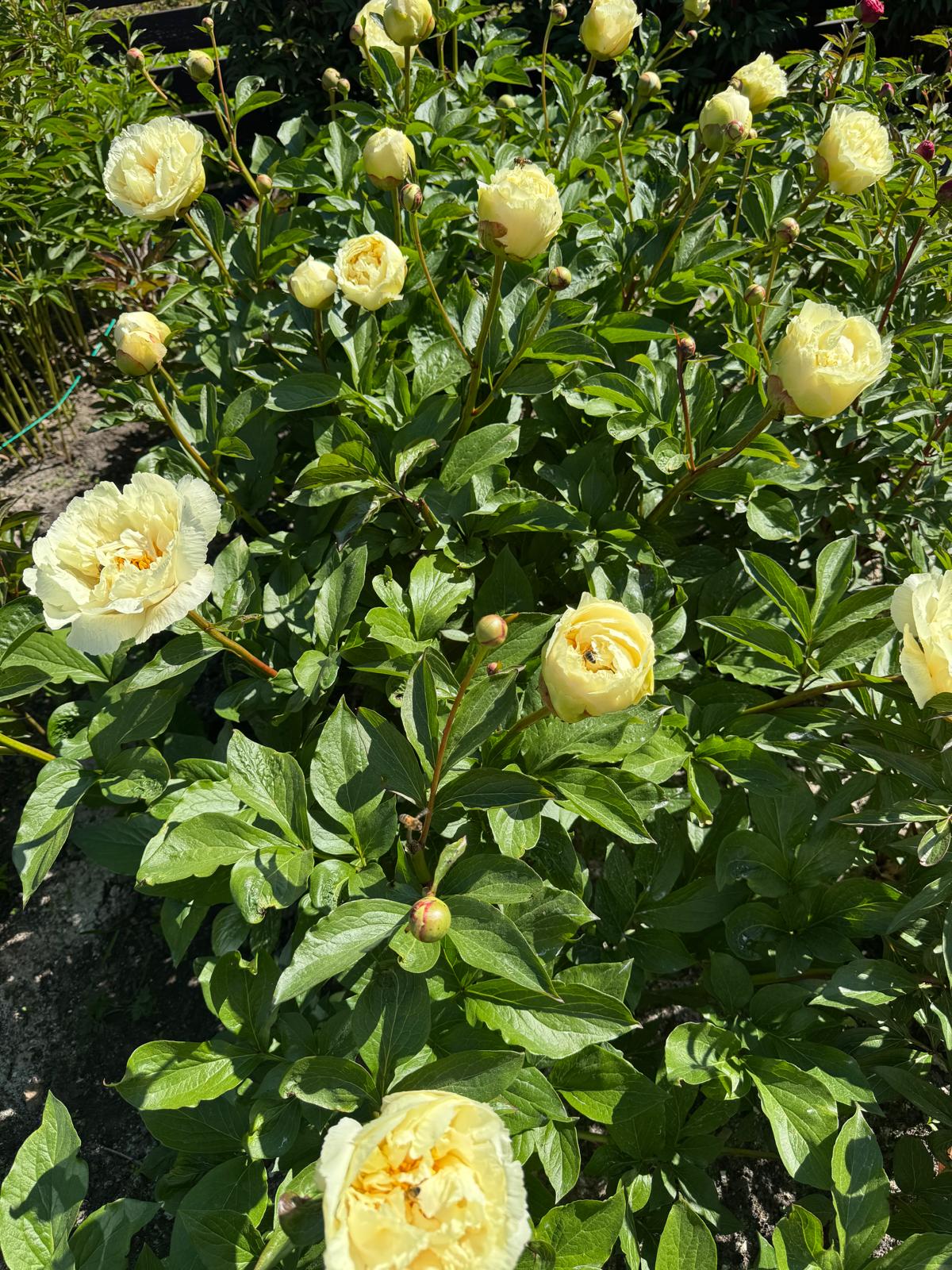
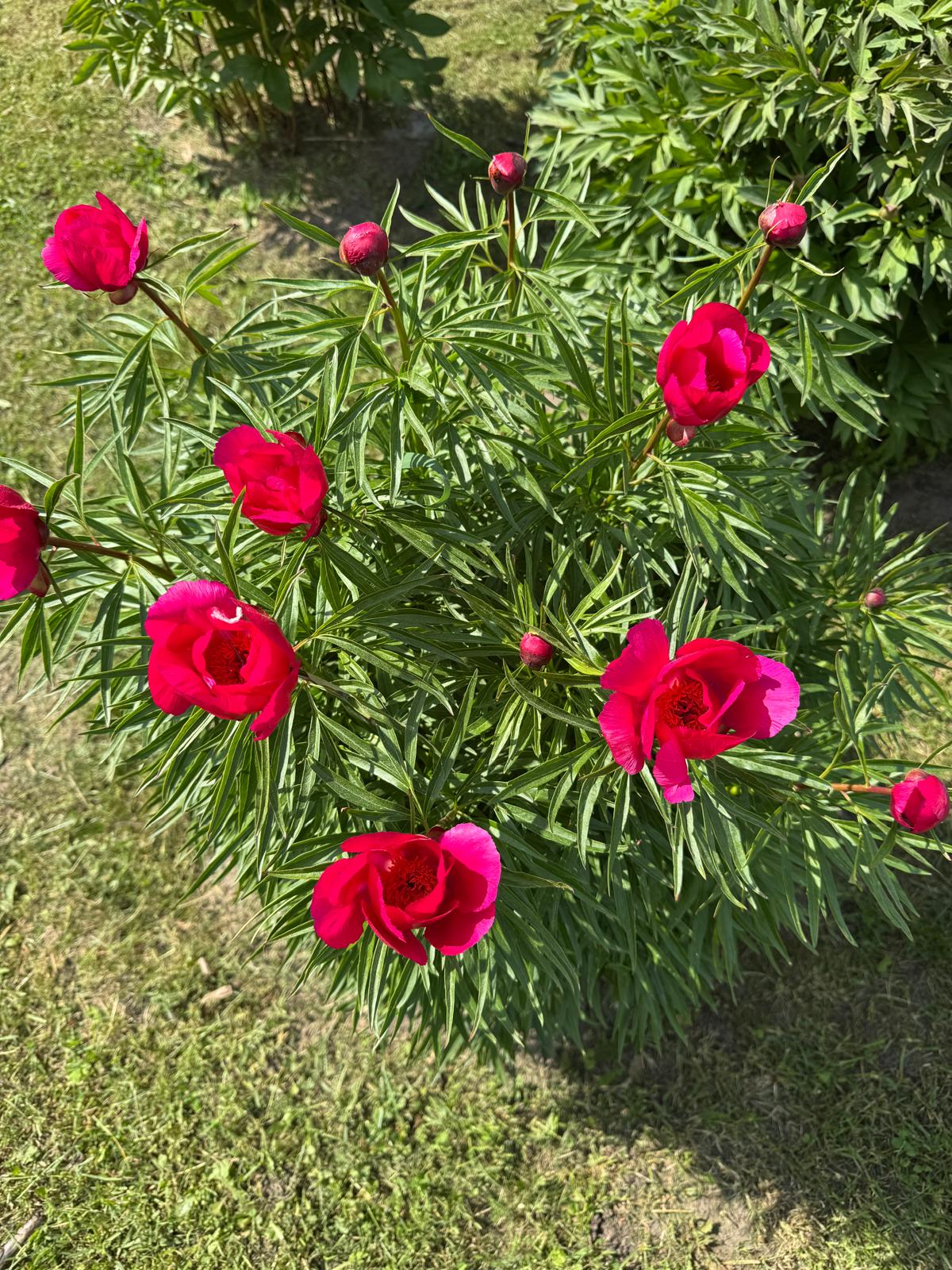
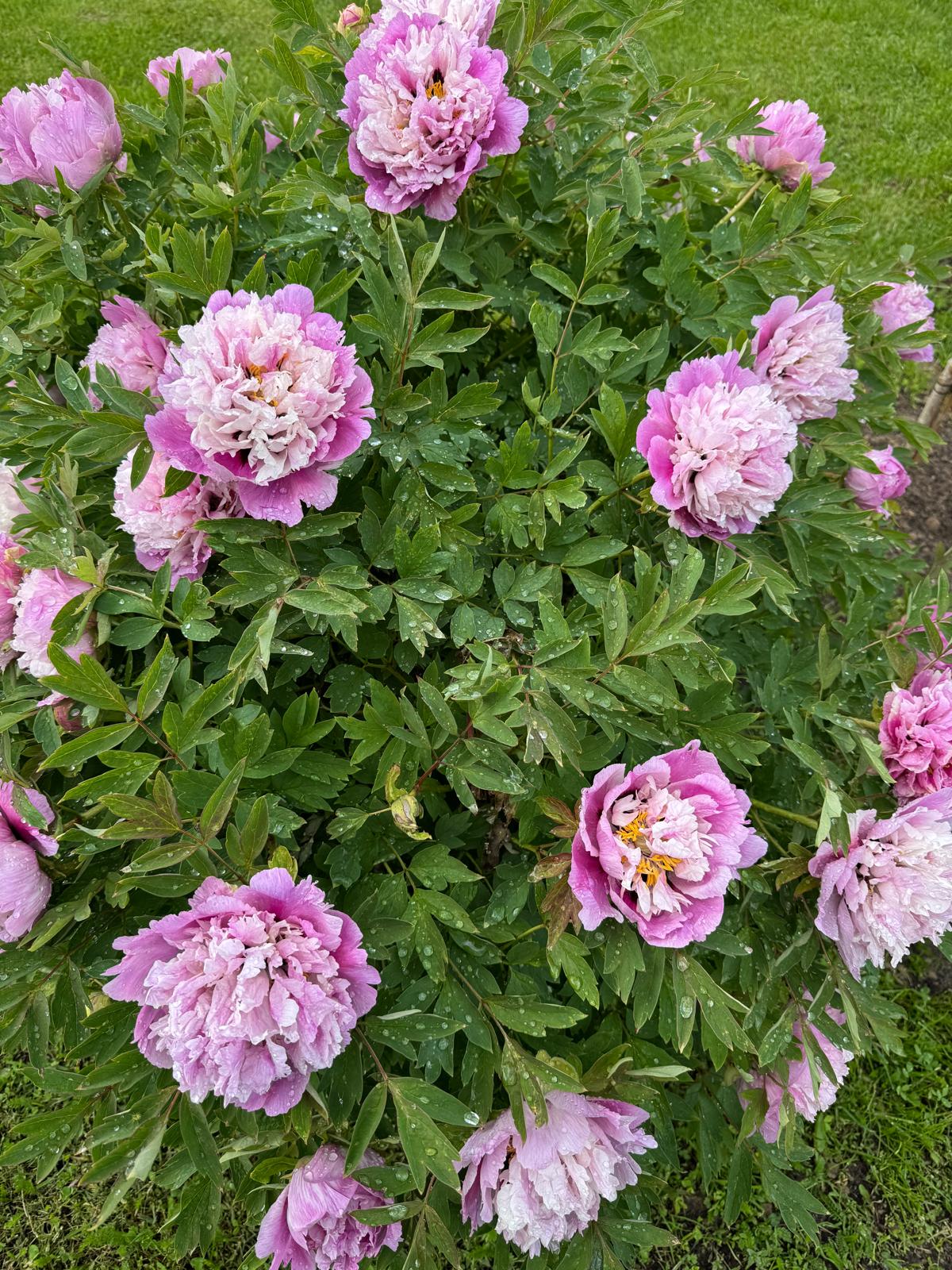
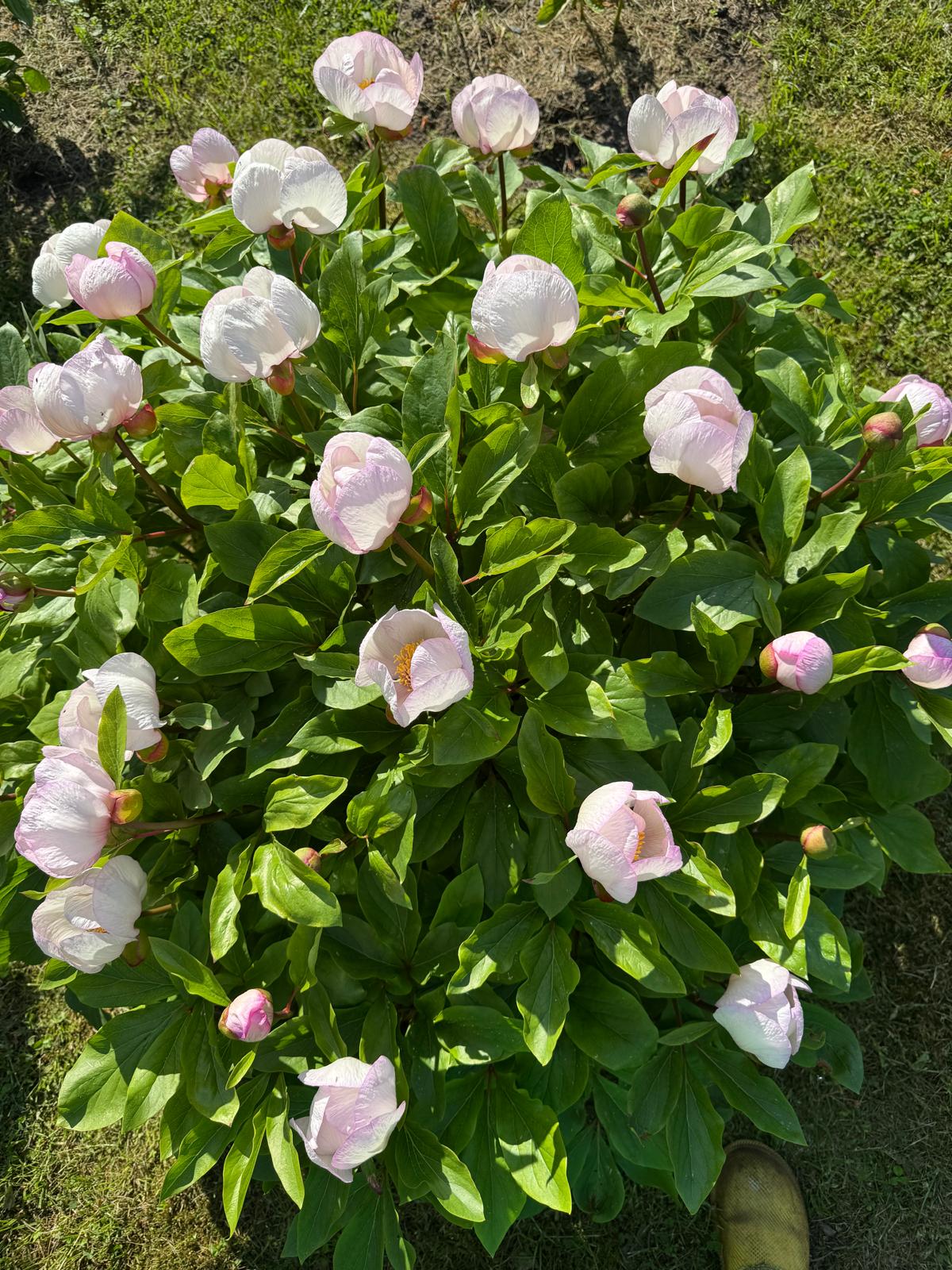
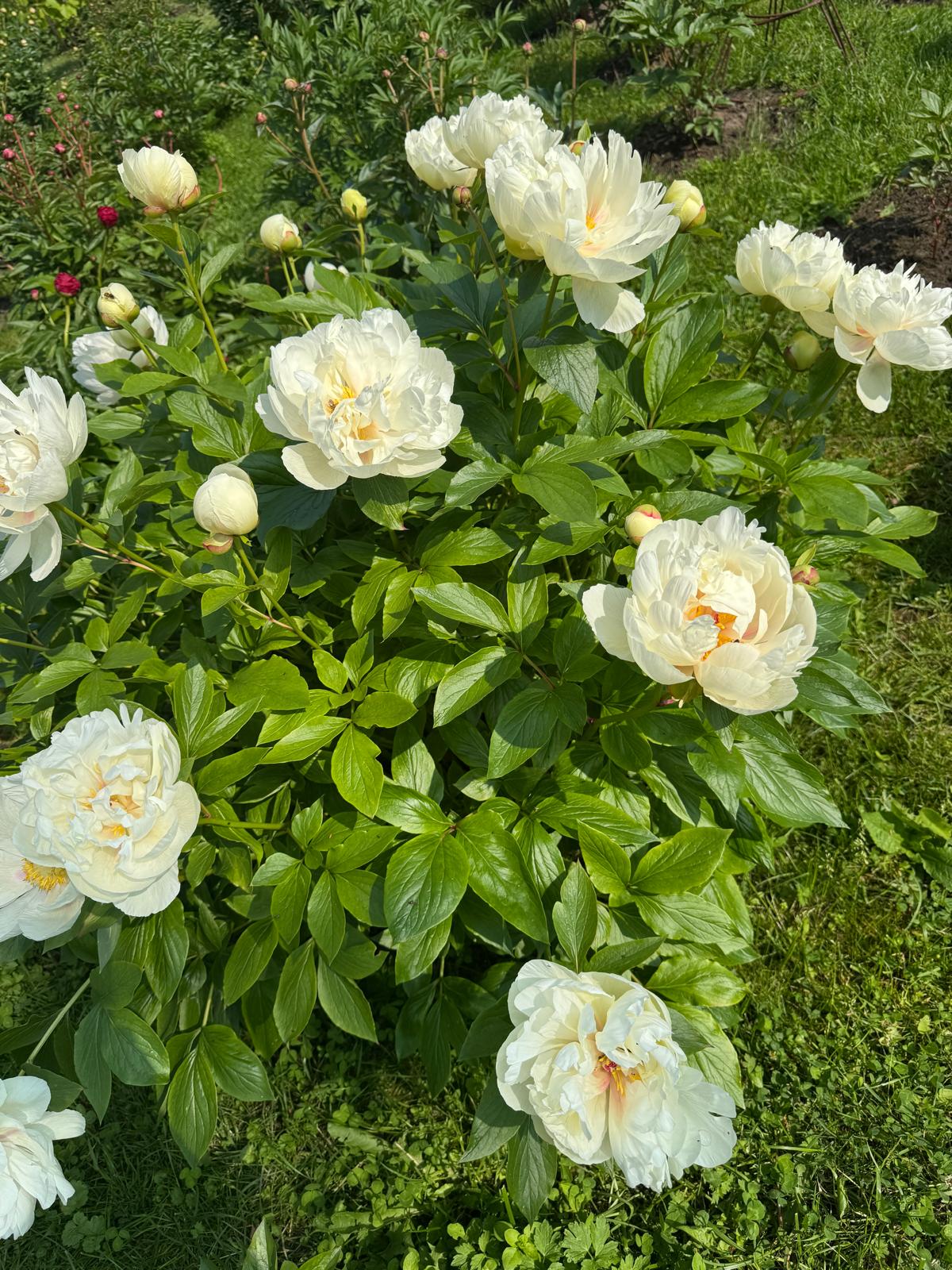
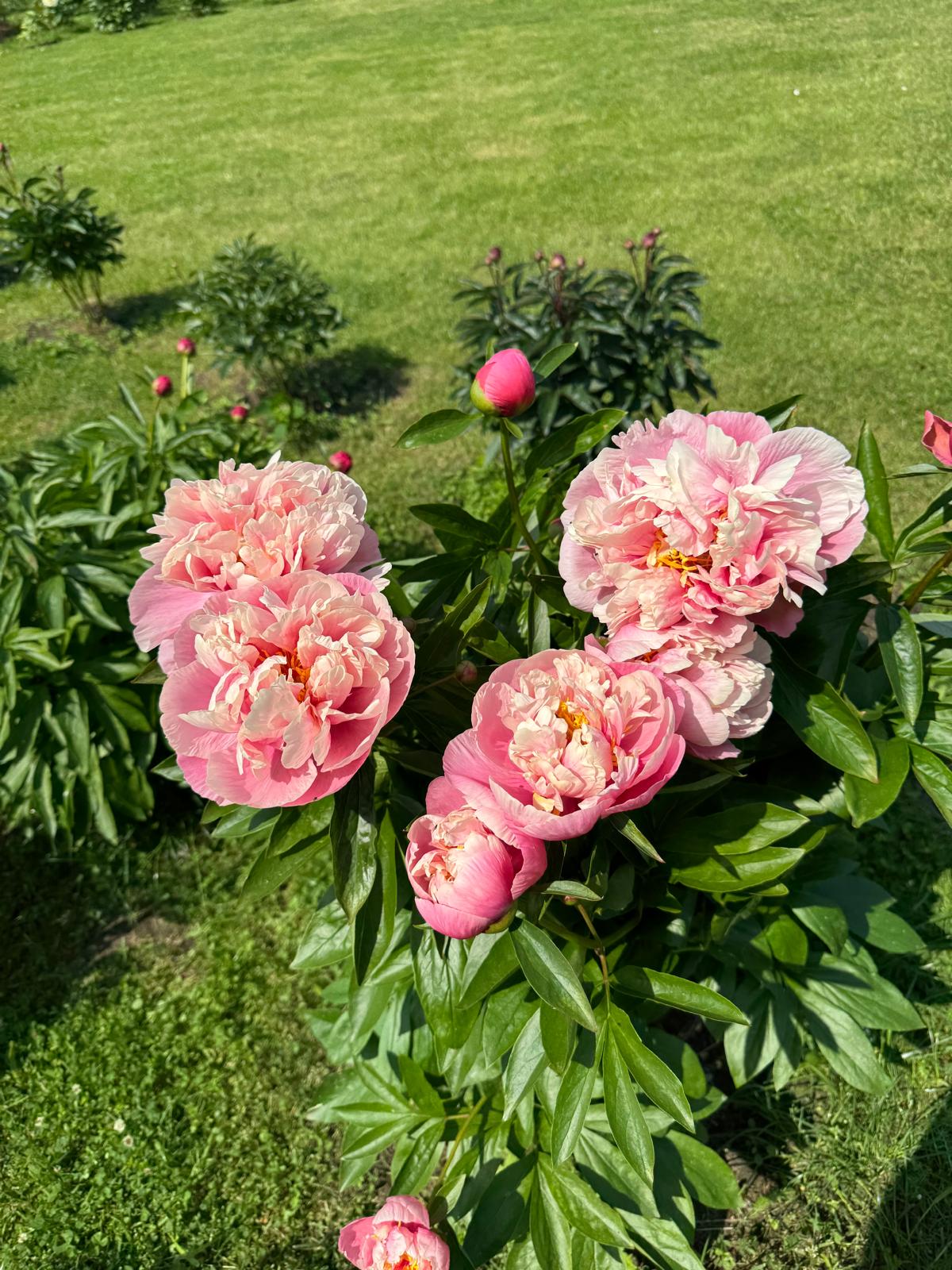
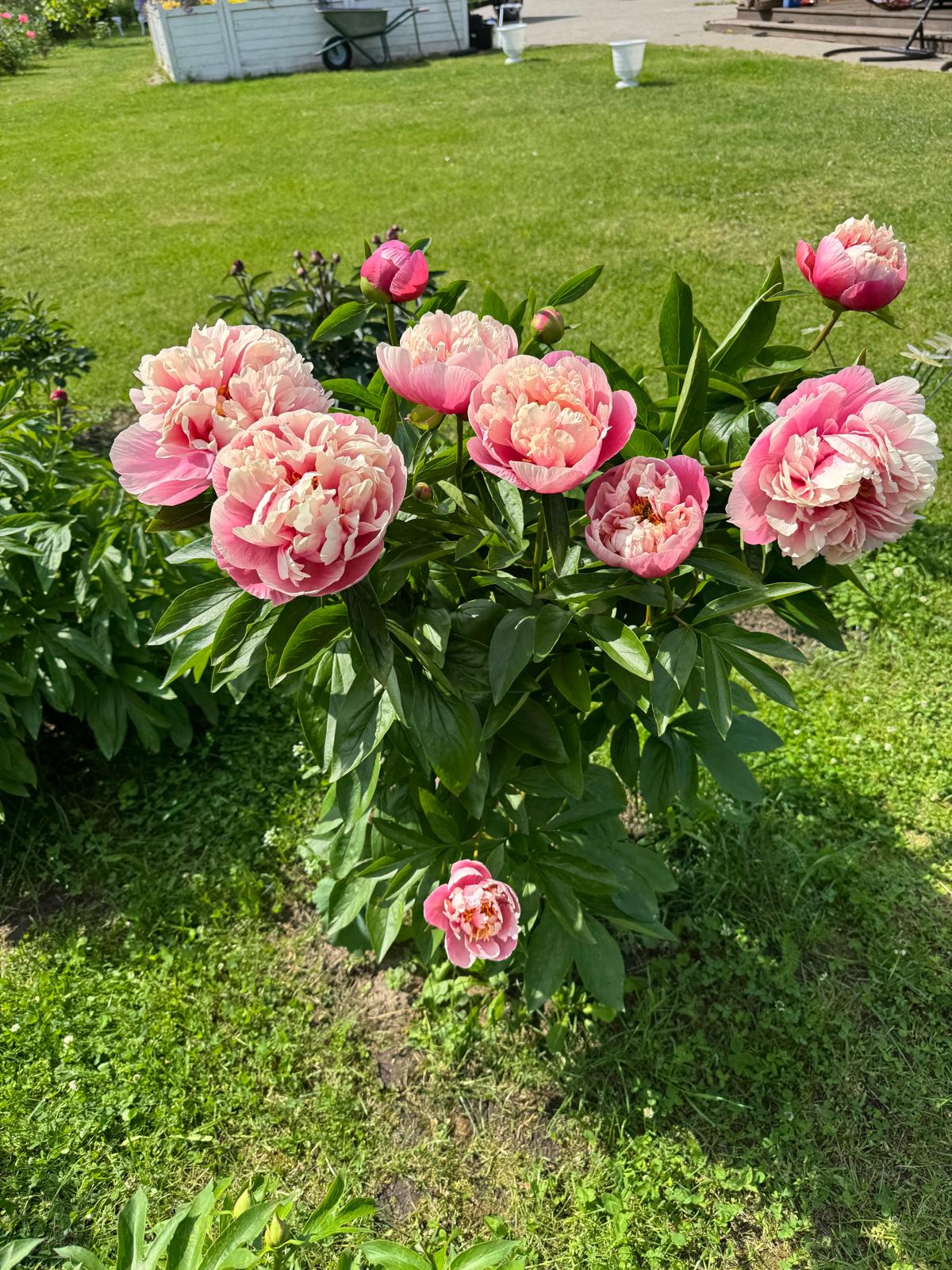
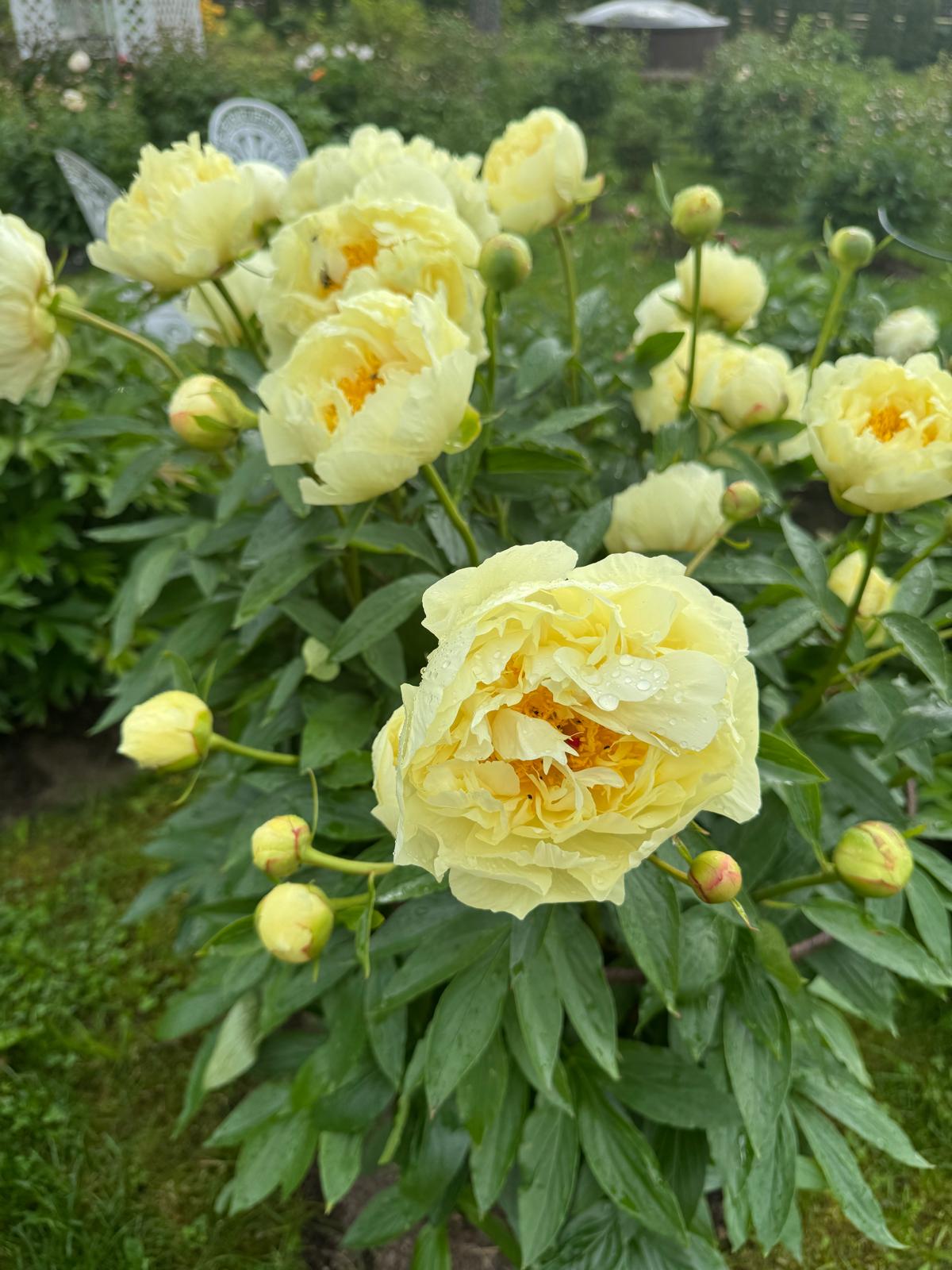
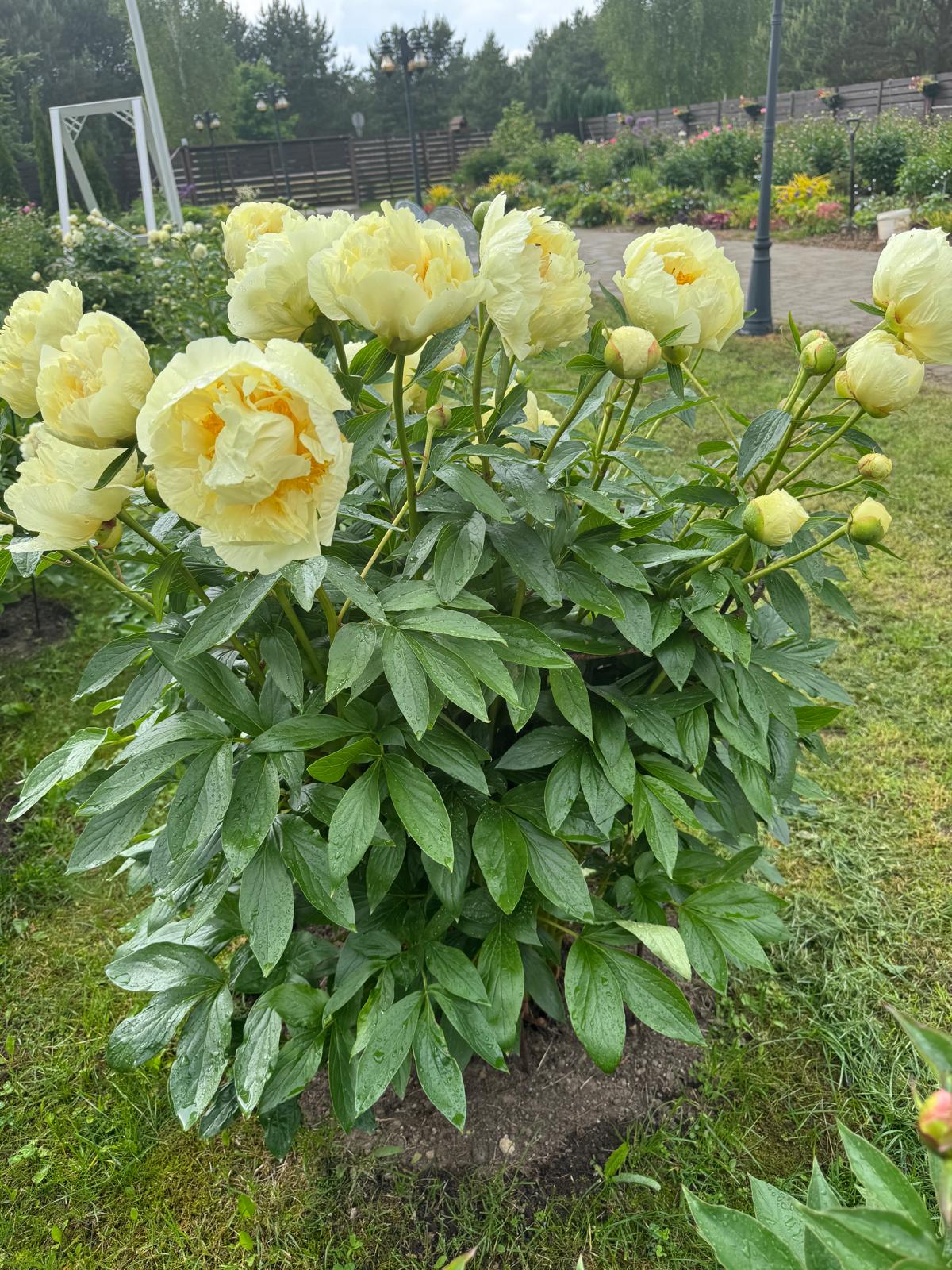
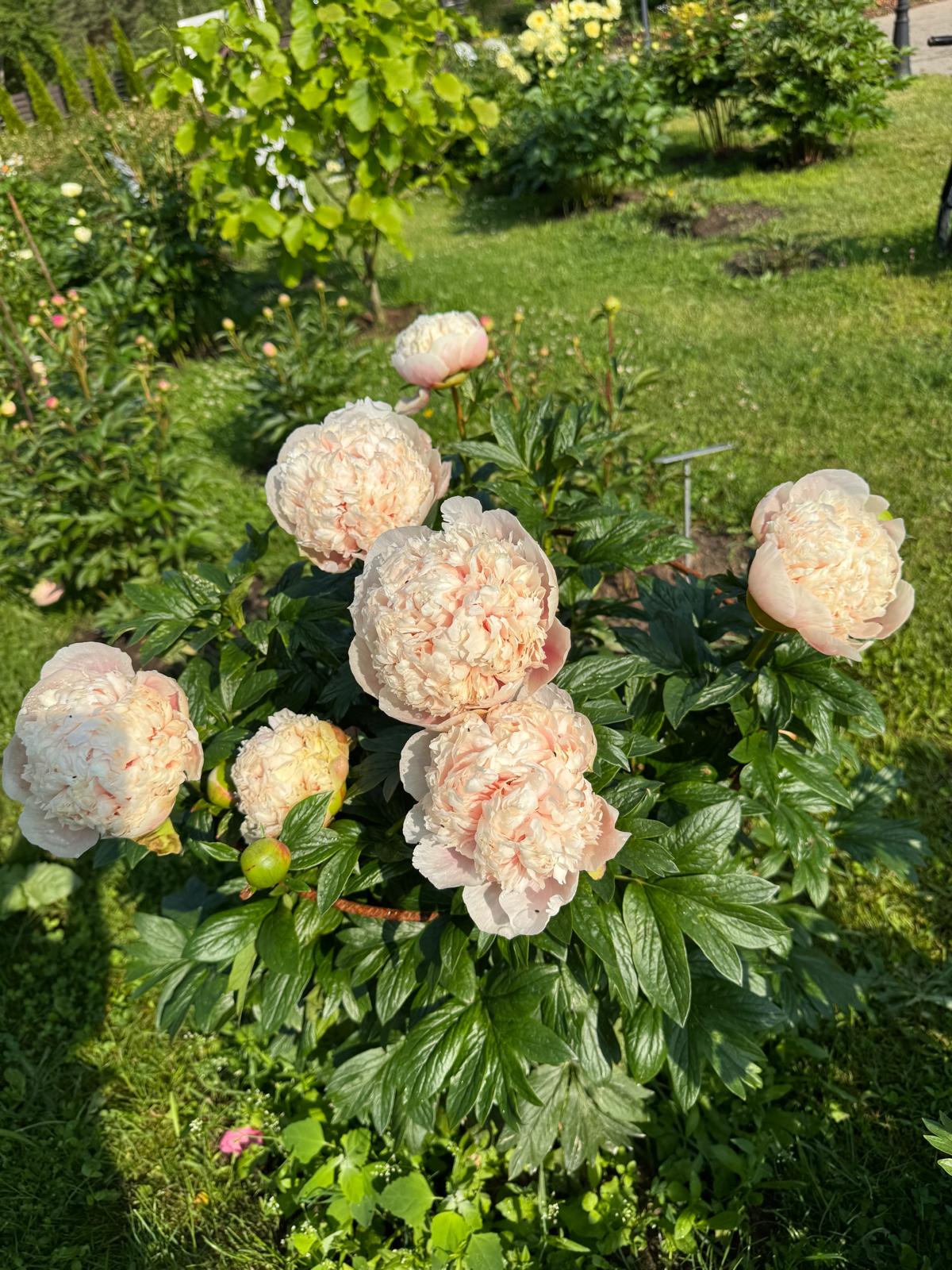
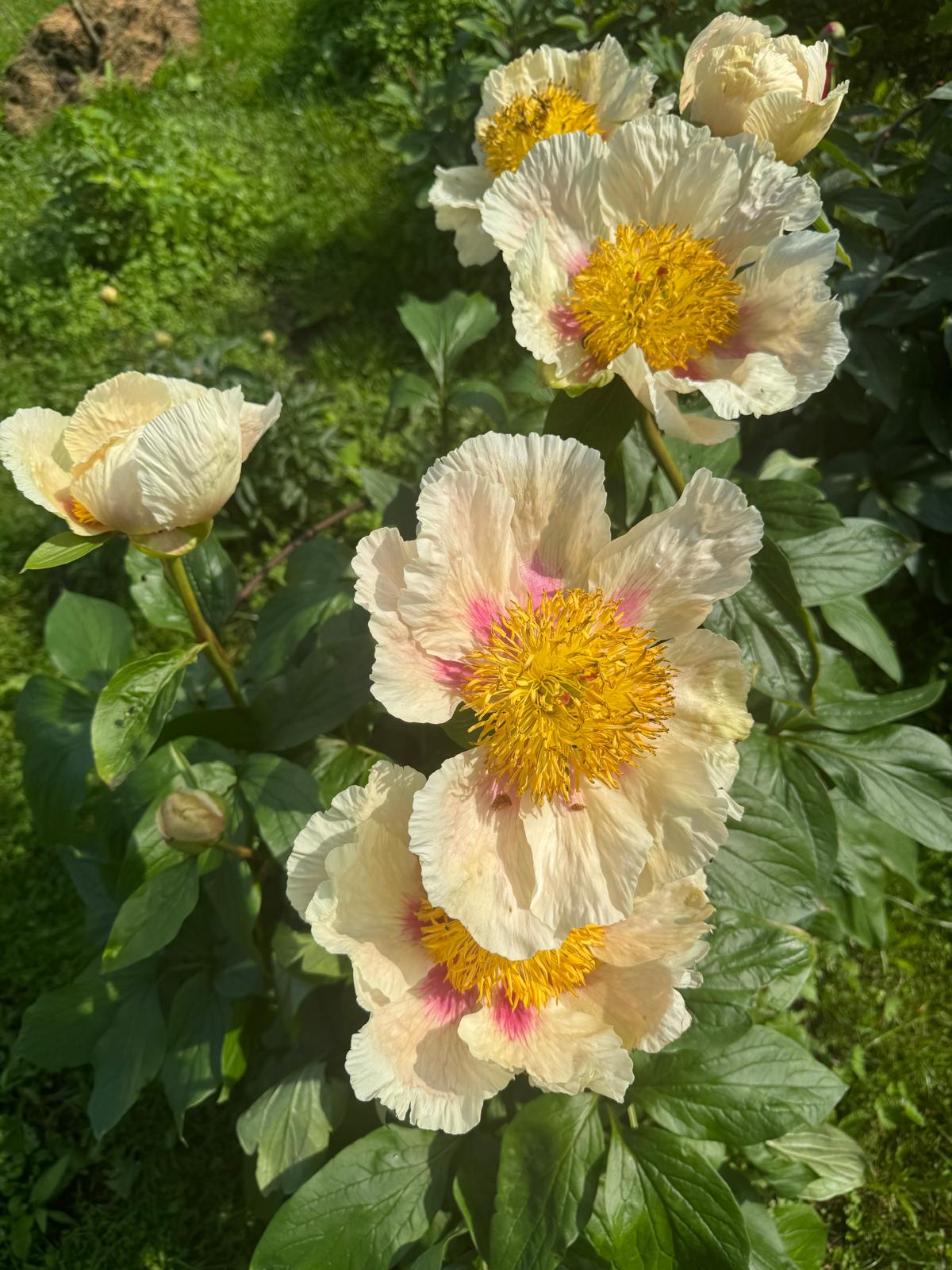
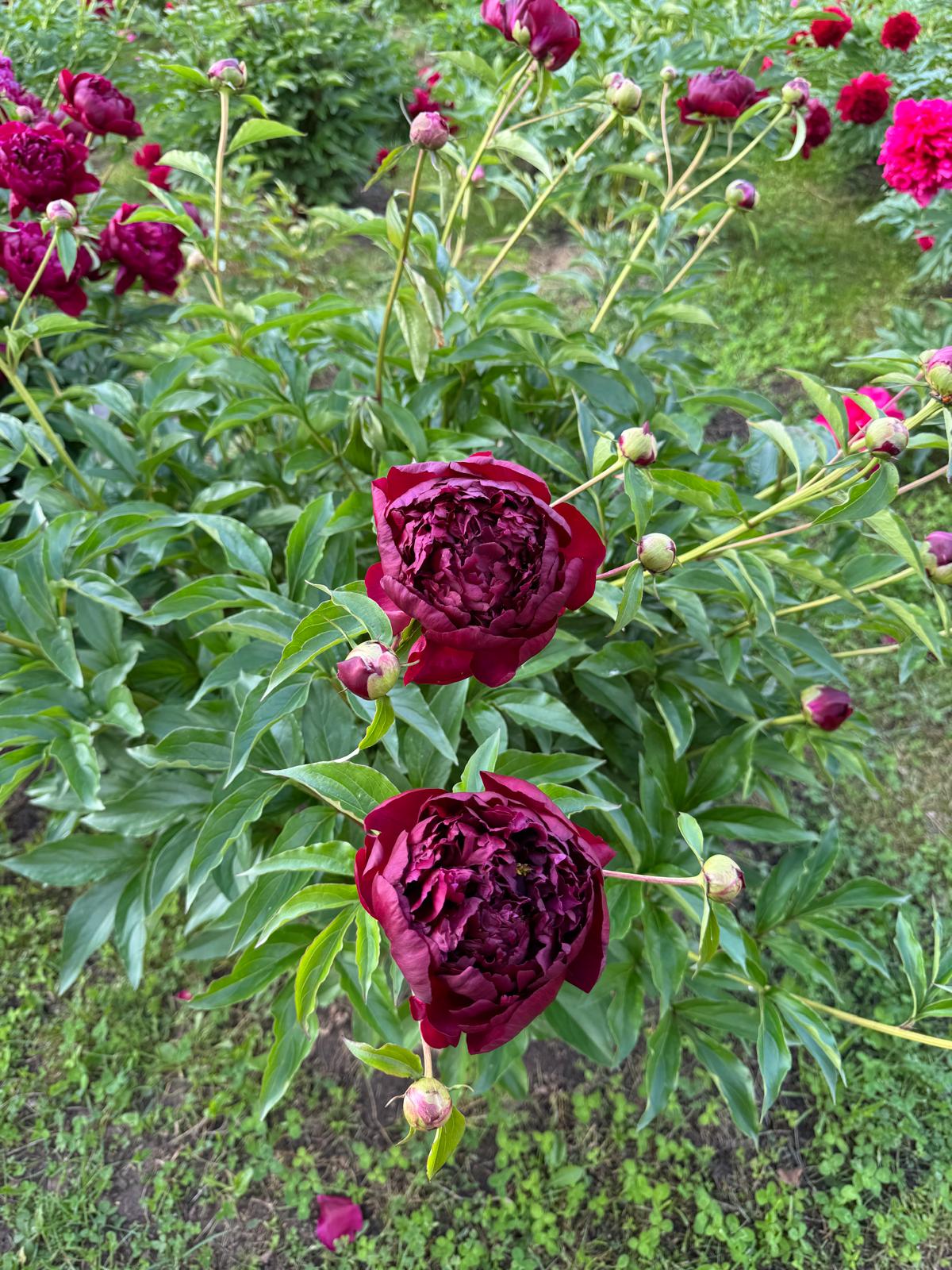

Paved area for various activities.
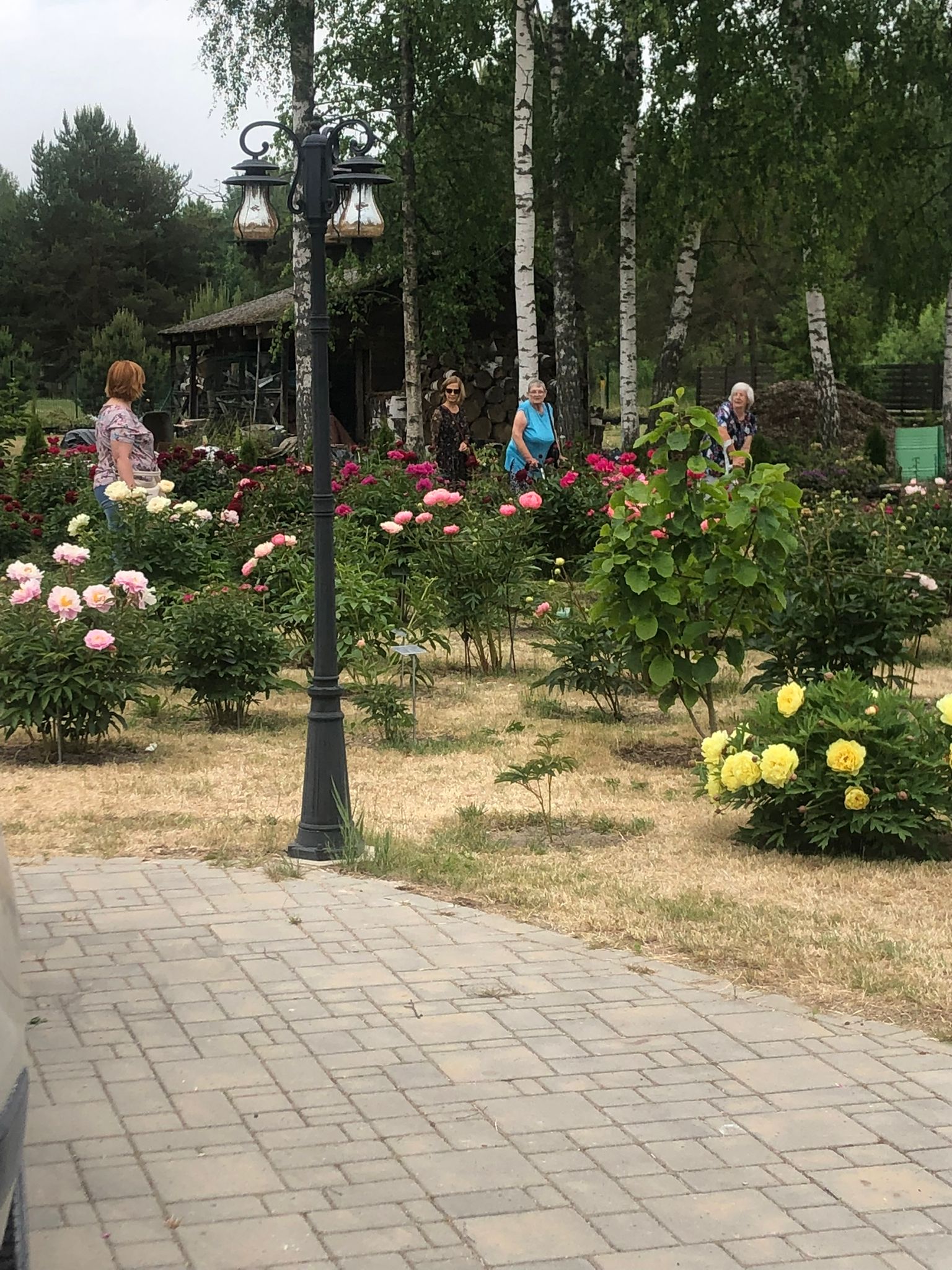
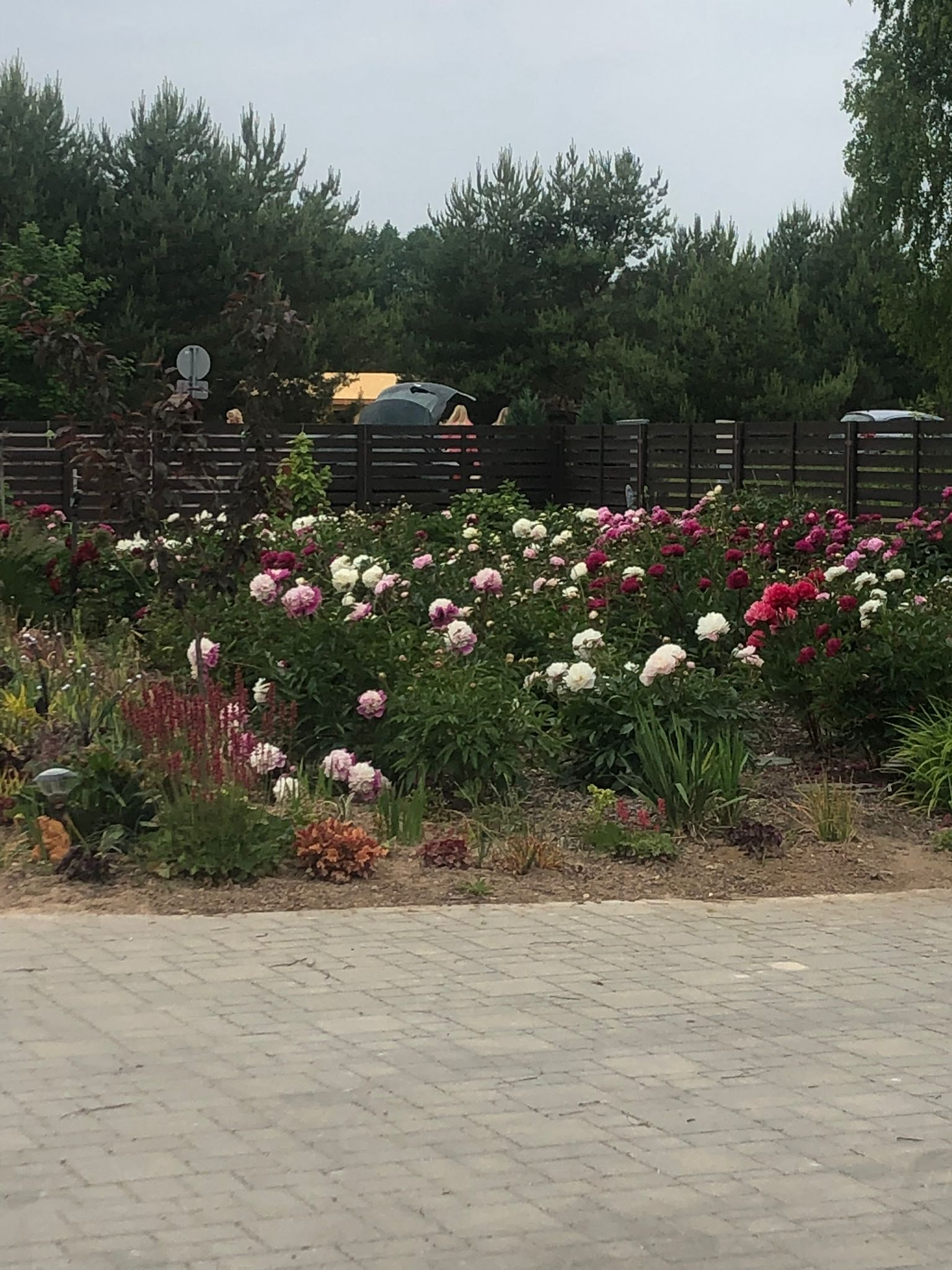

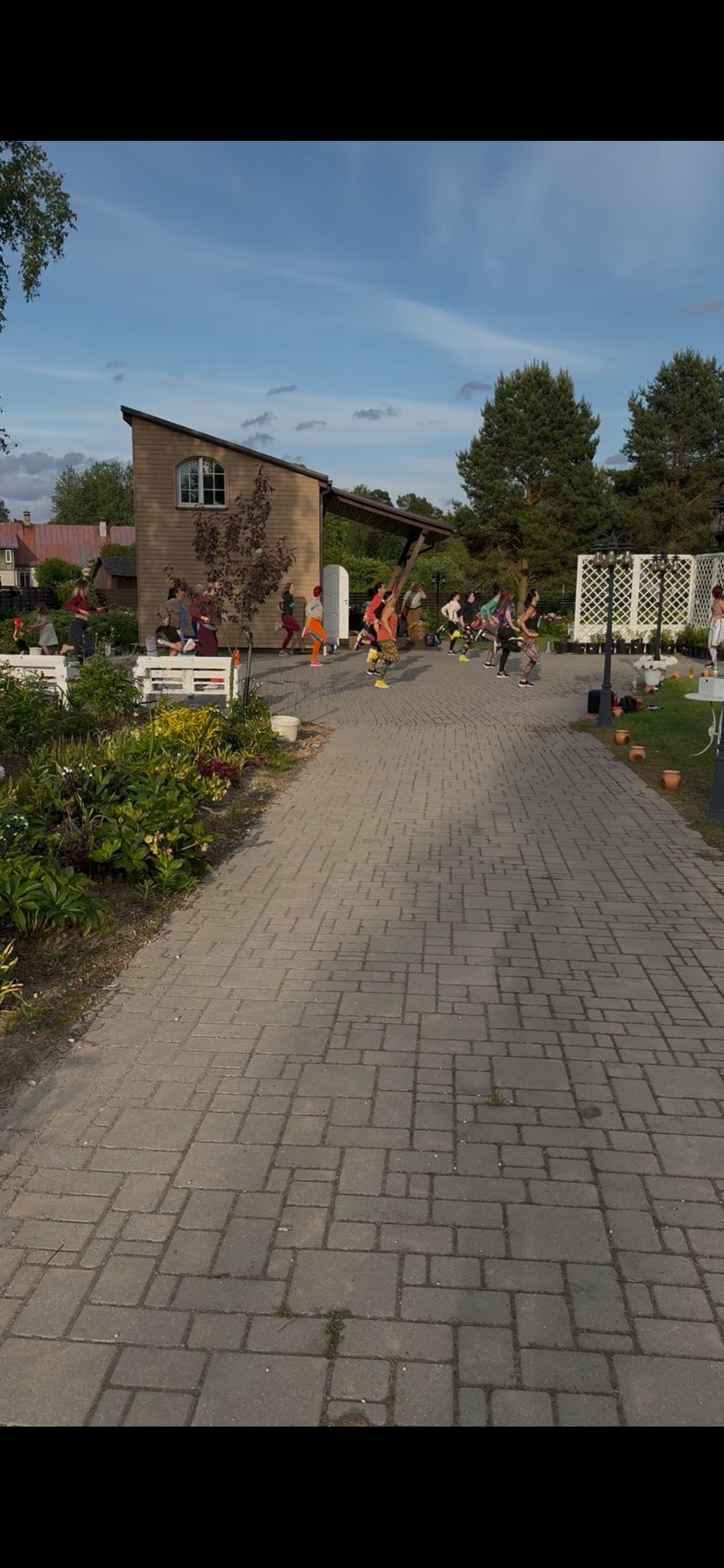
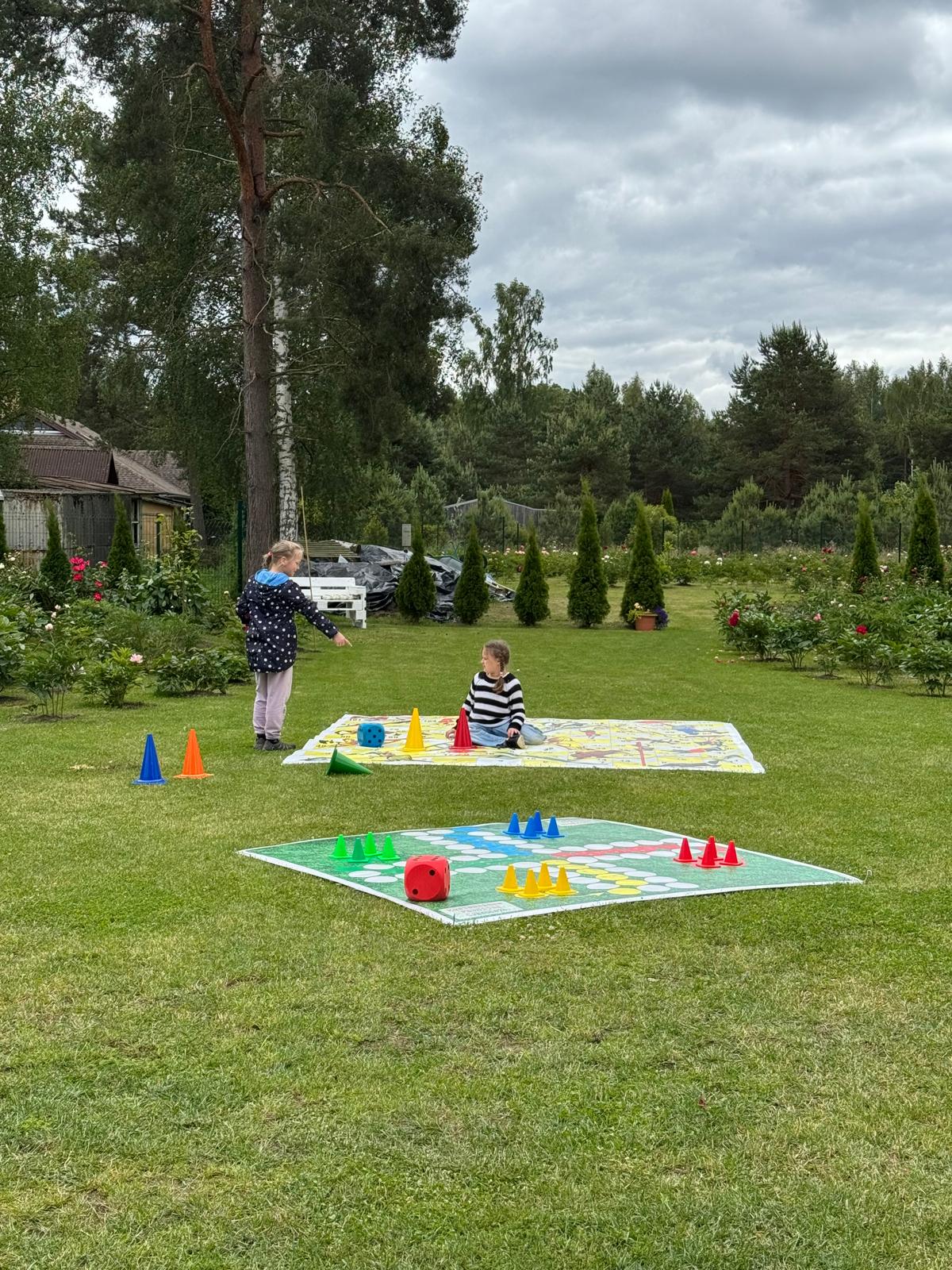


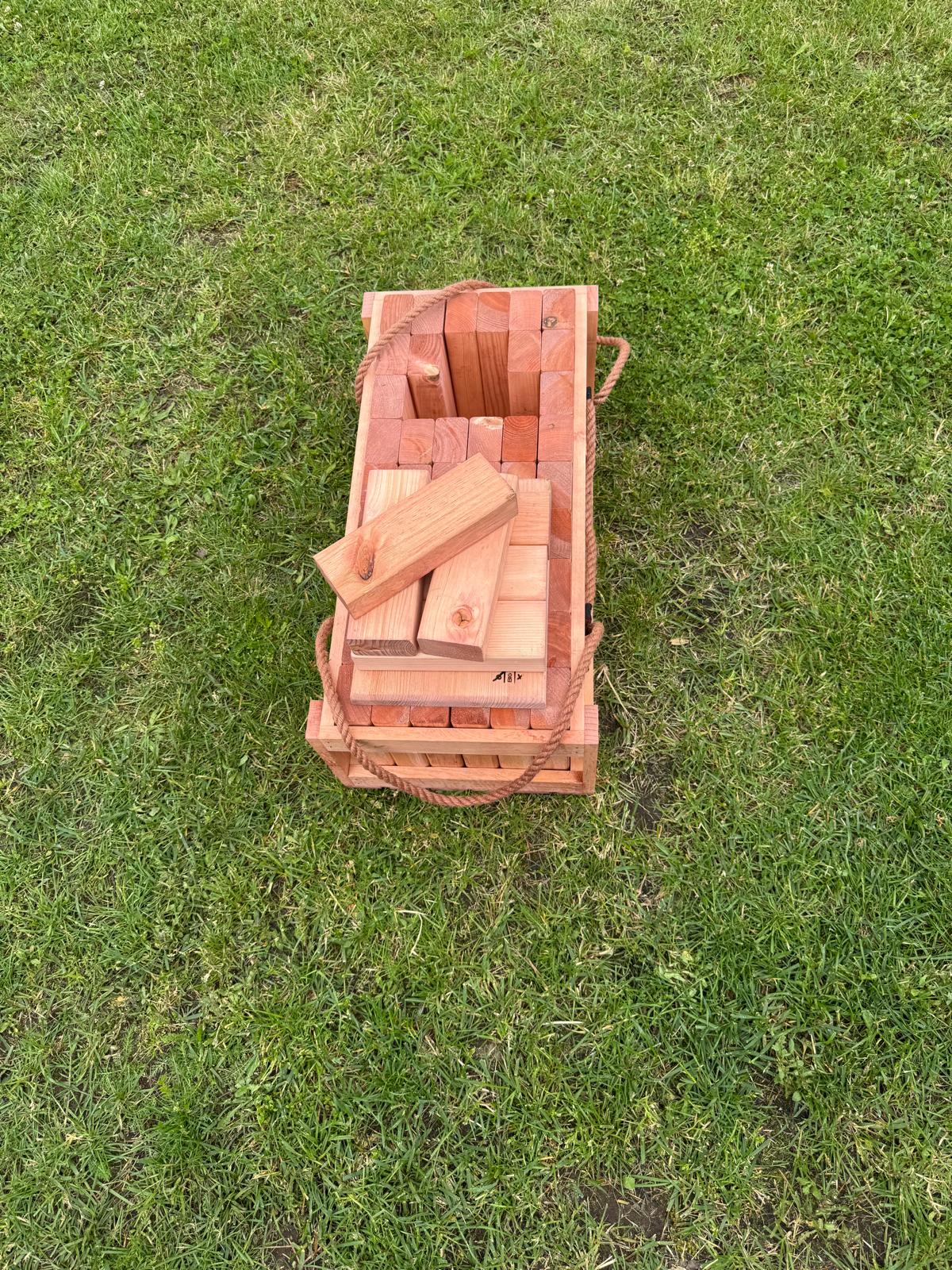
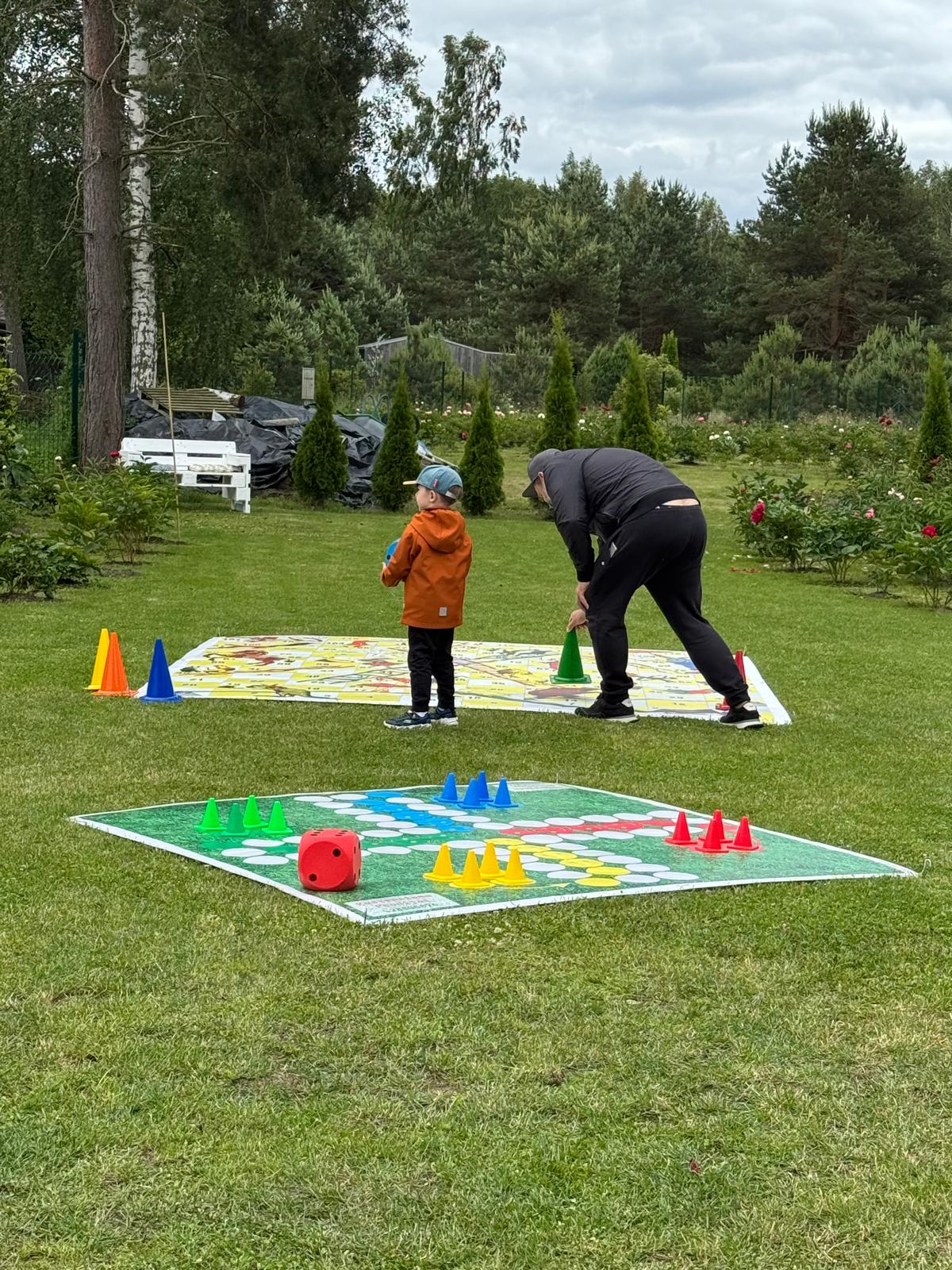
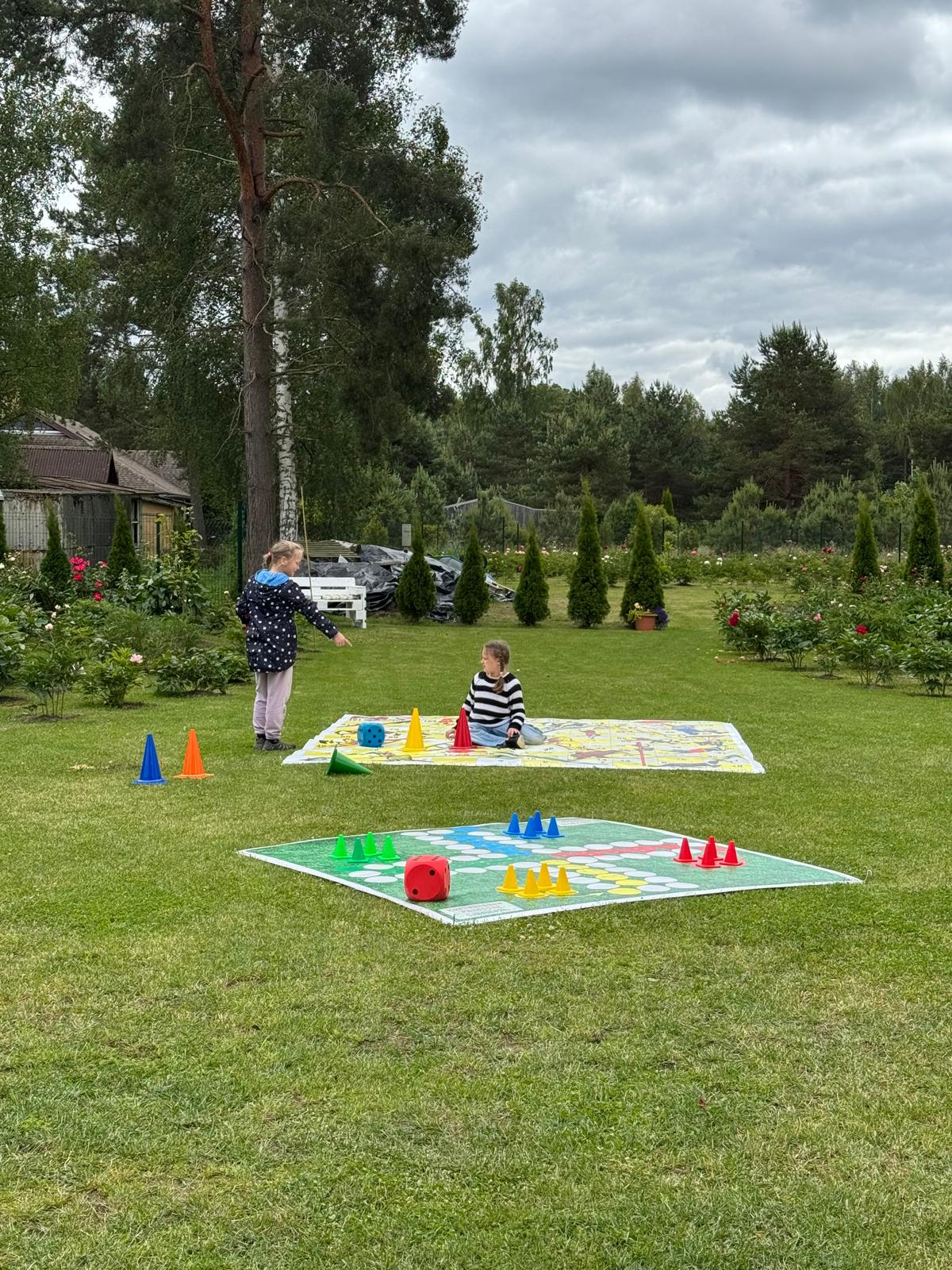

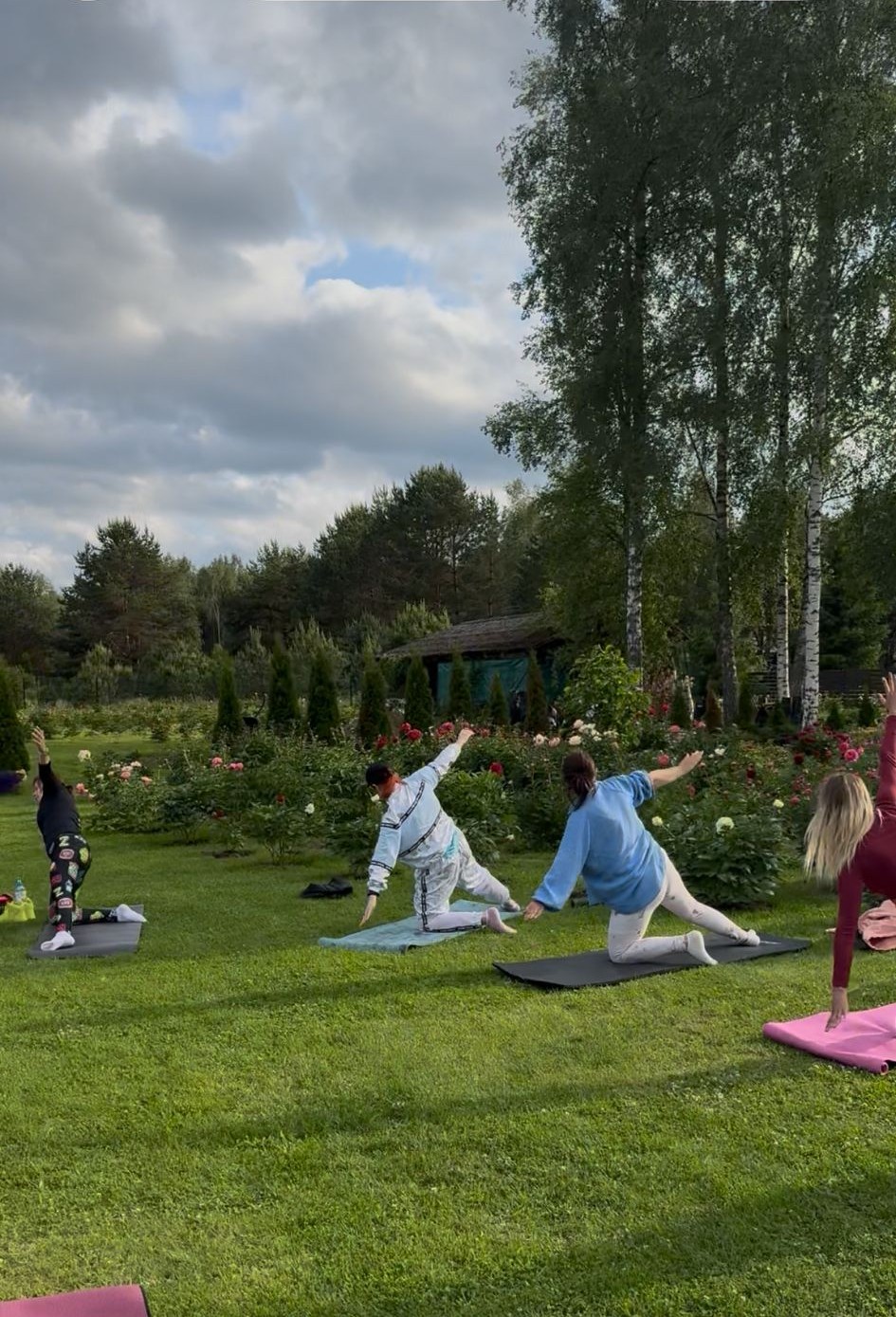
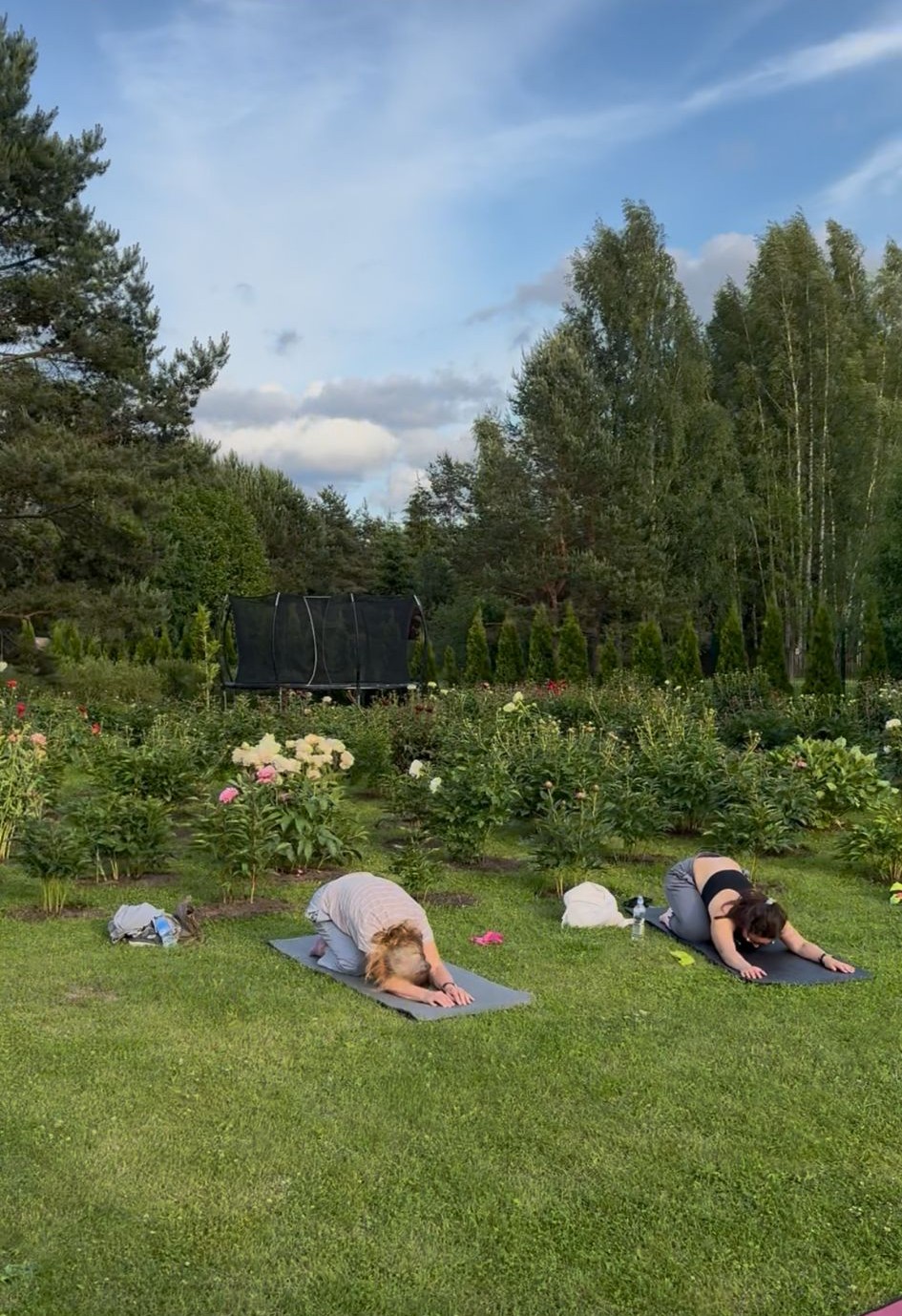
Activities.
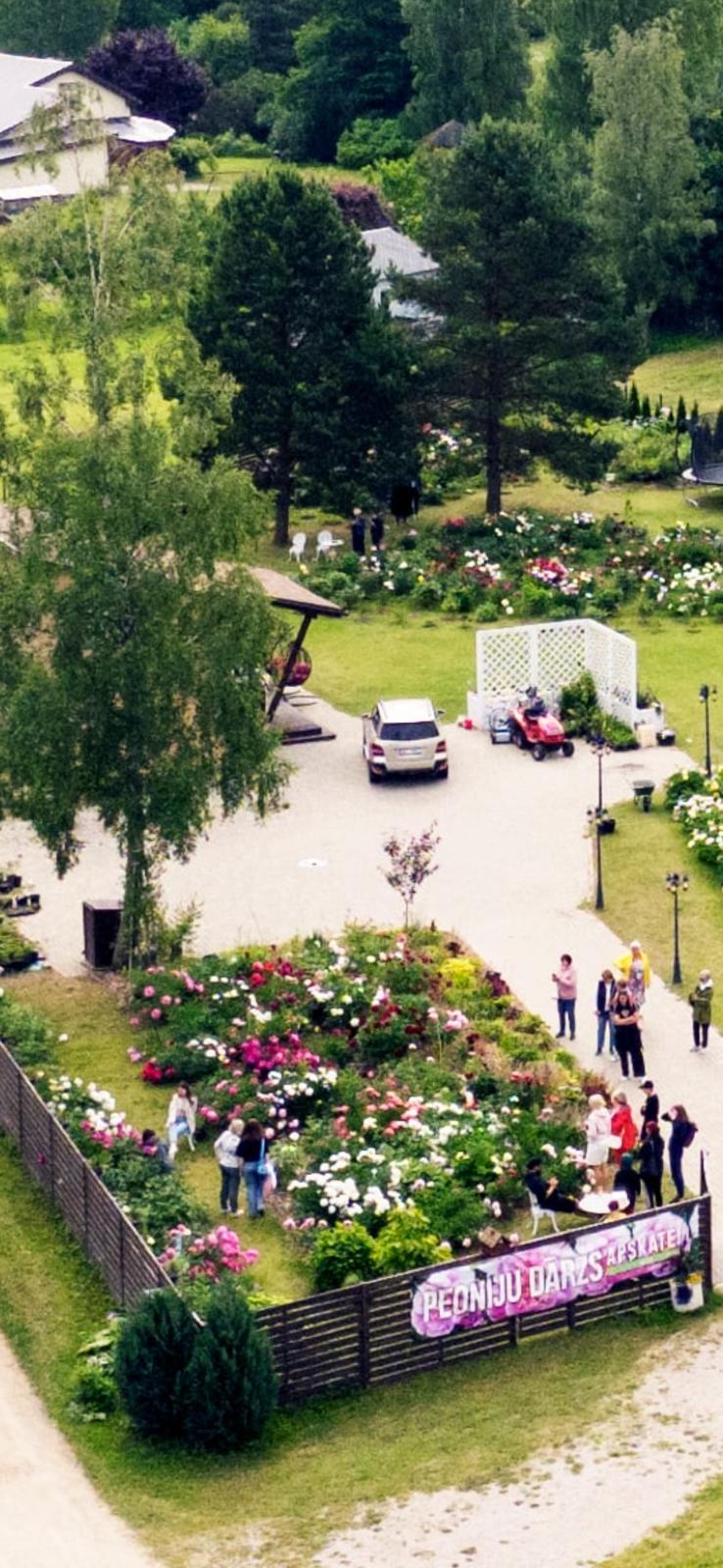
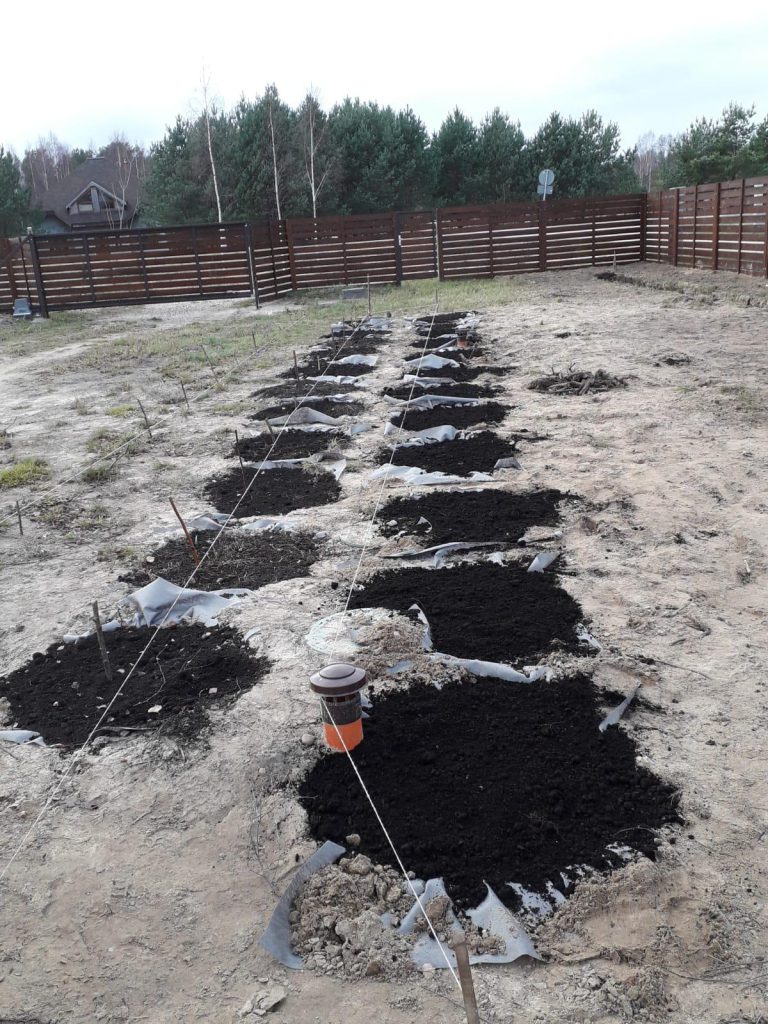
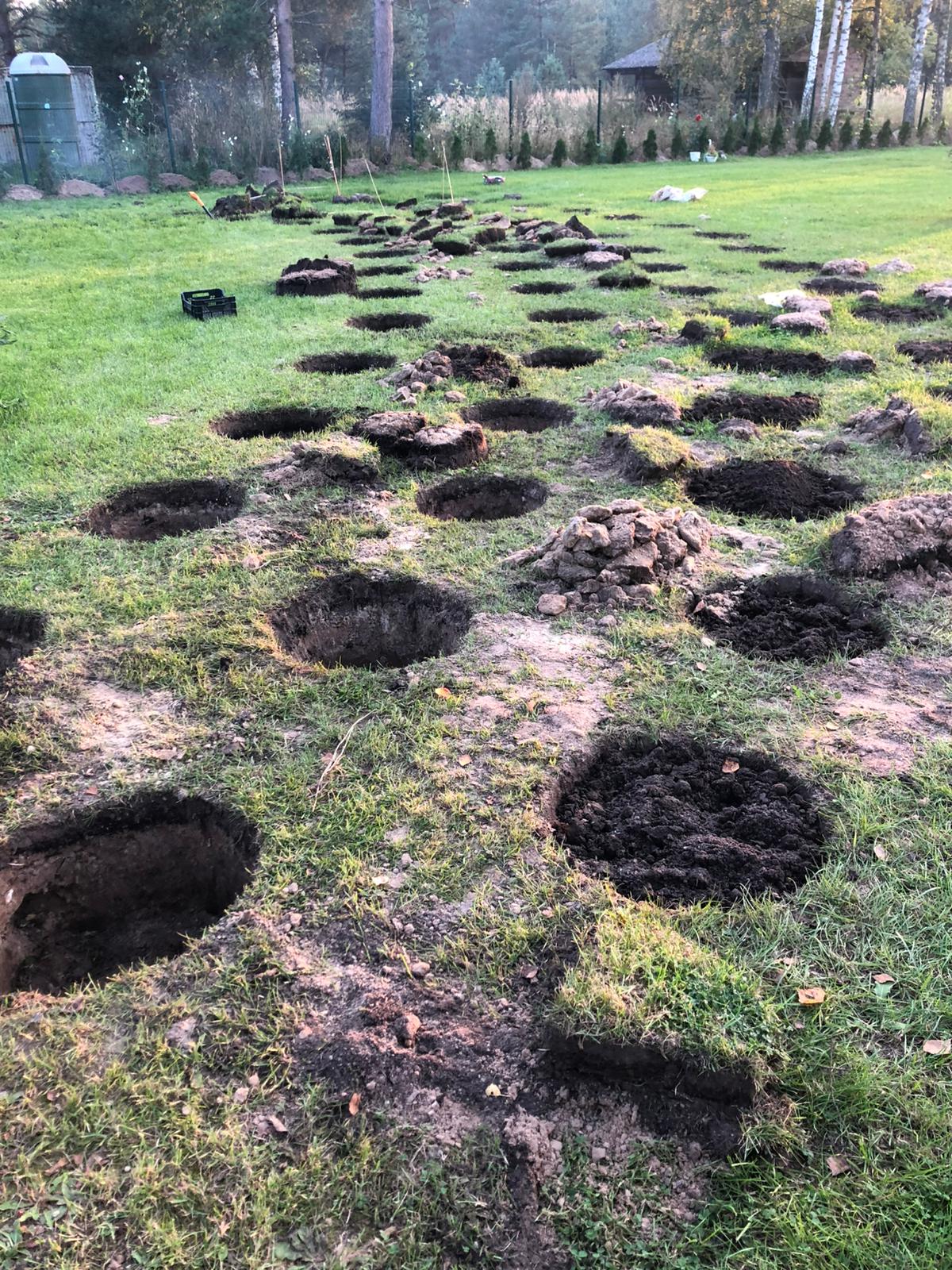
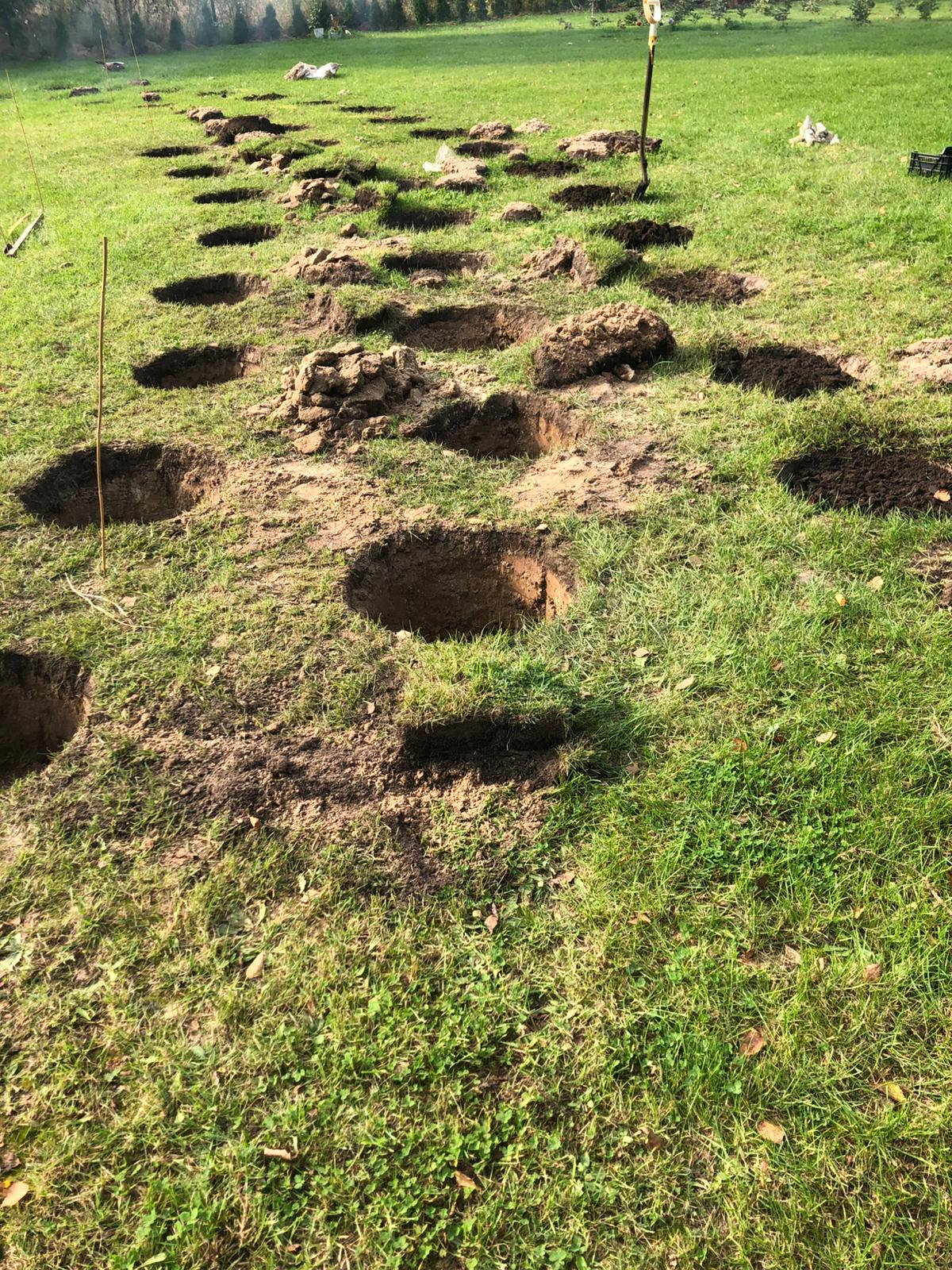
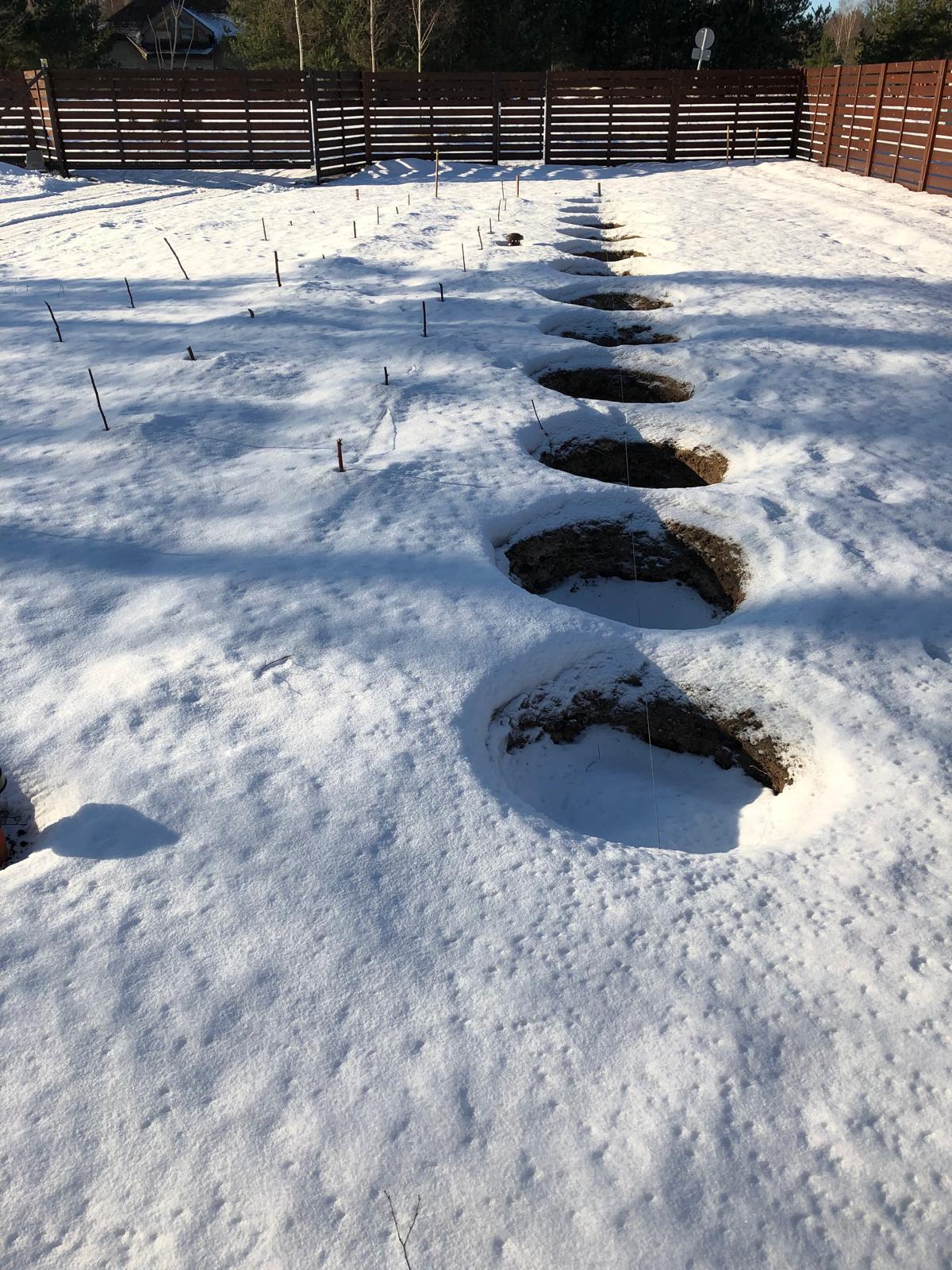
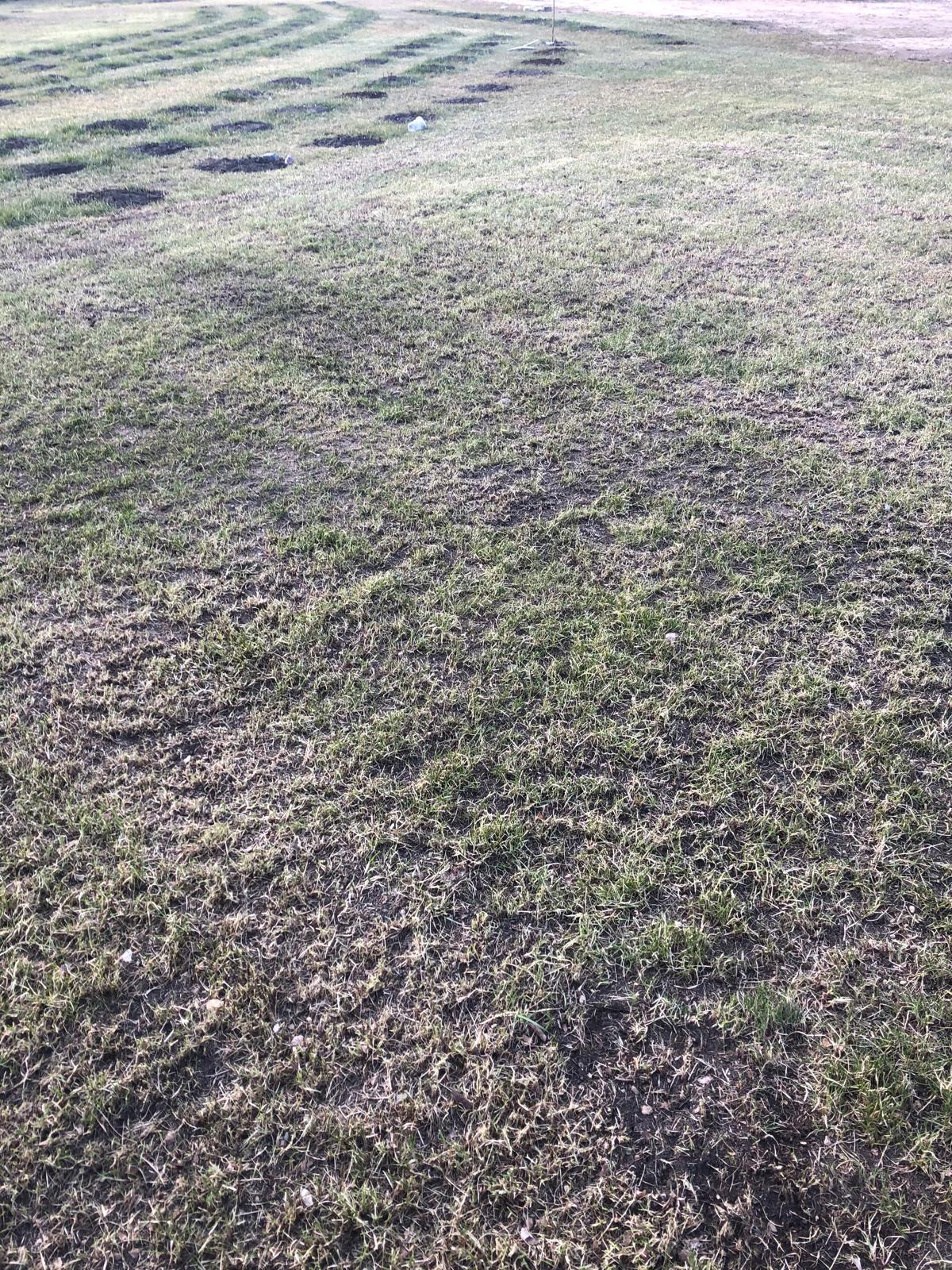
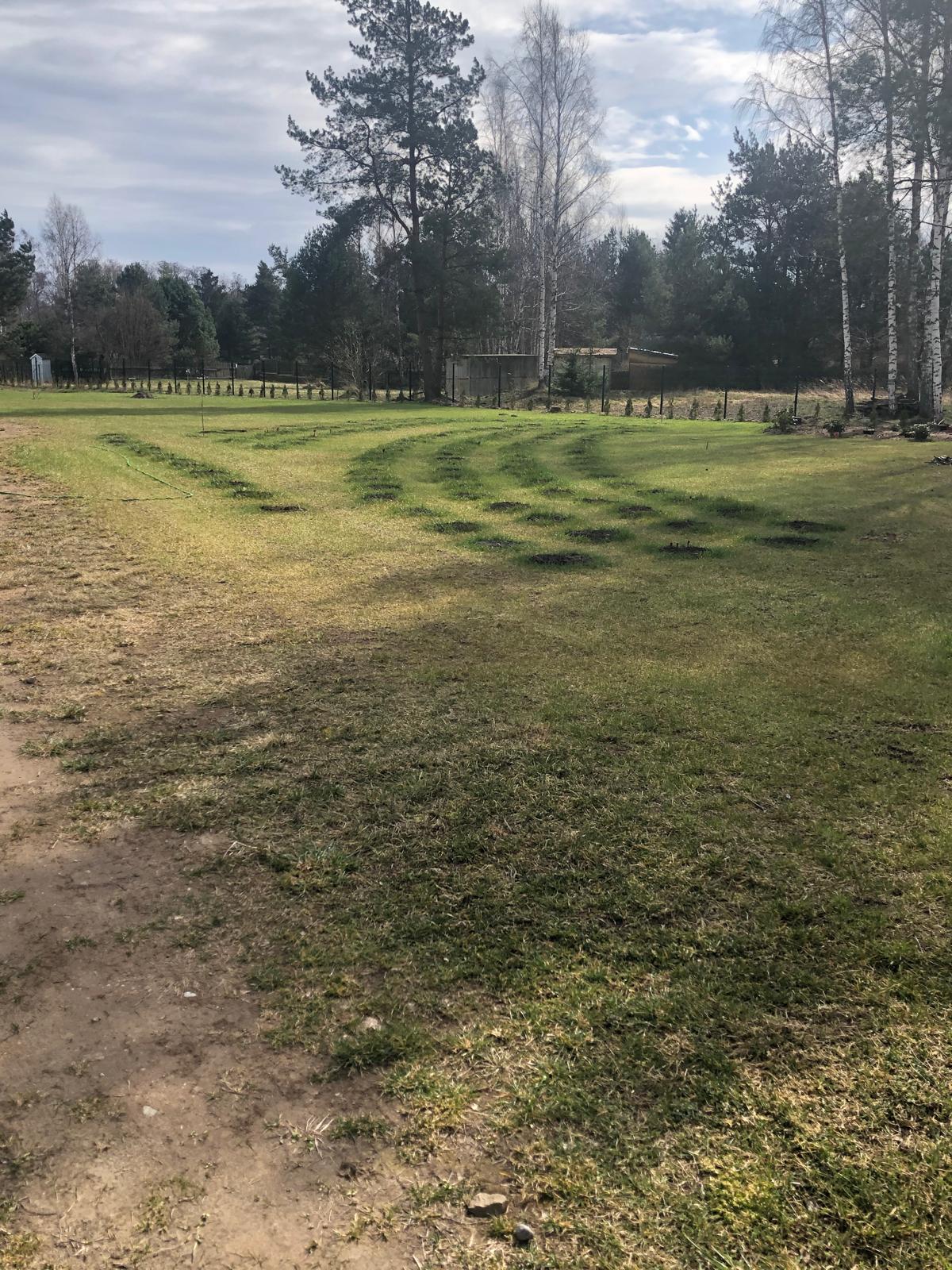
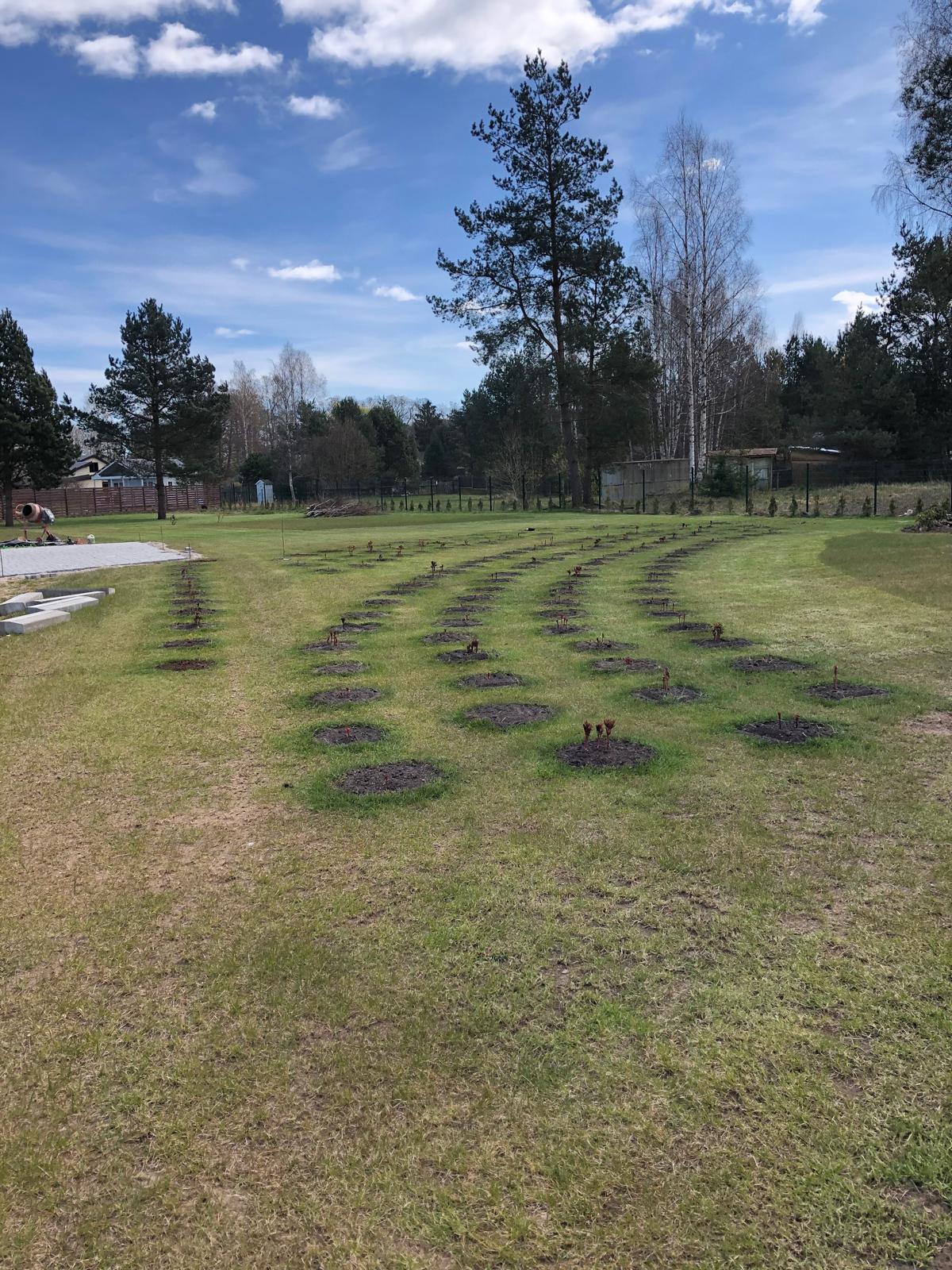
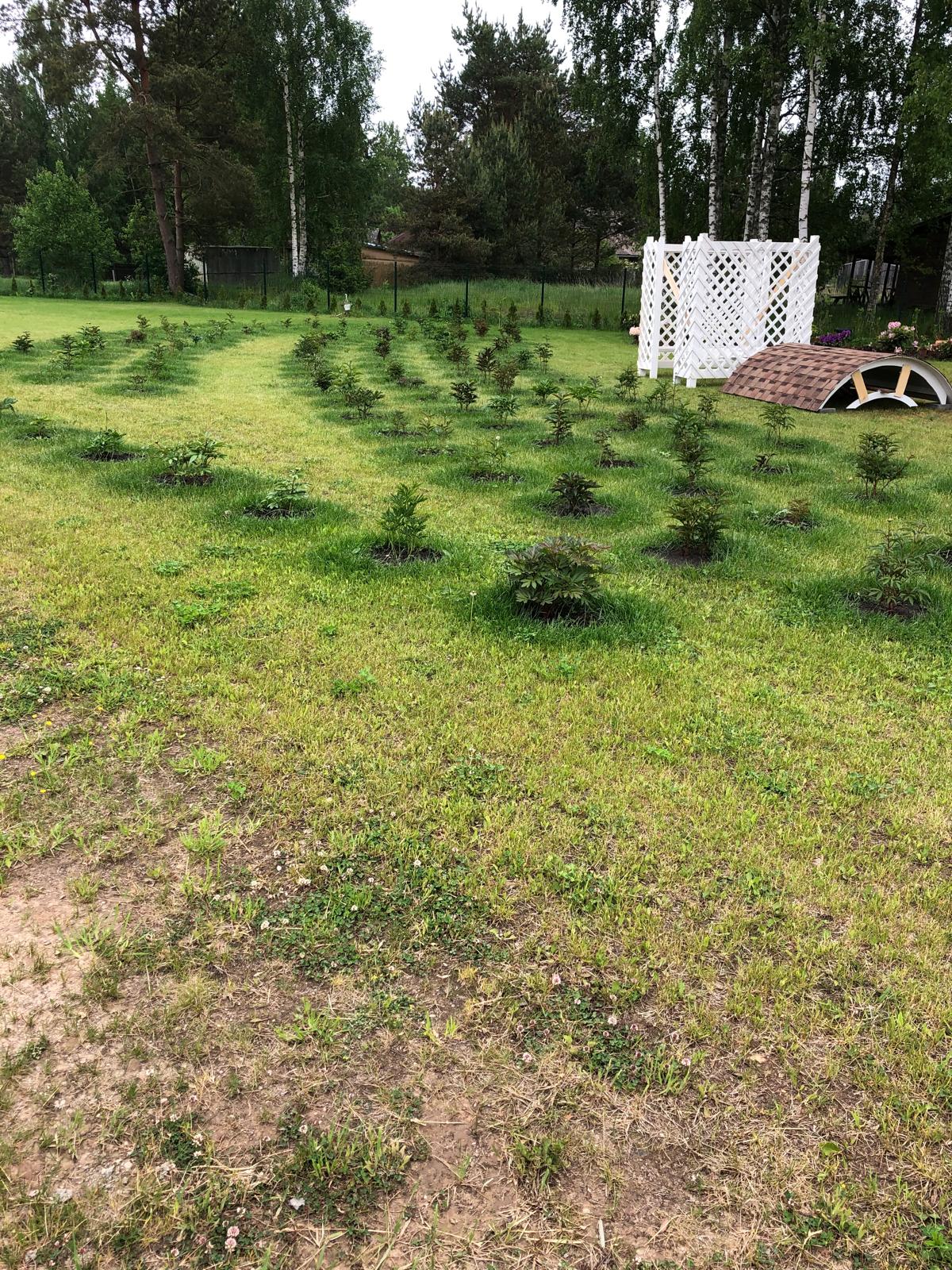
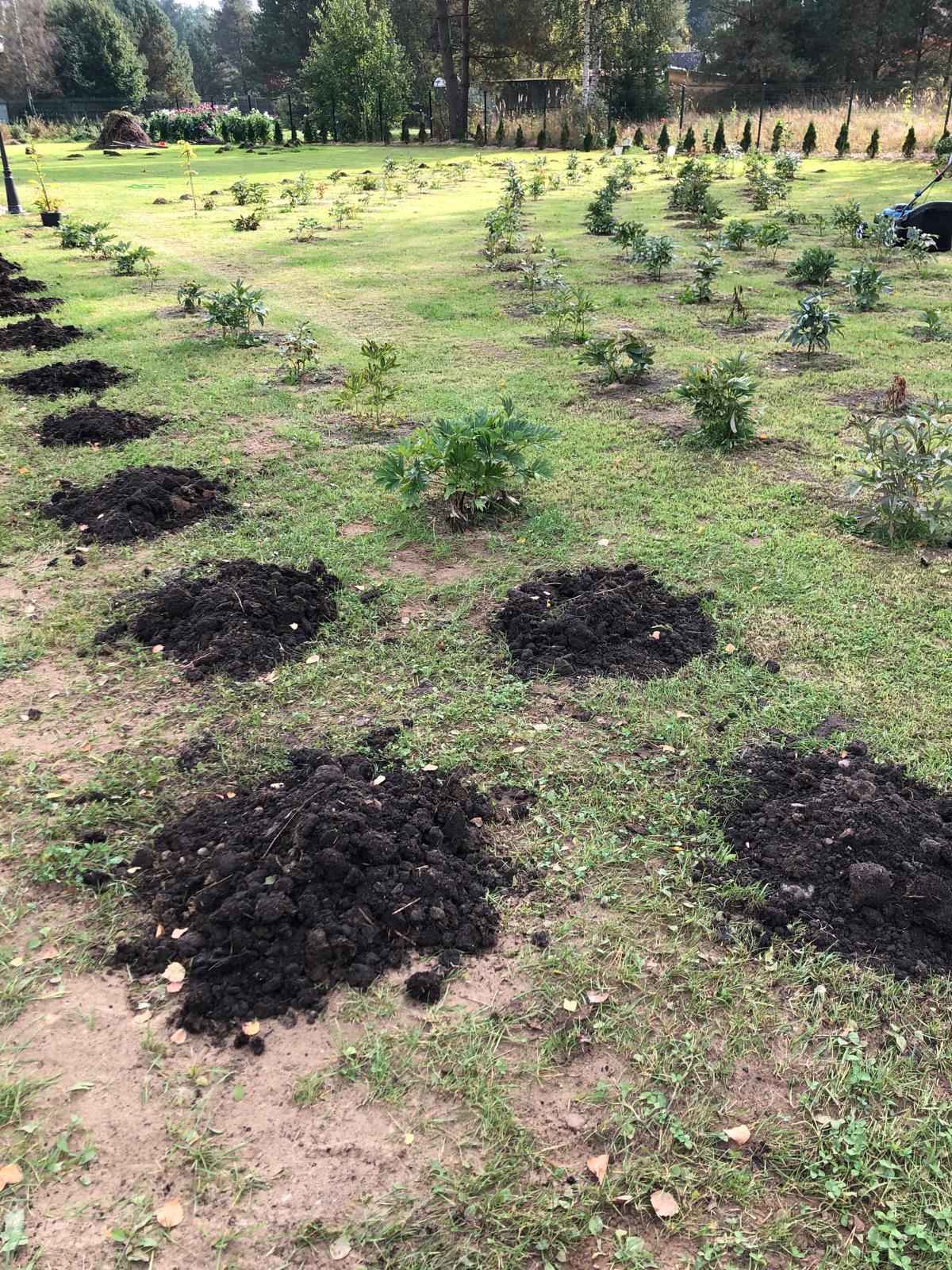
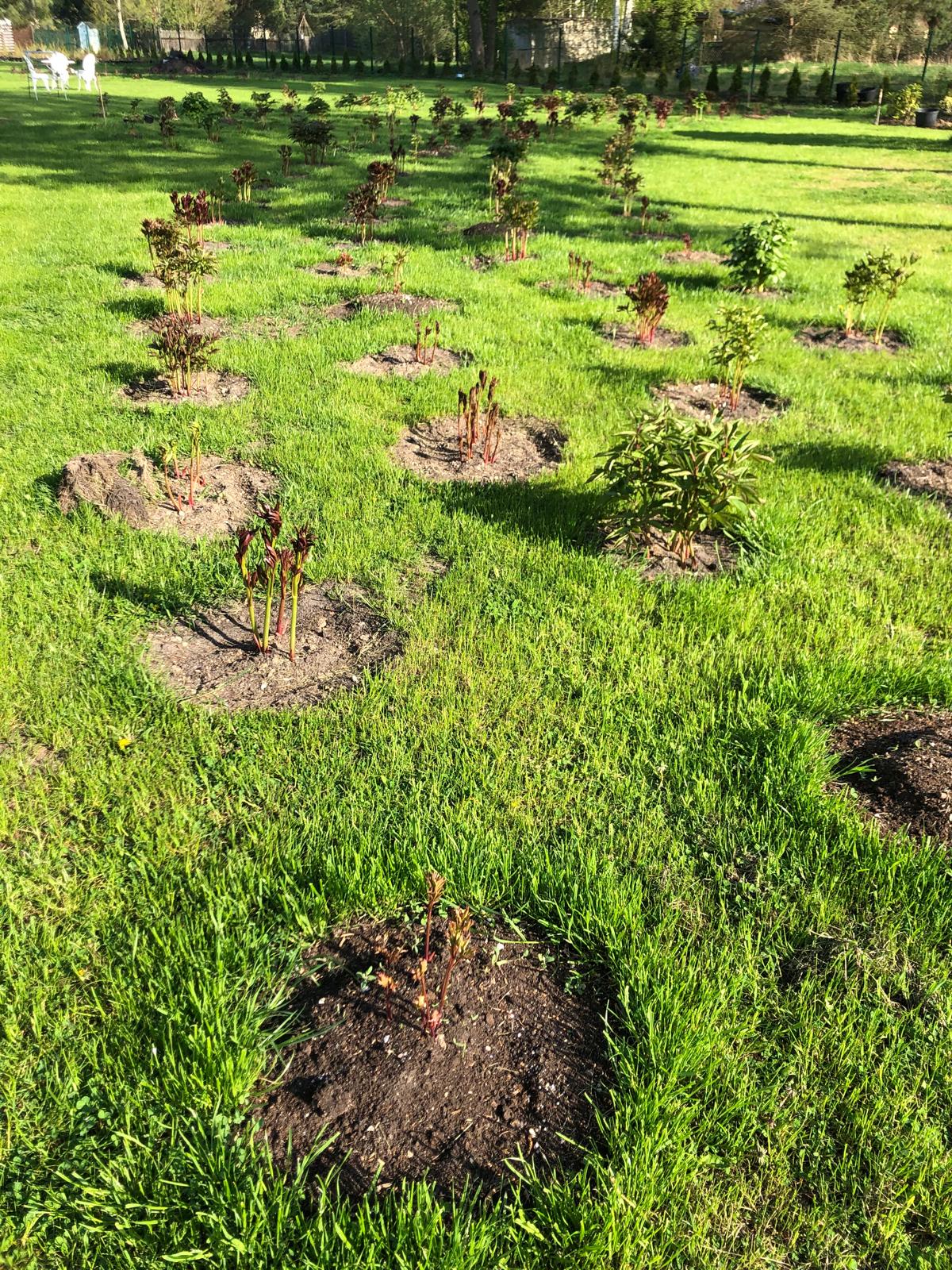
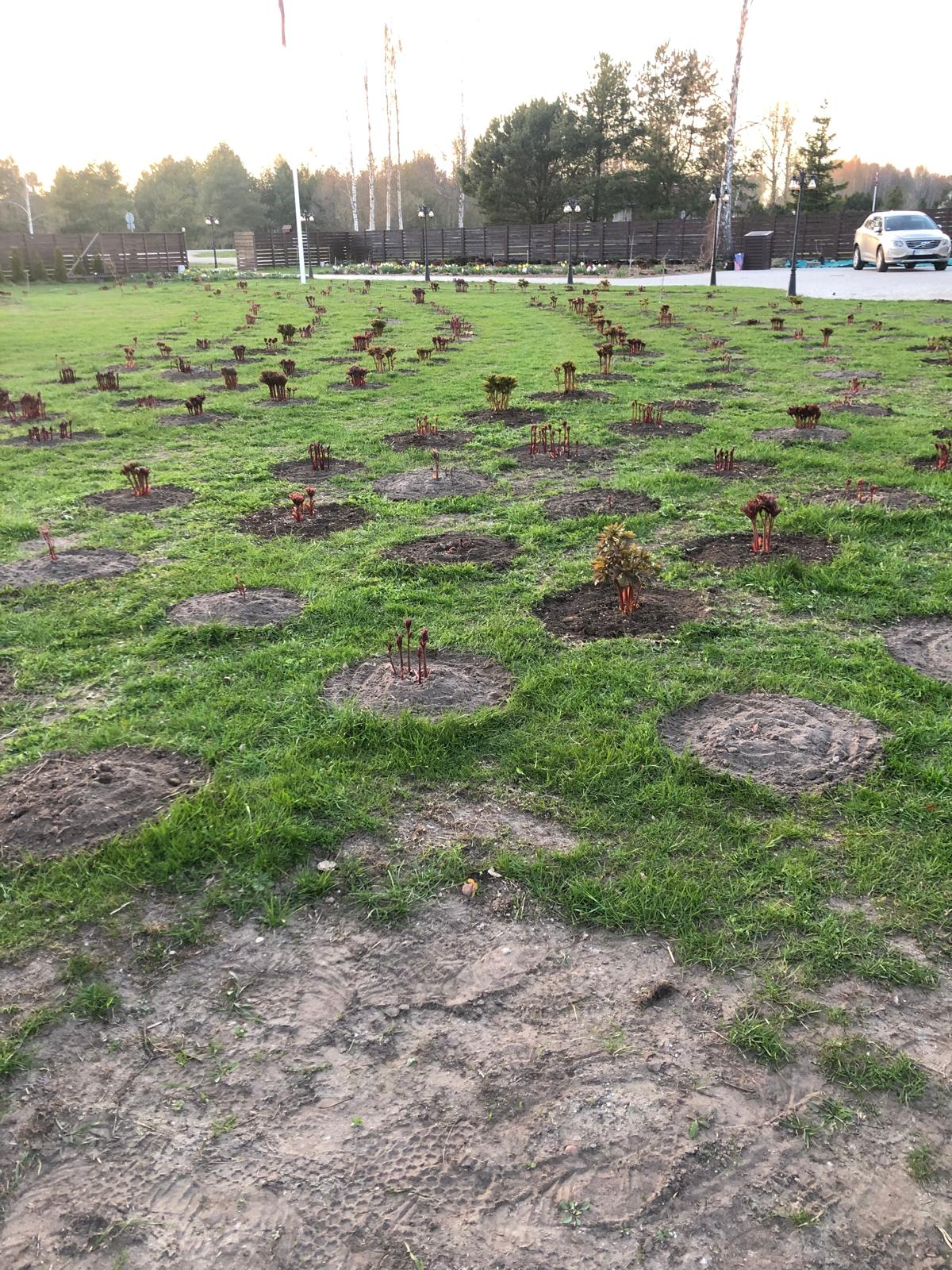
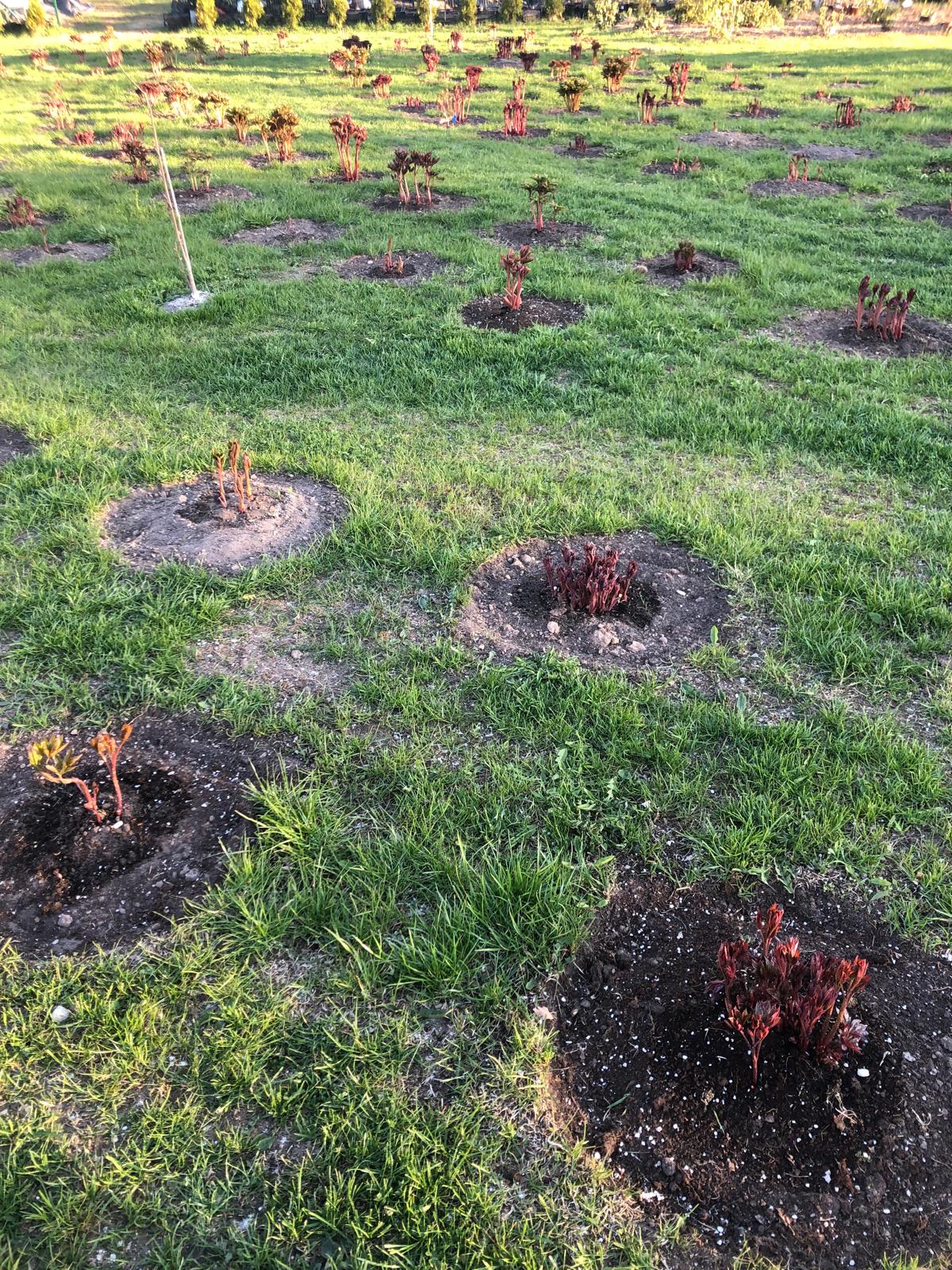
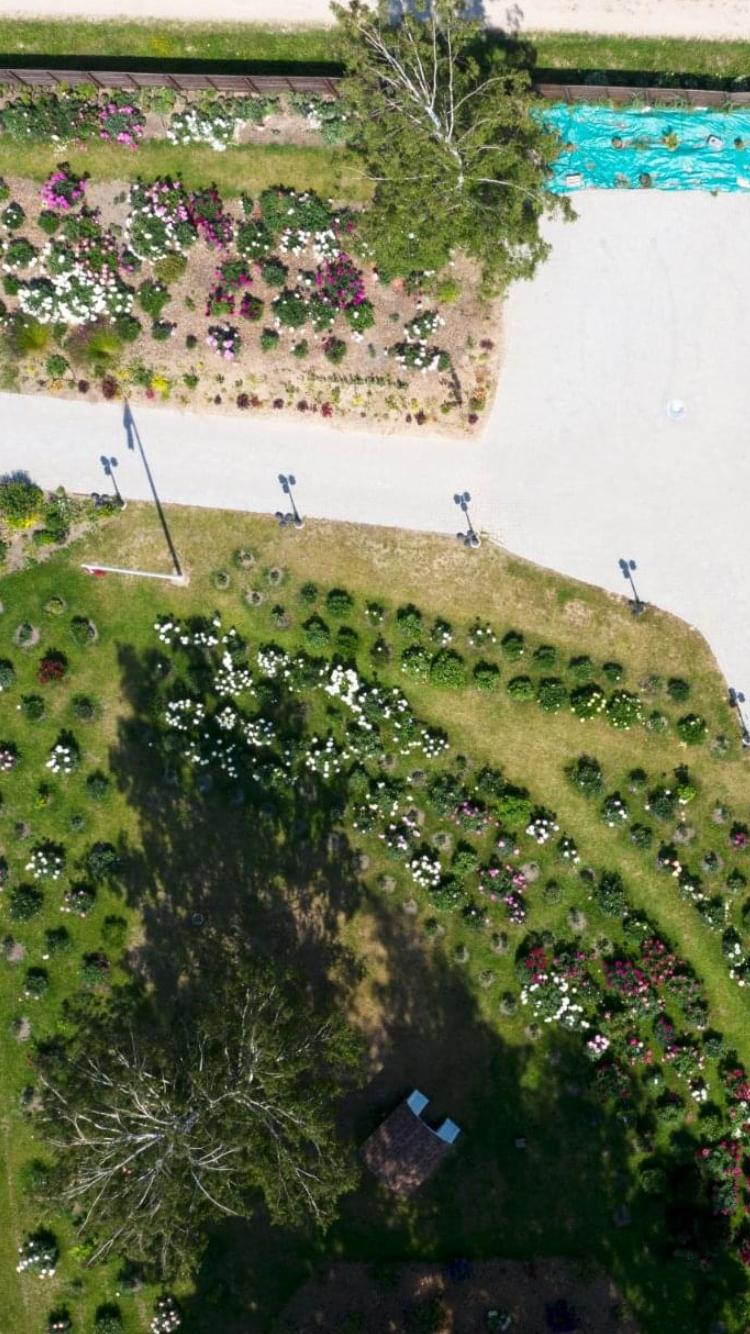
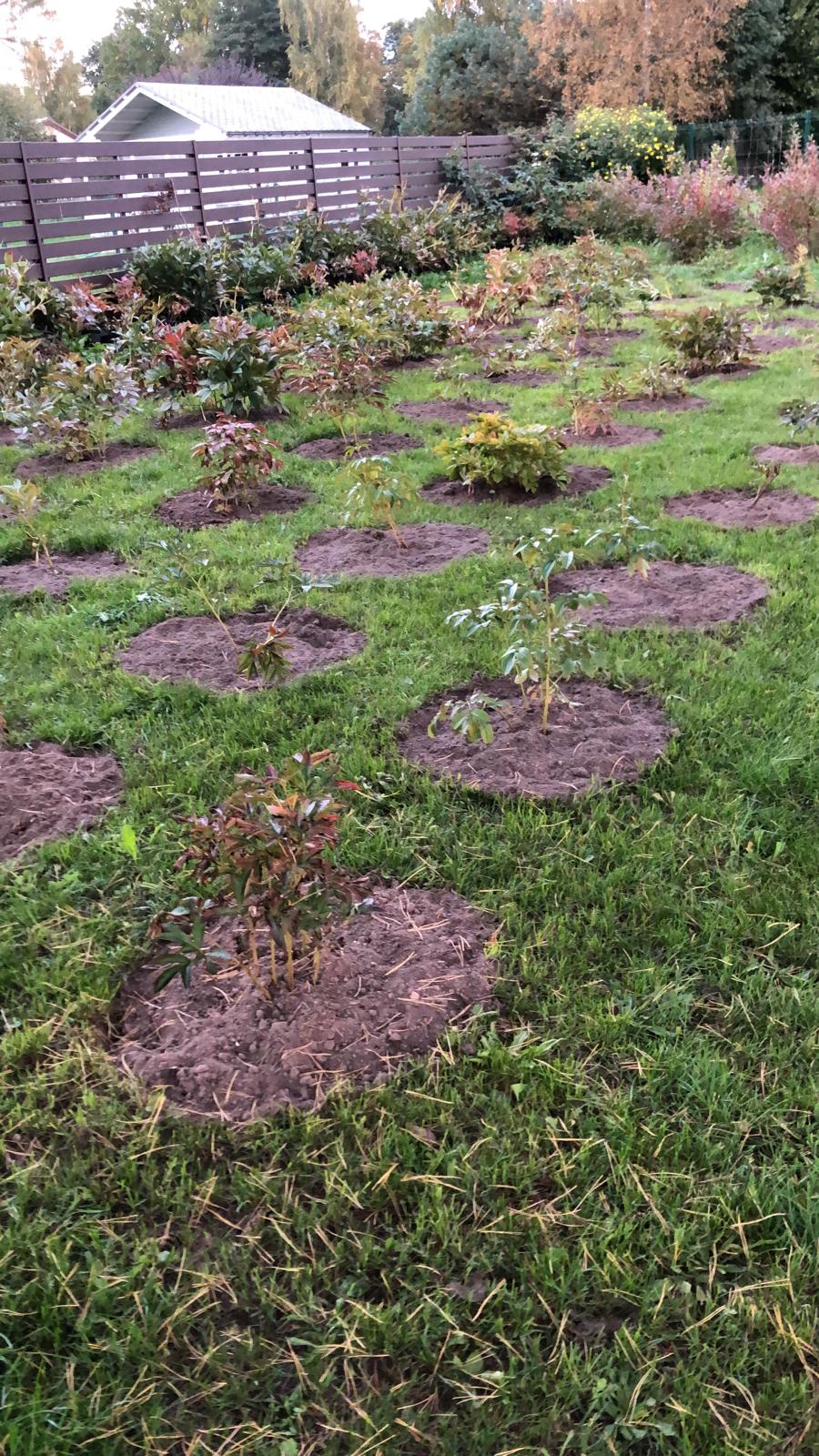
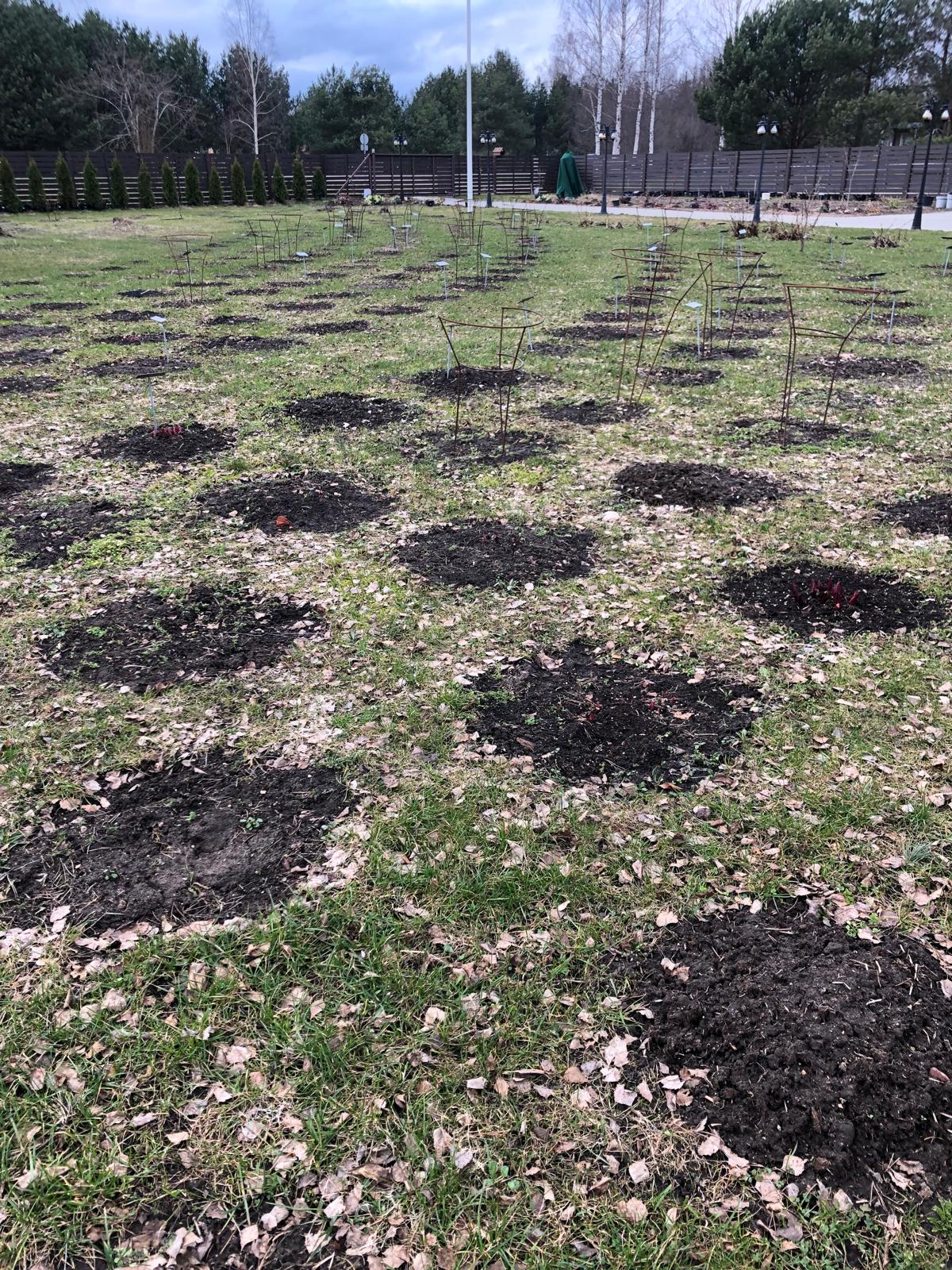
This is how the peony garden began. The first work started in the autumn of 2016, with the planting of the first two rows.
Questions about growing peonies
Peony roots should be planted so that the soil above the buds does not exceed 3–5 cm.
It is best to transplant peonies no earlier than the second half of September.
Peonies should be divided no earlier than the second half of September, when strong new buds have formed. These buds will produce full, healthy flower stems the following year, not just small green leaves.
A peony can grow in the same place for a very long time. There is no fixed number of years. There are gardens where peonies planted by great-grandmothers are still growing and are over 100 years old. However, to keep them flowering well, proper care is needed.
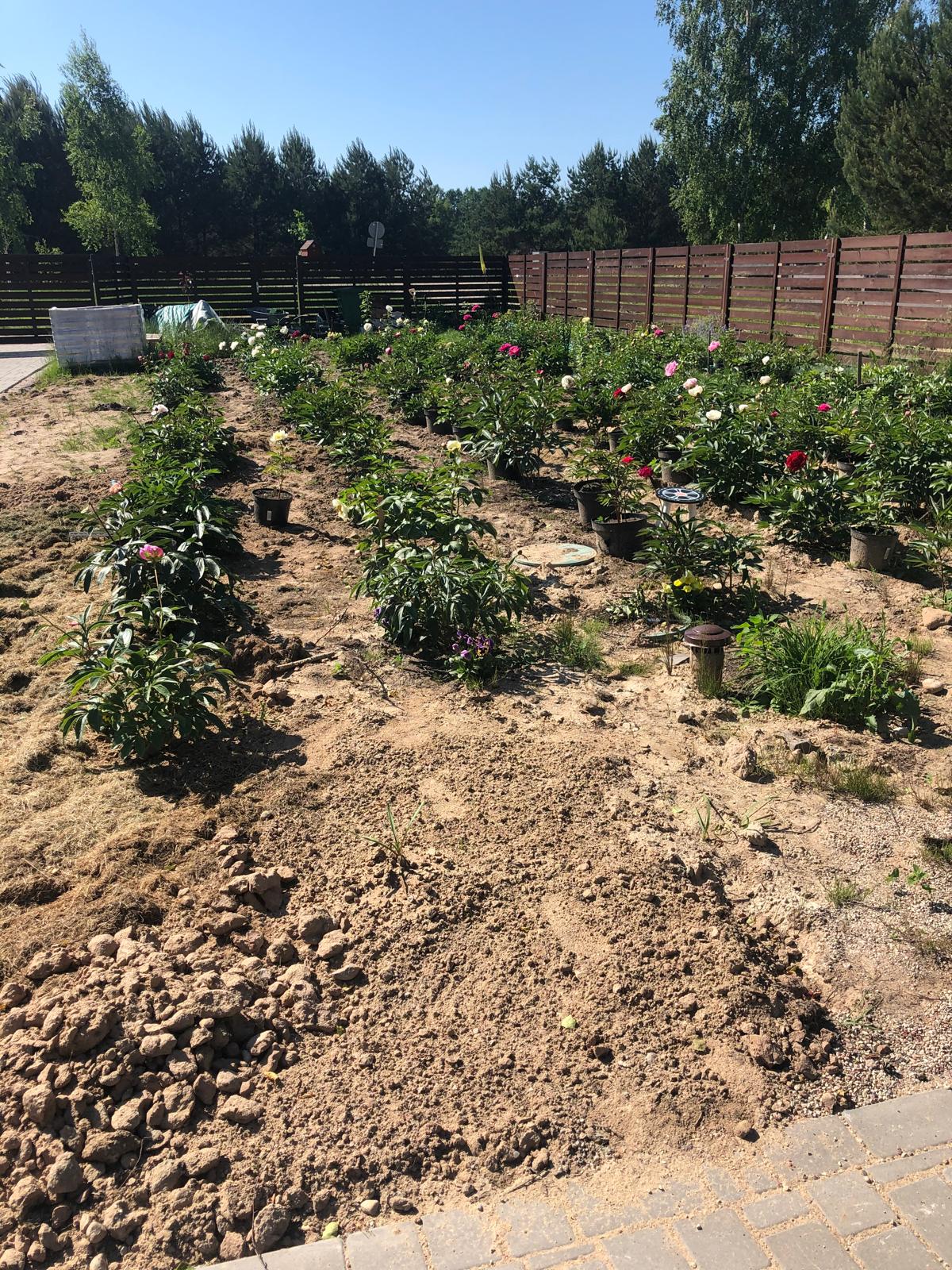
The best place for peonies is an open, sunny, and airy location. The only things peonies do not like are excessive moisture and overcrowded plantings.
Rich, well-prepared sandy loam soil with a neutral pH of about 7.5 is best for peonies.
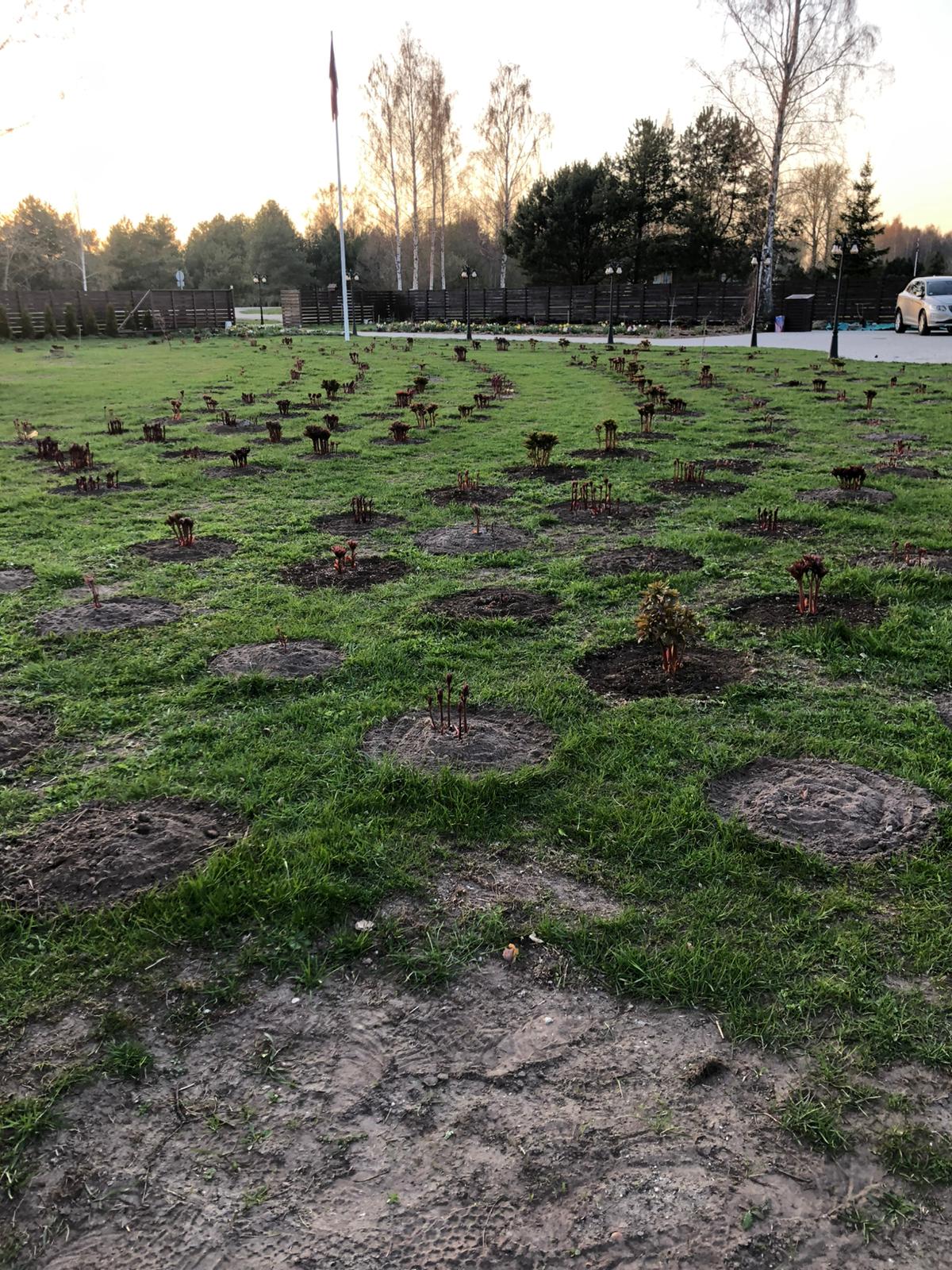
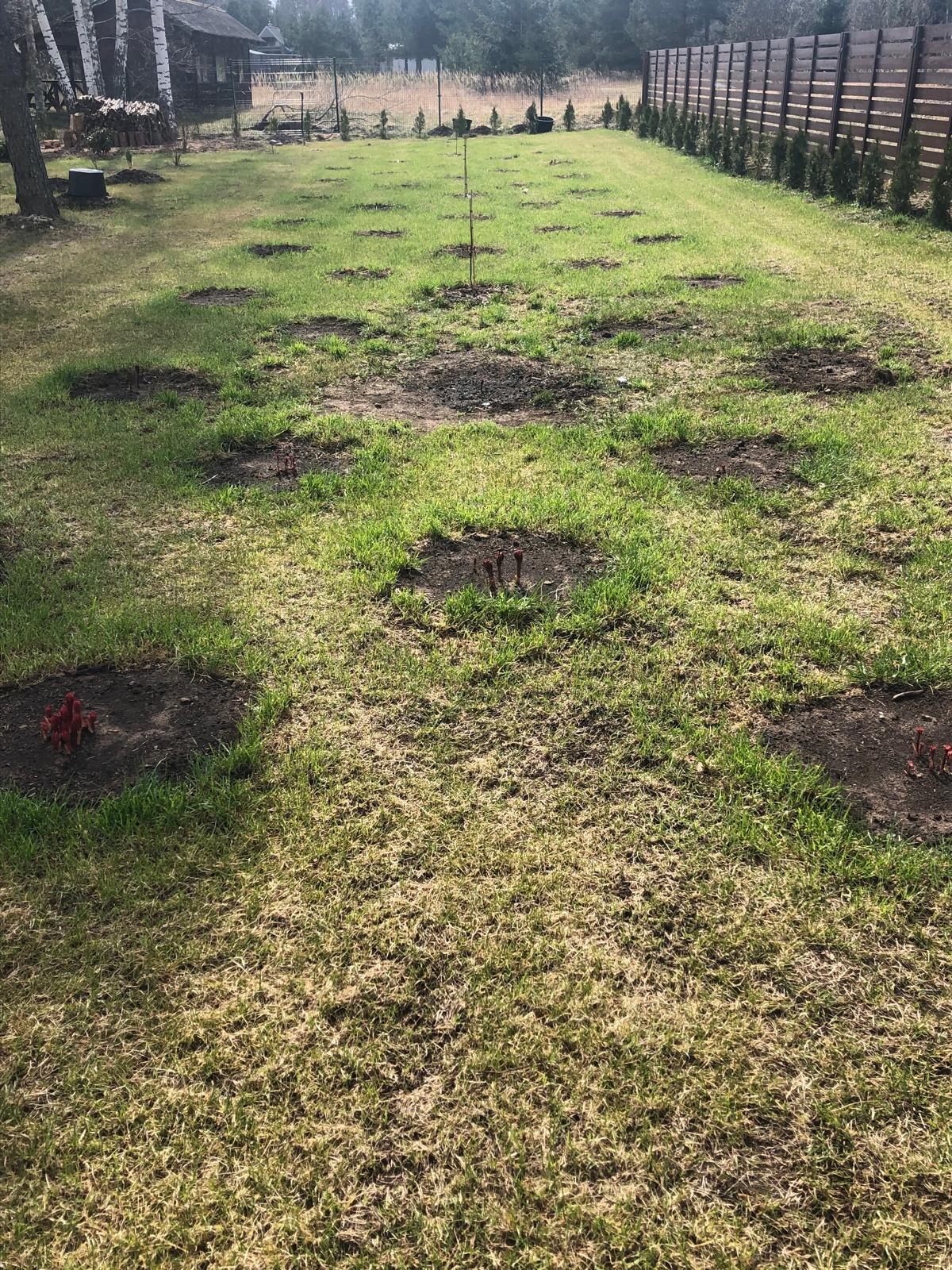
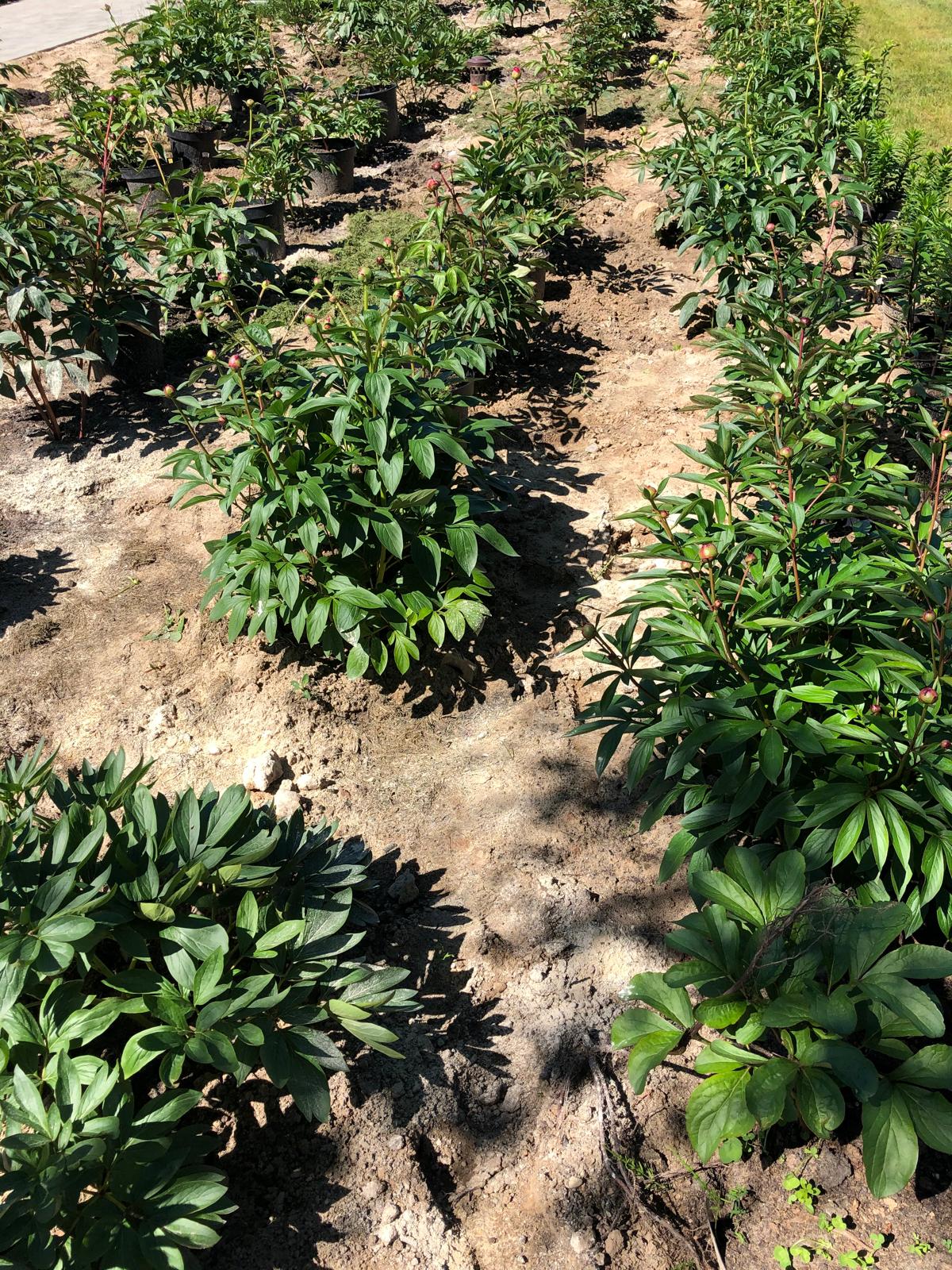
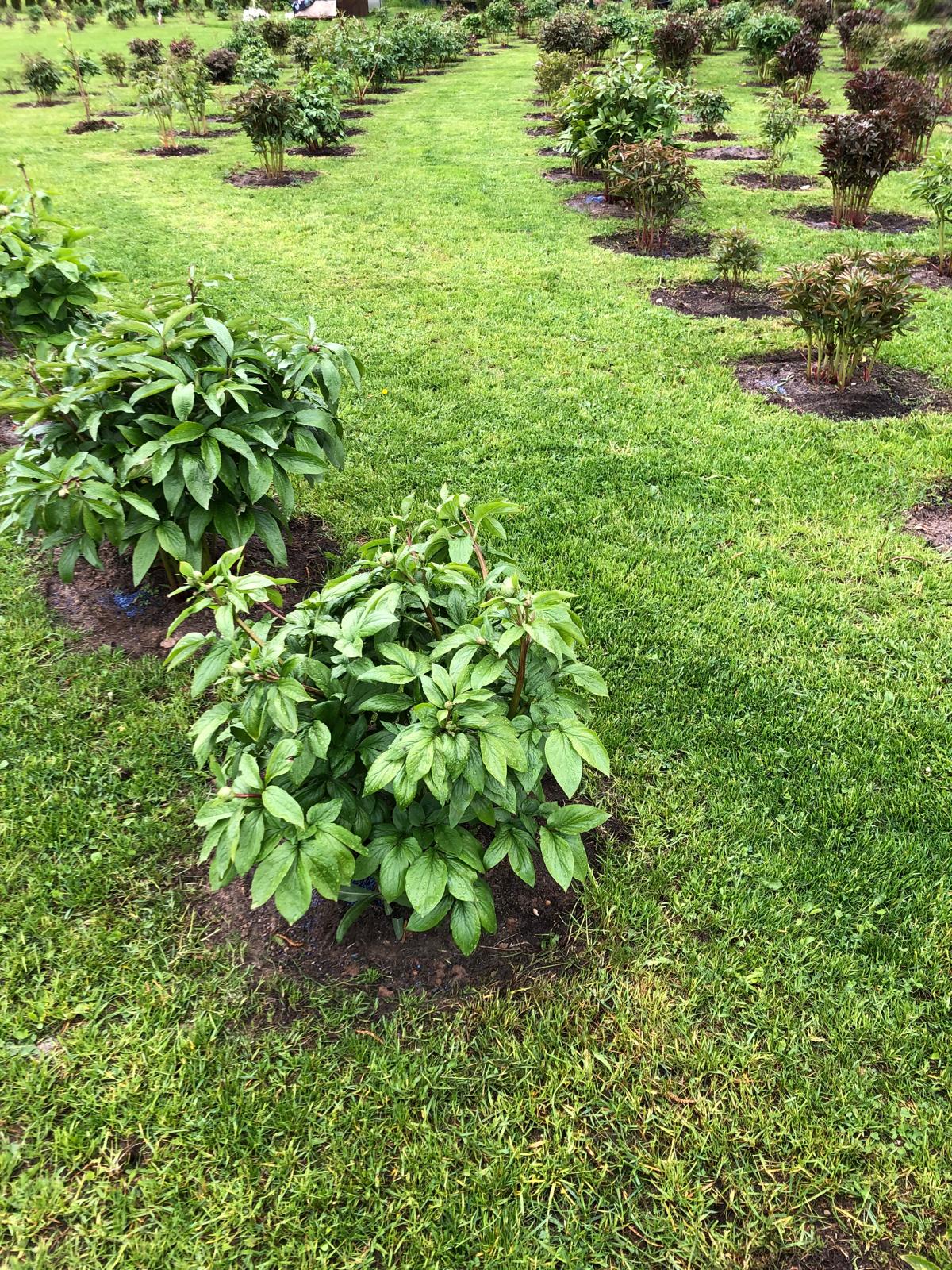
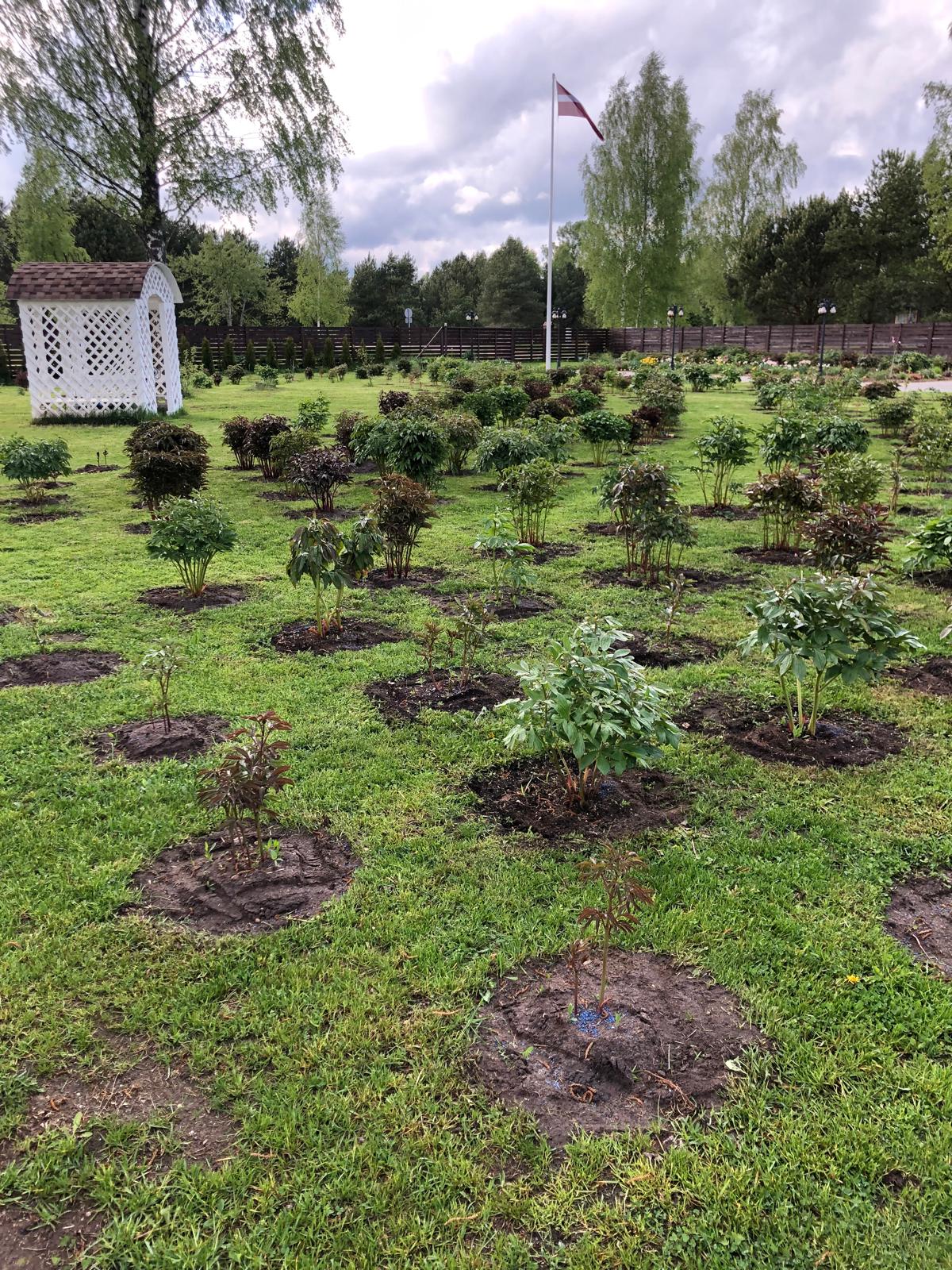
The recommended distance from the center of one plant to the center of another is at least 1 meter. In my garden, there are two spacings: 1.10 m and 1.50 m. Where the spacing is 1.50 m, it is easy to drive a small tractor, maintenance is easier, and rot occurs much less often.
Watering, of course, depends on weather conditions and soil structure. However, since peonies do not like excess moisture, I do not water them. During a wet summer, I noticed that two peonies, Carol and Colonel Owen Cousins, which tend to have bending stems, had much straighter stems. This still needs further observation.
Stem rot is the biggest threat for peony growers. First of all, it is important to make sure that the planting material is of good quality. In spring, peonies can be treated with wood ash, using only ash from deciduous trees. Plantings should be inspected regularly, and any damaged flower stems should be removed immediately. The affected plant can be treated with a potassium permanganate solution. If the infected areas are too extensive and there is a risk of losing the plant, I recommend using appropriate fungicides.
It depends on personal preference. If you want the plant to grow into a larger bush the following year, the buds can be cut. If this is not important, the peony can be allowed to flower.
Preparing the planting bed depends on the structure of the soil in your garden.
Since I live about 300 meters from the sea, the soil in my garden is sandy. In addition, the groundwater level is high, which peonies really do not like, so the planting beds need to be prepared very thoroughly.
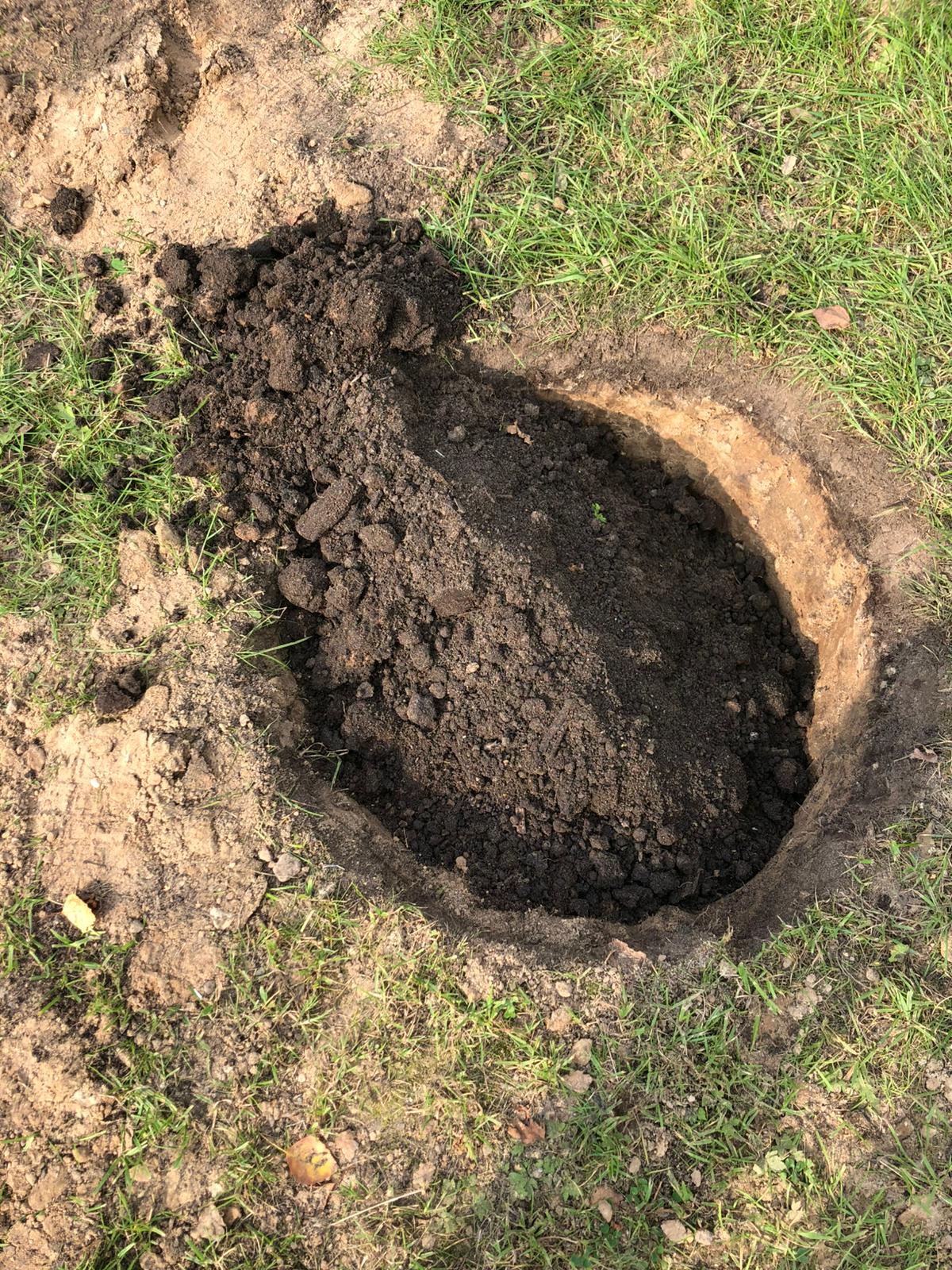
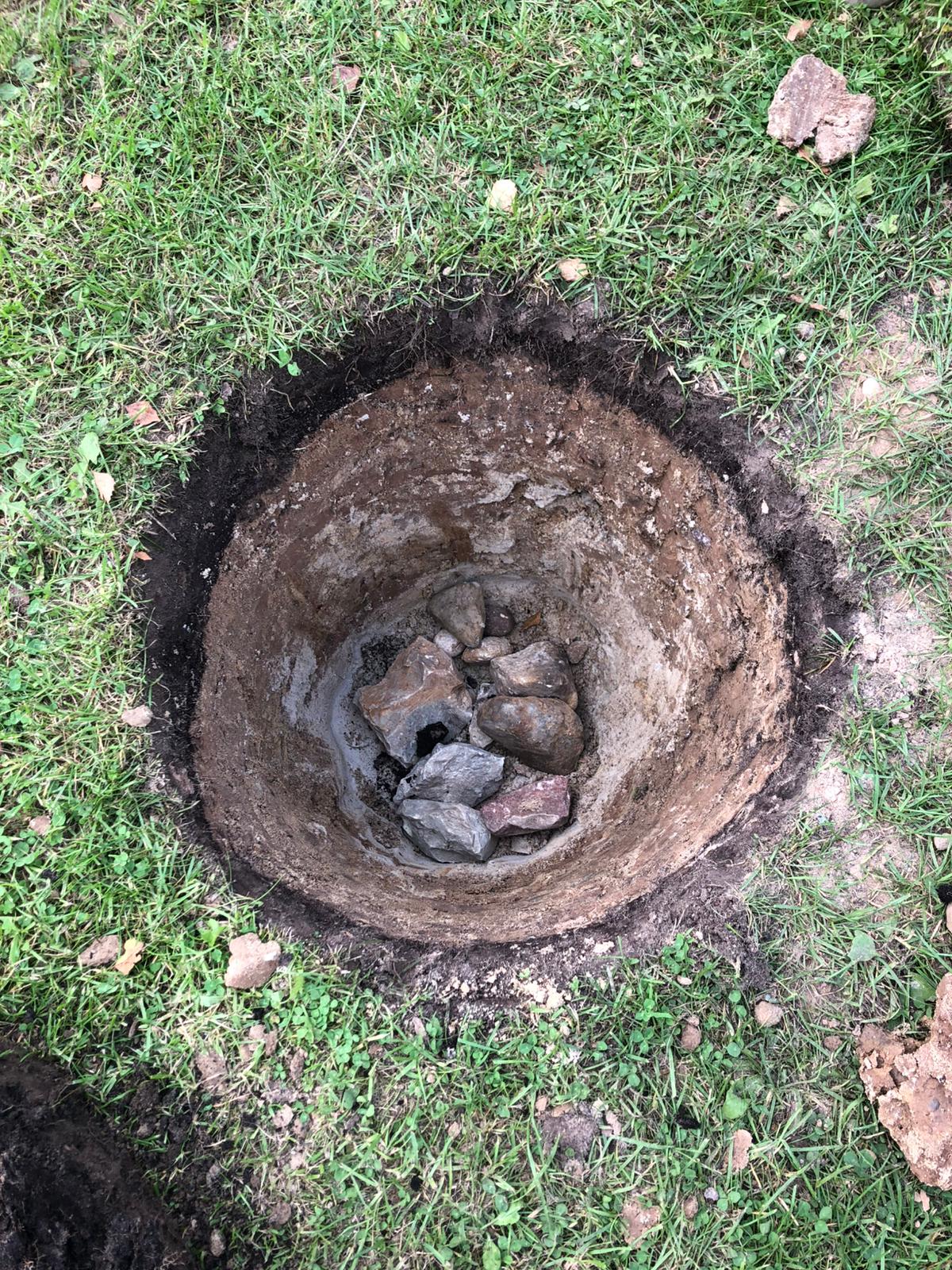
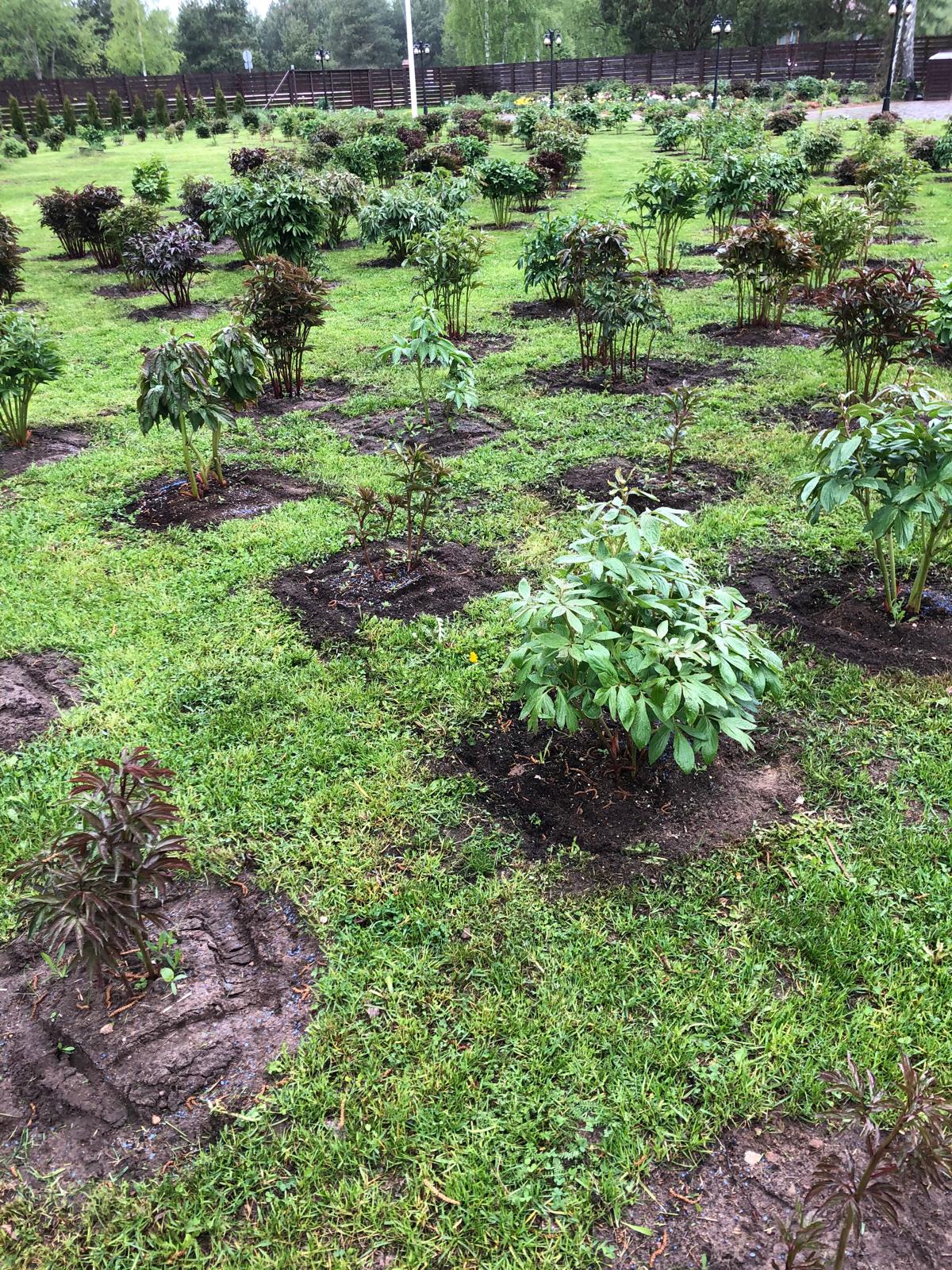
I plant peonies directly in the lawn. I dig a planting hole about 1 meter deep and around 70 cm in diameter. At the bottom of the hole, I place stones to create natural drainage. On top of that, I put the removed turf upside down, with the grass facing downward. Everything is firmly compacted and pressed down with my feet.
Next, I add black soil, making a layer of at least 20 cm. After that comes the most important part: I add a full wheelbarrow of manure. Horse manure can also be used, but I personally do not use it. Then the hole is filled up to ground level with black soil again and thoroughly compacted once more.
After that, depending on the final depth of the hole, the peony root can be planted. Visually, it is very important to make sure the root is not planted too deep — the buds should be about 3 cm below the soil surface.
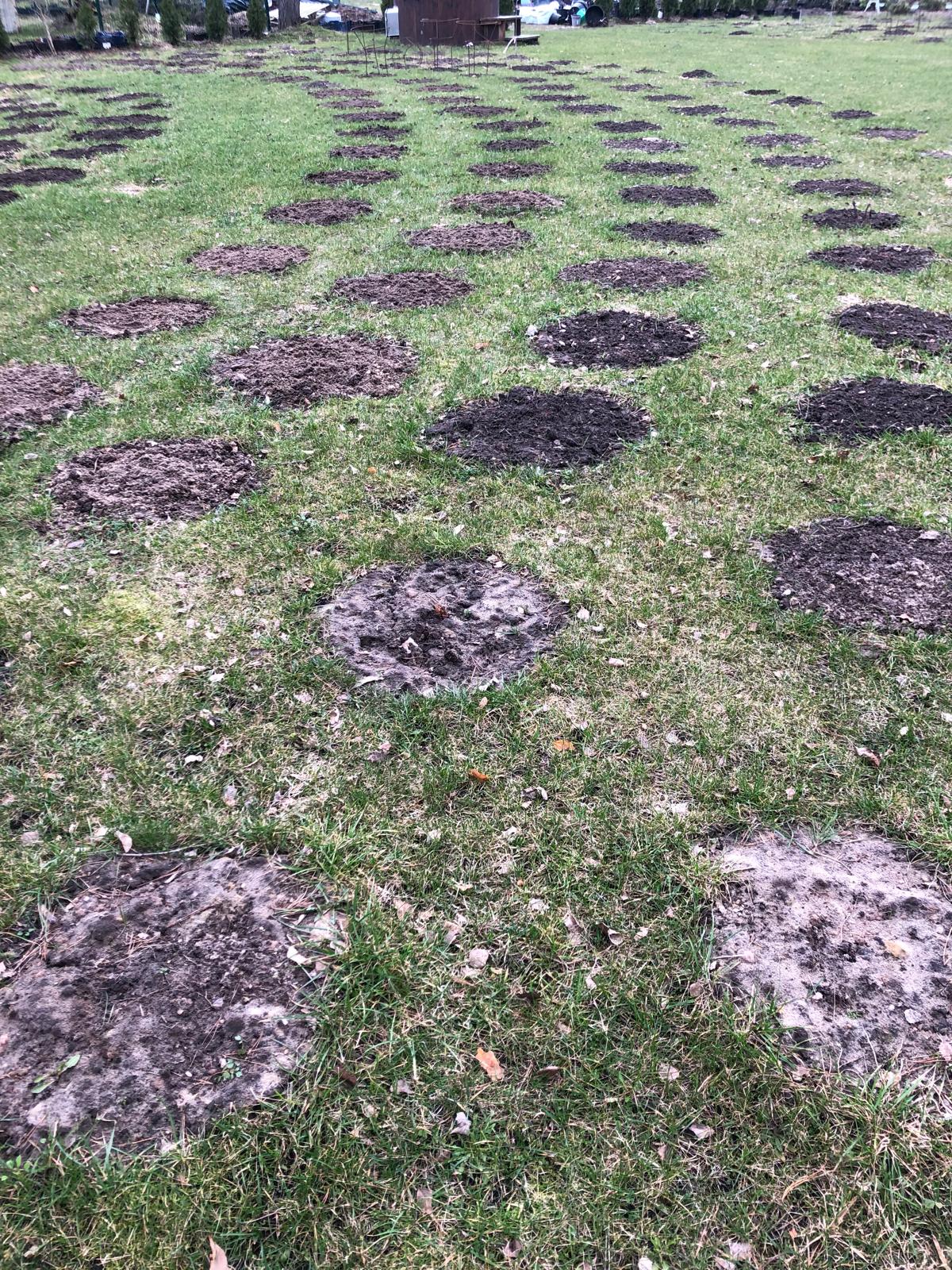
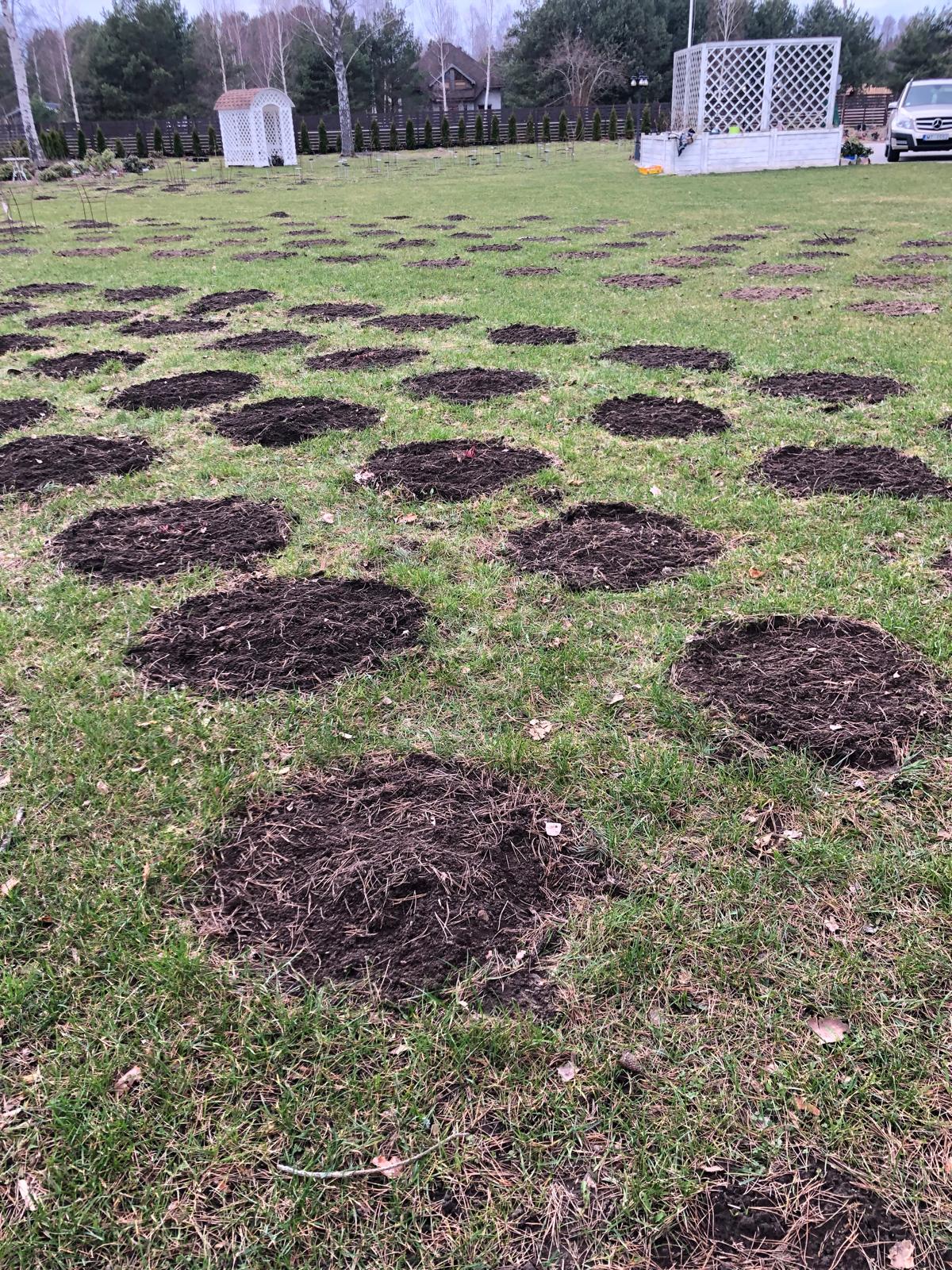
The peony is planted and covered with good-quality black soil. I follow the principle: a firm bed with a soft blanket on top.
Before winter, the planting bed may look like a molehill, but during winter the soil settles, and by spring everything should be level. If it is not completely even, small uneven areas can be gently smoothed out with your fingers — carefully.
I wish all of you healthy growth and abundant development for our beautiful plants.